How to Stay Awake at Work Without Coffee: 14 Desk Tactics
Roon Team
How to Stay Awake at Work Without Coffee: 14 Desk Tactics
The fastest ways to stay awake at work without coffee are things you can do without standing up: cold water on your face or wrists, a desk fan or open window, ice water within reach, and gum. The fastest caffeine that skips the cup is a sublingual pouch or caffeine gum, felt within minutes with nothing to brew and your hands free. For the full speed-ranked list, see the ways to wake yourself up when tired guide.
The 3 p.m. wall is partly circadian. It shows up even if you skip lunch. If it shows up every day, the real fix is sleep, not another tactic.
Key Takeaways
- Tactics 1 through 6 work while seated at your desk. Tactics 7 through 9 need only standing. Tactics 10 through 14 take five minutes away.
- A comparison table of caffeine without coffee (tea, gum, caplet, pouch) scores each format on milligrams, onset, and the desk test: cup, smell, bathroom trip, hands free.
- Keep total caffeine under 400 mg per day (FDA) and stop all caffeine at least six hours before bed.
- If you are fighting sleep at your desk most days, that is a sleep problem, not a coffee problem.
| # | Tactic | Zone | Time to feel it | Evidence |
|---|---|---|---|---|
| 1 | Cold water on face or wrists | Seated | Seconds | Hayashi 2003, n=10 |
| 2 | Desk fan or open window | Seated | 1 to 2 min | Consensus (Cigna, NHS) |
| 3 | Ice water within reach | Seated | 10 to 15 min | Ganio 2011, n=26 |
| 4 | Chew gum | Seated | Immediate | Morgan 2014, n=40 |
| 5 | Switch tasks every 25 min | Seated | Ongoing | Practice, not evidence |
| 6 | Caffeine without the cup | Seated | 5 to 80 min | See table below |
| 7 | Take every call standing | Standing | 1 to 2 min | Practice |
| 8 | 60 seconds of movement per hour | Standing | 1 min | Practice |
| 9 | Move to the brightest seat | Standing | Minutes | Mixed (Lok 2018) |
| 10 | 10-minute stair walk | Away | 10 min | Randolph 2017, n=18 |
| 11 | 10-minute nap at lunch | Away | 10 min | Brooks 2006, n=24 |
| 12 | Caffeine nap | Away | 15 to 20 min | Reyner 1997, n=12 |
| 13 | Skip the vending-machine sugar | Away | Within 1 hr | Mantantzis 2019, 31 studies |
| 14 | Lighter lunch, walk after | Away | 30 min | See food-coma link |
Why You Get Sleepy at Work in the Afternoon
The post-lunch dip is not caused by lunch. A 2005 review (Monk, Clinics in Sports Medicine) found the early-afternoon alertness drop appears even without a meal. It is circadian, hitting between 1 and 3 p.m. regardless of what you ate.
Sleep debt stacks on top. In a 2003 study (Van Dongen et al., n=48), six hours per night for two weeks produced alertness lapses equivalent to two nights of total sleep deprivation. The subjects barely noticed. The person nodding off at 2 p.m. may not be tired from lunch. They are tired from Tuesday.
A warm, still office makes it worse. For a deeper look, see the 3 p.m. crash guide.
How to Stay Awake at Work Without Coffee: Seated at Your Desk
These six tactics require zero standing and zero time away. They are sorted by how fast they work.
1. Cold water on your face or wrists
Splash cold water on your face, or hold a cold can against the inside of your wrists. A 2003 study (Hayashi et al., n=10) found face washing immediately suppressed subjective sleepiness. The effect is real but short. Pair it with a longer tactic from this list.
2. A desk fan or open window
Drop the temperature around your face. Warm, still air is a direct contributor to drowsiness, and the standard advice from insurers like Cigna is to keep the room cool. A small USB fan pointed at your face costs less than a single coffee and runs all afternoon.
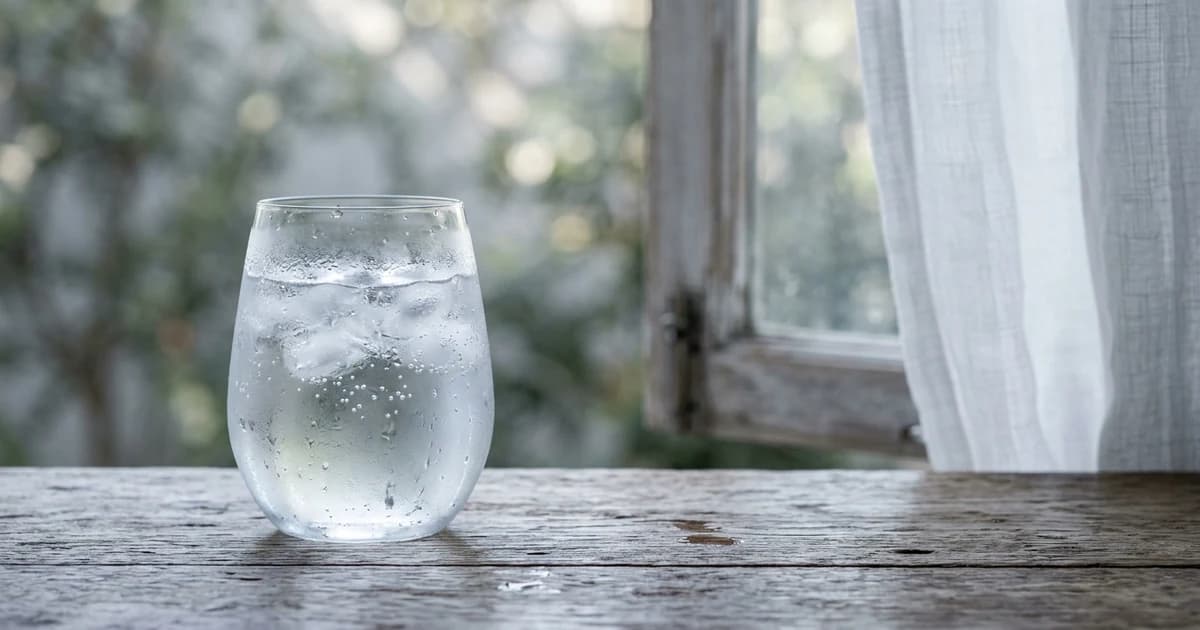
3. Ice water within arm's reach
Sip water steadily, and make it cold. A 2011 study (Ganio et al., n=26) found that 1.6% dehydration increased fatigue, tension, and vigilance errors in young men. You probably will not notice you are dehydrated. Keep the glass full.
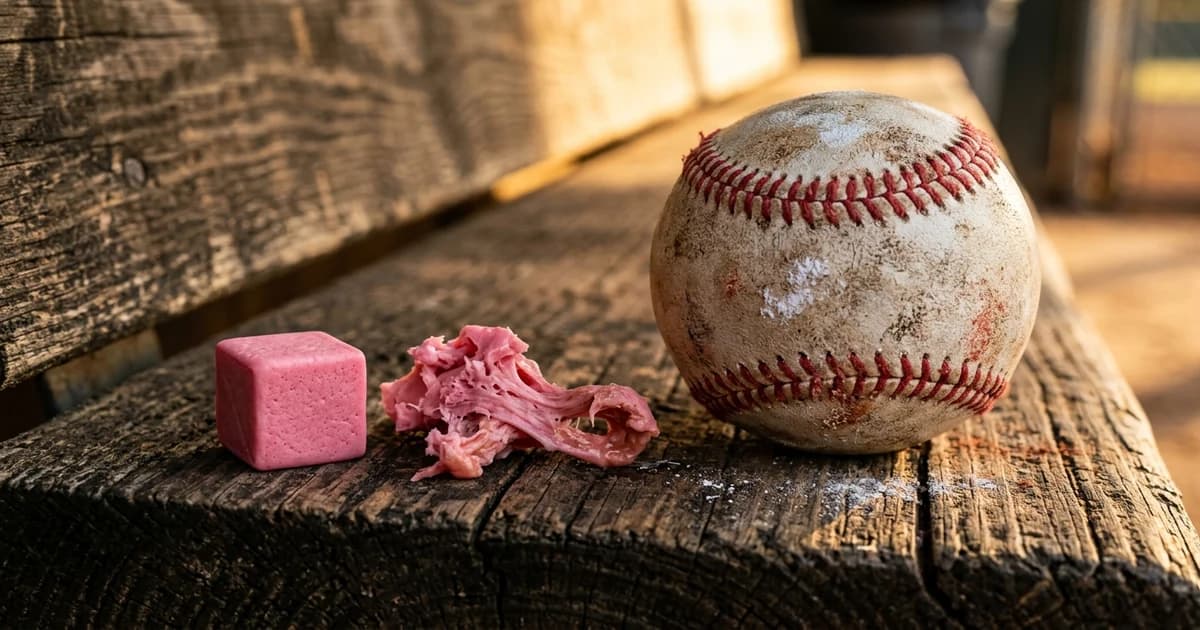
4. Chew gum through the boring task
A 2014 study (Morgan, Johnson, and Miles, n=40) gave participants a 30-minute auditory vigilance task. The group chewing gum showed less decline in target detections, faster reaction times, and higher self-rated alertness than the control. Flavor does not seem to matter. The jaw movement itself appears to be the mechanism.
5. Switch task type every 25 minutes
Cigna's guide recommends 25 minutes on, 5 off, borrowed from the Pomodoro method. No controlled trial proves 25 is the right number, but sustained attention on a single task degrades over time and switching resets the clock. Practice, not proven.
6. Caffeine without the cup
If the reason you are skipping coffee is the cup itself (the walk, the breath, the crash), caffeine still exists in desk-friendly formats. The full comparison is in the table below. For the pouch version, see the stay-awake-at-work lander.
For more seated tactics that do not repeat here (isometric holds, posture resets, handwriting your notes), see the how to stay awake in class guide. The mechanics transfer directly to the desk.
Standing at Your Desk
These three tactics need you upright but not away from your workstation.
7. Take every call standing
You do not need a standing desk. You need a phone call and the willingness to stand for it. Standing shifts blood flow and changes your breathing pattern. Schedule your most boring meeting for the 2 p.m. slot and take it on your feet.
8. 60 seconds of movement each hour, then keep standing
Set a recurring alarm. When it fires, do 60 seconds of anything: squats, calf raises, arm circles. Then stay standing for the next task. This is the on-ramp to tactic 10 for anyone who can spare five minutes later.
9. Move to the brightest seat or window
Bright light during the day is commonly recommended for alertness. The honest version: Lok et al. (2018) found daytime white light did not improve alertness in well-rested people, and a 2021 systematic review called the daytime evidence inconsistent. It costs nothing. Do not expect a study-backed lift.
Five Minutes Away From the Desk
These require leaving your workstation briefly. Worth it when you can manage it.
10. The 10-minute stair walk
A 2017 study (Randolph and O'Connor, n=18) tested sleep-deprived college women on 10 minutes of stair walking versus 50 mg caffeine. Stair walking raised felt energy more than the caffeine. It did not improve working memory, sustained attention, or mood. Walk the stairs for the subjective boost, not for sharper thinking.
11. The 10-minute nap at lunch
A 2006 study (Brooks and Lack, n=24) tested nap durations in healthy young adults. The 10-minute nap was the most effective, with benefits lasting up to 155 minutes. A 30-minute nap actually made people groggier at first before improving. Set one alarm. Ten minutes. Do not negotiate with yourself for twenty.
12. The caffeine nap
Drink caffeine, then immediately nap for 15 minutes. A 1997 study (Reyner and Horne, n=12) found 150 mg caffeine followed by a brief nap reduced driving-simulator incidents and sleepiness more than caffeine alone or a nap alone. The caffeine kicks in as you wake up. Works best at lunch if your office has a quiet room or your car.
13. Skip the vending-machine sugar
A 2019 meta-analysis (Mantantzis et al., 31 studies) found that sugar provided no mood benefit and increased fatigue and reduced alertness within the first hour compared to placebo. The vending machine is not a fix. It is a trap.
14. Eat the lighter lunch and walk after it
A heavy, high-glycemic lunch amplifies the post-lunch dip. A lighter meal with protein and fiber, followed by a short walk, blunts it. For the full breakdown, see the food-coma guide.
Caffeine Without Coffee: The Desk Test
Every caffeine source passes or fails on five desk criteria: milligrams per serving, time to feel it, whether it needs a cup, whether it creates a smell, and whether your hands stay free.
| Format | Caffeine (mg) | Time to feel | Cup needed | Smell | Hands free |
|---|---|---|---|---|---|
| Black tea, 8 oz | ~47 | 15 to 60 min | Yes | Mild | No |
| Brewed coffee, 8 oz (reference) | ~95 | 15 to 60 min | Yes | Yes | No |
| Caffeine gum (Military Energy Gum) | 100 per piece | 44 to 80 min to peak | No | Mild | Yes |
| Caffeine caplet (NoDoz, 200 mg) | 200 | 84 to 120 min to peak | No | No | Yes |
| Roon pouch | 80 | 5 to 10 min (felt) | No | No | Yes |
Sources: Tea and coffee per USDA FoodData Central via IFIC. Gum time-to-peak from Kamimori et al. 2002 (n=84): gum reached peak blood levels in 44 to 80 minutes versus 84 to 120 for capsules across 50, 100, and 200 mg doses. General oral caffeine onset via StatPearls (peak plasma 20 to 40 min, half-life ~5 hours) and Sleep Foundation (felt effects 15 to 60 min). Roon onset is the manufacturer's stated range.
Note: the 44 to 80 minute figure for gum is Kamimori's measured time to peak blood concentration. The 5 to 10 minute figure for Roon is a felt-onset claim, not a comparable pharmacokinetic measure.
Two rules apply to every row in this table:
- Keep total caffeine under 400 mg per day. The FDA considers this the upper bound not generally associated with dangerous effects in healthy adults.
- No caffeine within six hours of bedtime. A 2013 study (Drake et al., n=12) found that 400 mg taken six hours before bed cut total sleep by more than an hour, and the participants did not notice.
How to Not Fall Asleep at Work When You Are Running on No Sleep
The 14 tactics above narrow the gap. They do not close it. If last night was an all-nighter, the all-nighter survival guide and the day-after recovery plan cover the specifics. On a 24-hour stretch, the 24-hour guide has the protocol.
If you are fighting sleep at your desk most days, that is a sleep problem, not a coffee problem. No tactic, pouch, or gum replaces sleep. If the drowsiness persists even with seven to eight hours of sleep, it is worth a clinician's look.
What to Try Tomorrow So 3 p.m. Is Easier
Today's tactics are reactive. Tomorrow's are structural.
- Time your second caffeine before 2 p.m. If you target a 10 p.m. bedtime, that gives you eight hours of clearance (per the Drake data above).
- Adjust lunch composition. More protein, more fiber, fewer refined carbs. The food-coma post has the specifics.
- Block 2 to 2:30 p.m. as a standing block. Force yourself upright for the worst part of the dip.
- If you want the one-page version, the stay-awake-at-work lander puts the pouch answer on a single page.
Picking the Right Tactic for the Afternoon Slump
The difference between staying awake and staying sharp is the difference between a cold splash and a structural fix. These tactics are sorted by constraint, not importance, because the best tactic is the one you will actually do at 2:15 p.m. with a call in ten minutes. Start with whatever matches your situation right now, then layer in the structural changes tomorrow: caffeine timing, lunch composition, a standing block during the dip. None of it replaces sleep.
Frequently Asked Questions
How do I stay awake at work without caffeine?
Cold water on your face or wrists works in seconds (Hayashi 2003, n=10). A desk fan, ice water, and chewing gum are the next fastest seated options. Standing for calls and switching tasks every 25 minutes help sustain alertness through the afternoon. A 10-minute nap at lunch outperformed longer naps in a controlled study (Brooks 2006, n=24). None of these fully replace sleep if you are chronically short on it.
What can I take to stay awake at work instead of coffee?
Caffeine exists outside a cup. Caffeine gum delivers about 100 mg per piece and reaches peak blood levels faster than a capsule (Kamimori 2002). Caffeine caplets like NoDoz deliver 200 mg but peak more slowly. A Roon pouch delivers 80 mg with a felt onset of 5 to 10 minutes. All of them require the same daily ceiling: 400 mg total, none within six hours of bed.
Why do I get so sleepy at work after lunch?
The post-lunch dip is primarily circadian, not dietary. It appears even without a meal (Monk 2005). A heavy, high-glycemic lunch can amplify the dip, and accumulated sleep debt stacks on top of it. Two weeks of six-hour nights produce cognitive impairment equivalent to two nights of total sleep deprivation (Van Dongen 2003), and most people do not notice the decline.
Is it OK to nap at work?
A 10-minute nap is the most effective duration, with alertness benefits lasting up to 155 minutes (Brooks and Lack 2006). A 30-minute nap made people groggier initially before helping. If your workplace allows it, a brief lunchtime nap is one of the best tools available. Pairing it with caffeine right before lying down (the caffeine nap) can make the wake-up even sharper.
Does chewing gum help you stay awake?
Yes. A 2014 study (Morgan et al., n=40) found that chewing gum reduced the decline in target detections, reaction time, and self-rated alertness across a 30-minute sustained-attention task. The effect appears to come from the jaw movement itself, not the flavor. It is a real but modest tool, best stacked with other tactics on this list.
How do I stop falling asleep at my desk after no sleep?
You manage it; you do not fix it. Stack the fastest tactics: cold water on the face, a fan, ice water, gum, standing for calls, and a timed caffeine dose. A 10-minute stair walk raised felt energy more than 50 mg of caffeine in sleep-deprived subjects (Randolph 2017), though it did not improve attention or memory. The all-nighter guide has the full protocol.
Caffeine at the Desk With No Cup, No Smell, and No Walk to the Kitchen
The whole page above is organized around one constraint: you cannot or will not leave the desk for a cup. Every tactic was scored on the desk test, and section 6 showed where each caffeine format falls short. Tea needs a cup. Gum is visible on a call. A caplet delivers 200 mg at once with the slowest climb to peak.
Roon is 80 mg of caffeine in a Cool Mint pouch that sits under the lip. Nothing to brew, nothing to carry into the meeting, nothing on your breath before the 2 p.m. call, felt in 5 to 10 minutes while your hands stay on the keyboard. The 60 mg of L-theanine pairs with the caffeine. A 2025 review in Nutrition Reviews found the caffeine plus L-theanine combination improved alertness and attention-switching accuracy.
The reason one pouch is built for 6 to 8 hours instead of another wall at 4 p.m. is methylliberine (Dynamine), which slows caffeine's clearance. In a randomized, double-blind crossover PK study (Mondal et al., n=12), co-administration extended caffeine's half-life from about 7 to 15 hours with no increase in peak concentration. Important context: that study's caffeine-interaction arm used 100 mg methylliberine plus 150 mg caffeine, roughly 4x the methylliberine and 1.9x the caffeine in a Roon pouch (25 mg methylliberine, 80 mg caffeine). The mechanism is directionally the same, but the study did not measure Roon's exact dose. A longer half-life also means do not take it late: stop at least 8 hours before bed.
Pricing: from $9.16 per tin on a 12-tin subscription, or $15.00 per tin one-time. Each tin holds 15 pouches, roughly two weeks of afternoons at one pouch a day. The same rules apply: under 400 mg total for the day, no caffeine within six hours of bed, and if the desk fight is daily, the fix is sleep. For the one-page version, see the stay-awake-at-work lander. To try a tin, visit the Roon product page.
Related from Roon
- How to Beat the 3 PM Crash at Work
- How to Stay Awake in Class: 12 Things That Work When You Can't Leave Your Seat
- How to Wake Yourself Up When Tired: 12 Tactics by Speed
- Stay Awake Pills: What Is Actually in Them, Do They Work, and How Many Is Too Many
Written by Roon Team