Caffeine Pouches: Everything You Need to Know Before You Buy
Caffeine Pouches: Everything You Need to Know Before You Buy
You just hit the 2 p.m. wall. Your coffee is cold, your energy drink is empty, and you're staring at a screen full of work that isn't going to do itself. Caffeine pouches are the fastest-growing alternative for people who want a hit of focus without brewing another pot or cracking open a can. But the category of caffeine pouches is expanding fast, the ingredient lists vary wildly, and most buyers have no idea what separates a good caffeinated pouch from one that's basically a sugar-free energy drink in a tiny bag.
This guide breaks down exactly how caffeine pouches work, what's inside the major brands, and what to look for if you actually care about sustained cognitive performance rather than a quick jolt.
Key Takeaways
- Caffeine pouches deliver stimulants through the oral mucosa (gum and cheek lining), which can offer faster absorption than swallowing a pill or drinking coffee.
- Not all energy pouches caffeine products are the same. Some contain only caffeine; others stack nootropics like L-theanine, Alpha GPC, or citicoline.
- The biggest gap in most caffeine nicotine pouches alternatives: they spike your energy but don't address the crash, jitters, or tolerance buildup that come with caffeine alone.
- Ingredient transparency matters. If a brand hides behind a "proprietary blend" without listing individual doses, that's a red flag.
What Are Caffeine Pouches, Exactly?
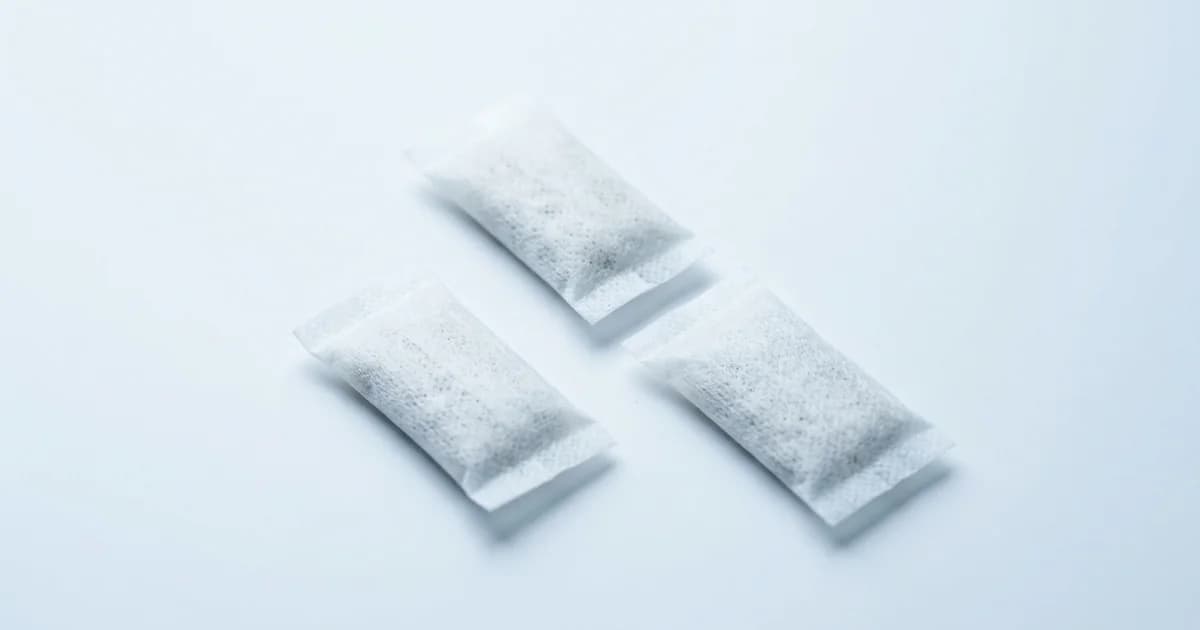
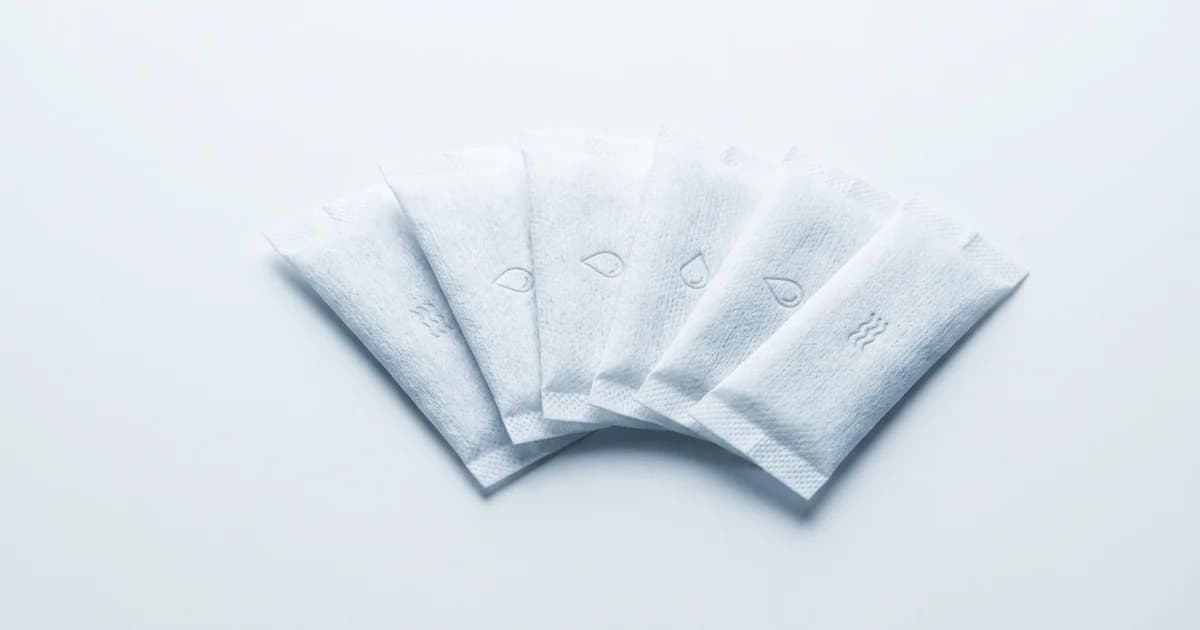
A caffeine pouch is a small, pre-portioned pouch you place between your lip and gum. The active ingredients absorb through the tissue lining of your mouth, entering your bloodstream without passing through your digestive system first.
This is the same basic delivery method used by nicotine pouches like ZYN, VELO, and On!. The difference: caffeine pouches swap out nicotine for caffeine and, in some cases, additional cognitive-support ingredients, though some brands offer nicotine-free caffeine-free oral pouches built around a single nootropic stimulant instead. Unlike caffeine nicotine pouches, these products are nicotine-free, tobacco-free, and designed for people who want energy and focus without the addictive baggage.
The sublingual and buccal delivery route is well-established in pharmacology. According to Pharmaceutical Technology, sublingual delivery promotes rapid absorption and higher bioavailability with an almost instant onset of action compared to traditional oral ingestion. That's why the pouch format makes sense for caffeine pouches: you skip the 30-to-45-minute wait that comes with coffee or a caffeine pill.
How Caffeine Pouches Compare to Coffee and Energy Drinks
The obvious question: why not just drink coffee?
Coffee works. Nobody's arguing otherwise. But it comes with logistical friction. You need a cup, a machine or a café, and 20 to 40 minutes for the caffeine to clear your stomach and hit your bloodstream. Energy drinks solve the portability problem but introduce 30+ grams of sugar (or a cocktail of artificial sweeteners), carbonation, and caffeine doses that can run north of 200mg per can.
Caffeine pouches sit in a different lane from coffee and energy drinks, and the energy gum vs pouches debate adds another format worth understanding before you buy.
| Factor | Coffee | Energy Drinks | Caffeine Pouches |
|---|---|---|---|
| Caffeine per serving | 80–120mg | 80–300mg | 25–100mg |
| Onset time | 20–45 min | 15–30 min | 5–15 min |
| Portability | Low | Medium | High |
| Sugar | Optional | Often 25–35g | Typically zero |
| Additional nootropics | None | Rarely | Varies by brand |
| Discretion | Low | Low | High |
The speed advantage of caffeine pouches is real. Because the oral mucosa is highly vascularized, compounds absorbed through the cheek and gum lining bypass first-pass metabolism in the liver. A review published in PMC confirms that the sublingual route enables rapid drug absorption via passive diffusion, achieving onset times comparable to injections in some cases.
That said, "faster" doesn't automatically mean "better." The quality of the energy you get from caffeinated pouches depends entirely on what's inside the pouch.
The Major Caffeine Pouch Brands, Compared
The caffeinated pouch market has exploded over the past two years, making it harder than ever to identify the best nicotine-free energy pouches across competing brands. Here are the most notable players in the caffeine pouches space and what they actually put in their products.
Grinds Coffee Pouches
Grinds is the OG of the caffeine pouch category, and a full Roon vs Grinds comparison breaks down exactly how a nootropic stack measures up against a coffee-only formula. Originally designed as a tobacco alternative for baseball players, each pouch contains real ground coffee and an energy blend of caffeine, B-vitamins, taurine, and glucuronolactone. Caffeine content ranges from 25 to 100mg per pouch depending on the flavor.
Strengths: Wide flavor range, established brand, actual coffee in the pouch. Weaknesses: No nootropic ingredients beyond basic B-vitamins. The energy profile is caffeine-only, which means you get the standard spike-and-fade pattern. Some users report a gritty texture from the ground coffee.
Rebel Pouches
Rebel positions itself as a nootropic energy pouches caffeine product. Each pouch packs 100mg of caffeine along with Alpha GPC, Huperzine A, and B-vitamins. They use coconut fiber technology for the pouch material, which is a nice touch for comfort.
Strengths: Higher caffeine dose for those who want a stronger kick. Alpha GPC supports acetylcholine production, which is linked to memory and learning. Weaknesses: 100mg of caffeine per pouch is aggressive. That's more than a cup of coffee in a single pouch, and without a calming agent like L-Theanine, sensitive users may feel jittery. No ingredients specifically targeting the caffeine crash or tolerance buildup.
Dialed In Nootropic Pouches
Dialed In takes a different approach to caffeine pouches. Their focus pouches contain citicoline, N-Acetyl L-Tyrosine, L-Theanine, and a small amount of caffeine from guarana. They market themselves as focus-first, energy-second.
Strengths: Citicoline is a strong nootropic with solid research behind it. L-Theanine improves attention-switching accuracy and calm alertness alongside caffeine. The ingredient stack is more thoughtful than most competitors. Weaknesses: The caffeine content is low and comes from guarana rather than a standardized dose, making it harder to know exactly how much you're getting. If you need real energy alongside focus, you may find these caffeinated pouches underwhelming.
NZE Caffeine Nootropic Pouches
NZE offers 50mg of caffeine per pouch combined with Alpha GPC, L-Tyrosine, and L-Theanine. It's a middle-ground product that tries to balance energy with cognitive support.
Strengths: Moderate caffeine dose. Includes L-Theanine, which research shows works well alongside caffeine for attention and focus. Weaknesses: Alpha GPC can cause headaches in some users and has a shorter shelf life than alternatives like citicoline. Limited flavor options and smaller brand presence.
Full Comparison Table
| Brand | Caffeine/Pouch | Key Nootropics | Nicotine-Free | Pouches/Can | Notable Gap |
|---|---|---|---|---|---|
| Grinds | 25–100mg | B-vitamins, taurine | Yes | ~18 | No crash or jitter mitigation |
| Rebel | 100mg | Alpha GPC, Huperzine A | Yes | 15 | High caffeine, no L-Theanine |
| Dialed In | Low (guarana) | Citicoline, L-Theanine, NALT | Yes | 20 | Weak energy component |
| NZE | 50mg | Alpha GPC, L-Theanine, L-Tyrosine | Yes | 15 | No tolerance-prevention ingredients |
What's Missing From Most Caffeine Pouches
After looking at the category as a whole, a few consistent gaps in caffeine pouches stand out.
Gap 1: Caffeine Alone Isn't Enough
Most energy pouches caffeine products treat caffeine as the entire solution. But caffeine by itself has well-documented limitations. It raises cortisol, can trigger anxiety in sensitive individuals, and produces a crash when it wears off. A study on PubMed found that 40mg of caffeine combined with 97mg of L-Theanine improved focus during demanding cognitive tasks more effectively than caffeine alone. The combination helped subjects focus attention without the overstimulation that caffeine can cause in isolation.
The takeaway: the best caffeine pouches aren't the ones with the most caffeine. They're the ones that pair caffeine with ingredients that shape the quality of the stimulation.
Gap 2: Nobody Addresses Tolerance
Here's the problem nobody in the caffeine pouches space talks about: caffeine tolerance. Your body adapts to caffeine within days of regular use. The same dose that woke you up on Monday barely registers by Friday. Most pouch brands ignore this entirely.
Theacrine, a compound structurally related to caffeine, has shown promise here. According to research covered by Gigas Nutrition, a study published in Pharmalogical Reports found that even after 7 days of theacrine supplementation, subjects showed no signs of habituation. That's a stark contrast to caffeine, where tolerance can develop in as few as 3 to 5 days.
Methylliberine is another related compound. A study published in Cureus found that combining caffeine with theacrine and methylliberine improved cognitive performance and reaction time without negatively affecting mood. A separate trial on tactical personnel showed that the caffeine-methylliberine-theacrine combination produced vigilance benefits similar to double the dose of caffeine alone, without the blood pressure spike.
Yet almost no caffeine pouch brand includes either compound.
Gap 3: Dosing Is Either Too High or Too Vague
Some caffeine pouches pack 100mg of caffeine into a single pouch. Others use guarana without specifying the exact caffeine yield. Neither approach is ideal. Too much caffeine in a fast-absorbing format can overshoot your sweet spot and leave you wired. Too little (or an unknown amount) makes it impossible to manage your daily intake.
The research on L-Theanine and caffeine used a specific ratio: roughly 2:1 (L-Theanine to caffeine) at a 40mg caffeine dose. That precision matters. A caffeinated pouch that just throws in "some caffeine" and "some L-Theanine" without attention to dose isn't the same thing.
How Roon Fills the Gaps in Caffeine Pouches
Roon's zero-nicotine pouches were designed around the specific shortcomings outlined above. Each pouch delivers 80mg of caffeine, paired with L-Theanine, Theacrine, and Methylliberine in a sublingual format. Unlike most caffeine nicotine pouches alternatives, Roon is built for sustained performance, not just a quick spike.
Here's what that stack actually does:
- Caffeine (80mg) provides the baseline alertness boost. The dose is comparable to a standard cup of coffee, and pairing it with L-Theanine, Theacrine, and Methylliberine shapes the quality of that stimulation into sustained, jitter-free focus.
- L-Theanine promotes calm focus by increasing alpha brain wave activity. It takes the edge off caffeine without dulling the energy. This is the ingredient that prevents the jittery, anxious feeling you get from caffeine-only products.
- Theacrine extends the duration of the effect to 6 to 8 hours and, based on available research, does not produce the same tolerance buildup as caffeine. You get consistent performance on Day 30 that matches Day 1.
- Methylliberine provides a fast-onset energy component that complements the slower-building effects of theacrine. It's the reason the pouch feels like it "kicks in" quickly without the delayed ramp-up.
The sublingual delivery means these compounds reach your bloodstream faster than a pill or a drink. No waiting. No brewing. No sugar. No nicotine.
Roon isn't trying to be the strongest among caffeine pouches on the market. It's designed to be the most complete one, addressing the crash, the jitters, and the tolerance problem that the rest of the energy pouches caffeine category ignores. If that tradeoff sounds right for how you work, you can check it out at takeroon.com.