Healthy Red Bull Alternatives Without the Sugar Crash
Healthy Red Bull Alternatives Without the Sugar Crash
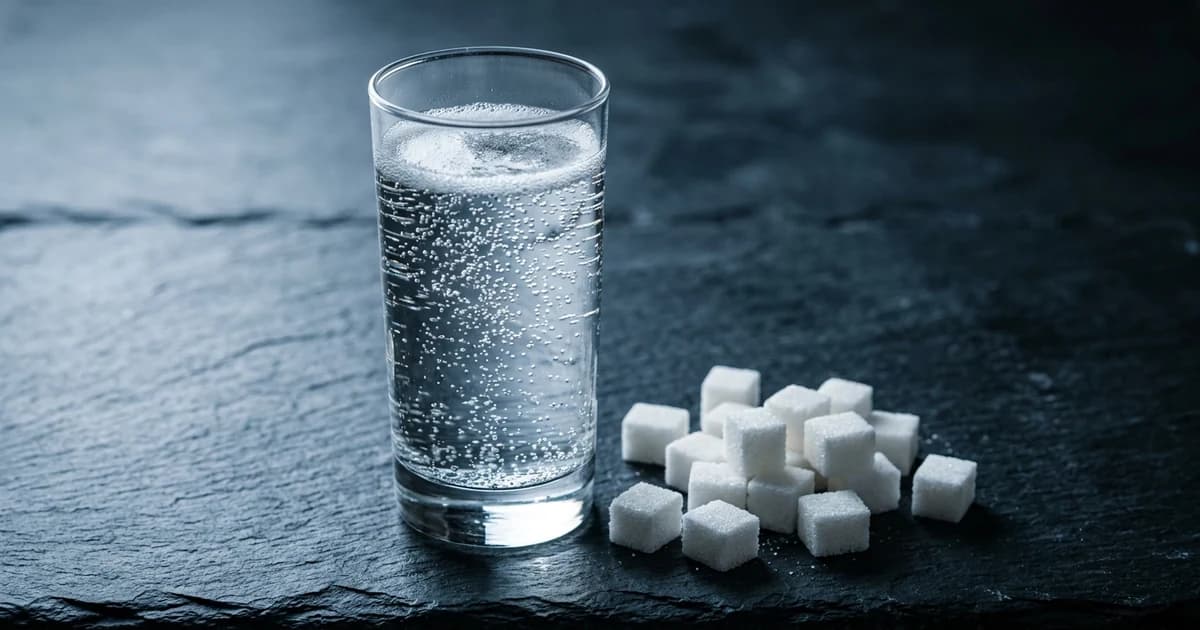
A single 8.4 oz can of Red Bull packs 80 mg of caffeine and 27 grams of sugar. That second number is the problem. If you have been hunting for a red bull alternative that gives you the lift without the mid-afternoon collapse, the sugar is what you actually need to design around, not the caffeine.
That 27 grams is roughly the same amount of sugar you would find in a small can of soda. According to Red Bull's own ingredient page, one can carries 27 g of sugars, and retailers like Amazon list the same figure alongside the 80 mg of caffeine. Each 8.4 fl oz can contains 80mg of caffeine per serving (about the same amount as a home-brewed cup of coffee) and 27g of sugar.
So here is what to drink instead of Red Bull, ranked by how cleanly each option delivers energy and how hard each one makes you crash.
Key Takeaways
- Red Bull's crash comes mostly from its sugar, not its caffeine. The 27 g sugar load drives a blood glucose spike and rebound dip.
- The best healthy alternative to Red Bull keeps the caffeine, drops the sugar, and adds something to smooth the comedown.
- Green tea, yerba mate, and matcha give you slower-release caffeine with no sugar crash.
- Pairing caffeine with L-theanine improves focus and softens jitters, which is why so many cleaner options use that combination.
Why Red Bull Makes You Crash
The crash is two things happening at once: a sugar drop and a caffeine drop.
When you drink 27 grams of liquid sugar, your blood glucose climbs fast, your pancreas floods the system with insulin to pull it back down, and you often overshoot into a dip that leaves you tired. Research presented at the World Diabetes Congress found that consuming caffeinated energy drinks can cause blood insulin levels to spike and may lead to subsequent problems controlling blood glucose levels. (See the writeup at Endocrinology Advisor.)
The caffeine adds the second half. As caffeine clears your system, the adenosine it was blocking comes rushing back, and that rebound is the part that feels like hitting a wall. One coffee science explainer notes that the primary biological driver is the rebound of adenosine activity after caffeine clearance, and that rebound produces a feeling of tiredness that can appear sudden.
Stack those two effects on top of each other and you get the classic energy-drink slump. Fix the sugar, and you have already solved most of it. Seasonal cans follow the same pattern; the Red Bull Winter Edition comes in a regular and a Sugarfree version.
What Makes a Healthy Alternative to Red Bull
A genuinely healthy alternative to Red Bull does three things.
First, it gives you Red Bull without sugar, or close to it, so there is no glucose spike to fall from. Second, it delivers caffeine at a pace your body can actually use, instead of a single sharp hit. Third, it adds something that takes the edge off, usually L-theanine, the amino acid in tea that pairs with caffeine for calmer focus.
That last point matters more than most people realize. In a study published in the journal Appetite, Einöther and colleagues found that the combination of L-theanine and caffeine markedly improved attention on a switch task as compared to the placebo, while subjective alertness and intersensory attention were not improved. The amino acid smooths the caffeine without dulling it.
The 7 Best Red Bull Alternatives
Here is the ranked list, from whole-food classics to engineered formats. Each entry notes the caffeine source, the sugar situation, and the crash risk.
1. Green Tea
Green tea is the gentlest entry point. A typical cup carries about 20 to 45 mg of caffeine, well under a Red Bull, and it naturally contains L-theanine.
That built-in caffeine-plus-theanine pairing is exactly the combination the research points to for calm focus. No sugar, no crash, low jitter. The tradeoff is power. If you need a strong lift before a long shift, green tea may feel too light.
2. Yerba Mate
Yerba mate hits harder than green tea while still feeling smooth. Yerba mate contains about 70mg of caffeine per 8-ounce cup, well above green tea's 20 to 45 mg and a little below most brewed coffee, and many drinkers find it a steadier lift than coffee.
Drink it unsweetened and you get strong, sugar-free energy with a long tail. Many bottled mate drinks add cane sugar, so read the label. The plain brewed version is the clean one.
3. Matcha
Matcha is powdered whole green tea leaf, so you drink the entire leaf rather than a steeped extract. It contains about 70 mg of caffeine per 8-ounce serving, and because you consume the whole leaf, the caffeine is released more slowly into the bloodstream.
That slow release plus a healthy dose of L-theanine makes matcha one of the better sugar-free swaps for a Red Bull habit. The catch is taste and prep. Good matcha needs whisking, and cheap matcha tastes like grass.
4. Black Coffee or Cold Brew
The obvious one, and still a strong answer. Black coffee has zero sugar and plenty of caffeine, usually 80 to 120 mg per cup.
The downside is the caffeine arrives without any L-theanine to balance it, so jitters and a sharper comedown are more likely for sensitive people. A common fix is to add an L-theanine capsule, which gets you closer to the green-tea profile while keeping coffee's punch.
5. Sparkling Water With a Caffeine Tablet
Not glamorous, but effective and cheap. Sparkling water gives you the cold, fizzy ritual of a Red Bull with zero sugar, and a measured caffeine tablet lets you dial the dose exactly.
You control everything and skip the sweeteners entirely. You also skip any of the focus-smoothing compounds, so this is closer to plain coffee in feel than to a designed stack.
6. Zero-Sugar Energy Drinks (Red Bull Zero, Celsius, etc.)
These solve the sugar problem directly. Red Bull Zero and similar drinks keep the caffeine and cut the sugar using non-nutritive sweeteners.
That removes the glucose crash, which is real progress. The open question is the sweeteners themselves and the large single caffeine hit, neither of which includes anything to soften the comedown. Better than the original, not the cleanest option on this list.
7. Roon (Sublingual Caffeine Pouch)
Roon is a zero-sugar, zero-nicotine pouch you park under your lip, and the caffeine absorbs through the tissue in your mouth instead of through your stomach. Each pouch holds 80 mg of caffeine, 60 mg of L-theanine, 25 mg of methylliberine (Dynamine), and 5 mg of theacrine (TeaCrine).
It matches a Red Bull's 80 mg of caffeine with none of the 27 g of sugar, and it builds in the L-theanine that green tea and matcha rely on. The format is built for a 5 to 10 minute onset and a 6 to 8 hour focus window without the spike-and-drop. It is not caffeine-free, so it is a cleaner delivery system rather than a stimulant-free swap.
Comparison Table: Red Bull vs the Alternatives
| Option | Caffeine | Sugar | Crash Risk | Focus Smoother |
|---|---|---|---|---|
| Red Bull (8.4 oz) | 80 mg | 27 g | High | None |
| Green Tea | 20-45 mg | 0 g | Very low | L-theanine (natural) |
| Yerba Mate (unsweetened) | ~70 mg | 0 g | Low | Plant compounds |
| Matcha | ~70 mg | 0 g | Low | L-theanine (natural) |
| Black Coffee | 80-120 mg | 0 g | Medium | None |
| Sparkling Water + Caffeine Tab | Adjustable | 0 g | Medium | None |
| Zero-Sugar Energy Drink | 80-200 mg | 0 g | Medium | None |
| Roon Pouch | 80 mg | 0 g | Low | L-theanine + theacrine |
Why Roon uses 80 mg. Roon matches an 8.4 oz Red Bull's caffeine on purpose instead of chasing the 200 mg cans. A higher dose mostly raises the peak; Roon keeps the peak modest and extends the tail with 25 mg methylliberine (Dynamine), which slowed caffeine clearance in a small PK study. That study used 100 mg methylliberine and 150 mg caffeine, roughly 4x and 1.9x Roon's doses, so it shows the direction, not Roon's numbers. If 80 mg feels light, double-pouch for 160 mg or add another pouch later; go with what feels right, up to 4 a day and 400 mg of caffeine from all sources.
How to Pick Your Swap
Match the option to the moment. If you want something soothing in the afternoon, green tea or matcha. If you need real output for a long block of work, yerba mate, coffee, or a designed stack.
If your main goal is Red Bull without sugar in the same fast, portable format, a zero-sugar drink or a sublingual pouch fits the use case best. The one habit worth keeping from all of this: pick options that pair caffeine with L-theanine, because that is the combination the research backs for calmer, steadier focus.
And drink water alongside any of them. Hydration blunts a lot of what people blame on caffeine.
For teenagers the answer is different. The American Academy of Pediatrics' clinical report on sports and energy drinks says stimulant-containing energy drinks have no place in the diets of children and adolescents, and that water should be their main drink.
Conclusion
Red Bull does not make you crash because of caffeine. It makes you crash because it pairs a normal 80 mg caffeine dose with 27 grams of sugar, and the glucose rebound does most of the damage.
Every strong alternative on this list fixes that by cutting the sugar and slowing the caffeine, and the best ones add L-theanine to keep the focus calm instead of jittery. Green tea, yerba mate, and matcha do this naturally. Coffee and zero-sugar drinks do it partially. The right swap is simply the one that gives you the energy you need without the dip you have learned to dread.
Frequently Asked Questions
Is there a healthy alternative to Red Bull?
Yes. Green tea, yerba mate, and matcha all give you caffeine without the 27 grams of sugar in a Red Bull, and they release that caffeine more slowly for steadier energy. Green tea and matcha also contain L-theanine, the amino acid that pairs with caffeine for calmer focus. For the same 80 mg caffeine in a portable, sugar-free format, zero-sugar drinks and sublingual caffeine pouches are the closest direct swaps.
What can I drink instead of Red Bull for energy?
For a strong lift, unsweetened yerba mate or black coffee both deliver real caffeine with zero sugar. For a gentler option, green tea or matcha give you slower-release caffeine plus natural L-theanine. If you want the convenience and speed of an energy drink without the sugar, a zero-sugar canned drink or a caffeine pouch covers that use case while skipping the glucose spike.
Does Red Bull actually cause a sugar crash?
Largely, yes. The 27 grams of sugar in a can drives a fast blood glucose rise followed by an insulin-driven dip, and research has linked caffeinated energy drinks to insulin spikes that complicate later glucose control. Layered on top is the adenosine rebound as caffeine clears. Together those two effects produce the familiar slump an hour or two after the can.
Is coffee a good Red Bull alternative?
Coffee is one of the cleanest swaps for sugar, since black coffee has none, and it delivers comparable or stronger caffeine. The one gap is that coffee has no L-theanine to balance the stimulant, so jittery people may feel a sharper edge and comedown. Adding L-theanine, or choosing tea, closes that gap.
What is the best Red Bull without sugar?
Red Bull's own Zero version removes the sugar while keeping the caffeine, which solves the glucose crash. Beyond that, any unsweetened tea, black coffee, or sublingual caffeine pouch is effectively a Red Bull without sugar. The difference between them comes down to whether they also include something, usually L-theanine, to smooth the caffeine.
Why does L-theanine matter in an energy drink alternative?
L-theanine is the amino acid in tea that takes the rough edge off caffeine. In a study published in the journal Appetite, the combination of L-theanine and caffeine markedly improved attention on a switch task as compared to the placebo. In practice, that means steadier focus and fewer jitters from the same caffeine dose, which is why the cleanest alternatives either contain it naturally or add it.
The Cleaner Way to Keep Your 80 mg
If you are leaving Red Bull mainly to escape the sugar, you do not have to give up the caffeine to do it. The crash you are trying to outrun lives in those 27 grams, not in the stimulant.
That is the gap Roon is built for. It is a sublingual pouch with 80 mg of caffeine, 60 mg of L-theanine, 25 mg of methylliberine (Dynamine), and 5 mg of theacrine (TeaCrine), absorbed through the tissue under your lip for a 5 to 10 minute onset and a 6 to 8 hour focus window with no sugar, no jitters, and no crash. The L-theanine does the same smoothing job that green tea and matcha rely on, just at a measured dose.
To be straight about it: Roon is not caffeine-free, so it is not the answer if you are cutting stimulants entirely. It is a cleaner delivery system for the caffeine you were already getting from an energy drink. If sugar was the reason you wanted out, try Roon as the swap that keeps the energy and drops the part that made you crash.
Written by Roon Team