What Is Sober Curious? The Movement Rewriting the Rules on Drinking
What Is Sober Curious? The Movement Rewriting the Rules on Drinking
Almost half of Americans say they plan to drink less in 2025. Not because of a doctor's warning. Not because of a rock-bottom moment. Because they started asking a simple question: What is sober curious, and could it work for me?
The answer is reshaping how an entire generation thinks about alcohol, performance, and what it actually means to feel good.
Key Takeaways
- What is sober curious? It means questioning your relationship with alcohol without committing to full sobriety.
- The sober curious movement was popularized by Ruby Warrington's 2018 book and has accelerated through Gen Z culture.
- 49% of Americans plan to drink less in 2025, a 44% increase since 2023.
- Reducing alcohol is linked to better sleep, sharper cognition, and improved mood.
What Is Sober Curious, Exactly?
Understanding what is sober curious starts with a cultural shift toward examining your drinking habits with honest, nonjudgmental attention. The term was coined by British author Ruby Warrington, who explored the idea in her 2018 book Sober Curious and the events she hosted around it starting in 2017.
The core idea is straightforward. Instead of defaulting to a drink at every dinner, party, or stressful Tuesday, you pause and ask: Do I actually want this? Why am I reaching for it?
That's it. No 12-step program. No lifetime pledge. Just curiosity.
The distinction matters. Being sober curious is not the same as being sober. According to Healthline, many sober curious people find that a few weeks or months without alcohol helps them practice more moderate, mindful drinking going forward. Others discover they prefer life without it entirely. The point of what is sober curious is choice, not abstinence as a rule.
Why Now? The Numbers Behind the Sober Curious Shift
The sober curious movement has been building for years, but 2024 and 2025 marked a tipping point.
An NCSolutions survey found that 49% of Americans plan to drink less alcohol in 2025. That's a 44% jump from 2023. Among Gen Z specifically, 65% plan to drink less, and 39% are committing to a fully dry lifestyle.
Dry January participation tells a similar story. Morning Consult data shows that participation has gone fully mainstream in 2025, with growth across every income bracket. A separate Sunrise Detox analysis reported that 22% of American adults joined Dry January in 2025, a 5% increase over the prior year.
This isn't a niche wellness fad. The data shows that what is sober curious to one person has become a measurable behavior change across demographics.
Gen Z Is Leading the Sober Curious Charge
If there's a generation that defines what is sober curious in practice, it's Gen Z.
According to the Cleveland Clinic, the "clean living" lifestyle embraced by many in Gen Z means making healthier choices about eating and drinking. Data from the National Institute on Drug Abuse shows that lifetime drinking, past-month drinking, and past-year drinking among young people have all been declining since around the year 2000.
The reasons vary. Health awareness is the big one. But there's also a cultural component: for Gen Z, drinking is no longer a rite of passage or a badge of maturity. Social media plays a role, too. Nobody wants their worst moments captured in HD and uploaded before breakfast.
When new products are marketed as aligned with the sober curious lifestyle, 43% of Gen Z and 33% of millennials say they're more likely to buy them. The market is following the culture.
What Is Sober Curious Doing to Your Brain? The Science of Drinking Less
The sober curious conversation often starts with social identity. But the science behind it is where things get interesting.
Alcohol disrupts sleep architecture, even in moderate amounts. You might fall asleep faster after a couple of drinks, but the quality of that sleep drops. According to Medical News Today, within days of stopping, many people experience deeper, more restful sleep and wake feeling more refreshed. That improvement feeds directly into better mood, more energy, and sharper cognitive function throughout the day.
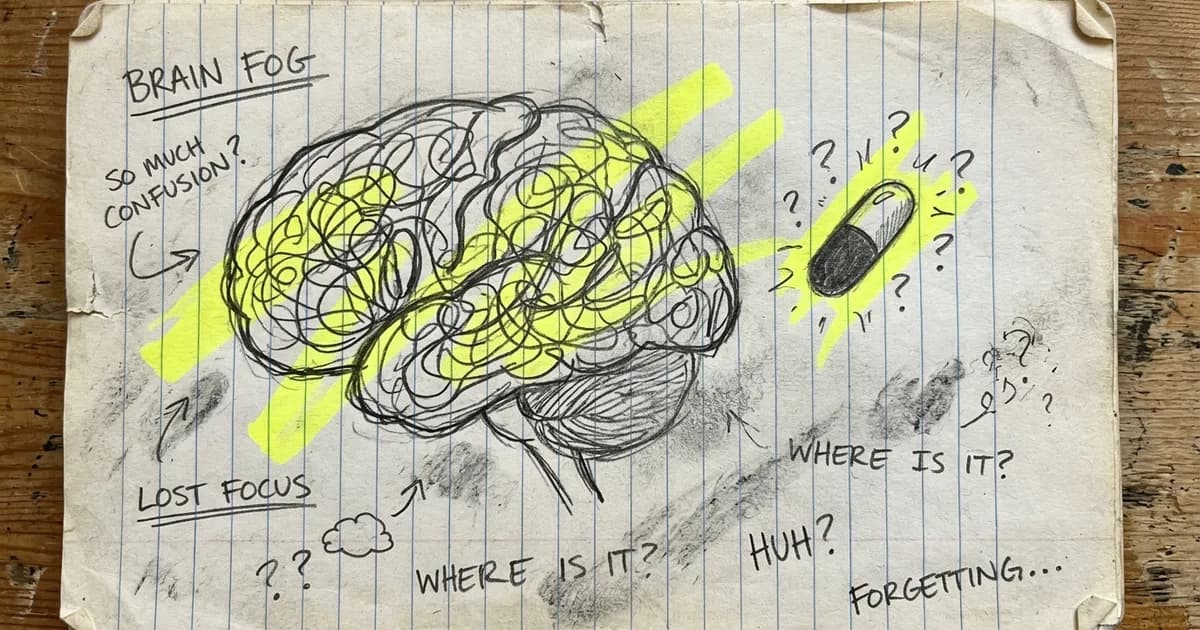
The brain benefits go deeper than sleep. Research from the Recovery Research Institute shows that brain health begins to improve within the first month of abstaining from alcohol. Neuroplasticity, the brain's ability to repair and rewire connections, kicks in once alcohol is removed from the equation. This is part of why so many people exploring what is sober curious report feeling mentally sharper within weeks.
The cognitive effects are measurable. According to Medical News Today, memory, attention, and decision-making abilities typically improve substantially when you stop drinking. These aren't abstract benefits. They show up in your work, your conversations, and your ability to stay locked in during a long afternoon.
Sober Curious vs. Mindful Drinking: Is There a Difference?
You'll hear both terms used interchangeably, but they sit at slightly different points on the same spectrum. Knowing what is sober curious versus mindful drinking helps you figure out which approach fits your life.
Mindful drinking is about paying attention to how much you consume and why. You might still drink regularly, just with more intention. According to Drinkaware, drinking mindfully means keeping within low-risk guidelines and being conscious of your habits.
Sober curious takes it a step further. It's an active willingness to experiment with periods of zero alcohol to see how it changes your life. Some people try a dry month. Others go longer. The label is flexible by design.
Here's a simple comparison:
| Mindful Drinking | Sober Curious | |
|---|---|---|
| Alcohol intake | Reduced, intentional | Often zero for extended periods |
| Goal | Moderation | Exploration of life without alcohol |
| Identity | Still identifies as a drinker | Questions whether drinking fits their life |
| Flexibility | High | High |
Both approaches reject the old binary of "alcoholic" or "normal drinker." That's what makes the sober curious movement resonate with so many people. You don't need a problem to want something better.
How to Start Being Sober Curious
Now that you understand what is sober curious, the next step is trying it. There's no official onboarding process. But a few practical steps make the experiment easier.
- Pick a time frame. A week, a month, 90 days. Give yourself a container so it feels like an experiment, not a life sentence.
- Track how you feel. Sleep quality, energy, mood, focus. Write it down. The data will speak for itself.
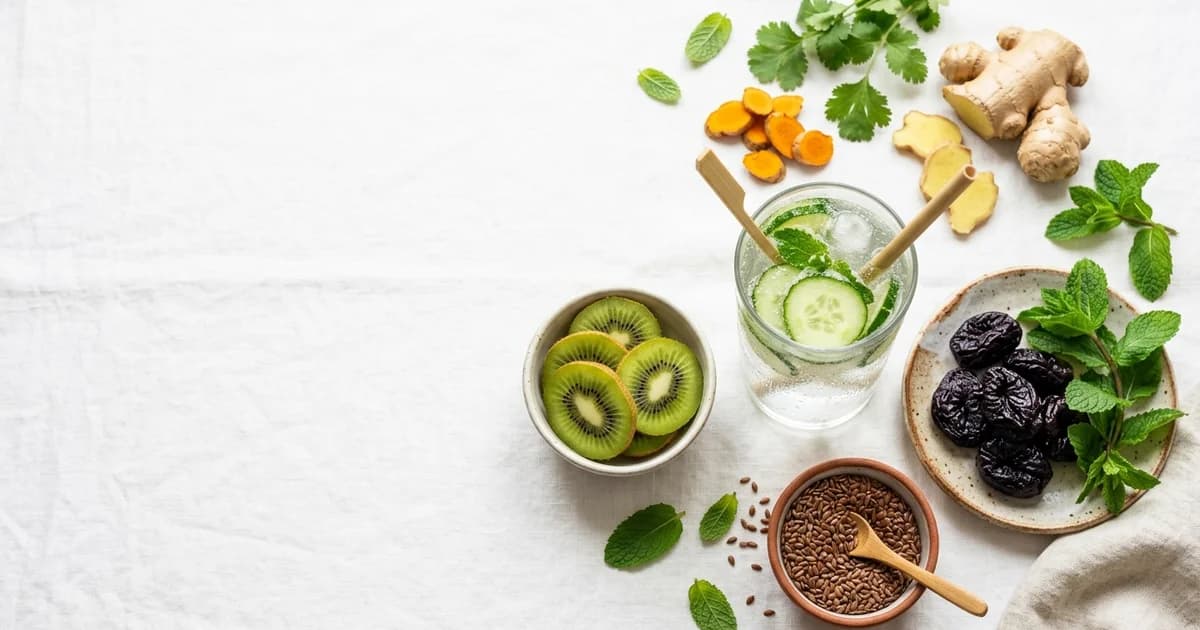
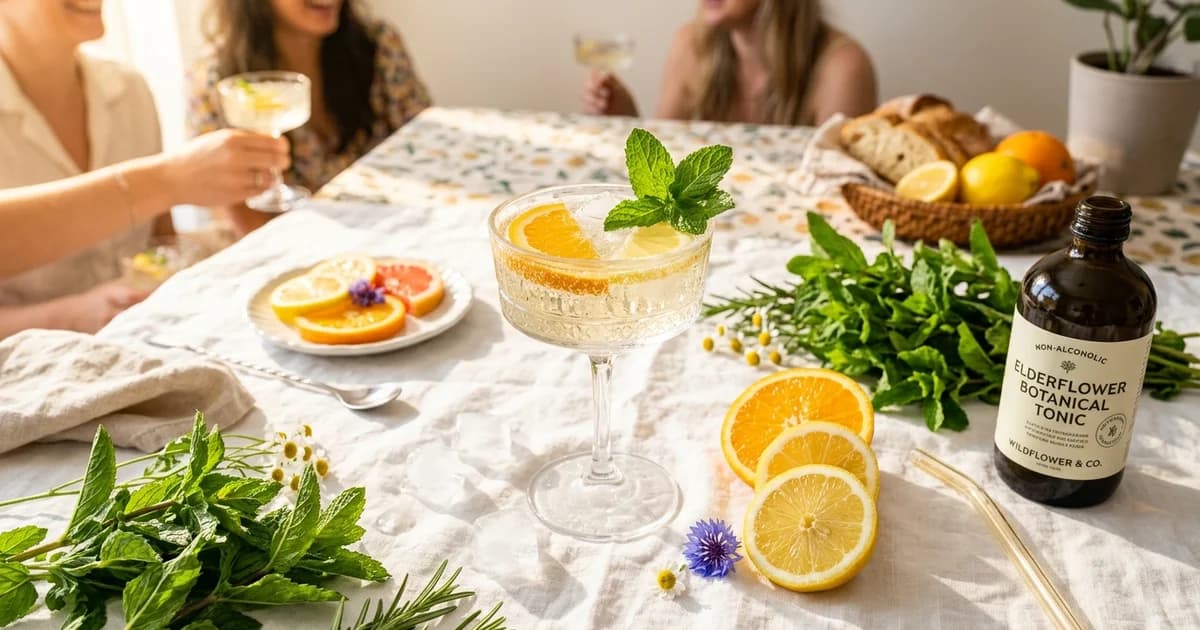
- Find your replacements. The ritual of having something in your hand matters more than most people realize. Non-alcoholic drinks, sparkling water, or functional beverages fill that gap.
- Tell people, or don't. Some find accountability helpful. Others prefer to skip the conversation entirely. Both work.
- Stay curious, not rigid. The whole point of being sober curious is exploration. If you have a drink at a wedding and then go back to your experiment, that's not failure. That's data.
The NIAAA notes that the sober curious movement encourages people to examine how much, when, and why they drink, with a focus on health and well-being. That framing, health-first rather than morality-first, is why it's sticking.
Clean Focus for the Sober Curious
What is sober curious really about? Performing better by removing what holds you back. Alcohol is the obvious first cut. But the question doesn't stop there.
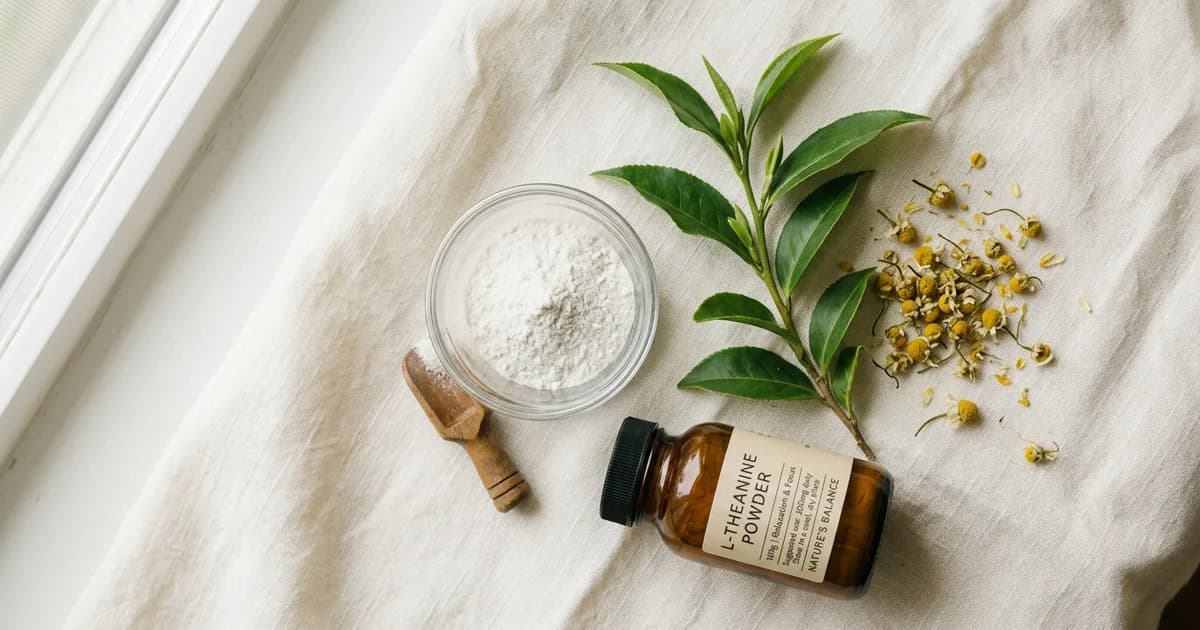
Once you start optimizing how you feel, you start looking for tools that add to your clarity instead of borrowing from tomorrow's energy. That's where Roon fits in. It's a zero-nicotine sublingual pouch built around caffeine, L-Theanine, Theacrine, and Methylliberine, designed to deliver 6 to 8 hours of sustained focus without the jitters, crash, or tolerance buildup that come with most stimulants.
No alcohol. No nicotine. No compromise. Just clean, sustained cognitive performance for people who've decided they want more from what they put in their body.
If you're rethinking what you drink, and exploring what is sober curious for yourself, it might be worth rethinking how you focus, too. Try Roon.