Pre-Workout vs Energy Drink: Caffeine, Sugar, and Which Actually Fits Your Session
Pre-Workout vs Energy Drink: Caffeine, Sugar, and Which Actually Fits Your Session
A can of Celsius or C4 Energy in 2026 often contains the same 200 mg caffeine dose, and even the same beta-alanine, as a scoop of powder pre-workout. The real differences between a pre-workout and an energy drink are sugar content, carbonation and GI comfort, and whether the label discloses full performance-ingredient doses. The category line has blurred. The ingredient list is what matters now.
Key Takeaways
- The caffeine is often identical. Most fitness-branded energy drinks and most pre-workout powders deliver 200 mg per serving. Caffeine is the primary performance driver at 3 to 6 mg/kg body mass, regardless of whether it comes from a can or a scoop.
- Sugar is the real divider. Classic energy drinks (Monster, Red Bull) carry 27 to 54 g of sugar per can. Nearly every dedicated pre-workout powder and the newer fitness-branded cans (Celsius, Ghost Energy, Reign) are zero-sugar.
- Full-dose performance ingredients still favor powder. Gram-scale citrulline malate (6 to 8 g) and clinical beta-alanine (3.2+ g) are common in powders but rare or underdosed in cans.
- Carbonation is a comfort variable. Fizzy cans can cause bloating mid-set for some lifters. Powder mixed in water, or a non-liquid format, avoids that entirely.
Side-by-Side: Energy Drinks vs Pre-Workout Powders
| Product | Format | Caffeine (mg) | Sugar (g) | Calories | Beta-Alanine | Citrulline | Source |
|---|---|---|---|---|---|---|---|
| Red Bull (8.4 oz) | Can | 80 | 27 | 110 | None | None | redbull.com |
| Monster Energy (16 oz) | Can | 160 | 54 | 210 | None | None | monsterenergy.com |
| Celsius Original (12 oz) | Can | 200 | 0 | 5 to 10 | None | None | celsius.com |
| Ghost Energy (16 oz) | Can | 200 | 0 | 5 to 10 | None | None | ghostlifestyle.com |
| C4 Energy (16 oz) | Can | 200 | 0 | 0 | Yes (undisclosed dose) | Yes (undisclosed dose) | cellucor.com |
| Reign Total Body Fuel (16 oz) | Can | 300 | 0 | 10 | None | None | reignbodyfuel.com |
| Alani Nu Energy (12 oz) | Can | 200 | 0 | ~10 | None | None | alaninu.com |
| C4 Original (powder, 1 scoop) | Powder | 200 | 0 | ~5 | 2,000 mg | None | cellucor.com |
| Transparent Labs BULK (powder) | Powder | 200 | 0 | ~5 | 4,000 mg | 8,000 mg | transparentlabs.com |
| Alani Nu Pre-Workout (powder) | Powder | 200 | 0 | ~5 | 1,600 mg | 6,000 mg citrulline malate (2:1) | alaninu.com |
| Roon (pouch) | Oral pouch | 80 | 0 | 0 | None | None | takeroon.com |
Why the Line Between Pre-Workout and Energy Drink Has Blurred
Five years ago, the distinction was cleaner. Pre-workout meant a tub of powder with caffeine, beta-alanine, citrulline, and sometimes creatine. Energy drink meant a carbonated can with caffeine, sugar, taurine, and B-vitamins.
That line barely exists. C4 sells both a powder and a canned energy drink under the same brand name. Ghost and Alani Nu do the same. Reign launched as a can, but with BCAAs, CoQ10, and 300 mg of caffeine positioned squarely at gym-goers. These products sit in the energy drink cooler at gas stations, but their formulas borrow from the pre-workout playbook.
So is an energy drink the same as pre-workout? In terms of caffeine delivery, often yes. In terms of full performance-ingredient dosing, usually no.
Sugar: The Biggest Real Divider
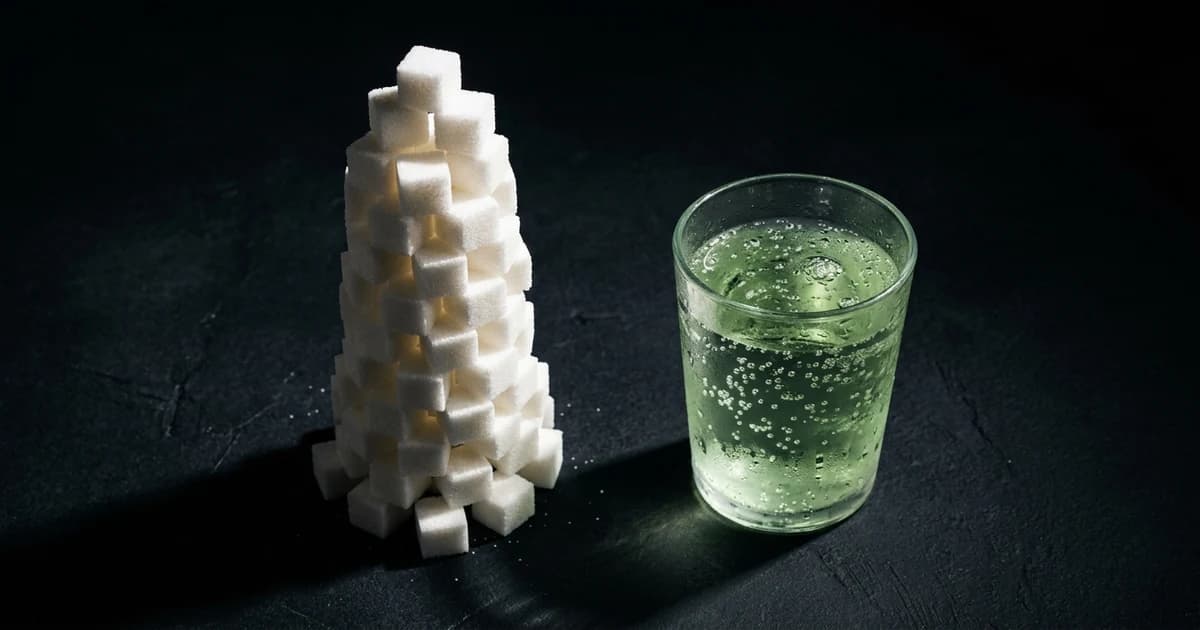
This is where classic energy drinks and pre-workouts genuinely differ. A 16 oz Monster delivers 54 g of sugar and 210 calories. A standard 8.4 oz Red Bull has 27 g of sugar and 110 calories. That is a meaningful caloric load before you even start your warm-up.
Pre-workout powders are almost universally zero-sugar and close to zero-calorie. The newer fitness-branded cans have followed suit: Celsius, Ghost Energy, C4 Energy, Alani Nu Energy, and Reign are all zero-sugar. Choosing between a Monster and a scoop of C4? Sugar is the clearest reason to pick the powder. Choosing between a Ghost Energy can and a scoop of C4? That gap disappears.
For a full Celsius ingredient breakdown, including its sucralose and MetaPlus blend, we covered the details separately.
Caffeine Dose: Closer Than You Think
The ISSN position stand on caffeine and exercise performance confirms that caffeine's ergogenic benefits occur at 3 to 6 mg/kg body mass. For an 80 kg person, that is 240 to 480 mg. The delivery vehicle does not change the pharmacology. Caffeine is caffeine.
Most products in this comparison cluster around 200 mg per serving. Reign pushes to 300 mg. Red Bull sits at just 80 mg. If your goal is an ergogenic dose, check the label, not the category. For the full 25-brand caffeine table across pre-workouts, see our separate breakdown.
What Cans Still Lack: Full-Dose Performance Ingredients
Here is where powder pre-workouts keep a real advantage. Citrulline malate at clinical doses (6 to 8 g) and beta-alanine at clinical doses (3.2 to 6.4 g daily) are common in powders. Transparent Labs BULK packs 8,000 mg of citrulline malate and 4,000 mg of beta-alanine per scoop. Alani Nu's powder delivers 6,000 mg citrulline malate (2:1) and 1,600 mg beta-alanine.
Cans have a solubility and flavor problem. Dissolving multiple grams of amino acids into a 12 to 16 oz carbonated drink while keeping it palatable is hard. C4 Energy cans include CarnoSyn beta-alanine and citrulline, but the per-can doses are not disclosed. Most other fitness energy drinks skip these ingredients entirely.
If your training depends on nitric oxide support (citrulline) or carnosine buffering (beta-alanine), powder is the better format. If you just want caffeine and convenience, a fitness energy drink works.
Carbonation and GI Comfort
Can you use an energy drink as pre-workout? Yes. But carbonation introduces a variable powder does not. Carbonated beverages push gas into the digestive tract, and because digestion slows during exercise, that gas can cause bloating or burping mid-session. Not universal, but worth knowing before you crack a Reign 15 minutes before deadlifts.
Powder mixed with still water avoids this. So does any non-liquid format.
Pick This If...
You want full-dose performance ingredients (citrulline, beta-alanine, creatine): Go with a powder pre-workout. No can matches a fully dosed scoop for amino acid content.
You want caffeine and convenience, zero sugar: Any of the fitness-branded cans (Celsius, Ghost Energy, C4 Energy, Alani Nu Energy) will get you 200 mg of caffeine without sugar. They are functionally pre-workouts in a can.
You want low caffeine with no carbonation or sugar: Roon delivers 80 mg caffeine in an oral pouch, no liquid, no carbonation, zero calories. Good for lower-dose options than most cans. Not a pre-workout replacement if you need citrulline or beta-alanine.
You just want something from the gas station before the gym: A zero-sugar Monster Ultra or a Celsius from the cooler will do the job. Check the caffeine number on the can and skip the full-sugar originals.
Honest Limits
Energy drinks still lag behind powders for clinical doses of citrulline, beta-alanine, or creatine. The "pre-workout in a can" branding overpromises when amino acid doses are proprietary or absent.
Pre-workout powders require a shaker, water, and time. You cannot throw a scoop in your pocket. Spontaneous gym sessions favor the can.
Roon is 80 mg caffeine, below the ergogenic threshold for most adults. It works for people who want mild, sustained focus from a lower dose, not for people chasing a high-caffeine hit before heavy training.
The Category Label Does Not Matter
The pre-workout vs energy drink distinction is a shelf-placement question, not a pharmacological one. A zero-sugar C4 Energy can with 200 mg caffeine and beta-alanine is, functionally, a pre-workout you buy at a gas station. A scoop of C4 Original powder with the same caffeine and 2,000 mg beta-alanine is a less portable format with a higher amino acid dose.
Read labels. Compare caffeine doses. Check for sugar. Look at whether performance ingredients are present at clinical doses or just sprinkled in for label decoration.
Frequently Asked Questions
Is an energy drink the same as pre-workout?
In terms of caffeine, often yes. Fitness-branded cans like C4 Energy, Ghost Energy, and Celsius deliver the same 200 mg caffeine as most powders. The gap is performance ingredients: powders include clinical doses of citrulline and beta-alanine that cans cannot match due to solubility limits.
Can you use an energy drink as pre-workout?
Yes. If the drink has a comparable caffeine dose (150 to 300 mg) and no excessive sugar, it produces the same caffeine-driven ergogenic effect as a powder. For how this compares to coffee as a substitute, we covered that separately.
Is pre-workout better than Monster before the gym?
For most lifters, yes. A standard 16 oz Monster has 160 mg caffeine but also 54 g of sugar and 210 calories. A zero-sugar pre-workout or fitness energy drink gives you equal or higher caffeine without the sugar. Monster Zero Ultra is the exception.
Is pre-workout better than Celsius?
Not necessarily. Celsius delivers 200 mg caffeine and zero sugar, matching most powders on caffeine. Where powder wins is amino acids: if you need citrulline or beta-alanine at clinical doses, Celsius will not provide them.
How much caffeine should I have before the gym?
The ISSN recommends 3 to 6 mg/kg body mass for ergogenic effects. For a 70 kg person, that is 210 to 420 mg. Most pre-workouts and fitness energy drinks hit the low end with a single serving.
Does carbonation affect workout performance?
Carbonation itself does not reduce strength or endurance. It can cause bloating or burping during intense exercise in some individuals. If that bothers you, powder mixed with still water or a non-liquid caffeine format avoids the issue.
Are fitness energy drinks just rebranded pre-workouts?
Partially. Brands like C4, Ghost, and Alani Nu sell both a powder and a canned energy drink. The cans match the caffeine dose but carry lower or undisclosed amino acid amounts. When a can uses guarana instead of caffeine anhydrous, the absorption profile may also differ slightly.
A Grab-and-Go Option Without the Can or the Shaker
If you landed somewhere between "I want convenience" and "I don't need 200 mg of caffeine or a carbonated can before training," Roon sits in that gap. It is a zero-sugar, zero-calorie oral pouch with 80 mg caffeine, 60 mg L-theanine, 25 mg methylliberine (Dynamine), and 5 mg theacrine (TeaCrine). No carbonation, no shaker, onset in 5 to 10 minutes. Methylliberine slows caffeine clearance, which is why the felt window stretches to 6 to 8 hours instead of coffee's typical 3 to 4. That mechanism was shown in a PK study using 100 mg methylliberine + 150 mg caffeine, roughly 4x and 1.9x Roon's doses respectively, so the effect is directionally the same but not identical in magnitude. A longer half-life also means you should stop at least 8 hours before bed.
Roon is not a pre-workout replacement if you need citrulline, beta-alanine, or creatine. It is for the same tradeoff outside the gym: a no-sugar, no-can alternative that fits in your pocket at a lower caffeine dose, from $9.16 per tin. Try it for sessions where focus matters more than maximal stimulation.
Written by Roon Team