Caffeine Pouches for Deep Work: Do They Help Focus?
Best Caffeine Pouches for Focus and Deep Work (2026, Ranked)
The best caffeine pouches for focus pair caffeine with L-theanine and at least one longer-acting compound so the effect holds for hours, not minutes. A pouch that delivers caffeine alone gives you a spike and a crash. A pouch that stacks caffeine with calming and duration-extending ingredients gives you a usable work session. This guide ranks six pouches on formula quality, dose transparency, crash profile, and real price per pouch, then shows you the specific gaps most brands still leave open in 2026.
A pouch parked under your lip delivers caffeine through the buccal tissue in your mouth, bypassing the gut and liver on first pass. A 2002 study on caffeinated gum found that buccal delivery produced faster absorption rates than capsules swallowed whole. That faster onset is real. The problem is that raw caffeine alone gives you alertness with a side of jitters, then drops you off a cliff two hours later.
This guide ranks the best focus pouch options for deep work in 2026, compares their actual formulas and prices, and shows you which products respect the science and which ones skip it.
Key Takeaways
- Caffeine pouches work because of buccal absorption. Caffeine crosses the tissue in your cheek and gum, so onset is faster than capsules you swallow.
- Caffeine by itself is the weak link. Without L-theanine, you get the alertness and the jitters together. A 2008 study in Nutritional Neuroscience confirmed that caffeine plus L-theanine outperformed caffeine alone on sustained attention tasks.
- Most "focus" pouches over-dose stimulants or under-dose the calming compounds that smooth out the experience.
- The best pouch for deep work pairs caffeine with L-theanine and adds longer-acting compounds so you do not crash at hour two.
- Price per pouch ranges from under $0.40 to over $1.30, and cost does not always track with formula quality.
How Do the Best Caffeine Pouches for Focus Compare?
The table below shows every ranked product's active ingredients, verified prices, and the specific use case each one fits best. Every cell contains a real number or a verified fact.
| Rank | Product | Caffeine | L-Theanine | Other Actives | Price / Pouch | Best For |
|---|---|---|---|---|---|---|
| 1 | Roon | 80 mg | 60 mg | 25 mg Dynamine, 5 mg TeaCrine | from $0.61 (subscription) | Sustained deep work (6-8 hrs) |
| 2 | Ultra | 0 mg (100 mg paraxanthine, Amazon label) | Yes (10 mg) | Alpha-GPC, Ginseng, B6, B12 | $1.07 (sub: $0.69) | Caffeine-free nootropic focus |
| 3 | Xendurance | 30 mg | Yes (undisclosed mg) | Alpha-GPC, L-Tyrosine | ~$0.38 | Caffeine-sensitive users |
| 4 | Rebel | 100 mg | None | 75 mg Alpha-GPC, 100 mcg Huperzine A, B vitamins | Varies | Hard, short pushes |
| 5 | Fully Loaded ALPHA | None | None | 60 mg Alpha-GPC, 60 mg L-Tyrosine, 20 mg GABA | Varies | Calm focus with no stimulant |
| 6 | Grinds | 3-100 mg | None in the coffee line | Taurine, B vitamins | Varies | Coffee ritual replacement |
Why Roon uses 80 mg. This ranking does not reward the biggest caffeine number, because more milligrams mainly raise the peak. Roon holds the lift at a small coffee and lengthens it: 25 mg of Dynamine slows caffeine clearance, shown in a PK study that used about 4x Roon's methylliberine and 1.9x its caffeine, so the direction applies, not the exact numbers (details in the duration section below). The 60 mg of L-theanine keeps that lift calm. Dose is yours to set in 80 mg steps: double-pouch to 160 mg on a heavy day or add one later, capped at 4 pouches a day.
Do Caffeine Pouches Actually Work for Focus?
Yes. Caffeine pouches work, and the mechanism is buccal absorption. When you tuck a pouch between your gum and lip, caffeine diffuses directly across the oral mucosa into your bloodstream, partially bypassing the digestive tract. That is why a pouch tends to feel faster than a pill or a cup of coffee.
The caveat is that caffeine on its own is a blunt instrument. It raises alertness, but it also raises heart rate, restlessness, and that wired feeling that actively wrecks concentration. The combination that consistently appears in controlled trials is caffeine plus L-theanine, an amino acid found in tea. A widely cited study in Nutritional Neuroscience found that combining the two improved cognitive performance and subjective alertness on demanding attention tasks better than caffeine alone. A separate 2019 systematic review concluded that L-theanine reliably reduces stress responses and promotes calm attention at doses of 200-400 mg per day.
So the format works. The question is which formula respects that science, and which ones just shove stimulants into a pouch and call it focus.
How Were These Caffeine Pouches Ranked?
I scored each product on four criteria that matter for deep work:
- Formula intelligence: Does it pair caffeine with L-theanine, or just throw stimulants at you? Are there longer-acting compounds to extend the window?
- Dose transparency: Are the milligrams listed on the label, or hidden behind a "proprietary blend"?
- Crash profile: Will the effect taper smoothly or dump you at hour two?
- Value per session: What does one focused work session actually cost you?
Prices were verified from brand websites and Amazon as of mid-2026. Check the source links for current figures, since pricing shifts.
The Best Caffeine Pouches for Deep Work in 2026
1. Roon (Best for Sustained Deep Work, 6-8 Hours)
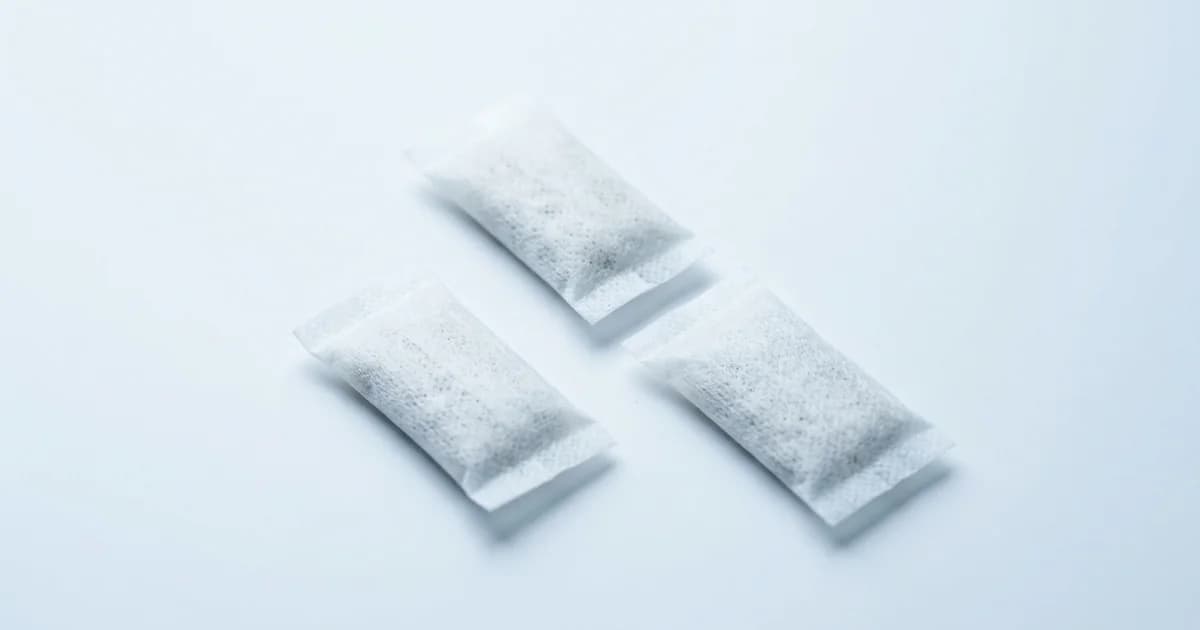
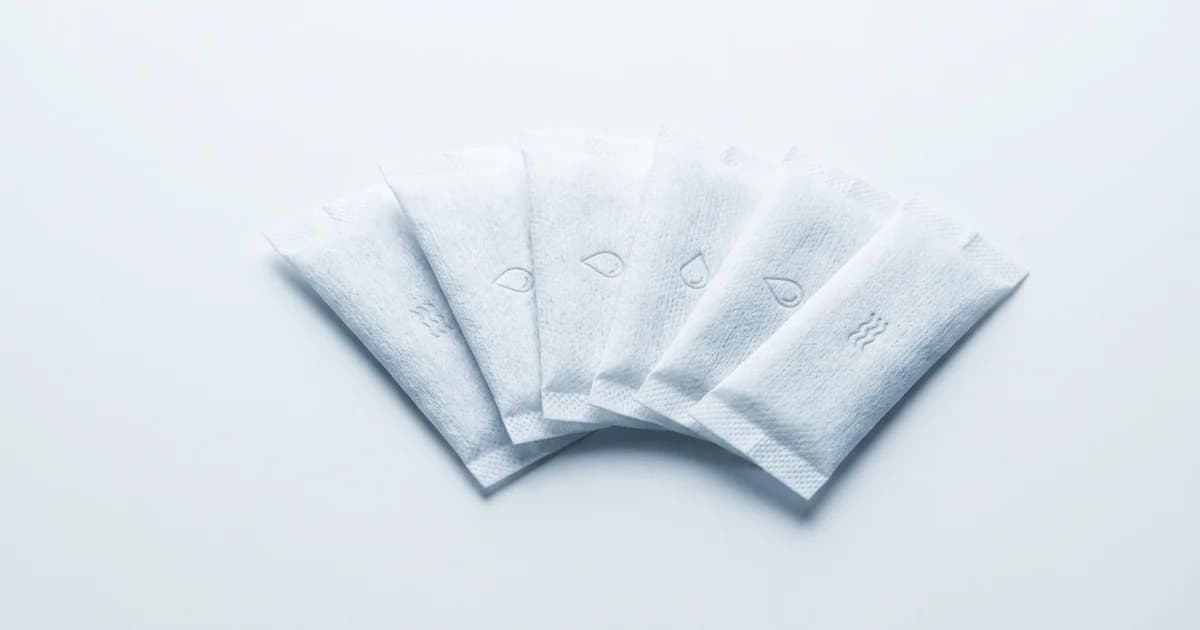
Roon is the only pouch on this list built specifically around the deep-work problem rather than the energy-drink problem. Each sublingual pouch carries 80 mg caffeine, 60 mg L-theanine, 25 mg methylliberine (Dynamine), and 5 mg theacrine (TeaCrine).
That four-ingredient stack is the point. Caffeine and L-theanine handle the clean-alertness half. A 2020 study on methylliberine found that Dynamine increased energy, focus, and motivation in healthy adults without elevating heart rate or blood pressure. Theacrine, a purine alkaloid structurally related to caffeine, extends the duration curve further; a 2016 review in the Journal of the International Society of Sports Nutrition reported that theacrine does not appear to produce tolerance with repeated use at typical supplemental doses.
Those two compounds are how Roon targets a 6 to 8 hour window of focus without the hour-two drop. Onset lands in roughly 5 to 10 minutes. You can read more in the Roon ingredient breakdown.
Price: from $9.16 per tin of 15 pouches on subscription, as little as $0.61 per pouch.
Honest limitation: Roon is one of the most expensive options on a one-time basis, and it is not designed for someone who just wants a quick caffeine bump before a workout. It is built for hours of seated concentration, not gym energy. The Cool Mint flavor is the only option.
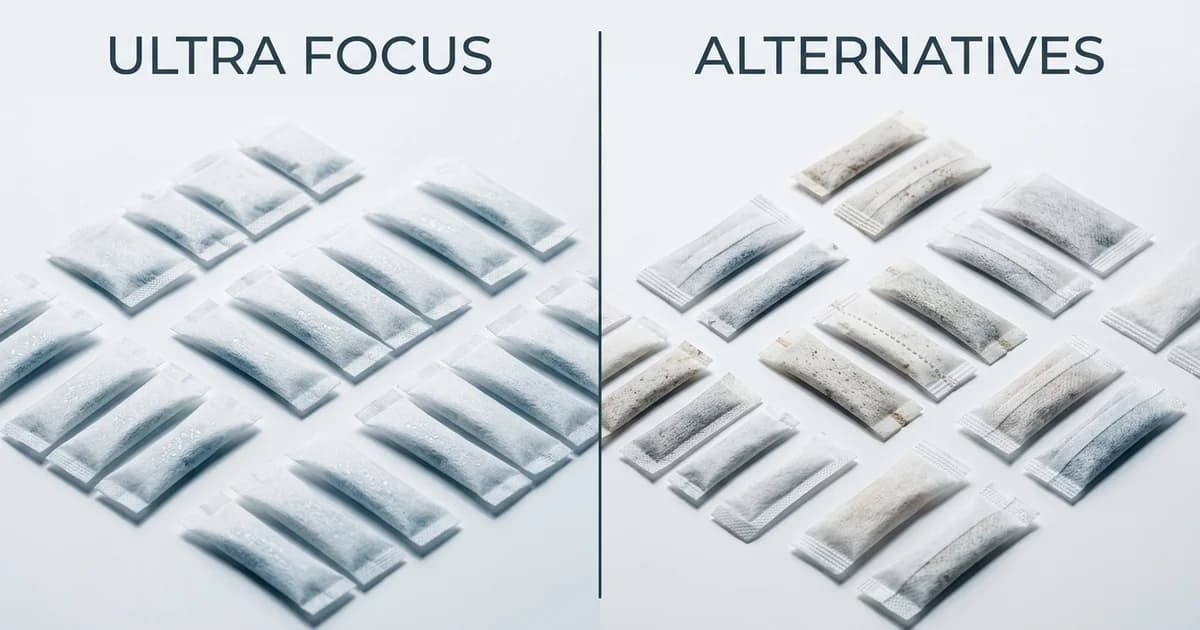
2. Ultra Focus Pouches (Best Caffeine-Free Nootropic Option)
Ultra takes a fundamentally different approach. It contains zero caffeine. Instead, it uses enfinity paraxanthine, a metabolite your liver naturally produces when it processes caffeine, listed at 100 mg per pouch on the supplement facts panel in Ultra's Amazon listing (takeultra.com shows no milligram amounts). The rest of the formula includes Alpha-GPC, L-Theanine, Panax Ginseng, and vitamins B6 and B12.
The thinking is legitimate. Paraxanthine is the primary active metabolite responsible for most of caffeine's cognitive benefits, and delivering it directly skips the variable liver-metabolism step. The trade-off is that the doses sit only on Ultra's Amazon supplement facts panel (100 mg paraxanthine, 30 mg Alpha GPC, 10 mg L-theanine, 1 mg ginseng), and the supporting actives there are well below the amounts most studies use.
Price: $16.00 per can of 15 pouches one-time, dropping to $10.40 per can on the deepest subscription tier.
Best for: Anyone who wants to avoid caffeine entirely but still needs a stimulant-driven focus effect. Not ideal if you respond well to caffeine and want a proven, well-studied stack.
3. Xendurance Focus Pouches (Best for Caffeine-Sensitive Users)
Xendurance stacks four actives: Alpha-GPC, L-Theanine, L-Tyrosine, and 30 mg of caffeine per pouch.
The low caffeine dose is a genuine strength if you are caffeine-sensitive or want focus support in the afternoon without wrecking your sleep. L-Tyrosine is a reasonable addition for cognitively demanding work under stress. The weakness is the flip side of that strength: 30 mg is light. Heavier caffeine users will feel underwhelmed and reach for a second pouch, which defeats the precision-dosing advantage.
Price: $37.95 for a 5-can bundle (20 pouches per can, 100 pouches total), which works out to roughly $0.38 per pouch. The best value on this list by a wide margin.
Best for: Caffeine-sensitive users, late-afternoon sessions, or people who want a mild focus lift without a strong stimulant hit.
4. Rebel Pouches (Best for Short, High-Intensity Pushes)
Rebel goes hard on stimulant plus nootropic. Each pouch packs 100 mg of natural caffeine, 75 mg Alpha-GPC, 100 mcg Huperzine A, and B vitamins (B1, B6, B9).
If raw power is your metric, Rebel delivers. The concern for deep work is the missing counterweight. There is no L-theanine here to soften 100 mg of caffeine, and Huperzine A is potent enough that daily use is debated among researchers due to its long half-life as an acetylcholinesterase inhibitor. Great for a hard push. Less ideal as a daily focus tool.
Price: Varies by retailer; check rebelpouches.com for current pricing. Each can holds 15 pouches.
Best for: Deadlines, exam cram sessions, or any situation where you need maximum intensity for 2-3 hours and plan to rest afterward. Not a daily driver.
5. Fully Loaded ALPHA (Best Stimulant-Free Pouch)
Fully Loaded's ALPHA pouches carry a proprietary blend of 60 mg Alpha-GPC, 60 mg L-Tyrosine, and 20 mg GABA per pouch. There is no caffeine in them, and no L-theanine either.
That makes ALPHA the odd one out on this list. It is a nootropic pouch rather than a caffeine pouch, so it will not give you the buccal caffeine hit that most of this list is built around. What it offers instead is a choline source and two amino compounds aimed at calm focus. If you want stimulant energy, this is the wrong product, and if you specifically want caffeine, note that the caffeinated pouch in Fully Loaded's range is a different product from ALPHA.
Price: Varies; check the Fully Loaded website for current bundle deals.
Best for: People who want focus support with no stimulant at all. Anyone shopping specifically for caffeine should look elsewhere on this list.
6. Grinds Coffee Pouches (Best Coffee Ritual Replacement)
Grinds is the original alternative-pouch brand, and it is genuinely different. These are real ground-coffee pouches, and Grinds states that a pouch holds 3 mg, 25 mg, 50 mg or 100 mg of caffeine depending on the specific flavor, plus taurine and B vitamins in some blends.
For people who love the coffee ritual without the cup, Grinds nails it. The honest limitation for deep work: the coffee pouches are essentially flavored caffeine in coffee-grounds form. There is no L-theanine and no long-acting compound in that line, so you get a coffee-style lift and a coffee-style fade. Grinds does publish a separate Focus line with 40 mg L-theanine and 40 mg Alpha-GPC, but that is a different product from the coffee pouches reviewed here.
Price: Varies by flavor and bundle; available on getgrinds.com and Amazon.
Best for: Former dip users, coffee lovers who want a portable ritual, or anyone who prefers the taste and texture of real ground coffee. Not a nootropic product.
What Gaps Do Most Caffeine Pouches Leave Open?
After comparing these six formulas side by side, three gaps show up repeatedly.
Gap 1: No L-theanine, or not enough of it. Rebel skips it entirely, and so do Grinds' coffee pouches, though Grinds' separate Focus line does publish 40 mg alongside 40 mg Alpha-GPC. Fully Loaded ALPHA has none of it either. The research that makes caffeine genuinely useful for focus depends on a meaningful theanine pairing, typically at least 100 mg per day according to the 2019 systematic review on L-theanine. Most pouches treat it as an afterthought.
Gap 2: Nothing to extend the runway. Caffeine has a plasma half-life of roughly 5 hours in most adults, but the felt peak-and-fade cycle runs much shorter. That is why you reach for a second pouch at hour two. Almost none of these formulas include a longer-acting compound like methylliberine or theacrine to smooth that curve. You get a spike, then a dip.
Gap 3: The wrong dose for the wrong goal. Rebel's 100 mg with zero theanine is a recipe for jitters. Xendurance's 30 mg is too light for many users. Grinds is just coffee. Few products land the dose where deep work needs it: strong enough to hold attention, balanced enough to stay calm.
The pattern is clear. The format works, but the formulas mostly chase energy, not focus.
How Should You Choose a Caffeine Pouch for Deep Work?
Picking the right pouch depends on three questions only you can answer.
How sensitive are you to caffeine? If 80-100 mg makes you jittery, Xendurance's 30 mg dose or Ultra's caffeine-free paraxanthine formula is the smarter play. If you drink two cups of coffee without blinking, you need at least 60-80 mg per pouch to notice anything.
How long is your work session? A 90-minute sprint and a 6-hour writing block are different problems. Caffeine-only pouches (Grinds, Rebel) peak fast and fade fast. Formulas that include longer-acting compounds like Dynamine and TeaCrine are designed for multi-hour sessions.
How much are you willing to spend per session? Xendurance at $0.38 per pouch is the cheapest option by far. Roon on subscription at $0.61 per pouch is competitive for the formula complexity. That is a premium over the budget picks, but it is the price of a four-compound stack built to carry a full work day. Decide what a focused work session is worth to you.
The Science Is Settled on This Much
Caffeine pouches work because the buccal route gets caffeine into your system faster than a swallowed pill. That part is not debatable. What separates a good focus pouch from a glorified coffee substitute is the rest of the formula.
For deep work, the math is straightforward. You want caffeine balanced by enough L-theanine to stay calm, and ideally a longer-acting compound so the effect does not collapse at hour two. Most brands nail the format and miss the formula. Judge any pouch by what surrounds the caffeine, not by the caffeine number alone.
Related from Roon
Frequently Asked Questions
Do caffeine pouches actually work?
Yes. Caffeine pouches work because part of the caffeine absorbs directly through the lining of your mouth before it reaches your stomach. This buccal absorption is why a pouch often feels faster than a capsule. The strength of the effect depends on the dose and the supporting ingredients. Caffeine alone produces alertness with jitters; caffeine paired with L-theanine produces cleaner, steadier focus, as confirmed by controlled trials.
Are caffeine pouches better than coffee for focus?
For focus specifically, a well-formulated pouch beats coffee. Coffee delivers caffeine with no counterbalancing ingredient, so you get the spike and the eventual crash. A pouch that pairs caffeine with L-theanine smooths the experience. The sublingual format also gives you faster onset, a precise repeatable dose, and no acidity or full bladder.
How long do caffeine pouches take to kick in?
Most sublingual caffeine pouches start working within 5 to 15 minutes, since caffeine crosses the oral mucosa quickly. Coffee-grounds style pouches like Grinds feel slightly slower because more caffeine is swallowed. Onset also depends on your personal tolerance, whether you have eaten recently, and the specific dose.
Are caffeine pouches safe?
For most healthy adults, caffeine pouches are considered safe when used within sensible daily limits. The FDA's general guidance is that 400 mg of caffeine per day is not associated with dangerous effects for healthy adults. Track your total intake across coffee, tea, and pouches combined. People who are pregnant, caffeine-sensitive, or managing a heart condition should consult a doctor first. None of this is medical advice.
What is the best caffeine pouch for deep work?
The best focus pouch for deep work pairs caffeine with a meaningful dose of L-theanine and a longer-acting compound to extend the effect. On the formula criteria in this guide, Roon ranks first: 80 mg caffeine, 60 mg L-theanine, 25 mg Dynamine, and 5 mg TeaCrine for a 6-8 hour window at $0.61/pouch on subscription. Xendurance suits caffeine-sensitive users at $0.38/pouch. Ultra is the best caffeine-free alternative.
Do caffeine pouches cause a crash?
A crash usually comes from a high caffeine dose with nothing to balance or extend it. Pure caffeine pouches spike and fade. Pouches that add L-theanine reduce the jittery edge, and formulas that include longer-acting compounds like methylliberine (Dynamine) and theacrine (TeaCrine) are designed to taper gently rather than drop sharply. Your crash risk correlates directly with the formula, not the format.
Can you use caffeine pouches every day?
Many people use caffeine pouches daily, similar to a daily coffee habit. The smart approach is to track your total caffeine across all sources and avoid late-day use that interferes with sleep. Some ingredients in stronger nootropic pouches, such as Huperzine A, have less consensus around daily safety, so read labels and choose a formula you are comfortable taking on a regular basis.
How much caffeine is too much in a pouch?
The FDA considers 400 mg of caffeine per day generally safe for healthy adults. A single pouch with 80-100 mg of caffeine is well within that range, even with other caffeine sources in your day. The more relevant question for focus is whether the pouch includes ingredients that balance the caffeine. High-caffeine, zero-theanine pouches like Rebel's 100 mg formula are more likely to produce jitters and crash than a lower-caffeine pouch with proper support compounds.
Why a Deep Work Pouch Needs Duration, Not Just Dose
Most caffeine pouches give you 3 to 4 hours before the fade starts. Deep work sessions run longer than that. The difference with Roon is not more caffeine. It is a slower off-ramp.
Here is the mechanism: Dynamine (methylliberine, 25mg) slows caffeine's clearance. In a human pharmacokinetic study, co-administering methylliberine with caffeine reduced oral clearance from 41.9 to 17.1 L/hr and extended caffeine's half-life from 7.2 to 15 hours, with no increase in peak concentration. That study used 100 mg methylliberine with 150 mg caffeine, about 4x and 1.9x a Roon pouch, so it shows the mechanism rather than Roon's own curve. Same peak, longer tail. That longer half-life is not 15 hours of felt energy, but it is why the working window stretches to 6 to 8 hours instead of fading at 3. L-theanine (60mg) smooths the response. TeaCrine (5mg) contributes without building tolerance the way caffeine alone does. The caffeine itself is just 80mg, a small-coffee dose.
The honest trade-off: a longer half-life means you should stop at least 8 hours before bed. Roon also contains no adaptogens, no mushroom extracts, and no paraxanthine. At $0.61 per pouch on subscription, it is not the cheapest option. It is the one built for sessions that actually last. Try Roon.
Written by Roon Team