All Natural ADHD Supplements for Kids: What Actually Works
All Natural ADHD Supplements for Kids: What Actually Works (and What Doesn't)
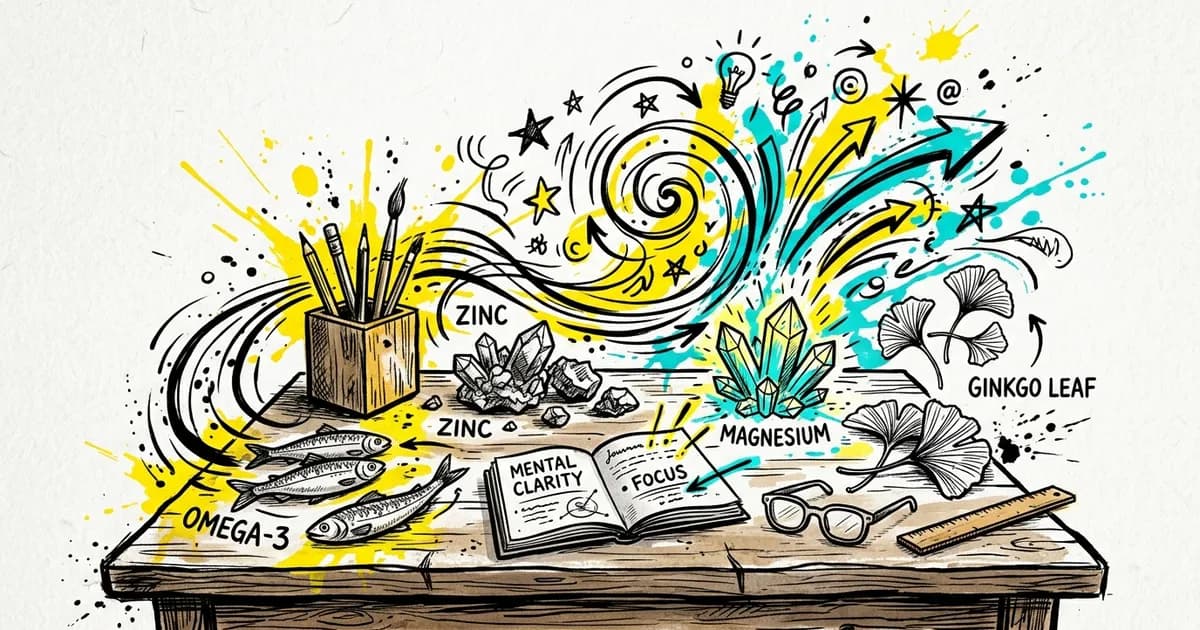
The short answer: omega-3 fatty acids have the strongest evidence among all natural ADHD supplements for kids, with multiple meta-analyses showing small but real improvements in attention, especially at higher EPA doses. Trials of magnesium, zinc, and iron report benefit mainly in children with a confirmed deficiency. L-theanine shows early promise for both attention and sleep quality. None of these replace behavioral therapy or medical treatment, and you should talk to your pediatrician before starting any supplement regimen.
That said, the supplement aisle is full of products marketed for children's focus that rely more on packaging than on published data. Separating the science from the marketing is the entire point of this article.
Key Takeaways
- Omega-3 fatty acids have the strongest evidence base among all natural ADHD supplements for kids, though the effect size is modest.
- Magnesium, zinc, and iron trials report the clearest results in children who are deficient in those minerals.
- L-theanine shows promising early results for improving attention and sleep quality in children with ADHD.
- No supplement replaces behavioral therapy or medical treatment. These are tools, not cures.
- Always consult your pediatrician before adding any supplement to your child's routine.
All Natural ADHD Supplements for Kids: Evidence at a Glance
Before we go deep on each one, here is how the most-studied natural supplements stack up against each other based on current clinical evidence.
| Supplement | Evidence Strength | Best For | Typical Dose Range (Children) | Time to Effect | Key Caveat |
|---|---|---|---|---|---|
| Omega-3 (high EPA) | Moderate (multiple meta-analyses) | Inattention, overall ADHD symptoms | 500-1,000 mg EPA/day | 8-12 weeks | Effect size is small; needs consistent use |
| Magnesium | Moderate (for deficient children) | Hyperactivity, sleep | 200-400 mg/day (form-dependent) | 4-8 weeks | Test levels first; benefit tied to deficiency |
| Zinc | Moderate (for deficient children) | Inattention, hyperactivity | 15-30 mg/day | 6-10 weeks | Test serum zinc first |
| Iron | Moderate (for deficient children) | Overall ADHD severity | Per pediatrician guidance | 8-12 weeks | Toxic in excess; requires medical supervision |
| L-Theanine | Preliminary (small RCTs) | Sleep quality, sustained attention | 100-400 mg/day | 1-4 weeks | Limited large-scale data in children |
| Vitamin D | Preliminary | General health; ADHD link unclear | Per pediatrician guidance | Varies | Lower levels observed, but causation unproven |
| Probiotics | Very early | Gut-brain connection | Strain-dependent | Unknown | Trials too small to draw conclusions |
Dose ranges are general references from published trials. Your pediatrician should determine the right dose for your child.
Why Parents Are Looking Beyond Medication
An estimated 7.1 million U.S. children aged 3 to 17 have received an ADHD diagnosis, roughly 11.4% of kids in that age range, according to data from the 2022 National Survey of Children's Health. An NCHS Data Brief from March 2024 confirmed the prevalence at 11.3% for children aged 5 to 17 during 2020-2022, with boys (14.5%) diagnosed at nearly double the rate of girls (8.0%).
Standard treatment for children six and older typically involves stimulant medication combined with behavioral therapy. These medications work. But they come with trade-offs that make many parents uncomfortable: reduced appetite, trouble sleeping, irritability, and the general unease of putting a developing brain on daily stimulants.
That discomfort is valid. The American Academy of Pediatrics recommends behavioral therapy as the first-line treatment for preschool-aged children (ages 4-5), with medication added for older kids when needed. But plenty of families want to explore non-stimulant options, either alongside existing treatment or as a starting point before committing to pharmaceuticals. That is exactly why interest in all natural ADHD supplements for kids has grown so quickly.
The supplement industry has noticed. Walk into any health food store and you will find dozens of products marketed for children's focus and attention. Most lean heavily on marketing and lightly on evidence.
So let's look at what the evidence actually says.
Omega-3 Fatty Acids: The Strongest Case Among All Natural ADHD Supplements for Kids
A meta-analysis published in the Journal of the American Academy of Child & Adolescent Psychiatry found that omega-3 supplementation produced a small but statistically significant improvement in ADHD symptoms. The key detail: the dose of EPA (eicosapentaenoic acid) within the supplement correlated directly with how well it worked. Higher EPA, better results.
A 2023 meta-analysis of randomized controlled trials published in the Journal of Clinical Psychiatry added nuance. Across all included studies, omega-3 PUFAs did not reach statistical significance for improving core ADHD symptoms overall. But subgroup analyses told a different story: studies with longer treatment durations showed more promising results, and dosage and composition mattered. This suggests omega-3s may need time to build up before you see changes, a detail that matters for parents evaluating all natural ADHD supplements for kids.
The National Center for Complementary and Integrative Health (NCCIH) notes that current evidence on omega-3s for ADHD is "inconclusive" but acknowledges the biological plausibility and ongoing research interest.
Do not expect dramatic overnight changes. The research points to gradual, modest improvements over 8 to 12 weeks of consistent use.
Magnesium: Fixing What Might Be Missing
Children with ADHD tend to have lower magnesium levels than their peers. A 2019 meta-analysis published in Psychiatry Research found that subjects with ADHD had measurably lower serum magnesium compared to healthy controls.
This matters because magnesium plays a direct role in neurotransmitter regulation, nervous system function, and sleep quality. All three are relevant to ADHD, which is why magnesium ranks high on lists of all natural ADHD supplements for kids.
A clinical trial involving 74 children with ADHD tested vitamin D and magnesium supplementation together. The combination improved behavioral outcomes compared to placebo. An earlier study found that magnesium supplementation reduced hyperactivity in children who had confirmed magnesium deficiency.
The pattern across these trials is consistent: the improvements showed up in children who were low in magnesium to begin with.
Ask your pediatrician to test your child's magnesium levels. A simple blood test removes the guesswork.
Zinc and Iron: The Deficiency Connection
Zinc and iron follow the same logic as magnesium. Deficiency is linked to more severe ADHD symptoms, and the trials showing benefit were run in children who were deficient. This principle applies to many natural supplements for ADHD kids, but it is especially true for minerals.
A systematic review published in Nutrients examined nine randomized clinical trials on iron and zinc supplementation in children and adolescents with ADHD. The review found evidence supporting the contribution of iron and zinc supplementation to ADHD treatment, particularly in young people with confirmed deficiencies. The included trials used supplementation periods of 6 to 10 weeks, with measurable improvements in ADHD severity scores.
A separate systematic review in the International Journal of Preventive Medicine looked at 11 clinical trials across magnesium, iron, and zinc. The conclusion: supplementation showed benefits, but the strongest effects appeared in children whose baseline levels were low.
Here is the practical takeaway. Before buying a zinc or iron supplement, get bloodwork done. Ferritin levels (stored iron) and serum zinc are straightforward tests. Testing first is the smartest step any parent can take before choosing all natural ADHD supplements for kids.
Iron supplementation in particular requires medical supervision. Too much iron is toxic, and the therapeutic window is narrower than most parents realize. Never dose iron without your pediatrician's guidance.
L-Theanine: The Quiet Contender Among Natural Supplements for ADHD Kids
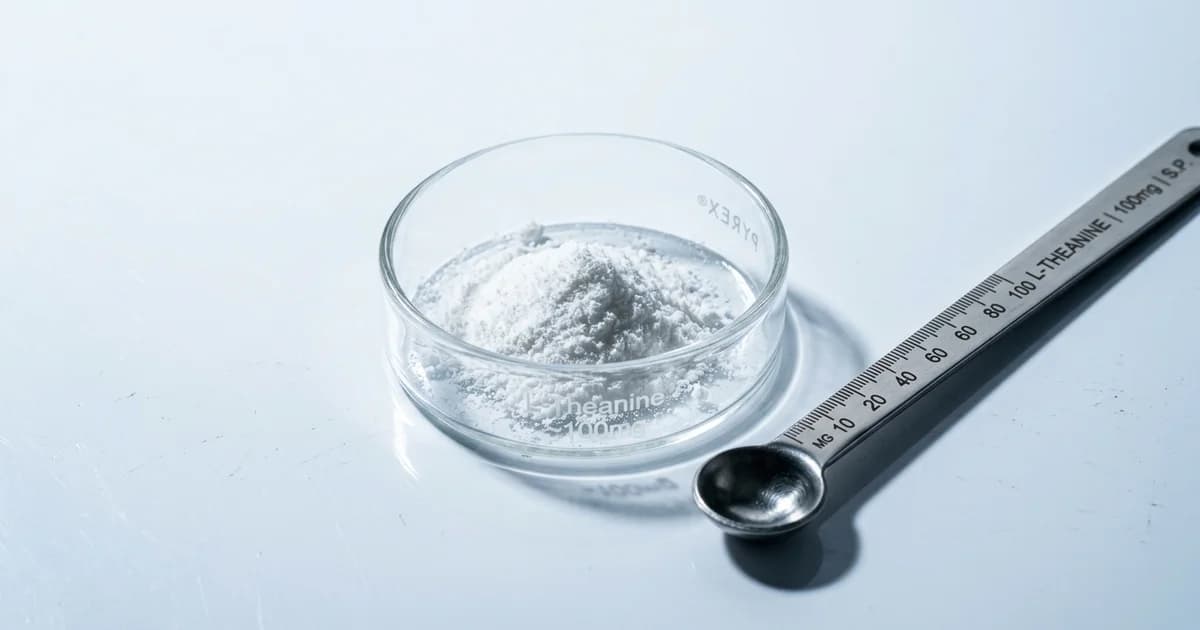
L-theanine is an amino acid found naturally in green tea. It promotes alpha brain wave activity, the same pattern associated with calm, focused attention.
Research on L-theanine specifically in children with ADHD is still limited, but what exists is encouraging. A 2020 proof-of-concept neuroimaging RCT published in Scientific Reports examined the acute effects of L-theanine (2.5 mg/kg), caffeine (2.0 mg/kg), and their combination on sustained attention and inhibitory control in boys with ADHD. Both L-theanine alone and the combination improved sustained attention and overall cognitive performance. The combination also decreased impulsivity. The researchers found that the mechanism involved reducing default mode network (DMN) reactivity during tasks requiring focused attention.
A randomized, double-blind, placebo-controlled trial tested L-theanine in boys aged 8 to 12 with ADHD. The results showed that L-theanine improved sleep quality: higher sleep percentage, better sleep efficiency, and less nighttime wakefulness. Since poor sleep worsens every ADHD symptom, this indirect benefit matters more than it might seem at first glance.
L-theanine has a strong safety profile and does not cause drowsiness during the day. Among all natural ADHD supplements for kids, it is one that deserves more large-scale research. Talk to your pediatrician about whether L-theanine is appropriate for your child's specific situation.
What About Vitamin D, Probiotics, and Herbal Remedies?
Vitamin D: A 2023 meta-analysis combining 13 studies and 10,344 participants found that children with ADHD had "modest but significant" lower serum concentrations of 25-hydroxyvitamin D compared to those without ADHD. But lower levels do not automatically mean supplementation fixes symptoms. The evidence is preliminary, and it does not show a direct effect on focus. Your pediatrician can test your child's levels.
Probiotics: The gut-brain axis is a real biological pathway, and there is growing interest in how gut health affects attention and behavior. But the clinical trials in ADHD specifically are too small and inconsistent to draw firm conclusions. This is a "watch this space" category for anyone researching ADHD natural supplements for kids.
Herbal remedies (Ginkgo biloba, pine bark extract, etc.): Some small studies show marginal effects. The evidence base is thin, and quality control in herbal supplements is notoriously inconsistent. Proceed with caution and skepticism, and always discuss herbal products with your pediatrician before giving them to your child.
All Natural ADHD Supplements for Kids: Testing Comes First
Two things sit underneath everything above:
- Testing. Bloodwork for ferritin, zinc, magnesium, and vitamin D tells you whether the deficiency research applies to your child at all. Your pediatrician can order it.
- Your pediatrician. Supplements interact with medications. Dosing matters. A professional who knows your child's full picture is worth more than any blog post, including this one.
A critical reminder: no all natural ADHD supplements for kids replace evidence-based behavioral interventions. Parent training, cognitive behavioral therapy, school accommodations, consistent sleep schedules, regular exercise, and structured routines are the foundation.
A Smarter Approach to All Natural ADHD Supplements for Kids
The search for all natural ADHD supplements for kids reflects something good: parents who care enough to explore every option. The science supports that instinct, at least partially. Omega-3s, targeted mineral supplementation, and L-theanine all have legitimate data behind them, much like the evidence-backed study supplements that older students and adults rely on. They are not miracle solutions, and the effects reported in the trials are modest.
The most important step you can take is also the simplest: talk to your pediatrician, get the bloodwork, and make decisions based on your child's actual biology rather than marketing claims.
Frequently Asked Questions
Are natural ADHD supplements safe for kids?
Most well-studied supplements like omega-3 fatty acids, magnesium, and L-theanine have strong safety profiles in children at appropriate doses. That said, "natural" does not automatically mean "safe." Iron is toxic in excess. Herbal products can interact with medications. Always consult your pediatrician before starting any supplement, and choose products that are third-party tested by organizations like NSF or USP.
Can supplements replace ADHD medication for my child?
No. The current evidence does not support using supplements as a standalone replacement for prescribed ADHD medication or behavioral therapy. The American Academy of Pediatrics recommends behavioral therapy as first-line treatment for younger children and medication plus therapy for older children. Supplements may complement these approaches, but they should not replace them without your doctor's guidance.
How long do ADHD supplements take to work in children?
It depends on the supplement. Omega-3 fatty acids typically require 8 to 12 weeks of consistent use before improvements become noticeable. Mineral supplementation (zinc, iron, magnesium) in deficient children may show effects within 6 to 10 weeks. L-theanine can affect sleep quality within 1 to 4 weeks. Patience and consistent tracking are essential.
What is the best omega-3 dose for a child with ADHD?
Research suggests that higher EPA doses correlate with better outcomes. Most clinical trials used omega-3 formulations providing 500 to 1,000 mg of EPA per day. Your pediatrician can advise on what is appropriate for your child's age and weight.
Should I test my child's nutrient levels before starting supplements?
Yes. This is one of the most important steps you can take. The strongest evidence for mineral supplementation (magnesium, zinc, iron) applies specifically to children who are deficient. A simple blood panel measuring ferritin, serum zinc, magnesium, and 25-hydroxyvitamin D gives you a clear picture. Supplementing without testing is guesswork, and in the case of iron, it can be dangerous.
Is L-theanine safe for children with ADHD?
L-theanine has a well-established safety profile and is generally recognized as safe. A randomized controlled trial in boys aged 8 to 12 with ADHD found no adverse effects at the studied doses. It does not cause daytime drowsiness. Still, discuss it with your pediatrician before adding it to your child's routine, especially if your child takes other medications.
Do probiotics help with ADHD symptoms in kids?
The evidence is too early to say definitively. While the gut-brain axis is a legitimate area of research, clinical trials on probiotics for ADHD in children are small, use different strains, and show inconsistent results. This is a developing area of science. Do not rely on probiotics as a primary intervention for ADHD at this time.
Can diet changes help ADHD symptoms alongside supplements?
Diet can play a supporting role. Some research suggests that elimination diets (removing artificial colors, preservatives, and common allergens) may reduce symptoms in a subset of children. A balanced diet rich in omega-3s, whole grains, lean protein, and vegetables provides the nutritional foundation that supplements are meant to fill gaps in. Talk to your pediatrician or a registered dietitian about dietary strategies specific to your child.
Written by Roon Team