Why Does Pre-Workout Make You Itch? The Science Behind the Tingles

Why Does Pre-Workout Make You Itch? The Science Behind the Tingles
Your face is tingling, your scalp is crawling, and your arms feel like they are covered in invisible ants. You just took a scoop of pre-workout for the first time and you are mid-panic, wondering why it makes you itch so badly. Relax: you are not having an allergic reaction. That sensation is called paresthesia, and it is caused by one ingredient: beta-alanine. It is not dangerous, not an allergy, and not a sign that something is wrong with the product. It typically peaks around 15 minutes after you drink it and fades within about an hour.
Here is what is actually happening, why some days feel worse than others, and how to stop it if you want to.
Key Takeaways
- The pre-workout itch is called paresthesia, triggered specifically by beta-alanine binding to nerve receptors in your skin.
- It is not an allergic reaction and does not involve histamine, hives, or swelling.
- The sensation peaks roughly 15 minutes post-dose and typically fades within 60 to 90 minutes.
- You can reduce it by splitting doses, choosing a sustained-release formula, or switching to a pre-workout that contains no beta-alanine at all.
What Is Actually Happening in Your Body
Beta-alanine is a non-essential amino acid added to pre-workouts because, over weeks of daily use, it raises muscle carnosine levels and buffers acid during high-intensity exercise. That part works well. The itch is a side effect of how the compound behaves on its way to your muscles.
When you drink a pre-workout containing beta-alanine, blood levels rise fast. As that spike reaches your skin, beta-alanine binds to a receptor called MrgprD (Mas-related G protein-coupled receptor D), which sits on a specific subpopulation of sensory neurons that exclusively innervate the skin. A 2012 study in the Journal of Neuroscience (Liu et al.) showed that in humans, intradermal beta-alanine produced itch but neither wheal nor flare, confirming the itch is entirely histamine-independent.
That distinction matters. Histamine-driven reactions produce hives, swelling, and redness. Beta-alanine paresthesia produces none of those. The neurons that respond to beta-alanine do not even respond to histamine. They are a separate wiring system in your skin, and beta-alanine happens to flip the switch.
| Pre-Workout | Beta-Alanine per Serving | Paresthesia Likelihood |
|---|---|---|
| Transparent Labs BULK | 4,000 mg | High |
| Ghost Legend | 3,200 mg | High |
| Cellucor C4 Original | 1,600–2,000 mg (varies by formulation) | Low to Moderate |
| Alani Nu Pre-Workout | 1,600 mg | Low to Moderate |
| Roon (caffeine + L-theanine pouch) | 0 mg | None |
The threshold for noticeable paresthesia is roughly 800 mg in a single dose, per Décombaz et al. (2012). Every product in the table above exceeds that by a wide margin.
How Long Does the Pre-Workout Itch Last?
In most people, the pre-workout tingles follow a predictable arc. Décombaz et al. found that with a standard (non-sustained-release) beta-alanine dose of 1,600 mg, paresthesia hit Tmax at about 15 minutes and its time course closely tracked plasma concentrations. The Gatorade Sports Science Institute's review describes the window as roughly 60 to 120 minutes of mild pins and needles at doses above 800 mg.
So the short answer: expect the sensation to peak within 15 to 20 minutes and largely fade within an hour. Higher doses (3,200 to 4,000 mg in a single scoop) can stretch that closer to 90 minutes.
The intensity tracks blood concentration, not some cumulative buildup. Once your body clears the plasma beta-alanine, the itch stops. It does not linger.
Is the Pre-Workout Itch Dangerous?
No. The ISSN's 2015 position stand on beta-alanine (Trexler et al.) reviewed the full body of evidence and concluded that beta-alanine "currently appears to be safe in healthy populations at recommended doses." Paresthesia was the only reported side effect. No organ toxicity, no cardiovascular concerns, no lasting nerve effects.
That said, "safe" and "pleasant" are different words. The sensation is genuinely uncomfortable for many people, especially at higher doses on an empty stomach. It just is not harmful.
Why Some Days Feel Worse Than Others
Three variables drive day-to-day intensity:
- Total dose per serving. A scoop of Transparent Labs BULK delivers 4,000 mg of beta-alanine. A scoop of Alani Nu delivers 1,600 mg. The first will tingle harder. Simple math.
- Stomach contents. Taking beta-alanine on an empty stomach means faster absorption, a sharper plasma spike, and stronger paresthesia. Food slows gastric emptying and flattens the curve.
- Individual sensitivity. MrgprD receptor density and nerve-fiber responsiveness vary from person to person. Some people barely notice 3,200 mg. Others get pre-workout skin crawling from 1,600 mg. Neither response is abnormal.
If you took the same product on the same empty stomach and felt almost nothing yesterday but a lot today, hydration status and how recently you ate are the most likely explanations.
How to Reduce or Stop the Pre-Workout Tingles
The ISSN position stand offers two evidence-based approaches:
- Split the dose. Dividing beta-alanine into smaller servings of about 1,600 mg at a time reduces peak plasma concentration and dulls the itch. If your pre-workout has 3,200 mg per scoop, try a half scoop 30 minutes before your workout and the other half during warm-up.
- Use a sustained-release formulation. Sustained-release beta-alanine tablets (like SR CarnoSyn) deliver the same total dose but slow absorption, lowering peak plasma levels and reducing paresthesia intensity. Décombaz et al. found that sustained-release tablets substantially reduced peak plasma beta-alanine at the same 1,600 mg dose.
Or there is a third option: choose a product that simply does not contain beta-alanine. If you are training for focus and energy rather than acid-buffering endurance in 1-to-4-minute efforts, you may not need beta-alanine in your pre-workout at all. Caffeine, L-theanine, and other focus-oriented ingredients do not activate MrgprD and will not cause this sensation.
What the Pre-Workout Itch Is Not
A few common misconceptions worth clearing up:
- It is not caused by caffeine. Caffeine can raise heart rate, cause jitters, or make your hands shake. It does not cause the pins-and-needles tingling on your face and arms. That is beta-alanine, full stop.
- It is not an allergic reaction. True allergic responses involve histamine release, which produces hives (raised welts), swelling, and a wheal-and-flare pattern. Beta-alanine paresthesia produces none of these. The mechanism is histamine-independent.
- It is not a sign the product is "working." Some gym lore equates the tingle with effectiveness. The itch just means beta-alanine hit your bloodstream. It tells you nothing about whether the product will improve your workout.
- It is not a sign the product is expired or contaminated. A fresh tub and a year-old tub with the same beta-alanine dose will produce the same itch.
When You Should Actually Worry
If your reaction includes any of the following, it is not standard beta-alanine paresthesia:
- Hives or raised welts (wheal-and-flare response)
- Swelling of the lips, tongue, throat, or face
- Difficulty breathing
- Tingling that does not fade after two hours
These symptoms could indicate a true allergic reaction to another ingredient in the product (artificial dyes, flavoring agents, or other compounds). Stop using the product and talk to a doctor. Standard beta-alanine paresthesia is predictable, time-limited, and does not involve swelling or hives. If yours looks different, treat it differently.
The Pre-Workout Itch, Decoded
Beta-alanine paresthesia is one of the most common complaints in the supplement world, and one of the least dangerous. It has a clear mechanism (MrgprD activation), a clear timeline (peaks in about 15 minutes, gone in about an hour), and clear fixes (lower the dose, slow the release, or remove the ingredient). Whether you tolerate it, manage it, or avoid it entirely comes down to what you actually need from your pre-workout stack.
Frequently Asked Questions
Why does pre-workout make you itch?
The itch is caused by beta-alanine, a common pre-workout ingredient. When blood levels of beta-alanine rise, the compound binds to MrgprD receptors on sensory neurons in your skin, triggering a tingling or crawling sensation called paresthesia. It is not an allergic reaction and does not involve histamine.
How long does the pre-workout itch last?
For most people, the sensation peaks around 15 minutes after ingestion and fades within 60 to 90 minutes. Higher doses (above 3,000 mg) can extend the duration slightly. The timeline tracks your blood beta-alanine concentration: once plasma levels drop, the itch stops.
Is the pre-workout itch normal?
Yes. The ISSN's position stand on beta-alanine identifies paresthesia as the only reported side effect of beta-alanine supplementation at recommended doses. It is expected, especially at single doses above 800 mg, and is not a sign of an adverse reaction.
Can you build a tolerance to the beta-alanine itch?
Some users report that paresthesia feels less intense over weeks of consistent use. However, the primary driver of intensity is peak plasma concentration, not adaptation. If you take the same dose on an empty stomach, you will likely feel it every time.
Does caffeine cause the pre-workout itch?
No. Caffeine can produce jitters, elevated heart rate, and anxiety at high doses, but it does not activate MrgprD receptors and does not cause the characteristic tingling or skin-crawling sensation. That is beta-alanine only.
How do you stop the pre-workout itch?
Three options: split your beta-alanine into smaller doses of about 1,600 mg at a time, switch to a sustained-release beta-alanine formula, or use a beta-alanine-free pre-workout option that relies on caffeine and other non-paresthesia-causing ingredients.
Should I take an antihistamine for pre-workout itch?
Antihistamines are unlikely to help because beta-alanine paresthesia is histamine-independent. The itch pathway runs through MrgprD receptors, not histamine receptors. An antihistamine will not block it.
Is beta-alanine safe?
The ISSN's 2015 position stand concluded that beta-alanine appears safe in healthy populations at recommended doses (4 to 6 grams per day). Paresthesia is the only documented side effect. As with any supplement, talk to your doctor if you have a medical condition or take medication.
Focus Without the Skin Crawl
If you read this far, you probably fall into one of two camps: you want to keep beta-alanine and manage the itch, or you want to skip the ingredient entirely and still get something useful before training.
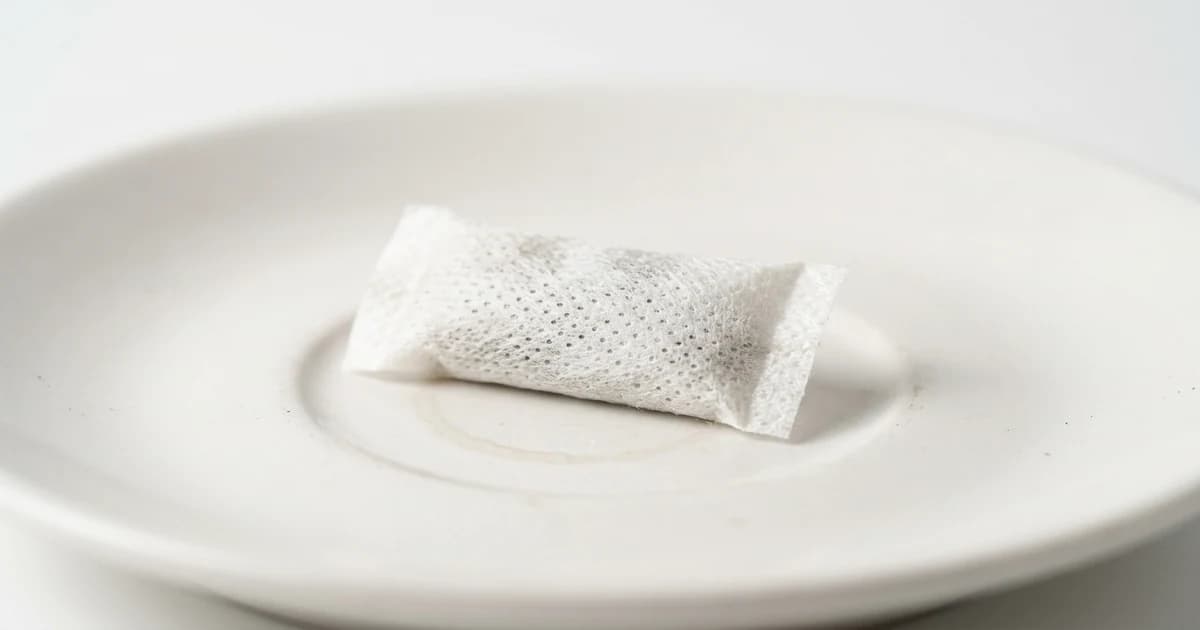
Roon is built for the second camp. It is a zero-nicotine oral pouch with 80 mg caffeine, 60 mg L-theanine, 25 mg methylliberine (Dynamine), and 5 mg theacrine (TeaCrine). No beta-alanine. No pump blend. No shaker bottle. The MrgprD pathway does not get activated because the ingredient that activates it is not in the formula.
What Roon is not: a muscle-carnosine loader. If you need beta-alanine's acid-buffering benefits for repeated sprint efforts or high-rep endurance sets, Roon does not replace that. It is a focus and energy product, not a performance-nutrition stack. But if avoiding the tingles entirely is the goal and you still want a pouch with no beta-alanine that delivers energy for 6 to 8 hours, Roon is worth a look. Tins start from $9.16 on a 12-tin subscription, or $15.00 per tin for a one-time 4-tin order.
Related from Roon
- What does pre-workout do?
- Pre-workout without beta-alanine: how to lose the itchy tingles and keep the drive
- Beta-alanine brain benefits and carnosine
- Best caffeine pouches for the gym
Written by Roon Team