What Does Pre-Workout Actually Do? Ingredient by Ingredient
What Does Pre-Workout Actually Do? Ingredient by Ingredient
Pre-workout is a powdered or ready-to-drink blend of a stimulant (almost always caffeine), performance-extending compounds, and "pump" ingredients, taken 20 to 60 minutes before training. The goal is more energy, less fatigue, and better output. But most of the label is noise. Only a handful of ingredients in a typical tub have strong evidence, and several are chronically under-dosed.
Key Takeaways
- Caffeine is the most proven acute performance ingredient, effective at 3 to 6 mg/kg body mass for strength, power, and endurance (ISSN position stand).
- Beta-alanine and creatine work, but they require weeks of daily loading, not a single scoop.
- Citrulline malate (the "pump" ingredient) has weaker and more mixed evidence than most brands suggest.
- Proprietary blends hide individual doses, making it impossible to know if you are getting a clinical amount of anything.
What Does Pre-Workout Do to Your Body?
Pre-workout affects multiple systems at once. The ingredients split into functional buckets: central nervous system stimulation (energy and focus), intracellular buffering (fatigue delay), vasodilation (blood flow and pump), and phosphocreatine replenishment (power output). Most products combine all four, but the evidence behind each ingredient varies wildly.
A 2018 JISSN review of multi-ingredient pre-workout supplements found that these blends can improve acute performance and short-term training adaptations. The catch: safety data comes mostly from studies under eight weeks, so long-term evidence is thin.
Pre-Workout Ingredients Explained: The Evidence Table
| Ingredient | What It Does | Typical Studied Dose | Evidence Strength | Key Source |
|---|---|---|---|---|
| Caffeine | Blocks adenosine receptors; increases alertness, reaction time, muscular output | 3-6 mg/kg body mass | Strong (ISSN position stand) | Guest et al. 2021 |
| Beta-alanine | Raises muscle carnosine; buffers acid buildup in 1-4 min high-intensity work | 4-6 g/day for 2-4+ weeks | Strong (ISSN position stand) | Trexler et al. 2015 |
| Creatine monohydrate | Replenishes phosphocreatine for repeated high-intensity efforts; builds lean mass over time | 3-5 g/day maintenance | Strong (ISSN position stand) | Kreider et al. 2017 |
| Citrulline malate | Nitric oxide precursor; promotes vasodilation ("pump") | 6-8 g | Mixed (no ISSN stand; critical review calls evidence "ambiguous") | Vårvik et al. 2021 |
| L-tyrosine | Dopamine/norepinephrine precursor; may support focus under stress | 500-2,000 mg | Moderate (limited exercise-specific data) | Various |
| BCAAs | Branched-chain amino acids; largely redundant if protein intake is adequate | 5-10 g | Weak for trained lifters eating enough protein | Various |
| Taurine | Cell volumizer; antioxidant | 1-3 g | Weak to moderate | Various |
Caffeine: The One Ingredient That Reliably Works
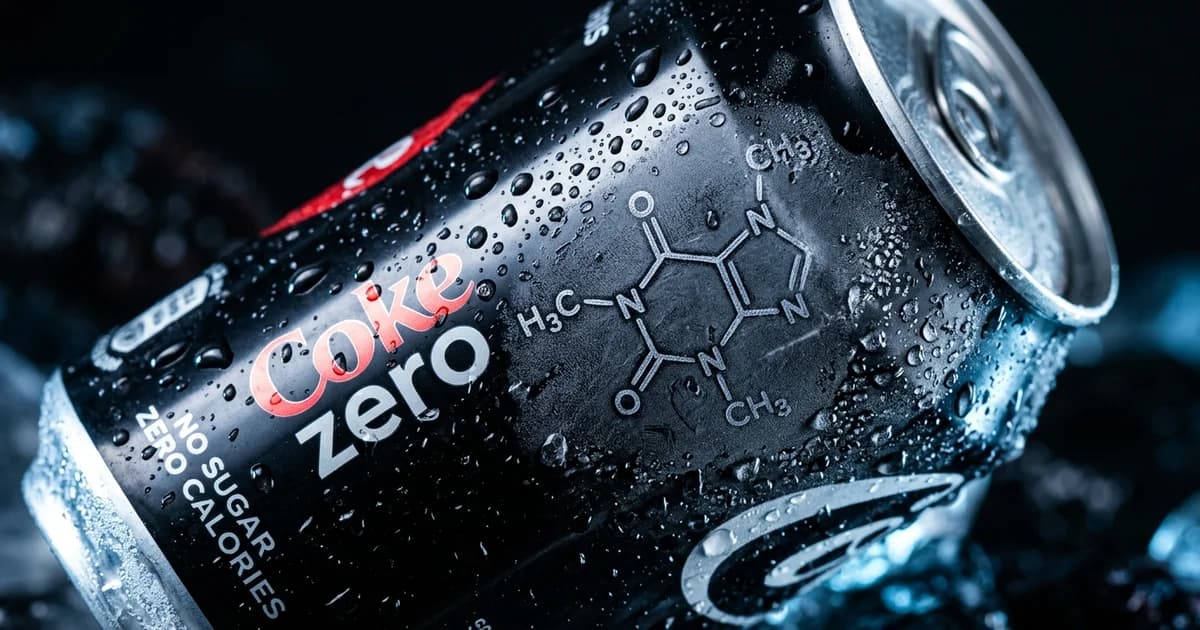
Caffeine is an adenosine receptor antagonist. Adenosine accumulates during wakefulness and promotes drowsiness; caffeine blocks it. But the performance effects go beyond alertness.
The ISSN position stand concluded that caffeine at 3 to 6 mg/kg acutely enhances muscular endurance, movement velocity and strength, sprinting, jumping, throwing, and both aerobic and anaerobic performance. Aerobic endurance shows the most consistent benefit.
For a 75 kg (165 lb) person, the effective range is 225 to 450 mg. Most pre-workouts land in the middle: C4 Original has 200 mg, Transparent Labs BULK has 200 mg, and ON Gold Standard sits at 175 mg.
The downside is tolerance. Chronic users need more to feel the same effect, which is why some pre-workouts push 300+ mg per scoop.
Beta-Alanine: The Tingle That Actually Does Something
That skin-prickling itch about 15 minutes after sipping pre-workout? Paresthesia. Harmless. Not a sign the product is "working." Just beta-alanine hitting sensory neurons.
The real mechanism takes weeks. Beta-alanine combines with histidine in muscle cells to form carnosine, which buffers hydrogen ions during hard efforts. More carnosine, more resistance to the pH crash that causes deep-set muscular fatigue.
The ISSN position stand on beta-alanine: 4 to 6 g/day for at least 2 to 4 weeks improves performance in high-intensity efforts lasting 1 to 4 minutes. Think 400m sprints, rowing intervals, high-rep sets to failure.
The dosing problem: Transparent Labs BULK delivers 4 g per serving, meeting the threshold. Many popular pre-workouts contain well below the researched dose. For a deeper look, see beta-alanine's carnosine mechanism.
Citrulline Malate: The "Pump" Ingredient With a Weaker Resume
Citrulline converts to arginine, which drives nitric oxide production. More NO means wider blood vessels and that tight, full feeling lifters call "the pump." Sounds straightforward. The evidence is less tidy.
A 2021 critical review concluded the evidence for citrulline malate's exercise performance benefits remains "ambiguous," citing inconsistent protocols, variable dosing, and quality-control issues with manufacturers' citrulline-to-malate ratios. There is no dedicated ISSN position stand on citrulline. Some individual studies show modest benefits for high-rep resistance training, but the totality does not support the confident claims on most labels. For more on pump ingredients vs focus ingredients, that comparison breaks it down.
Creatine in Pre-Workout: Probably Not Enough
The ISSN position stand calls creatine monohydrate "the most effective ergogenic nutritional supplement currently available" for high-intensity capacity and lean mass. Hard to argue with that resume.
But creatine saturates muscle stores over time, not per session. The ISSN recommends 3 to 5 g/day, taken daily. A typical pre-workout scoop contains 1 to 3 g, and if it is buried in a proprietary blend, you may not know the exact amount. Take creatine separately at the full dose, every day, regardless of whether you train. It does not need workout timing. For more, see where creatine actually fits.
The Proprietary Blend Problem
A proprietary blend lists ingredients under an umbrella name ("Energy Matrix," "Pump Complex") with only the total combined weight disclosed. Individual doses stay hidden. This is legal under FDA labeling rules.
If a label says "Pump Matrix 5,000 mg" and lists six ingredients, the first one could be 4,900 mg of the cheapest filler and 20 mg of everything else. You have no way to verify a single ingredient hits its researched dose. Before buying any pre-workout, check whether every ingredient amount is listed individually. If not, you are paying for a guess.
Do You Actually Need Pre-Workout?
Caffeine alone, dosed correctly, delivers most of the acute performance benefit you feel during training. The ISSN caffeine position stand makes that case. The energy, the alertness, the strength and endurance bump: primarily caffeine.
Beta-alanine and creatine are genuinely useful but work through daily accumulation. You can take both with breakfast. Citrulline may help with pump, but the evidence base is softer than brands imply. Everything else, BCAAs, taurine, "focus matrix" pixie dust, is either redundant with adequate protein or dosed too low to matter.
A smart caffeine source plus consistent creatine and beta-alanine covers the evidence-backed bases. A pre-workout is not mandatory.
The Real Pre-Workout Checklist
Pre-workout supplements are ingredient delivery systems, and their value depends entirely on what is inside and how much. Caffeine works acutely with the deepest evidence base. Beta-alanine and creatine work over weeks at full doses, which most pre-workouts under-deliver. Citrulline is promising but unresolved. Proprietary blends make the whole equation harder to evaluate.
If you know what to look for, a fully dosed product can save time. If you do not, you are likely overpaying for caffeine with extra steps.
Frequently Asked Questions
Is pre-workout just caffeine?
Not technically, but caffeine drives most of the immediate effects. The ISSN confirmed caffeine's benefits across strength, power, and endurance at 3 to 6 mg/kg. Other ingredients either require chronic dosing (creatine, beta-alanine) or have weaker evidence (citrulline).
How much caffeine is in a typical pre-workout?
Most single-scoop servings contain 150 to 300 mg. C4 Original and Transparent Labs BULK have 200 mg each, and ON Gold Standard has 175 mg. Higher-stim products can reach 350 to 400 mg.
What is the tingling feeling from pre-workout?
Paresthesia, caused by beta-alanine. Harmless activation of sensory neurons, typically felt in the face, hands, and arms. Not an indicator of quality or effectiveness. The real benefit of beta-alanine requires weeks of supplementation at 4 to 6 g/day.
Do you need pre-workout to build muscle?
No. Muscle growth depends on progressive training, adequate protein (roughly 1.6 to 2.2 g/kg/day), sufficient calories, and sleep. Pre-workout can support training quality, but caffeine from any source, coffee included, provides the primary acute benefit.
What does a proprietary blend mean?
It lists multiple ingredients under one name with only total combined weight shown. Individual doses are hidden, making it impossible to verify research-backed amounts. Transparent labeling is the better standard.
When should you take pre-workout?
30 to 60 minutes before exercise for peak caffeine plasma levels. If your pre-workout contains a caffeine plus theanine stack, the same window applies. Stop at least 8 hours before bed.
Focus and Duration Without the Kitchen Sink
Most of the acute benefit from pre-workout comes down to caffeine, dosed right and timed well. The rest of the tub is either useful only with weeks of daily loading or backed by evidence more ambiguous than the label implies. That leaves a specific gap: you want sustained focus and energy, but you do not need the pump blend, the tingle, or the 15-ingredient formula.
Roon targets that gap. It is a zero-nicotine oral pouch built on a caffeine + L-theanine + methylliberine (Dynamine) + theacrine (TeaCrine) stack. Full ingredient amounts are on the product page. No beta-alanine, no citrulline, no creatine. It is not a full pre-workout replacement and does not pretend to be. If you need a pump blend or are loading carnosine, handle those separately.
The sustained-focus piece works through methylliberine slowing caffeine's clearance. A randomized, double-blind crossover PK study (n=12) found co-administration of methylliberine with caffeine cut oral clearance from 41.9 to 17.1 L/hr and extended half-life from 7.2 to 15 hours, with no increase in peak concentration. Important caveat: that study used 100 mg methylliberine plus 150 mg caffeine, roughly 4x the methylliberine and 1.9x the caffeine in a Roon pouch. The mechanism is directionally the same at lower doses (same peak, longer tail), but the exact magnitudes have not been studied at Roon's ratio. The felt window is 6 to 8 hours. The trade-off: stop at least 8 hours before bed. Tins start from $9.16 on a 12-tin subscription, as little as $0.61 per pouch. If your training problem is focus and energy rather than pump or buffering, try Roon.
Written by Roon Team