TUDCA: What It Actually Does, Who Needs It, and the Best Supplements Worth Buying
Roon Team
TUDCA: What It Actually Does, Who Needs It, and the Best Supplements Worth Buying
Short answer: TUDCA (tauroursodeoxycholic acid) is a water-soluble bile acid that acts as a chemical chaperone, helping cells fold proteins correctly and easing endoplasmic reticulum stress, the mechanism behind its use for liver support, bile flow, and metabolic health (PMC). Most supplements dose it at 250mg to 500mg daily, with clinical protocols running higher under medical supervision. It fits people managing liver enzymes, fatty liver, post-gallbladder digestion, or insulin sensitivity, and it is not a focus or energy product. If you are managing a diagnosed liver condition, work with a clinician before starting.
Roughly one in three adults worldwide has nonalcoholic fatty liver disease, and most of them don't know it. That statistic, pulled from a meta-analysis in PMC, helps explain why TUDCA has gone from an obscure bile acid to one of the most talked-about liver supplements of the past two years.
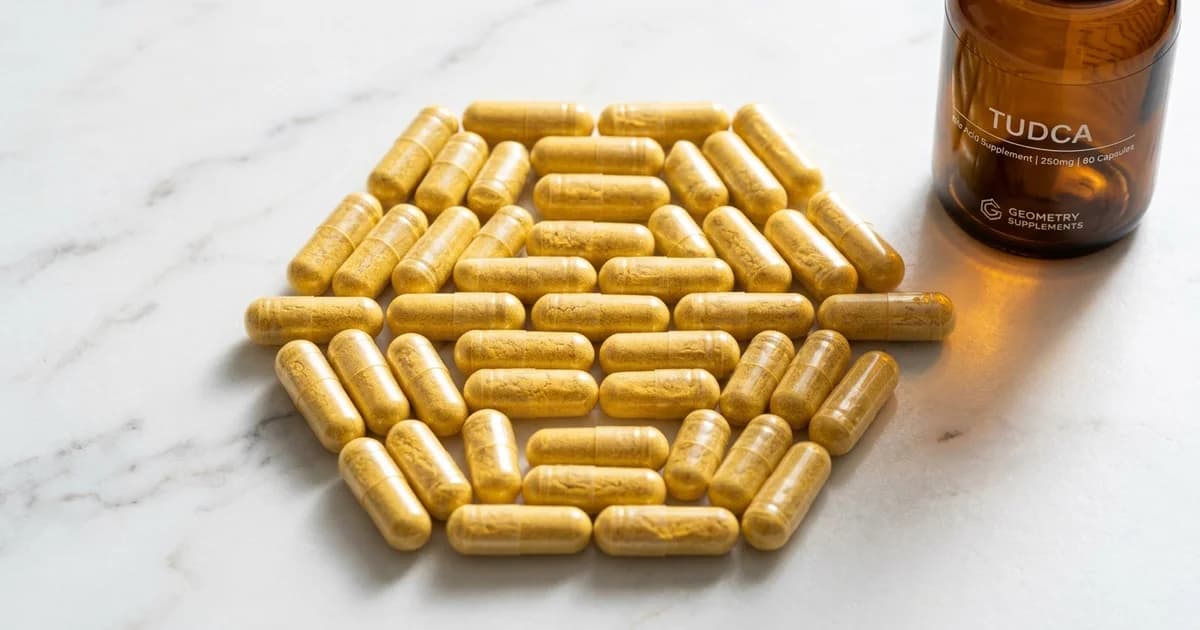
TUDCA (tauroursodeoxycholic acid) is a water-soluble bile acid your body produces in tiny amounts, and its tauro- prefix reflects taurine's role in bile acids and broader physiological function. It was used in traditional Chinese medicine for centuries, originally sourced from bear bile. Today, it's synthesized in labs and sold in capsule form. The science behind it is real, but the supplement market around it is noisy. This guide cuts through that noise.
Key Takeaways
- TUDCA is a bile acid that supports liver cell protection, bile flow, and fat digestion.
- Clinical research shows it can improve liver function markers and boost insulin sensitivity by roughly 30% in liver and muscle tissue.
- Standard dosing ranges from 250mg to 500mg daily, with some protocols going up to 1,500mg under medical supervision.
- Side effects are minimal, but you should never take TUDCA before or immediately after drinking alcohol.
- Not all TUDCA supplements are equal. Brand, dose per capsule, and third-party testing matter.
What TUDCA Actually Does in Your Body
Your liver produces bile to break down dietary fats. TUDCA is a conjugated form of ursodeoxycholic acid (UDCA), and it plays a specific role: it protects cells from a process called endoplasmic reticulum (ER) stress.
ER stress happens when misfolded proteins accumulate inside cells. Left unchecked, it triggers apoptosis, which is just a clinical way of saying the cell kills itself. TUDCA acts as a chemical chaperone, helping proteins fold correctly and reducing that stress signal.
This mechanism is why TUDCA's benefits extend beyond the liver. The same ER stress pathway is involved in metabolic dysfunction, neurodegeneration, and insulin resistance.
TUDCA Benefits: What the Research Supports
Liver Protection and Repair
This is the headline use case. Randomized controlled trials have shown that TUDCA treatment improves liver function in patients with liver cirrhosis, chronic hepatitis, and cholestasis (a condition where bile flow is blocked or reduced).
A 2025 study published in PMC found that TUDCA promoted liver cell proliferation and reduced fibrosis in animal models through GATA3 activation. While animal research doesn't always translate directly to humans, the mechanism aligns with what clinicians have observed in human trials.
For people dealing with fatty liver or elevated liver enzymes, TUDCA's ability to improve bile flow and reduce hepatocellular stress is the primary draw.
Insulin Sensitivity
A study published in PubMed found that TUDCA increased hepatic and muscle insulin sensitivity by approximately 30% in obese subjects compared to placebo. The effect was attributed to TUDCA's role in reducing ER stress, which is a known driver of insulin resistance.
Separate research from the American Heart Association showed that TUDCA restored insulin-induced eNOS activation in endothelial cells from patients with type 2 diabetes, suggesting it may help protect vascular function in metabolically compromised individuals.
Bile Flow and Digestion
If you've had your gallbladder removed, or if you struggle to digest fatty foods, TUDCA directly addresses the problem. It's a bile salt. It improves the emulsification and absorption of dietary fats and fat-soluble vitamins (A, D, E, K).
According to BodyBio, TUDCA has been used in Chinese medicine for thousands of years as a digestive aid, and modern supplementation makes it accessible without the, well, bear bile.
Neuroprotection (Early but Promising)
TUDCA is being studied in clinical trials for ALS (amyotrophic lateral sclerosis). The MND Association tracked a completed clinical trial evaluating TUDCA's neuroprotective potential, with data analysis underway. A retrospective cohort study in PMC found that ALS patients treated with TUDCA at doses of 1,000mg or higher had longer median survival (49.6 months) compared to controls (36.2 months).
The brain health angle is early-stage, but the ER stress mechanism is consistent across tissues. This is a space to watch.
TUDCA Dosage: How Much to Take
Dosing depends on your goal:
| Goal | Daily Dose | Notes |
|---|---|---|
| General liver support | 250–500mg | Most common supplemental range |
| Fatty liver / elevated enzymes | 500–1,000mg | Often split into two doses |
| Therapeutic / clinical protocols | 1,000–1,500mg | Under medical supervision only |
| Post-gallbladder removal | 250–500mg | Taken with meals containing fat |
Double Wood Supplements recommends 500mg per day on an empty stomach. BodyBio notes that 1,750mg is the tolerable upper limit for most people and can be used as a therapeutic dose for up to one month.
Start low. 250mg daily for two weeks is a reasonable baseline before increasing.
TUDCA Side Effects and Safety
TUDCA has a clean safety profile. According to NutraBio, 500mg of TUDCA daily for one year was not associated with any negative side effects in clinical research.
Some people report mild bloating, diarrhea, or nausea, particularly at higher doses. These effects tend to resolve within a few days.
One critical warning: Do not take TUDCA before drinking alcohol or within 24 hours of heavy alcohol consumption. As noted by TopSupplements, doing so may actually harm your liver rather than help it. TUDCA enhances bile flow, and combining that with alcohol's toxic metabolites can backfire.
Best TUDCA Supplements Compared
The TUDCA supplement market has exploded. Here are three of the most popular options, compared honestly.
| Brand | Dose per Capsule | Capsules per Bottle | Serving Size | Third-Party Tested | Notable Feature |
|---|---|---|---|---|---|
| Nutricost | 250mg | 60 | 1 capsule | Yes | Best value, widely available |
| Double Wood | 250mg | 60 | 2 capsules (500mg) | Yes | Popular on Amazon, USA-made |
| BodyBio | 250mg | 60 | 2 capsules (500mg) | Yes | Recommended by practitioners |
Nutricost TUDCA
The budget pick. Nutricost offers 250mg per capsule at a lower price point than most competitors. It's third-party tested, non-GMO, and gluten-free. The downside: it contains fillers like rice flour and magnesium stearate, which some purists prefer to avoid.
Double Wood TUDCA
Double Wood is one of the most recognized names in the TUDCA space. Each capsule is 250mg, with a recommended serving of two capsules (500mg). It's manufactured in the USA and third-party tested. Pricing is similar to Nutricost, and as Superfood Journal notes, the two brands likely use the same supplier.
BodyBio TUDCA
The premium option. BodyBio is recommended by thousands of healthcare practitioners and uses minimal other ingredients (hypromellose capsule, rice bran wax, rice flour). If you want the cleanest label, this is it. You'll pay more per serving, but the brand carries weight in functional medicine circles.
All three are solid. The real differentiator is price tolerance and whether you care about capsule fillers.
What's Missing from TUDCA Supplements
TUDCA does one thing very well: it supports liver health and bile flow. But if you're taking it because you want to perform better, think more clearly, or sustain energy throughout a long workday, TUDCA alone won't get you there. Here's what's absent from every TUDCA product on the market:
No cognitive performance benefit. TUDCA protects cells. It doesn't sharpen focus, improve reaction time, or sustain mental energy. The neuroprotective research is about long-term cell survival, not day-to-day cognitive output.
No energy component. TUDCA is not a stimulant. It won't help you push through an afternoon slump or stay locked in during a four-hour deep work session.
Tolerance isn't addressed. While TUDCA itself doesn't build tolerance, the supplements people often stack alongside it (like caffeine pills or nootropic blends) frequently do. High-dose caffeine, in particular, loses its edge over weeks of daily use.
Delivery is slow. Capsules pass through your digestive system before anything reaches your bloodstream. That means a 30 to 60 minute wait before any effect, assuming your gut absorbs the full dose.
These aren't criticisms of TUDCA. They're just honest limitations of what a bile acid supplement can do.
Frequently Asked Questions
What does TUDCA actually do?
TUDCA works as a chemical chaperone: it helps cells fold proteins correctly and reduces endoplasmic reticulum stress, a signal that otherwise pushes cells toward apoptosis (PMC). In the liver, that supports bile flow, fat digestion, and hepatocyte protection. Because the same stress pathway runs through metabolic and nerve tissue, researchers study TUDCA well beyond the liver. It is a cell-protective bile acid, not a stimulant or a focus aid.
How much TUDCA should I take per day?
Most people take 250mg to 500mg of TUDCA daily, and that range covers general liver support and post-gallbladder digestion. Higher protocols of 1,000mg to 1,500mg appear in clinical settings and should only be used under medical supervision. The insulin-sensitivity trial that reported a roughly 30% improvement in liver and muscle used 1,750mg per day for four weeks (PubMed). Starting at 250mg for two weeks is a sensible baseline before increasing.
Is TUDCA safe to take long term?
TUDCA has a clean tolerability record in the published research, with 500mg daily for a year reported without negative effects. Some people notice mild bloating, loose stools, or nausea at higher doses, and these usually settle within a few days. The clearest safety rule: do not take TUDCA before drinking or within 24 hours of heavy alcohol intake, since combining enhanced bile flow with alcohol's toxic metabolites can backfire. Check with your doctor if you take prescription medication.
Can TUDCA help with fatty liver or insulin sensitivity?
This is the strongest reason people take TUDCA. A Washington University trial found that TUDCA improved liver and muscle insulin sensitivity by about 30% in obese adults, an effect tied to reduced endoplasmic reticulum stress (PubMed). Given that nonalcoholic fatty liver disease affects roughly 30% of adults worldwide (PMC), the metabolic angle is why interest has grown. TUDCA supports these markers; it does not replace medical care for diagnosed liver disease.
Does TUDCA improve focus or energy?
No. TUDCA protects cells and supports bile flow, but it does nothing for focus, reaction time, or sustained mental energy. The neuroprotective research is about long-term cell survival, not day-to-day cognitive output, and TUDCA is not a stimulant. It also arrives slowly: as a capsule, it has to clear digestion before anything reaches your bloodstream. If your goal is afternoon focus rather than liver support, TUDCA is the wrong tool.
When should I take TUDCA?
Take TUDCA with meals that contain fat if your goal is digestion and bile flow, since that is when bile salts do their work; some brands instead suggest an empty stomach for general use, so follow your product's label. Split larger daily doses into two servings to limit stomach upset, and keep it away from alcohol. Consistency matters more than exact timing, so pick a daily schedule you can actually keep.
If You're Optimizing More Than Just Your Liver
The kind of person researching TUDCA is usually the kind of person who cares about the full picture: liver health, metabolic function, sustained energy, mental clarity. TUDCA handles the first two. For the second two, the approach needs to be different.
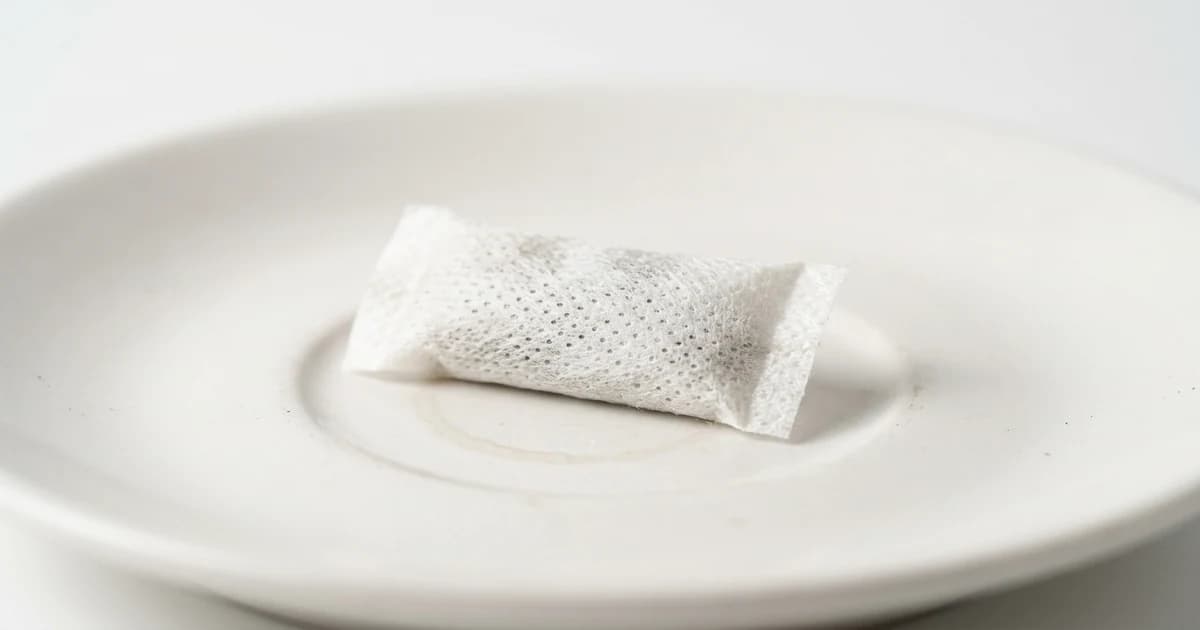
Roon was built for exactly that gap. It's a zero-nicotine sublingual pouch that delivers 80mg of caffeine, L-Theanine, Theacrine, and Methylliberine directly through the oral mucosa, which means it hits your system in minutes, not an hour.
The stack is designed around a specific problem: caffeine alone causes jitters, crashes, and tolerance buildup. L-Theanine smooths out the stimulation. Theacrine and Methylliberine extend the duration to 6-8 hours without the diminishing returns you get from caffeine-only products. No pills. No digestion delay. No nicotine.
It's not a liver supplement, and it doesn't replace TUDCA. But if your supplement cabinet is focused on long-term organ health and you want something that actually improves how you think and work on a Tuesday afternoon, they solve different problems worth solving.
By Roon Team