Neuriva Side Effects: What the Label Actually Says About Coffee Fruit, Phosphatidylserine, and B Vitamins
Neuriva Side Effects: What the Label Actually Says About Coffee Fruit, Phosphatidylserine, and B Vitamins
Neuriva is a decaffeinated, two-ingredient brain supplement. The effects users most often report are stomach upset, headache, and trouble sleeping. None of these come from controlled trial data with published incidence rates. Before you take your first capsule, the two things worth checking are the CONTAINS SOY allergen statement on the panel and the phosphatidylserine interaction question if you take a blood thinner or antiplatelet drug. (Looking for the efficacy side of this product? See what the clinical evidence actually shows.)
What Is in the Capsule
Every safety question below traces back to one of these rows. Keep this table open while you read.
| Ingredient | Neuriva Original | Neuriva Plus |
|---|---|---|
| Coffee fruit extract (Neurofactor) | 100 mg | 200 mg |
| Phosphatidylserine (Sharp PS Green) | 100 mg | 100 mg |
| Vitamin B6 | none | 1.7 mg (100% DV) |
| Folic acid | none | 400 mcg (170% DV) |
| Vitamin B12 | none | 2.4 mcg (100% DV) |
| Serving | 1 capsule daily | 1 capsule daily |
| Allergen statement | CONTAINS SOY | CONTAINS SOY |
Sources: Amazon label reproduction, Original; Pharmacy Times ingredient review; Vitacost label, Plus; Schiff Vitamins product page, Plus.
That is the entire active formula. Two ingredients in the Original. Two ingredients plus three B vitamins in the Plus. Most of the alarming "side effect" lists circulating online pull from generic supplement encyclopedias, not from anything specific to these doses.
What Users Report (and How Strong That Evidence Is)
The effects most frequently attributed to Neuriva across consumer reviews and pharmacy write-ups are:
- Stomach upset or nausea
- Headache
- Insomnia or disrupted sleep
- Jitteriness (reviewers sometimes attribute this to the coffee fruit extract)
Sources: Planet Drugs Direct safety review; WellBeUp side effects overview.
A point that almost no ranking page makes clearly: these are user-reported complaints, not measured trial incidence. Dietary supplements are not reviewed by the FDA for safety and efficacy before they reach shelves. Unlike prescription drugs, which carry a label with adverse-event rates from Phase III trials, supplements rely on post-market adverse-event reports and voluntary consumer feedback. The FTC's 2022 Health Products Compliance Guidance sets the substantiation bar at human clinical research on the product itself, but that standard applies to marketing claims, not to pre-sale safety review.
So when you see "Neuriva side effects" listed on a website, you are reading aggregated complaints, not a pharmacovigilance dataset. That does not mean the complaints are wrong. It means no one has published how often they happen in a controlled setting.
What Phosphatidylserine Research Says About Tolerability
Phosphatidylserine (PS) is the more pharmacologically active of Neuriva's two main ingredients. The Cleveland Clinic's drug information page lists these possible effects:
- Upset stomach
- Gas
- Insomnia
- Headache
- Skin rash
- Mood changes
- Low blood sugar
You will notice the overlap with the user-reported Neuriva complaints above. That is not a coincidence: PS is the likely source for most of them.
The typical adult supplement dose for phosphatidylserine is 100 mg to 200 mg daily. Neuriva's 100 mg sits at the bottom of that range. Higher doses carry a higher chance of side effects.
For a fuller look at what the research has measured, see our phosphatidylserine benefits and evidence overview.
The Soy Allergen Question
Both Neuriva formulas carry the allergen line CONTAINS SOY because the phosphatidylserine is soy-derived. If you have a diagnosed soy allergy, this label exists for you.
The nuance, documented in a Health Canada safety assessment: soy allergies are driven almost entirely by soy proteins, and phosphatidylserine derived from soy is expected to contain no or very low levels of soy protein. That suggests low allergenic potential in theory.
In practice, the label still says CONTAINS SOY, and your allergist's opinion outweighs a regulatory summary. If you have a soy allergy, talk to your clinician before taking either version of Neuriva.
Modern PS supplements can also be derived from sunflower, fish, or cabbage. Early products used bovine brain cortex and were phased out over potential safety concerns. Neuriva uses soy-derived PS specifically. For more on how sourcing differs, see our comparison of phosphatidylserine sources.
Drug Interactions Worth a Pharmacist Call
Two categories of medications deserve a conversation with your pharmacist before you start Neuriva.
Blood thinners and antiplatelet drugs
Clinical references advise that people taking warfarin (Coumadin), heparin, aspirin, clopidogrel (Plavix), pentoxifylline (Trental), or ticlopidine (Ticlid) should not use phosphatidylserine without a physician's guidance, on the basis that the combination may interfere with normal clotting. PS is also known to enhance the effect of heparin specifically.
Anticholinergic medications
The Cleveland Clinic notes that phosphatidylserine may decrease how effective anticholinergic medications are, naming atropine, benztropine, and oxybutynin as examples.
These are cautions drawn from the ingredient literature, not documented Neuriva-specific events. But a pharmacist call costs nothing, and the interaction is plausible enough that clinical sources flag it consistently.
The Caffeine Question
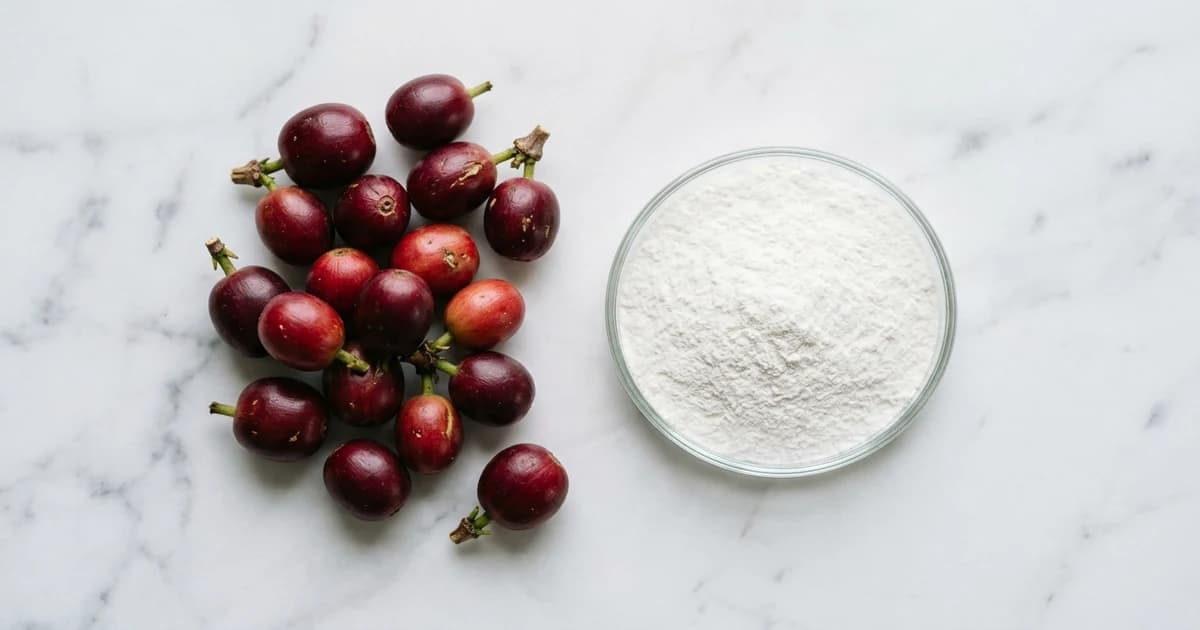
Neuriva is marketed as decaffeinated. The coffee cherry extract (Neurofactor) is described by the manufacturer as containing negligible caffeine. If you feel jittery after taking Neuriva, the capsule itself is an unlikely explanation.
That said, "negligible" is not the same as "certified zero." The coffee fruit extract holds GRAS (Generally Recognized as Safe) status from the FDA, based on genotoxicity studies, short-term oral toxicity studies, and a 90-day dietary toxicity study that found no mutagenic or genotoxic potential. GRAS status confirms that the ingredient passed a safety review. It says nothing about whether the product works. For background on what Neurofactor is and where it came from, we have a separate breakdown.
Neuriva Plus and the B Vitamins
Neuriva Plus adds three B vitamins to the Original formula. Here is how those doses compare to reference amounts:
| Vitamin | Neuriva Plus dose | Adult RDA | Tolerable upper intake level (UL) | Neuriva dose as fraction of UL |
|---|---|---|---|---|
| Vitamin B6 | 1.7 mg | 1.3 to 1.7 mg | 100 mg/day | ~1/59th |
| Folic acid | 400 mcg | 400 mcg DFE | 1,000 mcg/day | ~2/5ths |
| Vitamin B12 | 2.4 mcg | 2.4 mcg | No established UL | N/A |
These are ordinary daily-value amounts, not megadoses. Vitamin B6 at 1.7 mg is roughly 1/59th of the level where long-term intake has been associated with sensory nerve problems. Vitamin B12 at 2.4 mcg is the adult RDA and has no established upper limit.
The one worth watching: folic acid. Neuriva Plus delivers 400 mcg of folic acid, which is 2/5ths of the 1,000 mcg tolerable upper intake level. That is fine on its own. But if you also take a multivitamin (often 400 mcg folic acid) and eat fortified cereal, you can approach that ceiling without realizing it. Read every supplement label you take. For more on what B12 does (and does not do) for cognition, see our B12 and brain fog explainer.
If you take multiple brain supplements at the same time, stacking folic acid from several sources is a real and underdiscussed reason to keep a running tally of your daily intake.
Who Should Ask a Clinician First
Do not take Neuriva without medical guidance if any of these apply to you:
- Pregnant or breastfeeding. Many manufacturers do not recommend phosphatidylserine during pregnancy or breastfeeding, and Neuriva's label does not address this population.
- Children. The label says "adults 18 years and older."
- Taking anticoagulants or antiplatelet drugs (warfarin, heparin, clopidogrel, aspirin, others listed above).
- Taking anticholinergic medications (atropine, benztropine, oxybutynin, others).
- Diagnosed soy allergy. The panel reads CONTAINS SOY.
- Stacking several supplements that share ingredients. Especially if they contain folic acid or phosphatidylserine.
When to Stop and Call Someone
This is not a diagnosis list. It is a "pick up the phone" list.
- A rash, hives, or any swelling. Stop the supplement. Call your doctor or go to urgent care.
- Symptoms that do not resolve after you stop taking it. If the stomach upset, headache, or insomnia persists for more than a few days after discontinuing, see a clinician.
- Anything that worries you. You do not need to justify a call to your pharmacist. That is what they are there for.
You can also report an adverse event to the FDA directly. The agency tracks supplement complaints even though it does not pre-approve supplements.
Conclusion
Neuriva's side-effect profile traces almost entirely to two ingredients: phosphatidylserine and coffee fruit extract, both dosed at or below typical supplement ranges. The most commonly reported complaints, stomach upset, headache, and insomnia, are consistent with known phosphatidylserine effects, not unique to this product. No controlled trial has measured how often these occur with Neuriva specifically. If you take blood thinners, anticholinergic medications, or have a soy allergy, a pharmacist call before your first capsule is the single most useful step you can take.
Frequently Asked Questions
Is Neuriva safe to take every day?
Neuriva's label directs one capsule daily for adults 18 and older. Both main ingredients (coffee fruit extract and phosphatidylserine) have been used in studies at similar or higher doses without unusual safety signals. That does not mean the product is risk-free for every person. If you take medications, especially blood thinners or anticholinergics, ask your pharmacist before starting a daily regimen.
Can Neuriva cause headaches or trouble sleeping?
Users commonly report headaches and insomnia. Both are also listed as possible effects of phosphatidylserine by the Cleveland Clinic. No controlled trial has published a specific incidence rate for either effect with Neuriva. If either symptom appears after you start, stopping the supplement for a few days is a reasonable first step.
Does Neuriva contain caffeine?
Neuriva is labeled as decaffeinated. The coffee fruit extract is described as containing negligible caffeine. It is not certified caffeine-free, but the amount present is unlikely to produce a stimulant effect in most people.
Can I take Neuriva with blood thinners?
Clinical references caution against combining phosphatidylserine with anticoagulants (warfarin, heparin) or antiplatelet drugs (clopidogrel, aspirin) without physician guidance, because the combination may interfere with normal clotting. This is an ingredient-level caution, not a documented Neuriva event, but the recommendation to ask your doctor is consistent across sources.
Is Neuriva safe if I am allergic to soy?
The label states CONTAINS SOY. While soy-derived phosphatidylserine is expected to carry little to no soy protein (the trigger for most soy allergies), the allergen warning is there for a reason. If you have a diagnosed soy allergy, do not take this product without consulting your allergist.
Does Neuriva Plus have more side effects than Neuriva Original?
Neuriva Plus adds 200 mg of coffee fruit extract (double the Original's 100 mg) and three B vitamins at standard daily-value amounts. The B vitamins at these doses are well below tolerable upper limits and unlikely to add new side effects on their own. The doubled coffee fruit extract is the main difference. Whether that changes the side-effect profile has not been studied in a head-to-head comparison.
If the Concern Is Afternoon Alertness, Not a Daily Nootropic
Neuriva's side-effect profile is relatively mild for most users, and the phosphatidylserine and B-vitamin components are well-characterized ingredients with established tolerable upper limits. For someone committed to a daily cognitive-health stack, those are relevant data points worth discussing with a pharmacist.
Roon is a different product answering a different question. It is a zero sugar sublingual caffeine pouch (80 mg caffeine, 60 mg L-theanine, 25 mg methylliberine, 5 mg theacrine) built for acute attention and alertness during a 6 to 8 hour work block, not a daily memory supplement. It makes no cognitive-health claim, and its 80 mg caffeine dose is below what the caffeine-and-memory literature has studied. Stop at least 8 hours before bed. Subscriptions start from $9.16 per tin, or as little as $0.61 per pouch. One-time 4-tin orders are $15.00 per tin.
Anyone managing a medication interaction concern or a long-term supplementation plan should keep that conversation with their clinician. Roon sits outside that conversation entirely.
Written by Roon Team