L-Theanine Nootropic
Roon Team
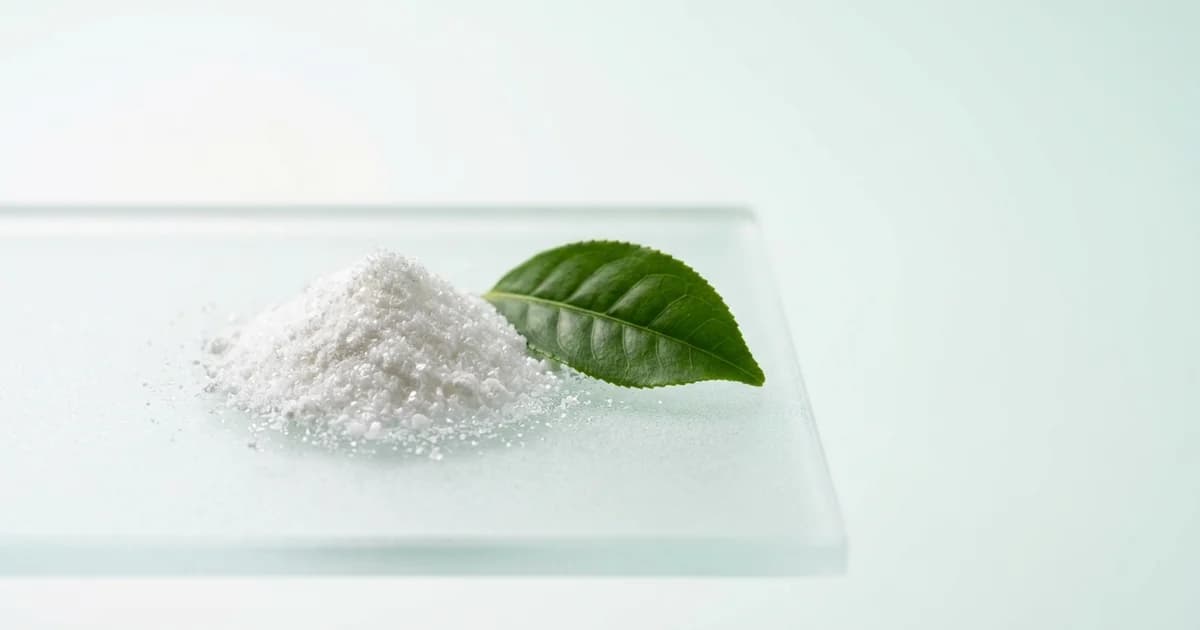
L-Theanine Nootropic: The Complete Guide to Tea's Secret Brain Compound
Most nootropics promise you the world and deliver a headache. L-theanine is the opposite. This amino acid, found almost exclusively in tea leaves, has quietly built one of the strongest evidence bases of any natural cognitive enhancer. If you're researching the l theanine nootropic category for the first time, or trying to separate real science from supplement-industry noise, this is the guide that gives it to you straight.
L-theanine doesn't hit you like a stimulant. It won't make your heart race or leave you staring at the ceiling at 2 a.m. What this l theanine nootropic does is subtler and, for most people, more useful: it shifts your brain into a state of relaxed alertness that makes focused work feel easier.
Here's what the research actually says, how to use l theanine nootropic doses properly, and why the combination of L-theanine with caffeine is one of the most well-studied nootropic stacks in existence.
Key Takeaways
- L-theanine is a non-protein amino acid found primarily in green and black tea, with strong evidence supporting its effects on attention, stress reduction, and alpha brain wave activity.
- Doses of 100 to 200mg produce measurable cognitive effects in clinical trials, with benefits appearing within 30 to 60 minutes.
- The L-theanine and caffeine combination is backed by multiple randomized controlled trials showing improved focus, accuracy, and subjective alertness.
- Safety profile is excellent. Doses up to 900mg daily have been used safely in studies lasting up to 8 weeks, with minimal reported side effects.
What Exactly Is the L Theanine Nootropic?
L-theanine (technically N-ethyl-L-glutamine) is an amino acid that doesn't get used to build proteins. It's found almost exclusively in the Camellia sinensis plant, which gives us green tea, black tea, and matcha. Small amounts also show up in certain mushroom species, but tea is the primary dietary source.
What makes this l theanine nootropic interesting from a neuroscience perspective is its ability to cross the blood-brain barrier. Most amino acids need active transport systems to get into the brain. L-theanine uses the same transport system as glutamate, one of the brain's primary excitatory neurotransmitters, which means it reaches brain tissue relatively quickly after ingestion.
A typical cup of green tea contains roughly 20 to 30mg of L-theanine. That's enough to contribute to tea's characteristic "calm focus" feeling, but it's well below the doses used in clinical research, which typically range from 100 to 400mg.
How the L Theanine Nootropic Works in the Brain
The mechanism behind l theanine nootropic effects involves several overlapping pathways. Understanding them helps explain why this compound feels different from stimulants or sedatives.
Alpha Brain Wave Activity
This is L-theanine's signature effect. Research published in Brain Topography found that L-theanine increases oscillatory activity in the alpha frequency band (8 to 14 Hz) during cognitive tasks. Alpha waves are associated with a state of relaxed, wakeful attention. Think of how you feel during a good meditation session or when you're deeply absorbed in a book. That's alpha-dominant brain activity.
A study on AlphaWave L-Theanine confirmed that a single dose increased frontal alpha power compared to placebo during an acute stress challenge. The researchers noted these changes are indicative of relaxation without drowsiness, a distinction that matters if you're trying to work, not nap.
Neurotransmitter Modulation
This l theanine nootropic doesn't just affect brain waves. Animal neurochemistry studies suggest it increases brain levels of serotonin, dopamine, and GABA while reducing the excitatory neurotransmitter glutamate. This is a rare profile. Most compounds that boost calming neurotransmitters like GABA also make you drowsy. L-theanine manages to promote relaxation while keeping dopamine and serotonin elevated, which supports mood and motivation.
As Psychology Today explains, L-theanine elevates levels of GABA, serotonin, and dopamine, all of which regulate emotions, mood, and concentration.
Structural Similarity to Glutamate
L-theanine's molecular structure closely resembles glutamate, which is why it can cross the blood-brain barrier using glutamate transporters. But once in the brain, it acts as a mild glutamate antagonist. This means it can modulate glutamatergic transmission without blocking it entirely, helping to reduce neural excitability and the feeling of being "wired" without causing sedation.
The L Theanine Nootropic Stack: Why Caffeine Changes Everything
If l theanine nootropic use on its own is good, L-theanine with caffeine is where the research gets genuinely compelling. This is one of the most studied nootropic combinations in the scientific literature.
A study published in Nutritional Neuroscience found that 97mg of L-theanine combined with 40mg of caffeine helped participants focus attention during a demanding cognitive task. The combination improved accuracy during task switching and increased subjective alertness while reducing self-reported tiredness.
Notice those caffeine numbers. Forty milligrams. That's less than half a cup of coffee. The point isn't to flood your system with stimulants. It's to use a precise, moderate dose of caffeine and let the l theanine nootropic smooth out the rough edges.
What the Combined Research Shows
| Outcome | L-Theanine Alone | Caffeine Alone | L-Theanine + Caffeine |
|---|---|---|---|
| Sustained attention | Modest improvement | Strong improvement | Strongest improvement |
| Jitteriness / anxiety | Reduced | Often increased | Reduced |
| Task switching accuracy | Minimal effect | Minimal effect | Measurable improvement |
| Alpha brain wave activity | Increased | Decreased | Increased (despite caffeine) |
| Subjective alertness | Mild increase | Strong increase | Strong increase, smoother |
A 2025 study published in the British Journal of Nutrition tested high-dose L-theanine and caffeine on sleep-deprived young adults and found the combination improved both behavioral and neurophysiological measures of selective attention. The attention and focus research suggests the combination enhances attentional focus by suppressing mind wandering.
Research published in The Journal of Nutrition also confirmed that the combined treatment increased hit rate and target discriminability compared to placebo, while L-theanine alone showed no effects on these attention metrics. The takeaway: l theanine nootropic benefits are amplified when paired with caffeine.
The Optimal Ratio
Most research points to a 2:1 ratio of L-theanine to caffeine as the sweet spot. So if you're consuming 40mg of caffeine, you'd want roughly 80 to 100mg of L-theanine. According to DrugsBank, this ratio enhances cognitive performance while reducing the jitteriness that caffeine alone can cause.
L Theanine Nootropic Dosage: How Much Do You Actually Need?
The effective dose depends on what you're after.
For focus and cognitive performance: 100 to 200mg, ideally paired with a moderate caffeine source. A dose-response study found that doses of 100 to 200mg improved reaction times in cognitive tests, while higher doses (up to 400mg) showed benefits for sustained attention and inhibitory control.
For stress reduction: 200 to 400mg daily. A randomized controlled trial found that L-theanine administration improved verbal fluency and executive function scores, with particular benefits for stress-related symptoms in healthy adults.
For sleep support: 200mg taken roughly one hour before bed. L-theanine doesn't act as a sedative. Instead, this l theanine nootropic helps quiet the mental chatter that keeps you awake.
The Cleveland Clinic recommends that most healthy adults stay between 200mg and 500mg per day and not exceed 500mg.
L Theanine Nootropic Safety and Side Effects
This is where l theanine nootropic use really separates itself from most cognitive enhancers, and the side effects and safety data deserve a close look.
According to WebMD, doses of up to 900mg daily have been safely used for 8 weeks. Side effects, when they occur, tend to be mild: occasional headache or slight sleepiness.
An 8-week open-label study on chronic L-theanine administration found it was safe and produced multiple beneficial effects on depressive symptoms, anxiety, sleep disturbance, and cognitive impairments.
There are a few practical considerations:
- Blood pressure: L-theanine may lower blood pressure slightly. If you're on antihypertensive medication, talk to your doctor.
- Sedative interactions: Combining L-theanine with sleep medications like diazepam or zolpidem may increase drowsiness, as WebMD notes.
- Pregnancy and breastfeeding: Not enough research exists to confirm safety during pregnancy. Err on the side of caution.
- Tolerance: Unlike many nootropics, l theanine nootropic supplementation does not appear to build tolerance with regular use, which makes it viable as a daily option.
L-Theanine vs. Other Nootropics
How does the l theanine nootropic compare to other popular cognitive enhancers?
| Feature | L-Theanine | Racetams | Modafinil | Nicotine |
|---|---|---|---|---|
| Legal status | Supplement (unregulated) | Varies by country | Prescription only | Legal (addictive) |
| Evidence quality | Strong (multiple RCTs) | Mixed | Strong | Moderate |
| Side effect profile | Very low | Low to moderate | Moderate | High (addiction risk) |
| Tolerance buildup | Minimal | Possible | Possible | Rapid |
| Best paired with | Caffeine | Choline sources | N/A | N/A |
L-theanine won't give you the raw cognitive horsepower of a prescription stimulant. That's not the point. Its value lies in the combination of a clean safety profile, solid clinical evidence, and genuine daily utility. You can take it every day without worrying about dependency or diminishing returns.
A 2025 Meta-Analysis Weighs In
A 2025 systematic review and meta-analysis published in the Journal of Clinical Medicine evaluated l theanine nootropic effects on cognitive performance across randomized, placebo-controlled trials. The conclusion: promising, but the authors called for more rigorous, large-scale human trials to confirm the full scope of benefits.
That's an honest assessment. L-theanine isn't a miracle compound. But the direction of the evidence is consistent. Across dozens of trials, this l theanine nootropic keeps showing up as a reliable tool for promoting calm focus, especially when combined with caffeine.
How to Get Your L-Theanine
You have three basic options:
- Tea. A cup of green tea delivers 20 to 30mg. You'd need 5 to 10 cups to reach a clinically effective dose for focus. Doable, but impractical for most people.
- Capsules. Widely available, typically in 100 to 200mg doses. Effective, but absorption through the digestive tract takes 30 to 60 minutes.
- Sublingual delivery. Bypasses the digestive system for faster absorption directly through the oral mucosa.
If the research on l theanine nootropic stacking with caffeine resonates with you, and you want both compounds in a single, precisely dosed format, Roon is worth a look. Each Roon pouch delivers L-theanine alongside 80mg of caffeine (plus theacrine and methylliberine) through sublingual absorption. No pills, no brewing, no guesswork. Just place it under your lip and get back to what you were doing.