How to Stay Alert on the Night Shift Without Crashing at 4 a.m.

How to Stay Alert on the Night Shift Without Crashing at 4 a.m.
The hardest part of any night shift isn't the start. It's the wall you hit around 4 a.m., when your body decides it's done regardless of what your schedule says.
That wall is real, and it's biological. Learning how to stay awake during night shift work is less about willpower and more about working with the clock your body already runs on. Fight it blindly and you lose. Understand it and you can stay sharp from clock-in to sunrise.
This guide covers the physiology behind the 4 a.m. crash, the timing tricks that actually hold up, and the stimulant strategy that keeps you alert without the shakes and the inevitable nosedive.
Key Takeaways
- The 4 a.m. slump comes from your circadian low point, the window when core body temperature and alertness bottom out, not from a lack of effort.
- Strategic light, food, and nap timing matter more than how much coffee you pour.
- Slamming caffeine all night builds tolerance and guarantees a crash. Steady, moderate dosing wins.
- Pairing caffeine with L-theanine smooths out the jitters and keeps focus level.
- Night shift work carries genuine health costs, so protecting daytime sleep is non-negotiable.
Why 4 a.m. Feels Like Hitting a Wall
Your body temperature, hormone release, and alertness all follow a roughly 24-hour cycle controlled by your internal clock. That clock bottoms out in the small hours of the morning, usually between 3 a.m. and 5 a.m. This is your circadian nadir, the point where your body most wants to be asleep.
Working through it means asking your brain to perform at its lowest natural ebb. No amount of caffeine fully overrides the clock, but you can blunt the dip with the right tactics.
The cost of ignoring this is steep. According to News-Medical, night shift workers sleep on average two to four hours less than day workers, because they're forced to sleep during the rising phase of their circadian rhythm, which prolongs wakefulness and cuts sleep short. The same source notes that this chronic disruption is linked to fatigue, anxiety, mood changes, and higher absenteeism.
So the goal isn't just surviving until sunrise. It's staying functional tonight while protecting your health long term.
How to Stay Awake During Night Shift Work: The Tactics That Hold Up
The best tips for working night shift all share one principle: support your biology instead of bulldozing it. Here's what works, ranked by impact.
1. Time Your Light Exposure
Light is the strongest signal your internal clock reads. Bright light during your shift tells your brain it's daytime, which pushes back the urge to sleep.
Keep your workspace as bright as you reasonably can, especially in the first half of the shift. Then flip it on the commute home. Wear sunglasses on the drive back so morning daylight doesn't reset your clock and sabotage the sleep you're about to get.
2. Take a Strategic Nap Before Your Shift
A 20 to 30 minute nap before you clock in builds a buffer against the 4 a.m. dip. Keep it short. Once you push past 30 minutes you risk sleep inertia, that groggy, worse-than-before feeling that takes an hour to shake.
If your workplace allows a break nap, the same rule applies. Short and early beats long and late.
3. Eat for Stable Energy, Not Sugar Spikes
Heavy, greasy meals at 1 a.m. drag you down. Sugar gives you a fast lift and a faster fall.
Aim for protein and complex carbs in modest portions. Think eggs, oats, nuts, or a chicken and vegetable bowl. Keep your biggest meal before the shift and snack lightly through the night so your digestion isn't competing with your brain.
4. Move Every Couple of Hours
A brisk five-minute walk, some stairs, or a few bodyweight squats raises your heart rate and core temperature, which directly counters the circadian temperature drop. Movement is one of the most underrated night shift tips because it's free and works in minutes.
5. Dose Caffeine With a Plan, Not a Prayer
This is where most people sabotage themselves. They drink coffee constantly, build tolerance by 3 a.m., then crash hard at the worst possible moment.
The next section breaks down why timing and dose matter more than total volume.
The Caffeine Mistake Almost Every Night Worker Makes
Drinking caffeine non-stop through your shift is the fastest route to the 4 a.m. crash you're trying to avoid. Caffeine has a half-life of roughly five to six hours in most adults, which means a heavy 2 a.m. dose is still partly in your system when you're trying to sleep at 8 a.m.
Worse, your receptors adapt. Pour it in continuously and each cup does less while the comedown gets uglier.
A smarter approach uses moderate, spaced doses, and pairs caffeine with something that takes the edge off. That something is L-theanine, an amino acid found in tea.
Caffeine and L-theanine are a well-studied pairing. Caffeine drives alertness; L-theanine promotes a calm, focused state that smooths the jitters and the spike-and-crash pattern caffeine causes on its own. Together they support steady attention rather than a sharp peak followed by a slump.
The practical version: a defined dose early in your shift, a smaller top-up before the circadian low, and nothing in the final hours before your daytime sleep.
Comparing Common Night Shift Alertness Options
Here's an honest look at the most common ways night workers try to stay sharp, including where each one falls short.
| Option | Onset | Duration | Crash Risk | Notes |
|---|---|---|---|---|
| Black coffee | 30-45 min | 3-5 hrs | High if over-consumed | Cheap and available, but easy to overdo and rough on the stomach late at night |
| Energy drinks | 20-40 min | 2-4 hrs | High | Loaded with sugar and large caffeine doses that spike and crash |
| Caffeine pills | 30-45 min | 4-6 hrs | Moderate | Precise dosing, but caffeine alone means jitters with no smoothing agent |
| Pre-workout | 20-30 min | 3-5 hrs | High | Designed for the gym, often over-stimulating for sustained desk or clinical work |
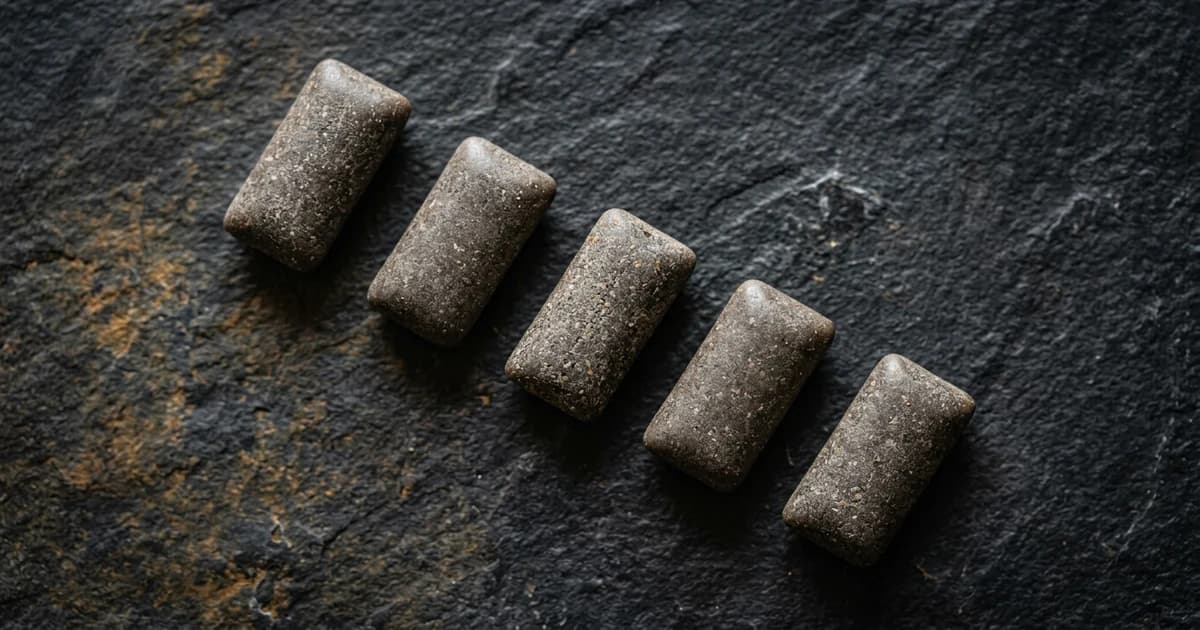
| Caffeine + L-theanine pouch (e.g. Roon) | 5-10 min | 6-8 hrs | Low | Sublingual onset, paired ingredients for focus without the shakes or hard crash |
The pattern is clear. The options that hit hardest also crash hardest. What a night shift actually needs is a fast start with a long, level tail and a soft landing.
How to Work Night Shift and Stay Healthy Long Term
Staying awake is the short game. Staying healthy is the long one, and the two are connected.
Protect your daytime sleep like it's a real shift. Use blackout curtains, keep your bedroom cool, silence your phone, and ask the people you live with to respect the hours. The single biggest factor in how you feel at 4 a.m. tomorrow is how well you sleep this morning.
Anchor your routine. Keep consistent sleep and meal times even on days off where you can, because constantly flipping back to a day schedule restarts the adjustment from scratch. The more regular your pattern, the less your body fights you.
Watch the long-term signals too. The research above ties chronic shift work to fatigue and mood effects, so treat stress management, daylight on your days off, and regular medical checkups as part of the job, not optional extras.
Conclusion
The 4 a.m. crash isn't a personal failing. It's your circadian clock hitting its lowest point, and the people who stay sharp through it are the ones who plan around that biology instead of pretending it doesn't exist.
Time your light, nap before you start, eat for steady energy, keep moving, and treat caffeine as a tool with a dose and a schedule rather than a bottomless cup. Pairing your stimulant with L-theanine keeps the focus level and the crash quiet. Protect your daytime sleep above all else, because tonight's alertness is built during this morning's rest.
Get those pieces right and the night shift stops being something you endure. It becomes something you can actually work well.
Frequently Asked Questions
What is the best way to stay awake on a night shift?
The best way to stay awake on night shift is to combine bright light exposure early in your shift, a short nap before you start, light protein-based meals, regular movement, and a planned caffeine schedule rather than constant drinking. No single trick wins. Layering these tactics blunts the 4 a.m. circadian dip far better than relying on coffee alone, and it spares you the crash that heavy caffeine use guarantees.
Why do I crash at 4 a.m. on night shift?
You crash around 4 a.m. because that window sits near your circadian low point, when core body temperature and alertness naturally bottom out. Your internal clock is signaling hard for sleep regardless of your work schedule. Heavy, continuous caffeine use makes it worse, because tolerance builds through the night and the comedown lands right at your lowest natural point.
How much caffeine should I have on a night shift?
Most adults do best with moderate, spaced doses rather than continuous intake. A defined amount early, a smaller top-up before your circadian low, and nothing in the final five to six hours before daytime sleep. Caffeine has a half-life of roughly five to six hours, so a late dose lingers and wrecks the sleep you need to function the next night.
Does L-theanine help with night shift focus?
L-theanine supports calm, steady focus and is commonly paired with caffeine to reduce jitters and smooth the spike-and-crash pattern caffeine causes alone. The combination promotes level attention rather than a sharp peak followed by a slump. For night workers who need sustained focus through a long shift, that smoothing effect is the difference between sharp and frazzled.
How can I work night shift and stay healthy?
Protect your daytime sleep with blackout curtains, a cool quiet room, and consistent hours. Keep regular sleep and meal times even on days off, eat balanced meals, get daylight and exercise during waking hours, and manage stress. Night work is linked to chronic fatigue and mood effects, so regular checkups and steady routines matter for the long haul.
Are energy drinks good for staying awake at work?
Energy drinks deliver a fast lift but a faster fall, thanks to large caffeine doses paired with sugar. That spike-and-crash pattern is the opposite of what a long shift needs. You're better served by a moderate, steady caffeine strategy, ideally paired with L-theanine, that supports level alertness across six to eight hours instead of one sharp burst.
Should I nap during my night shift?
A short nap of 20 to 30 minutes can build a useful buffer against the early-morning dip. Keep it under 30 minutes to avoid sleep inertia, the grogginess that follows deeper sleep. Time it before your shift or during an early break rather than late, when a nap is more likely to bleed into your circadian low and leave you worse off.
The Fast Start and Soft Landing a Night Shift Actually Needs
Everything above points to the same need: a way to stay alert that starts fast, lasts the full shift, and doesn't drop you off a cliff at 4 a.m. That's the exact gap Roon was built to fill.
Roon is a zero-nicotine sublingual pouch with a simple four-ingredient stack: 80 mg caffeine, 60 mg L-theanine, 25 mg methylliberine (Dynamine), and 5 mg theacrine (TeaCrine). It absorbs under your lip in 5 to 10 minutes, supports 6 to 8 hours of steady focus, and is built to avoid the jitters, the crash, and the tolerance creep that come from drinking coffee all night. It's discreet and pocket-sized, which matters when you're on a floor, in a cab, or behind a desk with no time for a coffee run.
Roon is not a replacement for the basics this article covered. It won't fix bad daytime sleep or a chaotic schedule, and it isn't a substitute for protecting your long-term health. Used alongside good light, food, and sleep habits, it's the alertness layer that holds when 4 a.m. arrives. Try Roon on your next overnight and see how the back half of the shift feels.
Written by Roon Team