Feeling Sluggish All Day? The Everyday Energy Drains Behind It

Feeling Sluggish All Day? The Everyday Energy Drains Behind It
You slept, you ate, you had your morning drink, and you still feel like you're moving through wet sand. That all-day heaviness usually isn't one big problem. It's the sum of small, ordinary drains stacking up: a short night, mild dehydration, a blood-sugar dip after lunch, and hours of sitting still. Fix the small things and most "sluggish" afternoons lift on their own.
Key Takeaways
- Daytime sluggishness is rarely a single cause. It's usually four or five minor drains adding up across the day.
- The fastest same-hour reset is concrete: water, a 10-minute walk, protein, and daylight.
- Fatigue that lasts six months or more, or comes with other symptoms, is a reason to see a doctor.
- Steadier, moderate stimulation supports alertness with less of the spike-and-crash pattern than a second large coffee.
This article is informational and not medical advice. If your tiredness is severe, persistent, or new, talk to a qualified healthcare provider.
Why do I feel sluggish all day even after sleep?
You feel sluggish after a full night because sleep is only one input into daytime energy, and the others are quietly working against you. Hydration, blood sugar, movement, light exposure, and caffeine timing each move the needle. When several drift the wrong way at once, the result feels like fog even though no single factor is dramatic.
It helps to name what you're feeling. Fatigue is when you feel tired all the time even when you get plenty of rest and sleep, and it can make it difficult to do your daily activities and perform well at work. Most everyday sluggishness is the ordinary, lifestyle-driven kind. Many conditions and lifestyle factors can cause fatigue, and you may be able to relieve it by changing your habits.
So "I slept fine" rules out one cause, not all of them. The rest of this article walks through the everyday drains in the order they usually hit you.
What everyday habits drain your energy without you noticing?
The biggest energy leaks are the ones you stopped noticing years ago. They feel like background noise, which is exactly why they add up. Run yourself through this checklist before you blame your willpower.
- Sleep debt you've normalized. Six and a half hours four nights running feels "fine" until it doesn't.
- Under-drinking. A coffee and two sips of water by noon is a setup for an afternoon slump.
- Skipping or skewing breakfast. A carb-heavy, protein-light start sets up a steeper mid-morning dip.
- Sitting for hours. Long stretches without moving blunt alertness and stiffen you up.
- No real daylight. Working under indoor light all morning weakens the signal that keeps you alert.
- Front-loaded caffeine. A big morning dose that fades by 1 p.m. Leaves a trough right when you need focus.
None of these is a crisis on its own. Stack three or four and you get the wet-sand feeling. Each one is also a lever you can pull the same day.
How do blood sugar swings and dehydration make you sluggish?
Blood sugar swings and mild dehydration are two of the most common reasons a well-rested person crashes by mid-afternoon. Both are easy to miss because the cause and the symptom are hours apart.
Start with food. A large, refined-carb meal pushes blood glucose up fast, and the dip that follows can leave you drowsy and unfocused. This is the familiar post-lunch "food coma," and it's worse after meals heavy on fast carbs and light on protein and fiber. The fix isn't eating less. It's building meals that release energy more slowly: protein, fiber, and fat alongside the carbs.
Now hydration. You don't need to be visibly thirsty to feel the cost. A minor degree of hypohydration adversely influences cognition. Even small fluid deficits drag on attention and mood, which reads as sluggishness rather than thirst. Most people run slightly short by early afternoon without realizing it.
Is your coffee habit making the sluggishness worse?
Your coffee habit can deepen the slump it's meant to fix, mostly through timing and dose. Caffeine doesn't leave your system quickly. Caffeine has a half-life of about 3 to 5 hours in healthy adults, meaning it takes that long for the body to eliminate half of a given dose. A big morning hit is still circulating at lunch, which is partly why it can disrupt sleep that night and feed tomorrow's tiredness.
There's also the rebound. When a large dose peaks and then falls, the comedown can feel worse than baseline, so you reach for more. A second oversized coffee at 2 p.m. Solves the next two hours and sabotages your evening.
The better pattern is steadier and smaller. A moderate caffeine dose paired with L-theanine, an amino acid found in tea, shifts the experience toward calm alertness. In a randomized controlled trial by Owen et al. (2008), the combination improved both speed and accuracy on attention-switching tasks and increased subjective alertness compared to caffeine alone. The point isn't more stimulant. It's a smoother input.
What can you do in the next hour to feel less sluggish?
You can usually shift a sluggish afternoon within the hour using four moves, no caffeine required. Do them in any order. They compound.
- Drink a full glass of water. If you've had one coffee and little else, you're likely behind, and rehydrating addresses the mild deficit that drags on focus.
- Walk for 10 minutes. Light movement is one of the most reliable energy resets. In a University of Georgia study, low-intensity exercise reduced fatigue symptoms by 65 percent.
- Eat protein, not just carbs. A handful of nuts, yogurt, or eggs blunts the blood-sugar swing that follows a carb-only snack.
- Get real daylight. Step outside, or at minimum sit by a window. Bright light is a direct alertness cue that indoor lighting underdelivers.
If you only do one, walk. It moves blood, breaks up the sitting, and often gets you into daylight at the same time.
How do you build steady all-day energy without the crash?
Steady energy comes from removing drains consistently, not from chasing bigger stimulant hits. The daily version of the same-hour reset: protect your sleep window, drink water before you're thirsty, build meals around protein and fiber, move every couple of hours, and get morning daylight.
Caffeine still fits, but how you take it matters. The category most aligned with steady energy is moderate-dose caffeine paired with L-theanine, because that combination supports alertness while smoothing the jagged edges of caffeine alone. Here's how three common afternoon choices compare.
| Option | Caffeine (typical) | Crash risk | What it does for focus | Honest trade-off |
|---|---|---|---|---|
| Energy drink | 150-300 mg | High | Fast, strong lift | Sugar and high caffeine often drive a spike then a slump; can disrupt sleep |
| Another full coffee | 95-165 mg | Moderate, high | Familiar boost | Adds to your daily load; late dose can hurt tonight's sleep |
| Steady ~80 mg caffeine + L-theanine | ~80 mg | Lower | Calm, sustained alertness | Less of a "kick"; the trade is smoother focus, not a jolt |
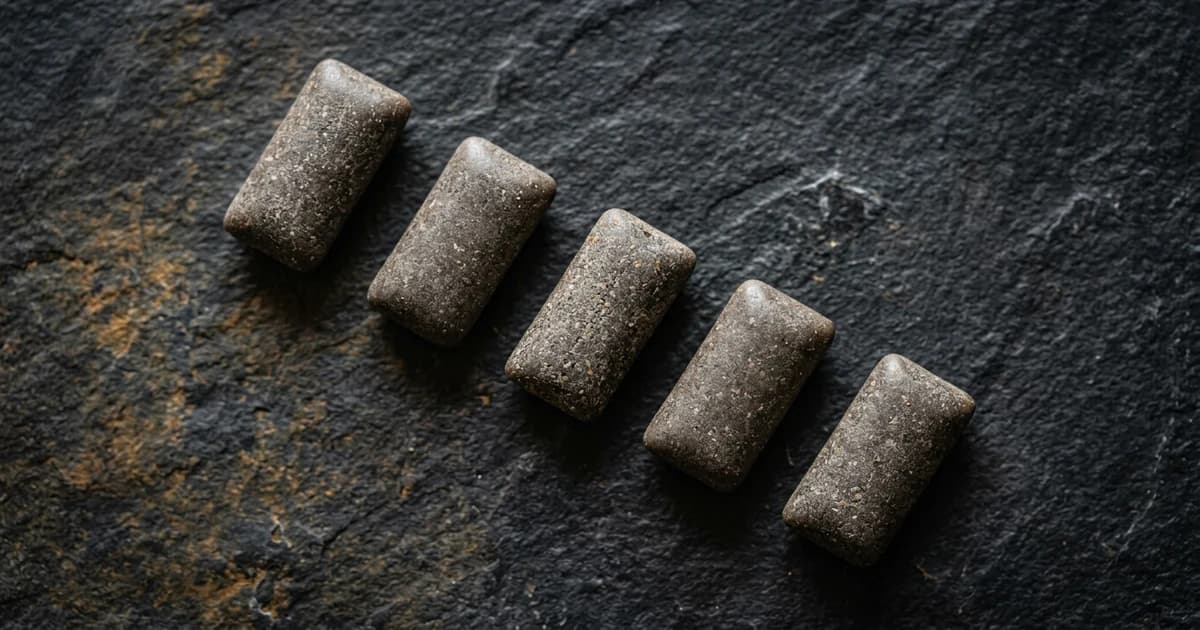
| Roon pouch (80 mg caffeine, 60 mg L-theanine, 25 mg methylliberine, 5 mg theacrine) | 80 mg | Lower | Sustained focus, low jitter | Zero nicotine; it supports energy but does not replace sleep, food, or water |
The pattern in that table is the whole argument. Bigger inputs buy a sharper peak and a steeper fall. A moderate, paired input trades the peak for a flatter, longer line, which is what "all-day energy" feels like.
When is sluggishness a sign to see a doctor?
Most everyday sluggishness is benign, but some patterns warrant a medical visit. The dividing line is duration, severity, and what comes with it. Fatigue can be temporary, or it can be a chronic condition lasting six months or more.
See a healthcare provider if your tiredness is severe, doesn't improve with rest, or persists for weeks despite better sleep, hydration, and movement. Pay closer attention when fatigue shows up alongside other symptoms. Fatigue often occurs along with symptoms such as depression and lack of desire to do activities you once enjoyed, trouble concentrating, very low energy and motivation, and muscle pain and weakness. Unexplained weight change, shortness of breath, or fatigue that interferes with daily life all deserve evaluation. A provider can check for causes like anemia, thyroid issues, or sleep disorders.
The habits in this article are for ordinary, lifestyle-driven slumps, not a substitute for a diagnosis when something feels genuinely wrong.
The Real Fix Is Subtraction, Not More Stimulant
Feeling sluggish all day is almost never one villain. It's a quiet pile-up: a short night, a glass of water you didn't drink, a lunch that spiked and dropped your blood sugar, three hours in a chair, and a morning coffee that's already faded. Each is minor. Together they read as fog.
The fix is mostly subtraction. Drink before you're thirsty, eat protein with your carbs, move every couple of hours, get daylight, and keep your caffeine moderate and well-timed rather than large and front-loaded. Steadier beats stronger. And when tiredness is severe or stubborn, treat that as information and see a doctor.
Frequently Asked Questions
Why do I feel sluggish even after 8 hours of sleep?
Sleep is one of several inputs into daytime energy, not the only one. Even after a full night, mild dehydration, a blood-sugar dip after a carb-heavy meal, hours of sitting, and low daylight exposure can each drag on alertness. When a few stack up, you feel foggy despite the rest. Address the others, water, movement, protein, and light, and the heaviness usually lifts.
Why do I crash after lunch?
A large meal heavy on refined carbs pushes blood glucose up quickly, and the dip that follows can leave you drowsy and unfocused. This post-lunch slump is more pronounced when the meal is low in protein and fiber. The fix isn't eating less. It's building the plate differently: pair carbs with protein, fiber, and fat so energy releases more slowly.
Is a second coffee a good idea when I'm sluggish?
Often not, because of timing. Caffeine has a half-life of roughly 3 to 5 hours, so an afternoon coffee is still in your system at bedtime and can erode the sleep that feeds tomorrow's energy. Large doses can also produce a rebound where the comedown feels worse than baseline. A smaller, steadier dose, especially paired with L-theanine, tends to give calmer, longer alertness.
What's the fastest way to feel less sluggish right now?
Walk for 10 minutes, drink a full glass of water, eat some protein, and get into daylight. Light movement is the standout: a University of Georgia study found low-intensity exercise reduced fatigue symptoms by 65 percent. These four moves take under 15 minutes combined and address the most common same-hour drains. If you can only do one, walk.
When should I see a doctor about feeling tired?
See a provider if your tiredness is severe, doesn't improve with rest, or lasts for weeks despite better sleep, hydration, and movement. Fatigue lasting six months or more is considered chronic. Pay extra attention if it comes with low mood, loss of interest, trouble concentrating, muscle weakness, unexplained weight change, or shortness of breath. A doctor can check for causes such as anemia, thyroid problems, or sleep disorders.
A Steadier Lever for the Afternoon Slump
If the argument here lands, your afternoon slump is mostly small drains adding up, and the worst response is a bigger stimulant hit that spikes and crashes. The better response is steadier inputs: water, movement, protein, daylight, and caffeine that's moderate and well-timed.
That last lever is where Roon fits. It's a zero-nicotine sublingual pouch with 80 mg of caffeine, 60 mg of L-theanine, 25 mg of methylliberine (Dynamine), and 5 mg of theacrine (TeaCrine), built around the moderate-caffeine-plus-L-theanine pattern this article describes. The goal is calm, sustained focus without the jolt-and-drop of an energy drink or a second oversized coffee.
Be clear on what it is and isn't. Roon supports afternoon energy and focus. It does not replace sleep, food, water, or daylight, and it isn't a fix for fatigue that needs a doctor. If you've already cleaned up the basics and want a steadier, no-crash way to lift afternoon energy, it's worth a try.
By Roon Team