Caffeine Overdose Symptoms: Signs, Doses and What to Do
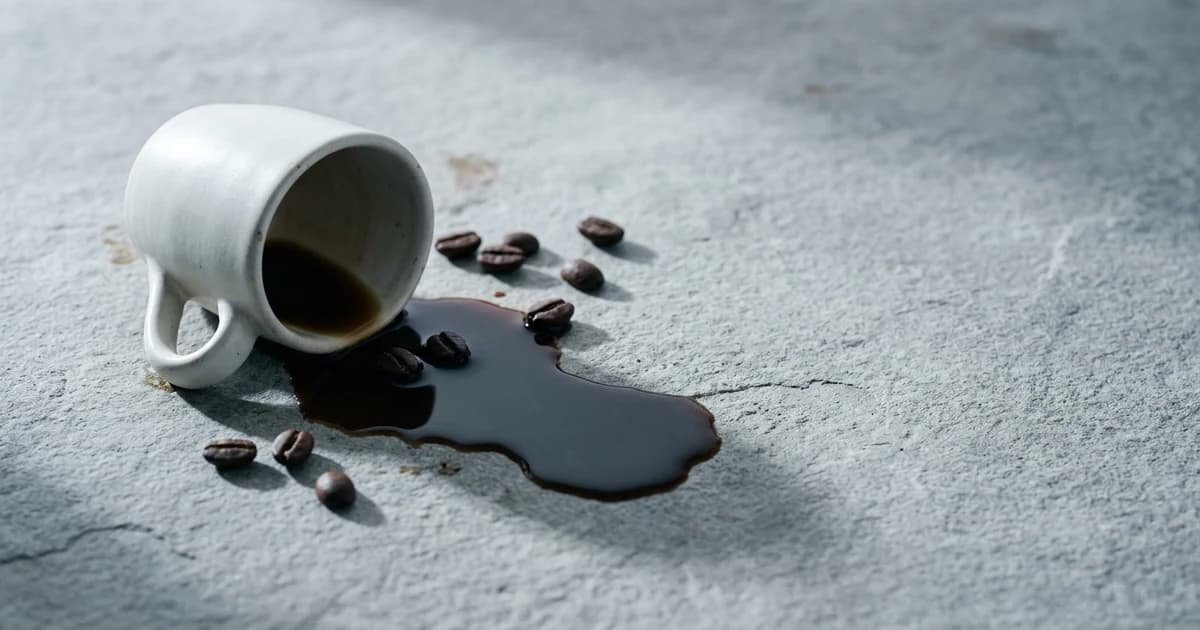
Caffeine Overdose Symptoms: Signs, Doses and What to Do
Caffeine overdose usually starts with a racing heart, shakiness, nausea or vomiting, anxiety and trouble sleeping. Severe signs include an irregular heartbeat, chest pain, confusion, hallucinations, breathing difficulty or seizures. The FDA says seizures can occur with rapid intake of around 1,200 mg. For questions, call Poison Control at 1-800-222-1222. For severe signs, call 911.
Most episodes of "too much caffeine" are unpleasant and self-limiting. The cases that land people in emergency departments almost always involve concentrated sources: caffeine pills taken too close together, bulk powder measured with a kitchen spoon, or several energy drinks downed in a short window. StatPearls notes that toxic ingestions are rarely seen from coffee or tea alone because of the sheer volume of liquid required. Knowing which caffeine overdose symptoms are merely uncomfortable and which ones demand a phone call can change the outcome. (For a broader look at caffeine's risks and benefits, see Is Caffeine Bad for You?)
Caffeine Overdose Symptoms, from Mild to Severe
The symptoms below are drawn from the FDA, MedlinePlus, Poison Control and a 2018 toxicology review (Willson, Toxicology Reports). They do not always appear in neat order, and individual sensitivity varies.
| Tier | Symptoms | What to do |
|---|---|---|
| Mild | Jitters, shaky hands, upset stomach, nausea, headache, anxiety, insomnia | Stop all caffeine and wait. Symptoms typically fade as caffeine clears. |
| Moderate | Fast or pounding heartbeat, palpitations, vomiting, elevated blood pressure, muscle twitching, dizziness, increased thirst and urination | Call Poison Control: 1-800-222-1222 (free, confidential, 24/7). |
| Severe | Irregular heartbeat, chest pain, confusion, hallucinations, breathing trouble, seizures, fainting | Call 911 immediately. |
One note from MedlinePlus: caffeine intoxication and an acute anxiety reaction can look very similar. If you are unsure which you are experiencing, get checked.
How Much Caffeine Is an Overdose?
There is no single threshold, but the FDA states that toxic effects such as seizures can appear with rapid intake of around 1,200 mg, less than half a teaspoon of pure caffeine powder. The table below puts that number, and several others from the literature, into everyday servings.
| Threshold (source) | Caffeine | Cups of coffee (~100 mg) | Energy drinks (150 to 300 mg) | 200 mg tablets | 80 mg caffeine pouches |
|---|---|---|---|---|---|
| FDA daily figure for most adults (FDA) | 400 mg | 4 | 2.7 to 1.3 | 2 | 5 |
| Toxic symptoms begin, per reports cited in a 2018 review (Willson) | ~1,000 mg | 10 | 6.7 to 3.3 | 5 | 12.5 |
| Toxic effects such as seizures with rapid intake (FDA) | ~1,200 mg | 12 | 8.0 to 4.0 | 6 | 15 |
| Hospital care usually needed, per reports cited (Willson) | ~2,000 mg | 20 | 13.3 to 6.7 | 10 | 25 |
| Lethal in some reported cases (Willson) | as little as ~3,000 mg | 30 | 20.0 to 10.0 | 15 | 37.5 |
| Lethal blood levels reached (StatPearls) | ~10,000 mg | 100 | 66.7 to 33.3 | 50 | 125 |
Source: FDA, StatPearls (Murray and Traylor 2025) and Willson 2018. Coffee at ~100 mg per cup per Poison Control; energy drinks 150 to 300 mg per serving per Poison Control; 200 mg is the top single dose on OTC alertness tablet labels. Thresholds are rough; sensitivity, body weight, medications and speed of intake shift them.
Speed matters: the FDA figure refers to rapid intake, and these numbers are not targets. For a fuller discussion of daily limits, see How Much Caffeine Is Too Much.
Why Pills, Powders and Energy Drinks Cause Most Overdoses
Concentrated caffeine makes a dosing mistake easy.
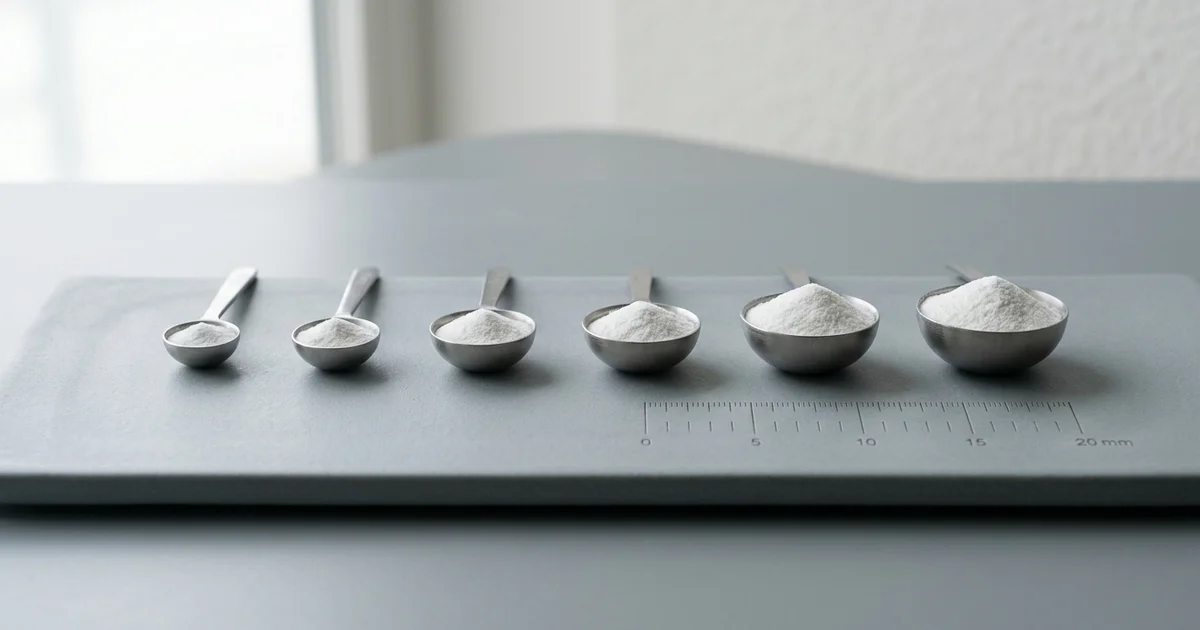
- Pure powder: The FDA warns that a single teaspoon of pure caffeine powder equals roughly 28 cups of coffee. These products have contributed to at least two deaths in the United States.
- OTC alertness tablets: Federal labeling rules (21 CFR 340.50) set the dose at 100 to 200 mg, not more often than every 3 to 4 hours. Taking extra tablets to fight drowsiness compresses that window fast. (For a comparison of formats, see Caffeine Pills vs. Coffee vs. Pouches.)
- Energy drinks: These contain 150 to 300 mg per serving, so two high-end servings in an hour already reach 600 mg, past the 400 mg daily figure.
The pattern in hospital data is stacking: multiple concentrated sources in a short period. A SAMHSA report found that U.S. emergency department visits involving energy drinks doubled from 10,068 in 2007 to 20,783 in 2011, with 58% involving energy drinks alone. (For a rundown of which drinks carry the most, see Which Energy Drink Has the Most Caffeine.)
Alcohol adds a separate risk. The CDC states that caffeine does not reduce alcohol's effects on the body and may mask the signs of impairment.
Who Is at Higher Risk
Not everyone clears caffeine at the same speed, and a dose that is merely unpleasant for one person can be dangerous for another.
- Children and adolescents. The FDA cites the American Academy of Pediatrics in advising against energy drinks for children and teens. OTC caffeine tablets are labeled "Do not give to children under 12 years of age."
- Infants, psychiatric patients and athletes. A systematic review of 92 caffeine-only deaths found these groups were overrepresented (Cappelletti et al., Nutrients 2018).
- Pregnancy and liver disease. Caffeine clearance slows in both conditions (Willson 2018). The FDA advises pregnant or breastfeeding women to talk with a health care provider about caffeine intake.
- Certain medications. Fluvoxamine and cimetidine inhibit CYP1A2, a liver enzyme that breaks down caffeine, so caffeine lingers longer (Willson 2018). Oral contraceptives also slow clearance.
- Heart rhythm conditions. Arrhythmias are among the reported severe effects of caffeine toxicity. If you have a known rhythm disorder, talk to your clinician about caffeine.
What to Do Right Now
If you suspect a caffeine overdose in yourself or someone else:
- Stop all caffeine immediately.
- If seizures, chest pain, fainting, trouble breathing or an irregular heartbeat are present, call 911.
- Otherwise, call Poison Control at 1-800-222-1222. The line is free, confidential and open 24/7. It does not need to be an emergency to call. You can also use the online tool at poisonhelp.org.
- Have this information ready: age, weight, the product name and caffeine strength, and the time and amount consumed.
- Do not make the person throw up unless Poison Control or a health care provider tells you to (MedlinePlus).
What happens at the ER. Staff will check vital signs, order blood and urine tests and likely run an ECG. Treatment may include activated charcoal, IV fluids, medicines to manage symptoms and breathing support. MedlinePlus notes that a brief hospital stay may be necessary, and in severe cases, death can result from seizures or an irregular heartbeat.
How Long Does a Caffeine Overdose Last?
Caffeine's elimination half-life averages about 3 to 6 hours in healthy adults, with a reported range of 2.3 to 9.9 hours between individuals (Willson 2018). Mild symptoms generally fade as the body clears the drug over several hours.
At toxic doses, however, caffeine metabolism may saturate and clearance slows. That means a severe episode can drag on longer than you might expect from the half-life alone. Clearance is also slower during pregnancy, in liver disease and with CYP1A2-inhibiting medications.
For severe cases treated in hospital, MedlinePlus states that a brief stay may be needed. No one should count on a fixed recovery time; if symptoms are not improving, call Poison Control or go to the ER. (For more on caffeine's duration in the body, see How Long Does Caffeine Stay in Your System and Caffeine Half-Life Factors.)
Related from Roon
Frequently Asked Questions
Can you die from caffeine?
Yes, though it is rare. StatPearls puts lethal blood caffeine levels at 80 to 100 ug/mL, roughly corresponding to an ingested dose of about 10 g or more. A systematic review of 92 caffeine-only deaths found that fatal cases most often involved infants, psychiatric patients and athletes (Cappelletti et al. 2018). Lethal adult overdoses are rare and, per StatPearls, usually intentional.
Can you overdose on coffee alone?
It is extremely unlikely. StatPearls notes that toxic ingestions from coffee or tea are rare because of the volume of liquid you would need to drink. Reaching 1,200 mg from brewed coffee at roughly 100 mg per cup would take about 12 cups consumed rapidly. Most hospital-level overdoses involve pills, powders or concentrated drinks.
How many energy drinks is too many?
Energy drinks contain 150 to 300 mg of caffeine per serving. At the low end, three servings (450 mg) already exceed the FDA's 400 mg daily figure. At the high end, two servings can reach 600 mg. There is no number of energy drinks that is universally "safe" because body weight, medications and individual sensitivity all play a role. Counting milligrams from every source is the only reliable approach.
Does drinking water or exercise flush caffeine faster?
None of the sources behind this page show that water or exercise speeds caffeine clearance, and there is no proven way to clear it faster at home. How fast caffeine leaves the body varies widely between people. If you feel you have consumed a dangerous amount, call Poison Control at 1-800-222-1222 rather than relying on home strategies.
A Dose You Can Count
The thresholds in the table above are easiest to approach when the milligrams are hard to count: a scoop of powder, an extra pill, a second or third can in the same hour.
Each Roon pouch holds a fixed 80 mg of caffeine with zero nicotine and zero sugar, alongside 60 mg L-theanine, 25 mg methylliberine (Dynamine) and 5 mg theacrine (TeaCrine). Methylliberine slows how the body clears caffeine: a randomized, double-blind crossover PK study (n=12) found co-administration extended caffeine's half-life from 7.2 to 15 hours and cut oral clearance from 41.9 to 17.1 L/hr, with no higher peak (study). That study used 100 mg methylliberine with 150 mg caffeine, roughly 4x and 1.9x the amounts in a single Roon pouch, so the direction of the effect applies, not the exact figures. A 15-hour half-life is a clearance figure, not 15 hours of noticeable effect; most people feel one pouch for roughly 6 to 8 hours. Roon's guidance is no more than 4 pouches a day (320 mg), which stays inside the FDA's 400 mg figure from all sources combined. Allow at least 8 hours between your last pouch and bedtime.
Roon is not a treatment for any condition on this page. If you or someone near you is experiencing severe caffeine overdose symptoms, call 911. For a measured, zero-nicotine caffeine option from $9.16 per tin, see Roon.
Sources
- FDA, "Spilling the Beans: How Much Caffeine Is Too Much?" (content current 08/28/2024)
- FDA, "Pure and Highly Concentrated Caffeine" (content current 03/06/2023)
- 21 CFR 340.50, OTC stimulant labeling
- Murray A, Traylor J. "Caffeine Toxicity," StatPearls, updated Feb 2025
- Willson C. "The clinical toxicology of caffeine: A review and case study." Toxicology Reports 2018;5:1140-1152 (author discloses consulting for dietary-supplement companies that make caffeine products)
- Cappelletti S et al. "Caffeine-Related Deaths: Manner of Deaths and Categories at Risk." Nutrients 2018;10(5):611
- MedlinePlus, "Caffeine overdose" (review date 7/1/2025)
- Poison Control (NCPC), "How much caffeine is safe?"
- Poison Control, "Are energy drinks dangerous?"
- CDC, "Effects of Mixing Alcohol and Caffeine" (May 2024)
- SAMHSA DAWN Report, Jan 2013 (2011 data)
Written by Roon Team