Brain Fog From Weed: What's Actually Happening in Your Head
Roon Team
Brain Fog From Weed: What's Actually Happening in Your Head (and How to Fix It)
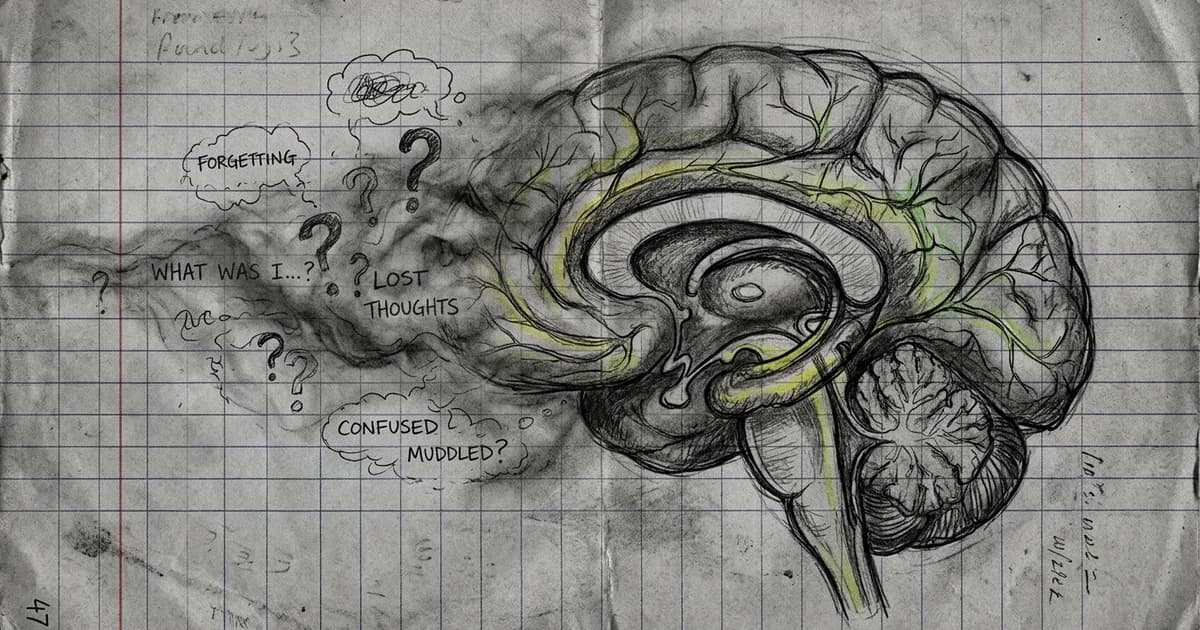
You know the feeling. You walk into a room and forget why you're there. You read the same paragraph three times. Someone asks you a question and your brain serves up... nothing. Just static. If you've been using cannabis regularly, that cloudy, disconnected sensation has a name: brain fog from weed. And it's not just in your head. Well, it is. But there's real neuroscience behind it.
The frustrating part? Most of what you'll read online is either anti-weed propaganda or stoner apologetics. Neither is useful. So here's what the research actually says about why brain fog from weed affects your thinking, how long it lasts, and what you can do about it.
Key Takeaways
- THC disrupts your hippocampus and prefrontal cortex, the two brain regions most responsible for memory and executive function.
- Brain fog from weed can persist for weeks after your last session, even when you're completely sober.
- The damage is mostly reversible. Research from Massachusetts General Hospital shows measurable memory improvement after just 30 days of abstinence.
- Specific compounds like L-Theanine, caffeine, and theacrine can support rest and recovery and sharpen focus during and after the fog clears.
What Brain Fog From Weed Actually Feels Like
Brain fog from weed isn't a clinical diagnosis, and understanding what brain fog actually is starts with recognizing it as a shorthand for a cluster of cognitive symptoms that regular cannabis users report with striking consistency.
The most common signs include difficulty concentrating, forgetfulness, slowed thinking, impaired decision-making, and a general feeling of mental fuzziness. You might struggle with multitasking or find that conversations slip away from you mid-sentence.
Some people describe brain fog from weed as their brain and body being out of sync. Others say it's like thinking through wet cement. The experience varies, but the underlying cause doesn't.
The Neuroscience: Why THC Causes Brain Fog From Weed
To understand this cognitive impairment, you need to understand what THC does once it crosses the blood-brain barrier.
CB1 Receptors and the Hippocampus
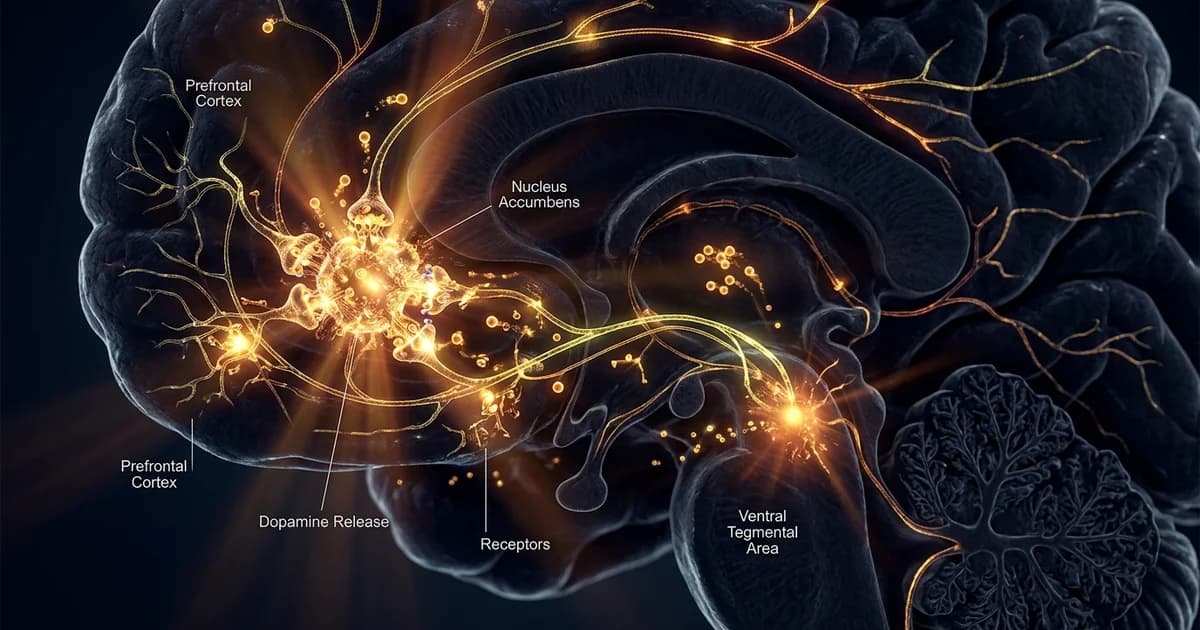
THC works by binding to CB1 receptors throughout your brain. These receptors are part of the endocannabinoid system, which normally fine-tunes everything from mood to appetite to memory. The problem is that CB1 receptors are densely concentrated in the hippocampus, the brain region most closely associated with memory formation.
Your endocannabinoid system operates with precise timing and location. It releases small amounts of natural cannabinoids exactly when and where they're needed. THC ignores that precision entirely. THC activates CB1 receptors broadly and indiscriminately, flooding the system.
When THC hits these receptors, it disrupts synaptic long-term plasticity by reducing presynaptic neurotransmitter release. In plain English: your brain's ability to form and retrieve memories gets temporarily short-circuited. Research published in Neuropsychopharmacology confirmed that hippocampal CB1 receptors specifically mediate the memory-impairing effects of THC.
A separate study published in Cell found something even more specific: THC impairs working memory through astroglial CB1 receptor modulation, meaning it's not just neurons that are affected. The star-shaped support cells in your brain (astrocytes) play a direct role in cannabis-related cognitive impairment.
Your Prefrontal Cortex Takes a Hit Too
The hippocampus handles memory. Your prefrontal cortex handles everything else you'd call "sharp thinking": planning, decision-making, impulse control, attention.
A 2024 study from Massachusetts General Hospital using portable brain imaging found that THC intoxication is characterized by disrupted prefrontal cortex activity. The researchers observed reduced functional connectivity within the prefrontal cortex, and the severity of disruption correlated directly with how intoxicated participants were.
This is why brain fog from weed feels like more than just "bad memory." It's a full-spectrum cognitive slowdown: your attention, your processing speed, your ability to organize thoughts, all dampened at once.
The Working Memory Problem
In January 2025, researchers at the University of Colorado Anschutz Medical Campus published what they called the largest study ever done on cannabis and brain function. The findings were clear: 63% of heavy lifetime cannabis users showed reduced brain activity during working memory tasks. Among recent users, that number climbed to 68%.
The study defined "heavy users" as young adults who had used cannabis more than 1,000 times over their lifetime. The affected brain regions included the dorsolateral prefrontal cortex, dorsomedial prefrontal cortex, and parietal cortex, all areas tied to holding and manipulating information in real time.
Working memory is what lets you follow a conversation, do mental math, or remember what you were just about to say. When brain fog from weed compromises working memory, everything feels harder than it should.
This isn't about intelligence. Plenty of sharp, capable people experience brain fog from weed. The issue is that THC temporarily degrades the neural hardware responsible for real-time cognitive processing. Your IQ doesn't change. Your brain's ability to use it does.
How Long Does Brain Fog From Weed Last After Quitting?
This is the question everyone wants answered. And the honest answer is: it depends.
| Usage Level | Typical Fog Duration | Full Cognitive Recovery |
|---|---|---|
| Occasional (weekly or less) | A few days | 1-2 weeks |
| Regular (daily) | 2-4 weeks | 4-8 weeks |
| Heavy (multiple times daily, years) | 1-3 months | 3-6+ months |
Brain fog from weed tends to peak during the first two weeks of abstinence, then tapers gradually. For heavy, long-term users, some cognitive effects can linger for months.
The encouraging news comes from a Massachusetts General Hospital study that tracked adolescents and young adults who were regular cannabis users. After just 30 days of abstinence, participants showed measurable improvement in memory functions important for learning. Those who continued using showed no such improvement.
According to Harvard Health, symptoms of long-term cannabis use, including brain fog from weed, lowered motivation, and difficulty with attention, are typically reversible. Products with higher THC content may increase risk, but the brain's capacity to bounce back is strong.
What Makes Brain Fog From Weed Worse
Not all cannabis use creates equal fog. Several factors amplify the cognitive hit:
- Higher THC concentrations. Today's cannabis products can contain 20-30% THC or more. Concentrates push even higher. More THC means more CB1 receptor activation, and more cognitive disruption.
- Younger age of first use. The CDC notes that cannabis directly affects brain development, with particular risk for those who start using before age 25, when the prefrontal cortex is still maturing.
- Frequency and duration. A 2025 review in the Journal of Clinical Medicine confirmed consistent impairments in attention, executive function, memory, and learning among chronic users.
- Sleep disruption. Cannabis alters sleep architecture, reducing REM sleep. Since memory consolidation happens during REM, poor sleep compounds brain fog from weed.
- Dehydration and poor nutrition. These aren't unique to cannabis, but they make any cognitive deficit worse.
How to Clear Brain Fog From Weed: What Actually Works
If you're dealing with brain fog from weed, whether you've quit or you're cutting back, here's what the evidence supports on remedies that clear brain fog.
1. Abstinence (Even Temporary)
The single most effective intervention. The MGH study showed memory improvements within 30 days. You don't have to quit forever, but giving your endocannabinoid system time to recalibrate is the fastest path to clarity.
2. Aerobic Exercise
Exercise increases blood flow to the brain, promotes neurogenesis in the hippocampus, and boosts BDNF (brain-derived neurotrophic factor). Even 20-30 minutes of moderate cardio, three to four times per week, can accelerate cognitive recovery. Running, swimming, cycling: pick whatever you'll actually do consistently. The best exercise for your brain is the one you show up for.
3. Sleep Hygiene
Your brain does its repair work during sleep. Consistent sleep and wake times, a cool and dark room, and no screens before bed all help restore the deep and REM sleep cycles that cannabis disrupts.
4. Targeted Cognitive Support
Certain compounds have strong evidence for supporting the exact cognitive functions that cannabis impairs.
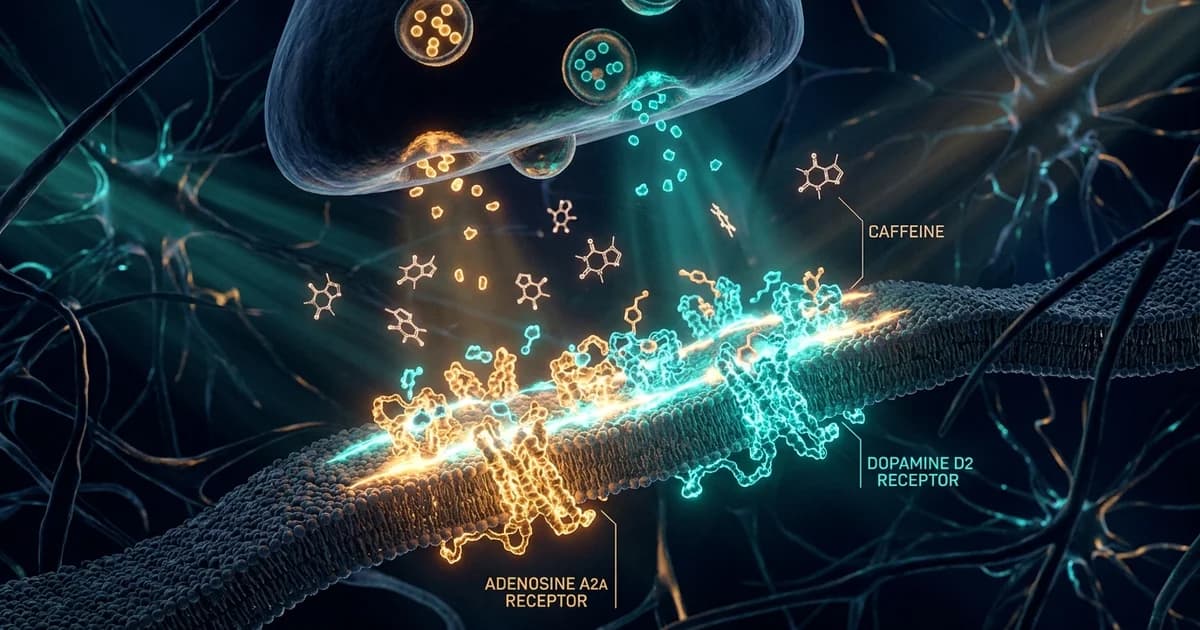
L-Theanine, an amino acid found in green tea, has been studied extensively for its effects on attention and focus. A study published in Nutritional Neuroscience found that the combination of L-Theanine and caffeine improved accuracy during task switching and increased subjective alertness. The pairing works because caffeine sharpens attention while L-Theanine smooths out the jittery edge, producing clean, sustained focus.
Theacrine and methylliberine add another dimension. A randomized crossover study published in Cureus found that the combination of caffeine, theacrine, and methylliberine improved cognitive performance and reaction time without negatively affecting mood. A separate double-blind trial in tactical personnel found similar benefits on reaction time during vigilance tasks.
These aren't obscure compounds. They're well-studied, and they target the exact pathways (attention, working memory, processing speed) that brain fog from weed disrupts.
The Bottom Line on Brain Fog From Weed
Cannabis-related brain fog is real, measurable, and backed by serious neuroscience. THC disrupts hippocampal memory encoding, dampens prefrontal cortex activity, and reduces working memory performance in a dose-dependent way. This isn't speculation. It's what brain imaging studies consistently show.
But brain fog from weed is also reversible. Your brain is remarkably good at recovering, especially with the right support: time off, exercise, quality sleep, and targeted compounds that promote focus and cognitive clarity. The fog lifts. For most people, faster than they expect.
If you're looking for a clean way to sharpen your thinking, Roon combines all four of the compounds discussed above (caffeine, L-Theanine, theacrine, and methylliberine) in a single sublingual pouch. No nicotine, no sugar, no crash. Just 6-8 hours of sustained, jitter-free focus. Roon is built for exactly the kind of cognitive performance that brain fog from weed takes away.
Worth a look at takeroon.com.