Brain Fog Definition: What It Actually Is, Why It Happens
Roon Team
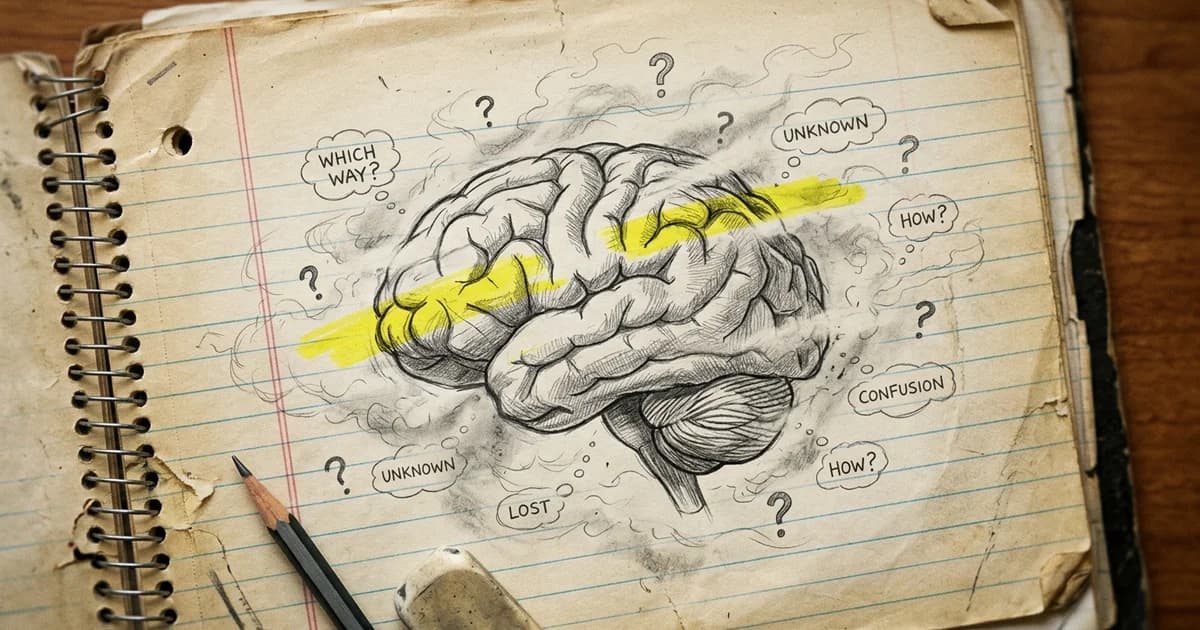
Brain Fog Definition: What It Actually Is, Why It Happens, and How to Fix It
You know the feeling. You're staring at your screen, reading the same sentence for the fourth time, and nothing sticks. Words float past your eyes like subtitles in a language you almost speak. Your brain fog definition might be simple: "I can't think straight." But the science behind this condition is more specific, more useful, and more fixable than you think.
Brain fog isn't a medical diagnosis. The brain fog definition describes a cluster of cognitive symptoms that includes difficulty focusing, slowed processing speed, forgetfulness, and a general sense that your mental sharpness has been replaced by static. A 2024 study published in Frontiers in Human Neuroscience surveyed 25,796 people and found that 28.2% reported experiencing brain fog, with difficulty focusing and concentrating as the most common complaints.
That's roughly one in four people walking around with a brain running at half speed. And most of them have no idea why.
Key Takeaways:
- The brain fog definition covers a set of cognitive symptoms, not a formal medical diagnosis, characterized by poor focus, forgetfulness, and mental sluggishness.
- Common causes include sleep deprivation, chronic stress, poor nutrition, and neuroinflammation.
- Brain fog in the morning often traces back to sleep inertia or disrupted sleep cycles.
- Brain fog and headaches frequently co-occur, especially in migraine sufferers.
- Targeted compounds like caffeine paired with L-Theanine can support sharper cognition without the crash.
What Is Brain Fog, Exactly? A Proper Brain Fog Definition Explained
The term "brain fog" has been around for decades, but researchers are only now treating the brain fog definition with the rigor it deserves. A 2025 review in Trends in Neurosciences described brain fog as a variable set of overlapping symptoms implicating cognition, fatigue, and affect. In plain language: your thinking slows down, you feel drained, and your mood takes a hit, all at once.
The brain fog feeling is distinct from just being tired. Fatigue makes you want to sleep. Brain fog makes you unable to think clearly even when you're wide awake. You might struggle to follow a conversation, forget why you walked into a room, or take 20 minutes to write an email that should take three.
Cleveland Clinic lists the core symptoms as trouble paying attention, difficulty with memory, and reduced mental clarity. These aren't personality flaws or signs of laziness. They're signals that something in your neurochemistry, sleep, or lifestyle is off.
What Causes Brain Fog? Understanding the Brain Fog Definition Through Its Triggers
Brain fog doesn't have a single cause. It has a menu of them. Here are the most common, backed by research.
Sleep Deprivation and Poor Sleep Quality
This is the big one. A 2025 study in PMC found that prolonged sleep loss impairs synaptic plasticity, disrupts memory consolidation, and increases neuroinflammation and oxidative stress. Your brain literally cannot clean itself without adequate sleep. The glymphatic system, which flushes metabolic waste from your brain, operates primarily during deep sleep. Cut that short, and waste products accumulate.
Seven to nine hours isn't a suggestion. It's a biological requirement.
Chronic Stress
Cortisol is useful in short bursts. It sharpens you for a deadline or a dangerous situation. But chronic elevation of cortisol damages the hippocampus, the brain region responsible for memory and learning. The result? Forgetfulness, scattered thinking, and that familiar brain fog feeling that won't lift no matter how much coffee you drink.
Neuroinflammation
Your brain has its own immune system. When neuroinflammation is activated chronically (by poor diet, lack of sleep, infections, or autoimmune conditions) the resulting disruption impairs neural signaling. This is one reason the brain fog definition became a household term during the pandemic, and long COVID brain fog remains one of the most studied forms of the condition. Research on long COVID found that the combined prevalence of brain fog and mental health conditions in long COVID patients was 20.4% across a 3 to 24 month follow-up period.
Poor Nutrition and Dehydration
Your brain consumes roughly 20% of your daily caloric intake. Starve it of glucose, omega-3 fatty acids, B vitamins, or even plain water, and cognitive function drops fast. Dehydration alone can impair attention and working memory within hours.
Medications and Hormonal Changes
Antihistamines, certain antidepressants, blood pressure medications, and chemotherapy drugs can all cause brain fog as a side effect. Brain fog meds, in other words, are sometimes the very medications you're already taking. Hormonal shifts during pregnancy, menopause, or thyroid dysfunction also contribute.
Brain Fog and Headaches: Why They Travel Together
If you've noticed brain fog and headaches showing up as a pair, you're not imagining it. The Global Healthy Living Foundation explains that brain fog is linked to cortical spreading depression (CSD), an electrophysiological event where a wave of neuron inactivation spreads across the brain's cortex. This same mechanism is central to migraine aura.
A brain fog headache isn't just a headache that makes you tired. It's a neurological event where the same inflammatory and electrical disruptions that cause head pain also impair your ability to think. The Frontiers study mentioned earlier found that migraines were one of the strongest comorbidities associated with self-reported brain fog, alongside long COVID and concussions.
If your headaches and cognitive symptoms are recurring together, that's worth bringing to a neurologist, not just managing with ibuprofen.
Brain Fog in the Morning: Sleep Inertia and the Brain Fog Definition in Practice
Waking up foggy doesn't necessarily mean something is wrong. SleepSpace notes that morning brain fog occurs as the brain works to replenish cerebral blood flow after sleep. It literally takes time for blood to flow back into your prefrontal cortex, the region responsible for decision-making and focus.
This process is called sleep inertia, and it typically lasts 15 to 60 minutes. But if your brain fog in the morning persists for hours, the issue is likely upstream: disrupted sleep architecture, sleep apnea, alcohol consumption the night before, or a circadian rhythm that's been thrown off by inconsistent sleep and wake times.
Quick fixes that actually work:
- Morning light exposure within 30 minutes of waking resets your circadian clock.
- Cold water on your face or hands triggers a mild sympathetic nervous system response that accelerates alertness.
- Delaying caffeine by 60 to 90 minutes after waking lets your natural cortisol spike do its job first.
How Long Does Brain Fog Last?
The honest answer: it depends entirely on the cause.
| Cause | Typical Duration |
|---|---|
| Sleep deprivation (one bad night) | Hours to one day |
| Stress-related | Days to weeks (resolves with stress reduction) |
| Post-illness (cold, flu) | 1 to 2 weeks |
| Long COVID | 6 to 18 months (Yale Medicine) |
| Medication side effects | Duration of medication use |
| Hormonal changes (menopause) | Months to years |
If your brain fog is situational (bad sleep, a stressful week, jet lag) it usually clears within days once the trigger is removed. If brain fog is persistent and unexplained, that's a signal to get bloodwork done. Thyroid panels, vitamin D, B12, iron, and fasting glucose can all reveal hidden causes that fit the brain fog definition.
How to Fix Brain Fog: Evidence-Based Strategies
Searching "how to cure brain fog" returns thousands of results, most of them selling you something. Here's what the research actually supports.
Prioritize Sleep Architecture, Not Just Hours
It's not enough to be in bed for eight hours. You need sufficient deep sleep (N3) and REM sleep. Consistent sleep and wake times, a cool and dark bedroom, and cutting screens 60 minutes before bed all improve sleep quality measurably.
Move Your Body
Exercise increases brain-derived neurotrophic factor (BDNF), a protein that supports the growth and survival of neurons. Even 20 minutes of moderate-intensity movement improves focus and memory for hours afterward. You don't need a gym membership. A brisk walk counts.
Address Nutritional Gaps
Omega-3 fatty acids (from fish or algae), magnesium, B vitamins, and adequate protein intake all support neurotransmitter production. If you suspect deficiencies, test rather than guess.
Manage Inflammation
Reduce ultra-processed food intake. Prioritize whole foods. Consider anti-inflammatory compounds like curcumin or omega-3s. And if you have a chronic condition driving inflammation, work with a physician to manage it.
Use Targeted Nootropic Compounds
This is where the brain fog definition meets practical solutions. A study published in Nutritional Neuroscience found that the combination of L-Theanine and caffeine improved accuracy during task switching and self-reported alertness while reducing tiredness. The two compounds work together: caffeine increases arousal and attention, while L-Theanine smooths out the jittery edge and promotes calm focus.
Adding Theacrine and Methylliberine to the mix extends the effect. A randomized crossover study published in Cureus found that a combination of caffeine, Theacrine, and Methylliberine increased cognitive performance and reaction time without negatively affecting mood. Research on tactical personnel showed that combined caffeine, methylliberine, and theacrine provided similar vigilance benefits to double the dose of caffeine alone, without unfavorable changes in blood pressure or heart rate.
The takeaway: these four compounds together produce longer, smoother cognitive performance than caffeine by itself.
Clear the Fog
Brain fog is real. It's measurable. And in most cases, the brain fog definition points to something fixable once you identify the root cause. Start with the basics: sleep, nutrition, movement, and stress management. Get bloodwork if symptoms persist.
And if you want a faster on-ramp to clear thinking while you dial in the fundamentals, Roon was built for exactly this. Roon is a zero-nicotine sublingual pouch that combines Caffeine (80mg), L-Theanine, Theacrine, and Methylliberine, the same four compounds shown in clinical research to support sustained focus without the jitters, crash, or tolerance buildup that coffee and energy drinks leave behind. Six to eight hours of clean cognitive performance, absorbed in minutes.
Your brain isn't broken. It just needs better inputs.