Best Energy Pouches (2026): Caffeine and Nootropic Picks
Best Energy Pouches: Caffeine and Nootropic Options Ranked for 2026
The best energy pouches ranked by actual cognitive benefit, not just milligrams of caffeine. After comparing the published labels, prices and doses of every major brand on the market, our top three picks are Roon (best for sustained all-day focus), Nectr (best for nootropic-first users), and Wip (best for raw energy). Below is the full breakdown of ingredients, dosing, price per pouch, and duration for the seven options worth considering in 2026.
For the wider category view, our best nootropic pouches buyer's guide is the deeper ranking: it scores the same brands on printed doses, duration, and price per pouch, and it is the page to read if you are comparing formulas rather than just caffeine numbers.
Key Takeaways:
- Energy pouches range from 50mg to 200mg of caffeine per pouch, but caffeine content alone does not predict performance.
- Most "nootropic" pouches use proprietary blends that hide actual ingredient doses, making real comparison difficult.
- The best energy pouches combine caffeine with compounds that work through different neurochemical pathways, like L-theanine, theacrine, and methylliberine, for smoother and longer-lasting focus.
- Price per pouch spans $0.40 to over $1.30 at retail, but subscription pricing can cut that by more than 50%.
What Are the Best Energy Pouches in 2026?
The best energy pouches are the ones that match your specific use case: duration of focus needed, caffeine sensitivity, and whether you care about cognitive support beyond raw stimulation. Here is how every major option stacks up in a head-to-head comparison.
| Rank | Brand | Best For | Caffeine (mg) | Key Nootropics | Dose Transparency | Pouches/Tin | Price/Pouch |
|---|---|---|---|---|---|---|---|
| 1 | Roon | Sustained all-day focus (6-8 hrs) | 80 | 60mg L-Theanine, 25mg Dynamine, 5mg TeaCrine | Full | 15 | $1.00 (or $0.61 subscribed) |
| 2 | Nectr (Original) | Nootropic-first, minimal stimulation | 50 | 62.5mg Cognizin Citicoline | Full | 16 | ~$1.00 |
| 3 | Wip | Raw high-dose energy | 100-200 | L-Theanine, B vitamins | Partial (L-theanine amount not published) | 15 | $0.43-$0.53 |
| 4 | NZE | Clean taste, basic nootropic support | 50 | Alpha GPC, L-Tyrosine, L-Theanine | No (doses not published) | 15 | ~$0.47 |
| 5 | Outdare | Moderate balanced energy | 50-75 | L-Theanine, Alpha GPC, GABA, B6, B12 | Partial | 20 | ~$0.90 |
| 6 | Cyclone Pods | Adaptogen-forward | 50 | Lion's Mane, Ashwagandha, Bacopa, Cordyceps, Reishi | No (proprietary blend) | 20 | ~$0.50 |
| 7 | Generic High-Caffeine | Budget caffeine only | 100-150 | None | Varies | 15-20 | ~$0.40 |
Why the top-ranked pouch has 80 mg, not 200. Milligrams set the height of the lift; Roon is built around its length. Its 25 mg methylliberine (Dynamine) slows caffeine clearance: a 12-person crossover PK study found caffeine's half-life rose from 7.2 to 15 hours with an unchanged peak. The doses there were 100 mg methylliberine and 150 mg caffeine (about 4x and 1.9x Roon's), so the direction applies rather than the exact figures. One pouch gives a 6 to 8 hour felt window. Need more? Double-pouch (160 mg) or add one later, keeping to 4 pouches and 400 mg of caffeine a day from all sources.
How Did We Rank These Energy Pouches?
We ranked these seven energy pouches across four criteria: ingredient transparency (are exact doses published?), nootropic depth (are active compounds dosed at levels supported by clinical research?), duration of effect (does it last beyond two hours?), and value (price per productive hour, not just price per pouch).
Caffeine content matters, but it is only one variable. A 200mg caffeine pouch that lasts 90 minutes before a crash delivers less total focus than an 80mg pouch engineered to sustain alertness for 6 to 8 hours. That distinction separates energy pouches from cognitive performance pouches, and it shaped this ranking.
Best Energy Pouches Ranked: Full Reviews
1. Roon, Best for Sustained All-Day Focus
Roon is a zero-nicotine sublingual pouch built on a four-compound stack: 80mg caffeine, 60mg L-theanine, 25mg methylliberine (Dynamine), and 5mg theacrine (TeaCrine). It is the only pouch on this list that targets multiple neurochemical pathways with fully disclosed doses for every active ingredient. Onset is 5 to 10 minutes. Duration is 6 to 8 hours.
Why it ranks #1: The 80mg caffeine dose sits between coffee and high-dose pouches, enough to drive alertness without the anxiety spike that 150mg+ delivers. The 60mg of L-theanine buffers caffeine's jittery edge. A study published in Nutritional Neuroscience found that combining 97mg of L-theanine with 40mg of caffeine improved accuracy during task switching and increased subjective alertness while reducing tiredness.
The real differentiator is the theacrine and methylliberine pairing. A study published in Cureus found that combining caffeine with theacrine and methylliberine improved cognitive performance and reaction time in e-sport athletes without negatively affecting mood. And a study in the Journal of the International Society of Sports Nutrition tracked participants taking theacrine daily for 8 weeks and found no evidence of habituation, a direct contrast to caffeine's well-documented tolerance curve.
Pros: Full dose transparency across all four ingredients. Multi-pathway design targeting adenosine, dopamine, and GABA systems. 6 to 8 hour duration from a single pouch. No nicotine, no tobacco, no sugar. Subscription pricing drops to $0.61 per pouch.
Cons: Only one flavor (Cool Mint) as of 2026. At $1.00 per pouch (one-time 4-tin bundle), it costs more than most competitors unless you subscribe. Not ideal if you want a quick 60-minute energy burst and nothing more.
Best for: Knowledge workers, programmers, and anyone who needs clean, sustained focus across a full work session without re-dosing.
2. Nectr, Best for Nootropic-First Users
Nectr's original pouch contains 50mg of caffeine and 62.5mg of Cognizin Citicoline, a branded form of citicoline manufactured by Kyowa Hakko. Nectr is one of the only brands besides Roon that publishes exact nootropic dosages rather than hiding behind proprietary blends, which matters in any nootropic pouches comparison. They have also released a Focus+ line with 50mg caffeine and a 320mg nootropic stack including Alpha-GPC, L-theanine, L-tyrosine, and Huperzine A.
Pros: Full dose transparency on the original formula. Citicoline is one of the best-studied nootropics for memory and attention support, with clinical research typically using doses of 250mg to 500mg. Low caffeine means minimal crash risk.
Cons: The 62.5mg citicoline dose in the original pouch falls well below the 250mg to 500mg range used in most clinical trials. 50mg of caffeine is still modest for regular coffee drinkers. Limited flavor selection. The newer Focus+ line uses a proprietary blend.
Best for: Users who prioritize nootropic support over stimulation and want full ingredient transparency.
3. Wip, Best for Raw High-Dose Energy
Wip sells pouches in 100mg and 200mg caffeine formats from green coffee bean extract. Their updated formula now includes L-theanine, B vitamins, and minerals alongside the caffeine, putting them a step ahead of where they started as a pure caffeine delivery system. The L-theanine amount is not published: it sits in Wip's Other Ingredients line rather than in the supplement facts panel. Read our full Wip energy pouches review for more detail.
Pros: The strongest caffeine hit in the category. Clean ingredient list with no artificial sweeteners. L-theanine and B vitamins are a welcome addition to the formula. Priced at $0.43 to $0.53 per pouch depending on pack size, which undercuts most energy drinks per serving.
Cons: 200mg of caffeine absorbed sublingually can spike anxiety and heart rate in caffeine-sensitive users. No compounds designed for extended duration or tolerance mitigation. The energy curve is steep: fast onset, fast fade. You will likely need a second pouch within 2 to 3 hours.
Best for: Pre-workout or anyone who already tolerates 200mg+ of caffeine daily and wants a portable, liquid-free alternative to energy drinks.
4. NZE, Best for Clean Taste and Basic Nootropic Support
NZE offers 50mg of caffeine per pouch with Alpha GPC, L-Tyrosine, and L-Theanine. Its Energy line runs eight flavors plus a variety pack: Coffee, Cinnamon, Tropic Mango, Strawberry Kiwi, Lemon Cherry, Wintergreen, Spearmint, and Peppermint. NZE uses natural sweeteners and skips artificial flavoring.
Pros: L-Tyrosine supports dopamine precursor availability, a solid pairing with caffeine. No artificial sweeteners. A variety pack is available. At roughly $0.47 per pouch (based on the 5-pack at $34.99 for 75 pouches), it is one of the most affordable nootropic options.
Cons: NZE prints no milligram figures for its nootropics, so you cannot confirm individual doses. 50mg of caffeine is moderate, so heavy coffee drinkers will feel underwhelmed. Some users report inconsistent pouch moisture across batches.
Best for: Flavor-focused buyers who want a clean-tasting pouch with mild nootropic support at a low price point.
5. Outdare, Best for Moderate Balanced Energy
Outdare positions itself as the clean-label European option. Each pouch delivers 50 to 75mg of natural caffeine along with L-theanine, Alpha GPC, GABA, and vitamins B6 and B12. The inclusion of Alpha GPC is a solid choice for acetylcholine support, and the L-theanine pairing is well-validated. For anyone searching for the best energy pouches with transparent labeling, Outdare deserves a look.
Pros: Clean ingredient list with named actives. Good caffeine-to-L-theanine pairing. Added B vitamins for energy metabolism. Reported onset within 10 minutes. 20 pouches per can.
Cons: GABA taken orally has poor blood-brain barrier penetration, making its inclusion at 10mg unlikely to produce noticeable cognitive effects. Alpha GPC dose is undisclosed. Price per pouch sits higher than most competitors at roughly $0.90.
Best for: Users who want a moderate, European-style energy pouch with some nootropic support and prefer a larger can (20 pouches).
6. Cyclone Pods, Best for Adaptogen Stacking
Cyclone Pods takes the adaptogen-forward approach. Their Focus & Energy pouches contain 50mg of guarana-derived caffeine alongside lion's mane, ashwagandha, cordyceps, bacopa monnieri, and reishi. At $9.99 for 20 pouches (~$0.50 per pouch), it is the most ingredient-dense option at this price point. Effects reportedly last 3 to 4 hours.
Pros: Broad adaptogen and mushroom profile. Moderate caffeine dose. Four flavor options (Cinnamon, Mint, Peach, Wintergreen). Competitive pricing at roughly $0.50 per pouch.
Cons: Uses a proprietary blend, so you cannot verify how much of each adaptogen you are actually getting. Lion's mane clinical studies typically use 500mg to 3,000mg daily; at an undisclosed dose inside a small pouch, the amount is almost certainly sub-clinical. The guarana also adds hidden caffeine beyond the listed 50mg.
Best for: Users who want an adaptogen-forward pouch and prefer a broad ingredient profile over precise dosing.
7. Generic High-Caffeine Pouches, Best for Budget Caffeine
A growing number of white-label and Amazon-native brands sell caffeine pouches in the 100mg to 150mg range with minimal or no nootropic ingredients, though paraxanthine-based pouch options represent a separate emerging category. These stimulant pouches are nicotine-pouch form factors repurposed for caffeine.
Pros: Cheapest option at roughly $0.40 per pouch. Widely available on Amazon. Simple ingredient list.
Cons: No cognitive support beyond caffeine. Often use artificial sweeteners and fillers. No sustained-release mechanism, so the energy curve is spike-and-drop. Quality control varies brand to brand.
Best for: Price-conscious buyers who only need a caffeine hit and do not care about focus, duration, or nootropic support.
What Gaps Exist Across the Best Energy Pouches Category?
After evaluating every major energy pouch on the market, three consistent problems stand out across the category.
Most "Nootropic" Pouches Hide Their Doses Behind Proprietary Blends
Of the seven options ranked above, only two (Roon and Nectr's original formula) publish exact milligram doses for every active ingredient. The rest either use proprietary blends or simply leave the milligrams off the label. A pouch that lists lion's mane, bacopa, and ashwagandha could contain 5mg of each. That is not a nootropic stack. That is a label designed to look like one. Without dose transparency, you cannot evaluate whether any non-caffeine ingredient is doing real work.
Caffeine Tolerance Erodes Every Pouch Over Time
Caffeine tolerance is not speculation; it is a well-documented physiological response. Regular users need higher doses over time to achieve the same alertness. A review in Psychopharmacology confirmed that complete caffeine tolerance can develop in as few as 1 to 4 days of repeated exposure. Every pouch on this list that relies on caffeine as its sole active stimulant will deliver diminishing returns within weeks. Only compounds with demonstrated non-habituating properties, like theacrine, address this directly.
Few Pouches Engineer for Duration
High-caffeine stimulant pouches (100mg+) hit hard and fade fast, typically within 60 to 90 minutes. Low-caffeine pouches (50mg or less) avoid the crash but often fail to deliver noticeable alertness for regular coffee drinkers. The most effective approach, according to the research, is multi-compound formulas that layer fast-onset and slow-release ingredients. A study published in Cureus demonstrated that caffeine combined with theacrine and methylliberine produces sustained cognitive improvement without mood disruption. Very few commercial pouches apply this principle.
No Multi-Pathway Stimulation
Caffeine works by blocking adenosine receptors. That is one mechanism. The most effective cognitive performance stacks combine compounds that operate through different neurochemical pathways, creating a broader, more sustained effect than any single ingredient alone.
The caffeine-plus-L-theanine combination is the most studied pairing. A study in Nutritional Neuroscience showed that combining 97mg of L-theanine with 40mg of caffeine improved accuracy during task switching and increased alertness while reducing tiredness. Adding theacrine and methylliberine layers on dopaminergic and additional adenosinergic activity. These are not obscure findings, and they are central to evaluating nicotine-free pouches for mental clarity.
How to Choose the Right Energy Pouch for You
Picking the right pouch comes down to three questions:
-
How long do you need to focus? If you need 60 minutes of energy for a workout, a high-caffeine pouch like Wip works fine. If you need 6 to 8 hours for a work session, you need a multi-compound formula like Roon.
-
How caffeine-sensitive are you? If 200mg makes you anxious, stick with options in the 50 to 80mg range (Nectr, Outdare, NZE, or Roon). If you drink three cups of coffee daily without issue, Wip's 200mg format will feel appropriate.
-
Do you care about nootropic support? If you just want caffeine in a convenient format, generic pouches or Wip deliver that. If you want cognitive enhancement beyond stimulation, prioritize brands with disclosed nootropic doses at clinically relevant levels.
The Bottom Line on Energy Pouches in 2026
The energy pouch category has matured past the point where milligrams of caffeine is a useful ranking metric. The best energy pouches ranked here separate themselves by ingredient transparency, clinical dosing, and duration of effect. No single pouch wins every category. Wip delivers the most caffeine. Nectr offers the most transparent nootropic formula at low stimulation. Cyclone Pods casts the widest adaptogen net. The deciding factor is whether the pouch is engineered for the length and quality of focus you actually need, or just designed to spike your alertness and let it crash.
Related from Roon
- Wip Energy Pouches Review
- Mojo vs. Nectr vs. Dialed In: Nootropic Pouches Comparison
- Ultra Pouches Review
- Best Nicotine-Free Pouches for Mental Clarity
Frequently Asked Questions
What are energy pouches and how do they work?
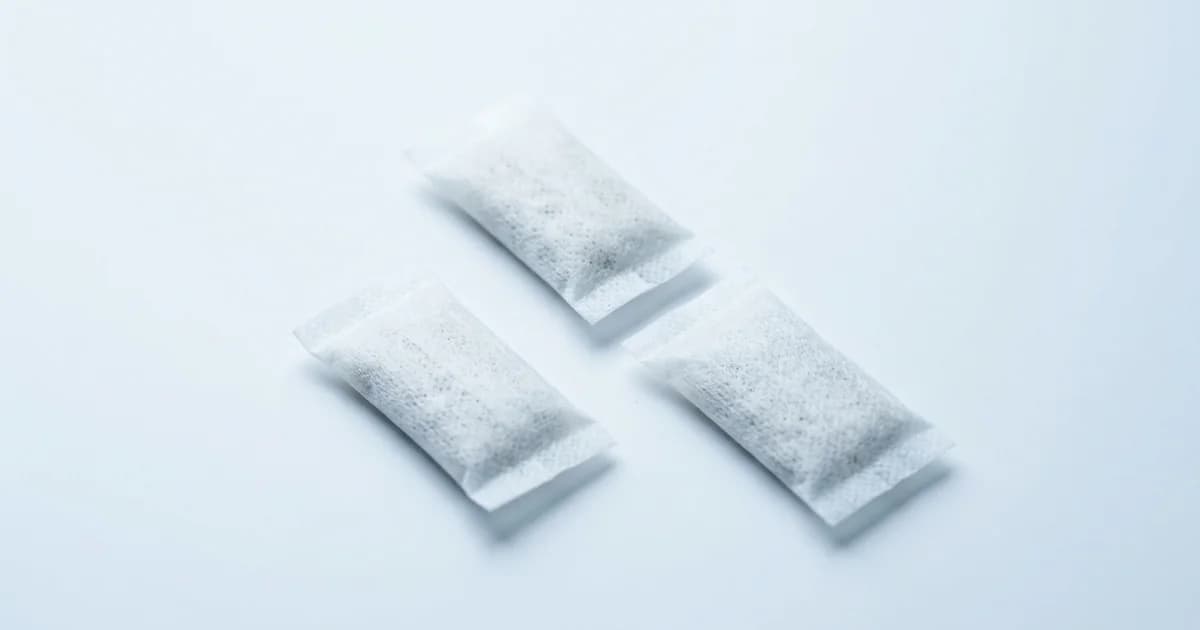
Energy pouches are small, tea-bag-style sachets you place between your lip and gum. Active ingredients like caffeine absorb through the oral mucosa directly into the bloodstream, bypassing the digestive system. This sublingual delivery typically produces onset within 5 to 15 minutes, faster than drinking coffee or swallowing a pill. Most pouches are zero-nicotine and zero-tobacco.
How much caffeine is in an energy pouch?
Caffeine content varies from 50mg to 200mg per pouch depending on the brand. Nectr, NZE, Cyclone Pods, and Outdare sit at the low end, clustering around 50 to 75mg. Roon contains 80mg. Wip offers 100mg and 200mg options. For context, an 8-ounce cup of brewed coffee contains roughly 95mg of caffeine.
Are energy pouches safe?
Energy pouches use ingredients that are Generally Recognized as Safe (GRAS) by the FDA, including caffeine, L-theanine, and B vitamins. The primary risk is overconsumption of caffeine. The FDA considers 400mg of caffeine per day a generally safe limit for healthy adults. Users with heart conditions, anxiety disorders, or caffeine sensitivity should consult a physician before use.
What is the difference between energy pouches and nicotine pouches?
The format is identical: a small pouch placed between the lip and gum. The contents differ entirely. Nicotine pouches contain nicotine, an addictive stimulant derived from or synthesized to mimic tobacco alkaloids. Energy pouches contain caffeine and, in some cases, nootropic compounds. They contain zero nicotine and zero tobacco. They are designed as a productivity tool, not a nicotine replacement.
Do energy pouches cause a caffeine crash?
High-dose, single-ingredient caffeine pouches (100mg+) frequently produce a noticeable crash as caffeine levels drop, typically 60 to 90 minutes after use. Pouches that pair caffeine with L-theanine, theacrine, or methylliberine produce a smoother energy curve and less perceptible crash. The duration and shape of the effect depends on the formula, not just the caffeine dose.
How long do energy pouches last?
Duration ranges from 1 to 8 hours depending on the product. Single-ingredient caffeine pouches typically peak within 30 minutes and fade within 1 to 2 hours. Multi-compound pouches like Roon (caffeine + L-theanine + methylliberine + theacrine) are designed for 6 to 8 hours of sustained effect. Cyclone Pods reports 3 to 4 hours.
Can energy pouches help you quit nicotine?
Energy pouches provide the oral fixation and mild stimulation that nicotine users miss when quitting, which is why many people use them as a transition tool. They do not contain nicotine and do not address nicotine withdrawal directly. They are not FDA-approved cessation aids. For clinically validated quit strategies, consult smokefree.gov.
Which energy pouch has the best value?
Value depends on whether you measure by price per pouch or price per productive hour. Wip on its 6-pack is the cheapest named brand at $0.43 per pouch, with NZE at roughly $0.47. Generic caffeine pouches start around $0.40. But if a $0.61 pouch (Roon on subscription) delivers 6 to 8 hours of focus versus a $0.47 pouch that lasts 1 to 2 hours, the cost per productive hour favors the longer-duration option. Define your metric before comparing prices.
Why Roon's 80mg of Caffeine Outlasts a Large Coffee
Most energy pouches pack in more caffeine and hope that solves the problem. Roon uses less caffeine and changes the curve instead.
The key is Dynamine (methylliberine, 25mg). In a human pharmacokinetic study, co-administering methylliberine with caffeine reduced caffeine's oral clearance by more than half and extended its half-life from roughly 7 to 15 hours, with no increase in peak concentration. Same peak, longer tail. That is why Roon delivers a felt window of 6 to 8 hours from just 80mg of caffeine, roughly a small coffee's worth. L-theanine (60mg) smooths the response. TeaCrine (5mg) adds a compound that does not build tolerance the way caffeine does. Duration is what you are paying for.
The honest trade-off: a longer half-life means you should not take it late in the day. Stop at least 8 hours before bed. And Roon is not the cheapest pouch on this list. It contains no adaptogens, no mushroom extracts, no paraxanthine. If you need a 200mg caffeine hit for heavy lifting, other pouches serve that better.
But if your actual problem is re-dosing every 90 minutes or watching every pouch fade by hour three, Roon was built for that failure mode. 15 pouches per tin, $9.16 subscribed ($0.61/pouch), onset in 5 to 10 minutes. Try it at takeroon.com.
Written by Roon Team