Pre-Workout Pouches: The Best Nicotine-Free Options for the Gym
Pre-Workout Pouches: The Best Nicotine-Free Options for the Gym
Short answer: A pre-workout pouch is for training when you want caffeine without a shaker. Roon (80 mg caffeine, 60 mg L-theanine, 25 mg Dynamine, 5 mg TeaCrine) suits focus-heavy sessions, Wip and Berserker are the 100 mg-plus stimulant picks, and Grinds is for coffee flavor. None contain citrulline or beta-alanine, so a pump still needs a powder.
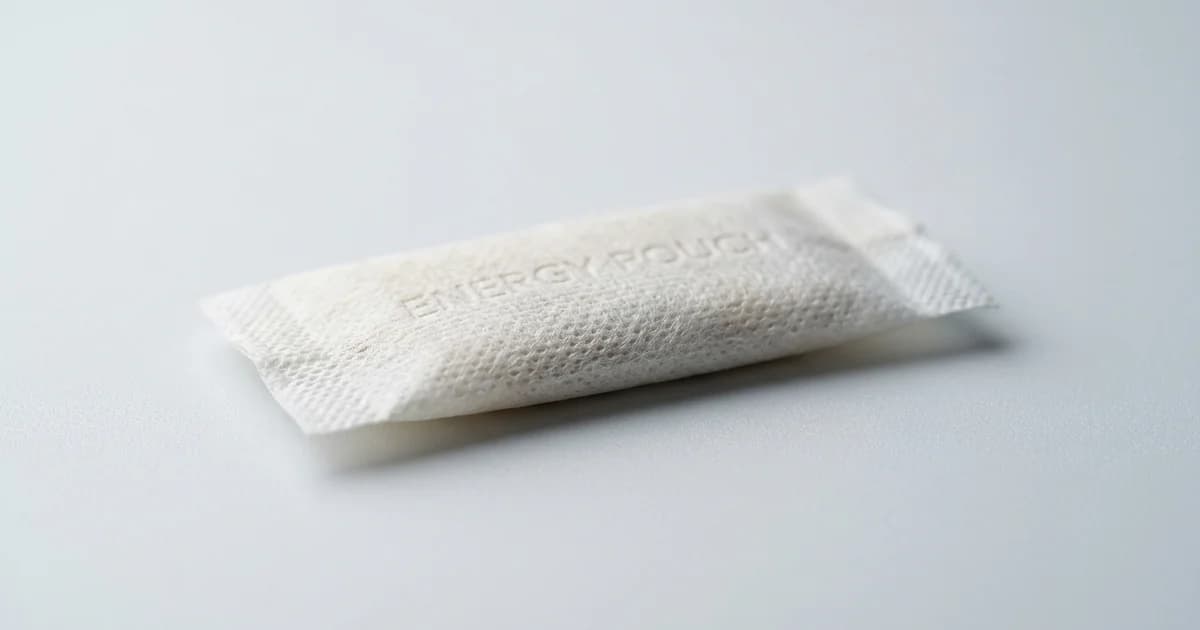
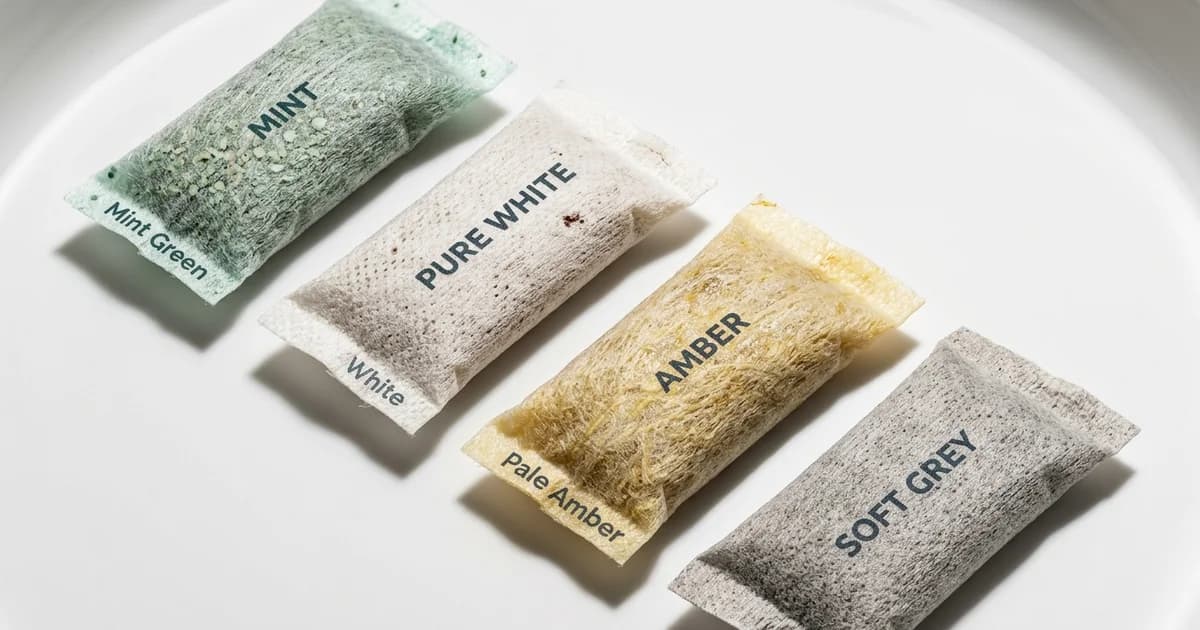
Pre workout pouches are small nicotine-free sachets you tuck under your lip before training. They exist for one situation: you hit the gym after work, you forgot your shaker bottle, and the last thing you want is to chug 16 ounces of sour blue liquid in a crowded parking lot. You park a pre workout pouch under your lip, leave it through the warm-up, and the caffeine starts working before your first set.
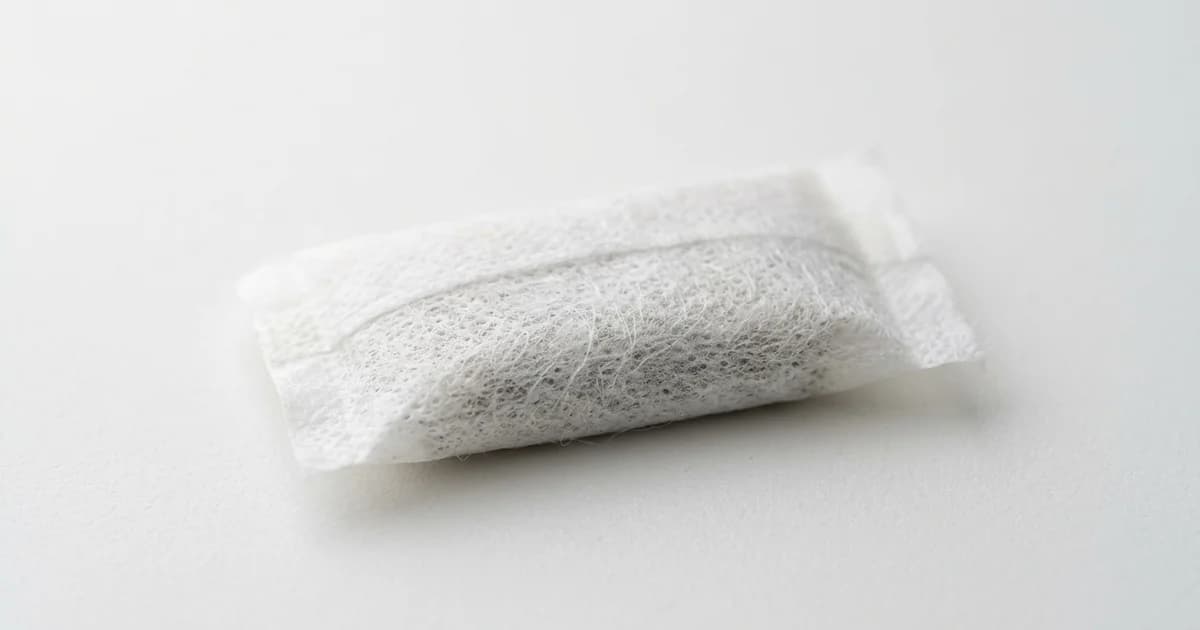
A caffeine pouch is a small fiber sachet you park between your gum and cheek. No water, no mixing, no 300 mg jitter bomb. The active ingredients absorb partly through the tissue in your mouth, which is faster than swallowing a capsule and waiting for your stomach to catch up.
The category is messy, though. Some pouches are basically chewing tobacco without the tobacco. Others are pre-workout powders crammed into a sachet. Below I rank the options that actually make sense for training, then show you the one gap almost every product on the market still misses.
Key Takeaways
- A pre workout pouch beats a powder for speed and convenience: oral tissue absorbs caffeine faster than your gut, and there is nothing to mix.
- Most caffeine pouches give you stimulant, not focus: very few add L-theanine, the amino acid that smooths out the edge.
- Pump ingredients do not fit in a pouch: if you want citrulline and beta-alanine, a pouch will never replace a full powder.
- The best pouch for the gym pairs a real caffeine dose with focus support and a long, flat energy curve, not a 30-minute spike and crash.
Why a Pre Workout Pouch Works Faster Than a Powder
A pre workout pouch works faster than a capsule because part of the caffeine skips your digestive system entirely. When you hold a pouch in your mouth, some of the caffeine crosses the tissue lining directly into your bloodstream.
Research backs the speed claim. Buccal absorption of caffeine bypasses digestion, can elicit peak serum caffeine concentration within roughly 30 minutes of administration, and thereby may elicit cognitive benefits faster than ingesting caffeine, according to a 2025 paper in the European Journal of Applied Physiology. That is the entire pitch for the format. You get a head start.
The convenience matters more than people admit. No bloating from a liter of fluid mid-session. No artificial sweetener film on your teeth. You can dose precisely and stop when you want to. For early lifters, lunchtime sessions, or anyone who trains fasted, that control is the point.
What to Look For in Caffeine Pouches for the Gym
Before the rankings, here is the checklist I use to judge any pre workout pouch.
- Caffeine dose you can actually feel: somewhere in the 75 to 100 mg range per pouch is the sweet spot for training without overshooting.
- Zero nicotine: this should be obvious, but plenty of "pouches" on shelves are nicotine products. For the gym, you want stimulant energy, not a nicotine habit.
- Focus support, ideally L-theanine: caffeine alone can feel scattered and twitchy. L-theanine pairs with it to sharpen attention.
- A flat energy curve: you want six hours of usable focus, not a 30-minute spike followed by a 2 p.m. crash.
- A printed dose you can check: skip the mystery proprietary blends and the pouches that print no number at all.
The Best Caffeine Pouches for the Gym, Ranked
I compared the leading nicotine-free caffeine pouches and pre-workout pouches on dose, focus support, energy curve, and gym fit. Here is the honest breakdown.
Pre-Workout Pouches by Caffeine and Price
Price per 100 mg of caffeine = price per pouch / caffeine mg x 100.
| Pouch | Caffeine per pouch | Other actives (as published) | Pouches per can | Price per pouch (brand site) | Per 100 mg caffeine |
|---|---|---|---|---|---|
| Roon | 80 mg | 60 mg L-theanine, 25 mg Dynamine, 5 mg TeaCrine | 15 | from $0.61 (subscription) | $0.76 |
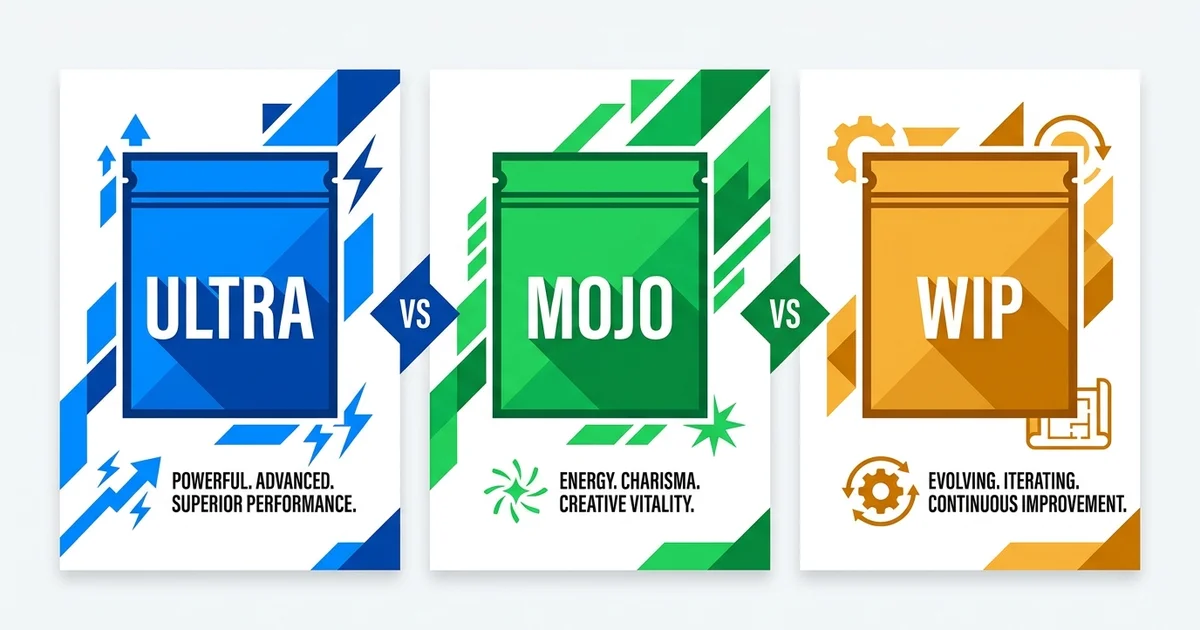
| Wip | 100 or 200 mg | B vitamins, chromium (no mg) | 15 | $0.44 to $0.50 (6-pack); $0.38 to $0.42 subscribed | $0.21 to $0.44 |
| Berserker | 100 mg | Alpha-GPC, L-tyrosine, GABA, taurine, theobromine (no mg) | 20 | $0.38 (1 can, $7.60); $0.35 (10-pack, $70.00) | $0.35 to $0.38 |
| Grinds Coffee Pouches | 3, 25, 50 or 100 mg by flavor | none | about 18 | $0.33 (1 can, $5.95) | $0.33 to $1.32 (100 mg to 25 mg flavors) |
| Grinds Red Eye Espresso | 100 mg | none | about 12 | $0.83 (1 can, $9.95) | $0.83 |
Source: brand labels and product pages, prices checked Oct 2026 (takeroon.com, wip.com, berserkerpouches.com, getgrinds.com).
Why Roon uses 80 mg. Cost per 100 mg rewards the biggest dose, which mostly raises the peak. Roon keeps the peak at small-coffee level and adds 25 mg methylliberine (Dynamine), which slowed caffeine clearance in a crossover PK study (n=12): half-life went from 7.2 to 15 hours with no higher peak. That study used 100 mg methylliberine and 150 mg caffeine, about 4x and 1.9x a Roon pouch, so the direction carries over, not the exact numbers. The felt window is 6 to 8 hours. Many lifters double-pouch (160 mg) or add one later; stay at 4 pouches and 400 mg of caffeine a day from all sources.
How we compared: Every number above is the brand's own label, FAQ or store price. We did not lab-test or use these pouches in training, and Roon makes one of them, so treat the ranking as a manufacturer's view you can check against the linked pages. For the case for swapping powder for a pouch at all, see why a nootropic pouch can replace pre-workout.
1. Roon
Roon is a sublingual cognitive performance pouch built around a four-ingredient stack: 80 mg caffeine, 60 mg L-theanine, 25 mg methylliberine (Dynamine), and 5 mg theacrine (TeaCrine). It is the only option here that pairs a real caffeine dose with the focus and longevity ingredients most pouches leave out.
The caffeine and L-theanine combination is the reason it lands differently than a plain caffeine pouch. The 80 mg dose is enough to train on, the L-theanine takes the jitter off, and the methylliberine and theacrine stretch the energy curve. Roon targets a 5 to 10 minute onset and a 6 to 8 hour window with no crash.
What it is not: a pump product. There is no citrulline, no beta-alanine, no creatine. If your goal is vascularity and volume, Roon will not do that job. If your goal is locked-in focus and clean energy for the session, it is the most complete pouch on this list.
2. Grinds Coffee Pouches
Grinds is the most recognizable name in nicotine-free coffee pouches, and it has a loyal following among guys quitting dip. Grinds Coffee Pouches are a nicotine-free clean energy option, with 3, 25, 50 or 100 mg of caffeine per pouch depending on flavor and about 18 pouches per can.
The strength is flavor and ritual. Grinds nails the dip-replacement experience with options like Caramel, Mocha, and Wintergreen. The caffeine per pouch is modest, so you can pace yourself across a session.
The weakness for training is dose and focus. A 25 mg flavor is light if you want a true pre-workout hit, so you may run two or three pouches. There is no L-theanine and no longevity ingredients, so the energy is straight caffeine with no smoothing.
3. FlowBlend Pre-Workout Pouches
FlowBlend leans directly into the gym crowd with pouches marketed as a pre-workout alternative. Its STOKED pouch prints the whole panel: 25 mg PurCaf organic caffeine, 50 mg L-theanine, 50 mg Siberian ginseng, 30 mg CoQ10, 1 mg PQQ, 200 mcg methylfolate, and 100 mcg B12 per pouch. Caffeine handles alertness and L-theanine smooths out the intensity for a more focused drive. CBD sits in FlowBlend's separate CLUTCH line, not in STOKED.
Credit where due: FlowBlend includes L-theanine, which most pouch brands skip. That puts it ahead of plain coffee pouches for focus quality. The brand also positions its pouches around faster absorption than energy drinks.
The trade-offs are the extras. Siberian ginseng, CoQ10, and PQQ add cost and noise without strong evidence they improve a workout. If you want the caffeine-theanine core without the kitchen-sink additions, the formula is busier than it needs to be, and 25 mg is a light caffeine dose for a pre-workout.
4. Generic "Energy Pouches" and Nicotine-Pouch Lookalikes
A growing shelf of generic energy pouches mimics the look of nicotine pouches but swaps in caffeine, B vitamins, and flavor. Some are genuinely nicotine-free; many are sold right next to nicotine products and are easy to confuse.
The upside is availability and price. They are cheap, minty, and everywhere. For a quick caffeine top-off, they do the job.
The downside is they are stimulant-only. No L-theanine, no focus pairing, and frequently no clear caffeine number on the label. For the gym, that means a sharp hit with no smoothing and an energy curve you cannot predict. Read every label, because the nicotine versions look nearly identical.
Comparison Table: Pre Workout Pouches at a Glance
| Product | Caffeine per pouch | Focus support | Longevity ingredients | Best for | Nicotine-free |
|---|---|---|---|---|---|
| Roon | 80 mg | L-theanine 60 mg | Dynamine 25 mg + TeaCrine 5 mg | Focus + sustained energy | Yes |
| Grinds | 3 to 100 mg by flavor | None | None | Dip replacement, flavor | Yes |
| FlowBlend STOKED | 25 mg PurCaf caffeine | L-theanine 50 mg | Siberian ginseng, CoQ10, PQQ | Pre-workout swap | Yes |
| Generic energy pouches | Often unlisted | None | None | Cheap caffeine top-off | Varies, check label |
What's Missing From Most Caffeine Pouches
Here is the honest gap analysis after comparing the field. Most caffeine pouches solve the format problem and stop there.
Gap 1: They give you stimulant, not focus. Plain caffeine pouches like Grinds and most generics deliver caffeine and nothing to balance it. Research has found that a combination of L-theanine and caffeine improved cognitive performance, and the 2025 write-up on combining the two describes how the pair can balance each other out while aiding focus and mental clarity. Without L-theanine, you get the buzz and the twitch.
Gap 2: The energy curve is short. Caffeine alone tends to spike and fade. A productive workout plus the hours after it need a flatter curve, and a plain caffeine pouch rarely delivers that. This is where most products force a refill mid-session or leave you flat by the afternoon.
Gap 3: Doses are vague or too light. Coffee-equivalent pouches are intentionally mild, and many generic energy pouches do not print a caffeine number at all. You cannot dose what you cannot measure.
Gap 4: The pump crowd is out of luck either way. No pouch fits clinical doses of citrulline (6 to 8 grams) or beta-alanine (3 to 5 grams). Those are bulk powders by physics. A pouch will never be a pump product, and any brand claiming otherwise is overselling. FlowBlend gets closest on focus by adding L-theanine, but loads on ginseng, CoQ10, and PQQ instead of nailing the core.
So the gap is specific. The market is full of pouches that handle convenience and a few that handle focus, but very few that combine a real caffeine dose, focus support, and a long flat curve in one product.
How One Pouch Was Built to Fill These Gaps
Roon reads like a direct answer to that gap list, which is why it sits at the top of the table.
It addresses Gap 1 with 60 mg of L-theanine alongside 80 mg of caffeine, the exact pairing the research points to for focus without the jitter. A 2025 study in elite wrestlers describes caffeine combined with L-theanine as a dual-action strategy, with L-theanine stimulating alpha brain-wave activity associated with relaxed concentration.
It addresses Gap 2 with methylliberine (Dynamine) and theacrine (TeaCrine), two compounds added to extend the energy curve and aim for a 6 to 8 hour window instead of a fast spike and crash.
It addresses Gap 3 by printing exact doses on the label, so you know you are getting 80 mg, not a guess. And it is honest about Gap 4: Roon is a focus and energy pouch, not a pump product. For citrulline and beta-alanine, you still need a powder.
Which Pre-Workout Pouch Has the Most Caffeine?
Wip's 200 mg pouch has the most caffeine of the pouches compared here, ahead of Berserker, Grinds Red Eye and Wip's own 100 mg strength at 100 mg each. Roon sits at 80 mg. Two 200 mg pouches reach the FDA's 400 mg daily figure for healthy adults, so count any coffee or energy drink on training days. Berserker packs 20 pouches per can, the most here, which is why its price per pouch is low.
Matching the Pouch to Your Training Goal
A caffeine pouch is one of the simplest upgrades you can make to your gym routine. It is faster than a capsule, cleaner than an energy drink, and you can carry a week of them in your pocket.
The format is settled. The differences come down to what is inside. A plain coffee pouch covers convenience and flavor. A pre-workout pouch with L-theanine covers focus. The best option for training pairs a measurable caffeine dose, a focus ingredient, and something to flatten the curve so you do not crash mid-session.
Match the pouch to the goal. For pump and volume, reach for a powder. For sharp, sustained focus that starts before your warm-up ends, a well-formulated pouch wins.
Frequently Asked Questions
Are caffeine pouches better than pre-workout powder?
For focus and convenience, yes. A pouch absorbs partly through the tissue in your mouth, which is faster than waiting for a powder to clear your stomach, and there is nothing to mix. For muscle pump and endurance, no. Clinical doses of citrulline and beta-alanine are too large to fit in a pouch, so a powder still wins for those specific goals. Many lifters use a pouch for focus and skip the pump ingredients entirely.
How much caffeine is in a pre workout pouch?
It varies widely. Coffee-style pouches like Grinds run 25 to 100 mg depending on flavor, and Grinds also lists a 3 mg option. Performance pouches built for training tend to land between 75 and 100 mg per pouch, which is a usable training dose. Many generic energy pouches do not print a caffeine number at all, so check the label before you assume a dose. A pouch with 80 mg gives you a clear, measurable hit you can plan around.
Are caffeine pouches safe?
For most healthy adults, a single nicotine-free caffeine pouch in a normal dose is comparable to a cup of coffee. Keep your total daily caffeine in mind across all sources, including coffee and energy drinks. Mild mouth tingling or gum irritation can happen with any pouch. If you are pregnant, sensitive to stimulants, or managing a heart condition, talk to your doctor before using any caffeinated product.
Do caffeine pouches actually work faster?
Partly, yes. Some caffeine absorbs through the lining of your mouth, which skips the digestive step. Research on buccal caffeine shows it can reach peak blood levels within roughly 30 minutes and may deliver cognitive benefits faster than swallowing it. The rest absorbs through your gut as you swallow saliva. The net effect is a quicker onset than a capsule, which is why pouches suit a short warm-up window.
Can I use a caffeine pouch instead of a full pre-workout?
It depends on what you want from your pre-workout. If your goal is energy and focus, a well-dosed pouch can replace a powder cleanly. If your goal is pump, vascularity, and endurance buffering, a pouch cannot match a powder loaded with citrulline and beta-alanine. Many lifters use both: a pouch for focus on lighter days and a full powder when they want the pump.
What is the difference between caffeine pouches and nicotine pouches?
They look almost identical, which causes real confusion on store shelves. Caffeine pouches deliver caffeine and sometimes focus ingredients with zero nicotine. Nicotine pouches deliver nicotine, which is addictive and does nothing for a workout. Always read the label. For the gym, you want the caffeine version. If you are using pouches to move away from nicotine, the nicotine-free options are the whole point.
Do caffeine pouches cause a crash?
Plain caffeine pouches can, because caffeine alone tends to spike and fade. Pouches that add L-theanine and longevity compounds like theacrine are designed to flatten that curve and reduce the drop-off. If you are crashing in the afternoon, look at your total caffeine, your sleep, and whether your pouch has anything beyond raw caffeine to smooth the descent.
If You Want Focus, Not Pump, in a Pouch
The gap analysis above lands on one specific need. A pouch that gives you a real, measurable caffeine dose, the focus support of L-theanine, and something to keep the energy flat for hours instead of minutes. That is the slot most caffeine pouches leave open.
Roon was built for that slot. It is a sublingual pouch with 80 mg caffeine, 60 mg L-theanine, 25 mg methylliberine (Dynamine), and 5 mg theacrine (TeaCrine), designed for a 5 to 10 minute onset and a 6 to 8 hour window with no jitters and no crash. The L-theanine pairs with the caffeine for focus, and the Dynamine and TeaCrine stretch the curve.
To be clear about what it is not: Roon is not a pump product and not a replacement for citrulline or beta-alanine. If you want vascularity, keep your powder. If you want sharp, sustained focus that starts before your warm-up ends, try Roon and skip the shaker bottle.
Written by Roon Team