Nootropics for Memory: The Complete Guide
Roon Team
Nootropics for Memory: The Complete Guide
Your memory isn't failing you because you're getting older. It's failing you because your brain is running on fumes, overstimulated, undersupported, and expected to perform like it's 2005 when you only had three browser tabs open.
Nootropics for memory are compounds that support the biological processes behind how you encode, store, and retrieve information. Some boost neurotransmitter production. Others increase cerebral blood flow or protect neurons from oxidative stress. A few do all three. But the category is broad, the marketing is loud, and most people have no idea which nootropics for memory actually work.
This guide breaks down the science. No hype. No "top 10 brain pills" listicle energy. Just what the clinical data says about which nootropics for memory actually deliver results, how they work, and how to use them.
Key Takeaways:
- Memory relies on specific neurotransmitter systems and brain structures that nootropics for memory can target
- Bacopa monnieri, creatine, and the caffeine + L-theanine combination have the strongest clinical evidence for memory-related benefits
- Stacking complementary nootropics for memory often produces better results than any single compound
- Delivery method matters: how fast a nootropic reaches your bloodstream affects how well it works
How Memory Actually Works (And Where Nootropics for Memory Help)
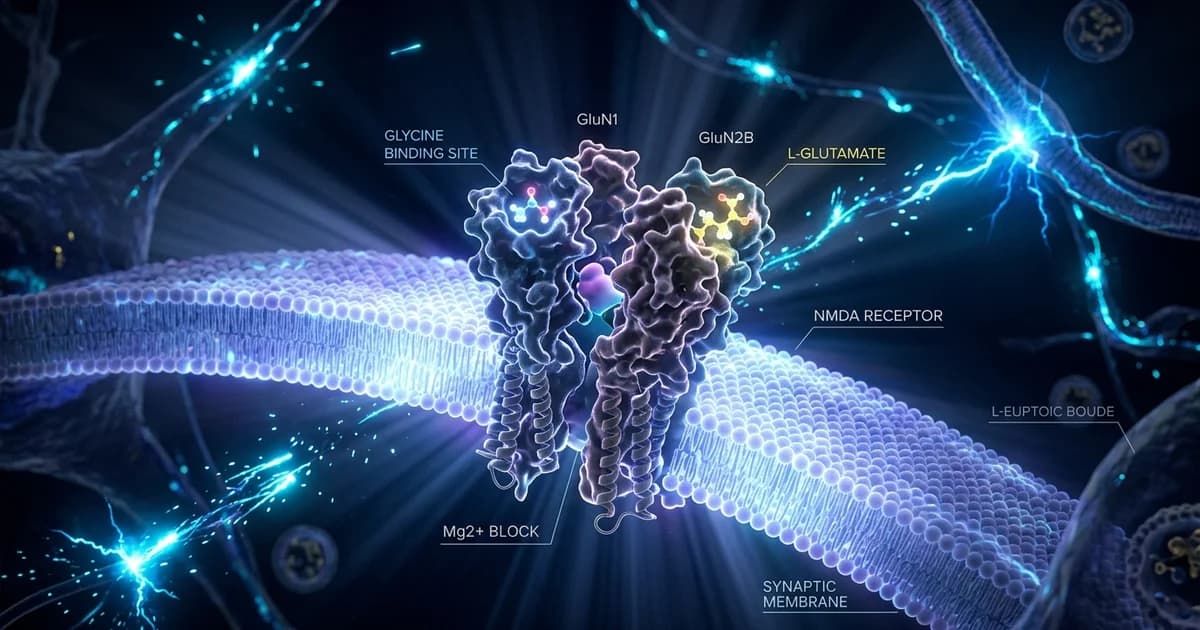
Before you can evaluate nootropics for memory, you need a basic model of how memory works in the first place.
Memory isn't one thing. It's a process with distinct stages: encoding (getting information in), consolidation (making it stick), and retrieval (getting it back out). Each stage depends on different brain regions and neurotransmitter systems.
The hippocampus handles the initial encoding of new memories. The prefrontal cortex manages working memory, the scratchpad your brain uses to hold and manipulate information in real time. And acetylcholine, the neurotransmitter most closely associated with learning, acts as the chemical signal that tells your brain "this is worth remembering."
Memory breaks down when any of these systems get compromised. Sleep deprivation tanks consolidation. Chronic stress shrinks the hippocampus over time. Inflammation disrupts neurotransmitter signaling. Even something as simple as dehydration can impair working memory within hours.
Nootropics for memory work by supporting one or more of these systems. The best ones target multiple pathways at once.
The Nootropics for Memory With Real Evidence Behind Them
Not every compound sold as a "memory supplement" deserves the label. Here are the ones with actual clinical data.
Bacopa Monnieri
Bacopa is the most well-studied natural nootropic for memory, and it earns that reputation. A randomized, double-blind, placebo-controlled trial found that Bacopa improved verbal learning, memory acquisition, and delayed recall in older adults. The effects were measured using the Auditory Verbal Learning Test, one of the gold-standard tools in memory research.
The catch: Bacopa takes time. Most studies show benefits emerging after 8 to 12 weeks of daily use. Bacopa works by modulating serotonin and acetylcholine signaling while also reducing oxidative damage in the hippocampus. If you're looking for a long-term memory support compound, Bacopa has the strongest evidence base of any herbal nootropic.
Typical effective dose: 300mg daily of an extract standardized to 50% bacosides.
Caffeine + L-Theanine
This is the most reliable nootropic stack for cognitive performance, and its benefits extend into memory-adjacent territory. A study published in Nutritional Neuroscience found that a combination of 97mg L-theanine and 40mg caffeine improved accuracy during task switching and increased subjective alertness compared to placebo.
Why does this matter for memory? Because attention is the gateway to encoding. You can't remember what you never properly encoded in the first place. The caffeine provides the alertness. The L-theanine smooths out the jittery edges and promotes alpha brain wave activity, the same pattern associated with relaxed focus and better learning states.
This combination works fast, usually within 20 to 30 minutes, and the effects last for several hours without the crash you'd get from caffeine alone.
Creatine
Most people think of creatine as a gym supplement. They're missing half the picture. Your brain consumes roughly 20% of your body's total energy, and creatine plays a direct role in how that energy gets produced and recycled.
A 2024 systematic review and meta-analysis analyzed randomized controlled trials on creatine and cognitive function. The results showed that creatine supplementation had a positive effect on memory (SMD = 0.31, 95% CI: 0.18-0.44). The benefits were particularly strong for tasks involving short-term memory and reasoning under stress or sleep deprivation.
A separate study published in Scientific Reports found that even a single dose of creatine improved cognitive performance during sleep deprivation, with measurable changes in cerebral high-energy phosphates.
Typical effective dose: 3 to 5g daily of creatine monohydrate.
Lion's Mane Mushroom
Lion's Mane (Hericium erinaceus) is one of the few natural compounds shown to stimulate nerve growth factor (NGF) production, a protein that supports the growth, maintenance, and survival of neurons.
A 2023 double-blind pilot study in young adults found that Lion's Mane supplementation showed promise in improving cognitive function and mood. Earlier research in older adults with mild cognitive impairment showed improvements in cognitive test scores during the supplementation period.
The research on Lion's Mane is still developing. The mechanistic data is strong (NGF stimulation is well-documented), but the human clinical trial base is smaller than Bacopa's. Think of Lion's Mane as a promising compound with solid biological plausibility and growing evidence.
Omega-3 Fatty Acids (DHA)
DHA makes up a large percentage of the polyunsaturated lipids in brain cell membranes. DHA is not a nootropic in the traditional sense, but it's a foundational nutrient for memory function.
A 2025 dose-response meta-analysis published in Scientific Reports found that omega-3 supplementation improved attention and perceptual speed. DHA specifically supports membrane fluidity in neurons, which affects how efficiently neurotransmitters get released and received.
If your diet is low in fatty fish, supplementing with DHA is one of the simplest things you can do for foundational brain health.
Nootropics for Memory: Comparing the Evidence
| Compound | Memory Benefit | Time to Effect | Strength of Evidence | Best For |
|---|---|---|---|---|
| Bacopa Monnieri | Verbal learning, delayed recall | 8-12 weeks | Strong (multiple RCTs) | Long-term memory support |
| Caffeine + L-Theanine | Attention, task accuracy | 20-30 minutes | Strong (multiple RCTs) | Working memory, encoding |
| Creatine | Short-term memory, reasoning | 1-4 weeks | Strong (meta-analysis) | Memory under stress/fatigue |
| Lion's Mane | General cognition, NGF | 4-8 weeks | Moderate (growing) | Neuroprotection |
| Omega-3 (DHA) | Attention, processing speed | 8+ weeks | Strong (meta-analysis) | Foundational brain health |
Why Stacking Nootropics for Memory Works Better Than Single Compounds
Memory is a multi-system process. No single compound optimizes every stage of it.
Bacopa supports long-term consolidation and recall. Caffeine and L-theanine sharpen the attention needed for encoding. Creatine provides the raw energy your brain needs during demanding cognitive tasks. Each compound addresses a different bottleneck.
This is why stacking nootropics for memory, using multiple complementary compounds together, tends to outperform any single ingredient. The key word is complementary. You want compounds that work through different mechanisms, not five different stimulants competing for the same receptors.
A study published in Cureus tested a combination of caffeine, theacrine (TeaCrine), and methylliberine (Dynamine) on cognitive performance. The combination improved both speed and accuracy on cognitive tasks without negatively affecting mood. Research on theacrine also suggests it produces less habituation than caffeine alone, meaning the effects stay consistent over time rather than diminishing with daily use.
That last point is worth pausing on. One of the biggest problems with caffeine-only approaches is tolerance. You need more and more to get the same effect. Compounds like theacrine and methylliberine appear to sidestep that problem while extending the duration of cognitive benefits.
What Most People Get Wrong About Nootropics for Memory
Mistake #1: Expecting instant results from long-term compounds. Bacopa and Lion's Mane need weeks to build up. If you take them for three days and quit, you haven't given them a fair trial.
Mistake #2: Ignoring the basics. No nootropic for memory will compensate for sleeping five hours a night, chronic dehydration, or a diet that's 60% processed food. The compounds listed above work best on top of a solid foundation.
Mistake #3: Megadosing. More is not better. Most nootropics for memory have a clear effective dose range, and going above it usually just increases side effects without improving results. Stick to the doses supported by clinical research.
Mistake #4: Overlooking delivery method. How a nootropic enters your bloodstream matters. Oral capsules have to survive stomach acid and first-pass liver metabolism, which can reduce bioavailability. Sublingual delivery (absorbed under the tongue) bypasses the digestive system entirely, getting active compounds into your blood faster and more efficiently.
Building a Practical Nootropics for Memory Protocol
If you're putting together a nootropic stack for memory, here's a practical framework:
- Foundation layer: Omega-3 (DHA) daily for baseline brain health
- Long-term support: Bacopa monnieri (300mg/day) for memory consolidation
- Daily performance: A caffeine + L-theanine combination for attention and working memory
- Optional additions: Creatine (3-5g/day) if you're under high cognitive load or dealing with poor sleep
Start with one compound at a time so you can isolate what's working. Add a new one every two to three weeks. Track your results with something concrete: how well you retain information from meetings, how quickly you can recall details, or your scores on a simple memory app.
A Simpler Way to Get Your Nootropics for Memory Stack Right
Building a nootropic stack from scratch means juggling multiple bottles, timing doses, and hoping you got the ratios right. Most people don't stick with it.
Roon takes a different approach. Roon's nootropic pouches combine caffeine (80mg), L-theanine, theacrine, and methylliberine into a single, pre-dosed sublingual format. The sublingual delivery means faster absorption. The ingredient combination means sustained focus for 6 to 8 hours without jitters, crashes, or the tolerance buildup you get from caffeine alone.
Roon won't replace your Bacopa or your omega-3s. But for the daily performance layer of your nootropics for memory stack, Roon removes the guesswork. Try Roon and see what a properly dosed nootropic combination actually feels like.