How to Get Into Flow State Faster: The Science of On-Demand Focus
You know the feeling. The work disappears, time bends, and an hour of output happens in what feels like ten minutes. That is flow, and learning how to get into flow state on purpose is the difference between a productive day and a day you spend fighting your own attention.
Most people treat flow like weather. It shows up, or it doesn't. The science says otherwise. Flow has measurable triggers and a predictable neurochemistry, which means you can engineer the conditions that produce it instead of waiting around.
The payoff is not small. A 10-year study of senior executives reportedly found people were 500% more productive when operating in flow.
Key Takeaways
- Flow is a physiological state, not a mood. It follows specific triggers you can set up in advance.
- The brain quiets its inner critic during flow, a shift neuroscientists call transient hypofrontality.
- The fastest route in: one clear goal, zero interruptions, a task slightly harder than your skill level, and a sharp focus tool.
- Distraction is the enemy. Research from UC Irvine shows it can take over 23 minutes to refocus after a single interruption.
What Flow State Actually Is
Flow is a state of complete absorption in a task, where your sense of self and time fades and performance climbs. The psychologist Mihaly Csikszentmihalyi coined the term in 1975 after studying artists who lost themselves in their work for hours.
Athletes call it "the zone." Writers call it getting lost in the page. The experience is the same across fields: effort feels effortless, and the work seems to move through you rather than from you.
Here is what separates flow from ordinary concentration. The part of your brain responsible for self-monitoring goes quiet. You stop second-guessing, you stop checking the clock, and that voice that critiques every move finally shuts up.
The Neuroscience: Why Your Brain Goes Quiet
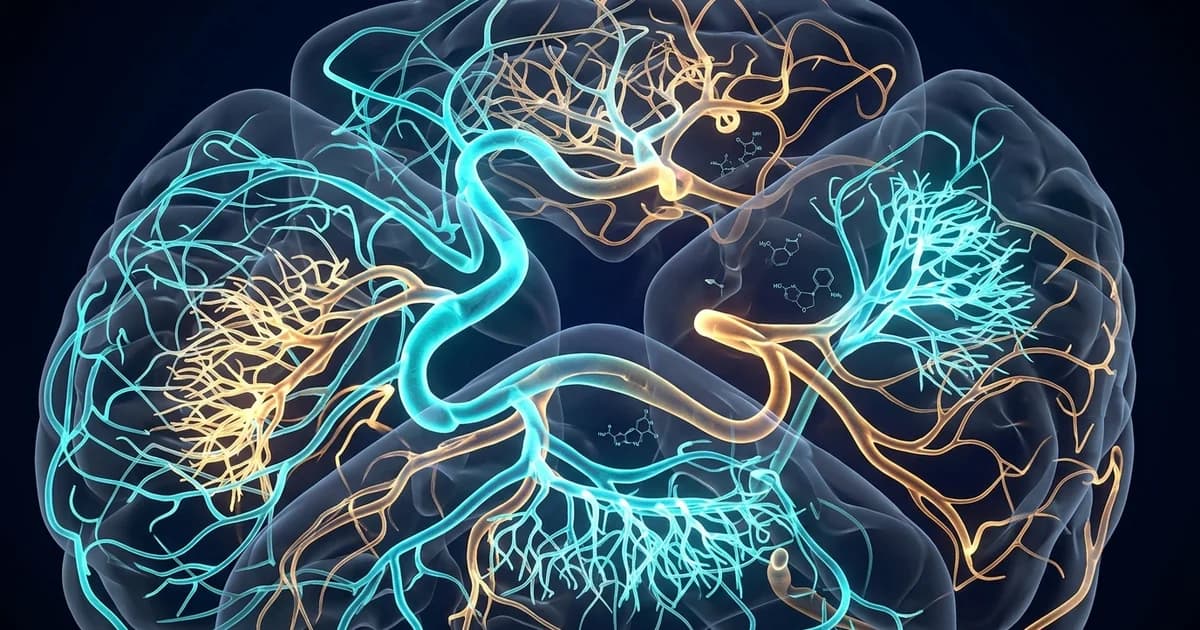
The leading explanation for flow is transient hypofrontality, a temporary dialing-down of activity in the prefrontal cortex. This is the brain's executive control center, the home of your inner critic and your sense of time.
When that region eases off, something useful happens. Reduced prefrontal activity reallocates cognitive resources toward faster, more automatic processing. Your brain stops deliberating and starts doing.
Flow also rides on a specific cocktail of neurochemicals. Dopamine sharpens pattern recognition and motivation. Norepinephrine tightens attention. The result is a brain that locks onto one task and tunes out everything else.
This matters for how you enter flow. You cannot force the prefrontal cortex to quiet down by willpower. You create the conditions, then get out of the way.
How to Get Into Flow State: The Core Conditions
The fastest way to achieve flow state is to satisfy four conditions before you start working: a single clear goal, immediate feedback, a task that stretches your skill, and a distraction-free block of time. Hit all four and flow becomes the default, not the exception.
Csikszentmihalyi's original research identified the skill-challenge balance as the engine. If a task is too easy, you get bored. Too hard, you get anxious. Flow lives in the narrow band where the challenge slightly exceeds your current ability.
Here is how to build each condition.
1. Pick One Goal, Not Five
Flow needs a target. Before you sit down, decide on the single outcome for this session: draft the intro, solve the bug, outline the deck. Vague goals like "work on the project" never trigger flow because your brain has nothing to lock onto.
2. Kill Every Interruption
This is non-negotiable. Flow takes time to build, and a single ping can reset the whole process. UC Irvine researcher Gloria Mark found it takes over 23 minutes to fully regain focus on your original task after an interruption.
Phone in another room. Notifications off. One browser tab. Treat your focus block like a surgeon treats an operating room.
3. Match the Challenge to Your Skill
If the work bores you, raise the stakes: add a time limit or a higher quality bar. If it overwhelms you, shrink it into a piece you can almost do. You are aiming for slightly uncomfortable, not impossible.
4. Build a Pre-Flow Ritual
Your brain loves cues. Same desk, same playlist, same first action, every time. A consistent ritual tells your nervous system that focus mode is starting, which shortens the runway into flow.
Flow State Triggers You Can Use Today
Beyond the core conditions, researchers have catalogued specific flow state triggers, environmental and psychological levers that pull you into the zone faster. You don't need all of them. You need the two or three that fit your work.
| Flow Trigger | How It Works | How to Apply It |
|---|---|---|
| Clear goals | Removes decision-making mid-task | Write your one goal on paper before starting |
| Immediate feedback | Keeps the brain engaged and adjusting | Choose work where you can see progress in real time |
| Challenge-skill balance | Sits you in the optimal arousal zone | Pick tasks just past your comfort level |
| Deep embodiment | Full sensory focus on the present action | Single-task; close everything else |
| High consequences | Raises stakes and sharpens attention | Add a real deadline or accountability partner |
| A primed nervous system | Lowers the threshold to enter focus | Use a focus ritual and a clean stimulant stack |
The last row is the one most people ignore. Your brain chemistry sets the floor for how easily you can concentrate. If you are under-slept, over-caffeinated, or running on a crash, no ritual will save you.
How to Enter Flow State on Command
Learning how to enter flow state on command comes down to repetition and removing friction. You are training a pattern, not chasing a feeling. The more reliably you set up the same conditions, the faster your brain learns to drop in.
Start with a fixed sequence. Clear the desk, set one goal, silence the phone, start a timer for 50 minutes, and begin with the easiest version of the hardest task. Run that exact sequence daily and the entry time shrinks.
Expect a struggle phase. The first 10 to 15 minutes usually feel resistant, even unpleasant. This is normal. The prefrontal cortex is still loud, and your job is to push through that friction without bailing to your phone.
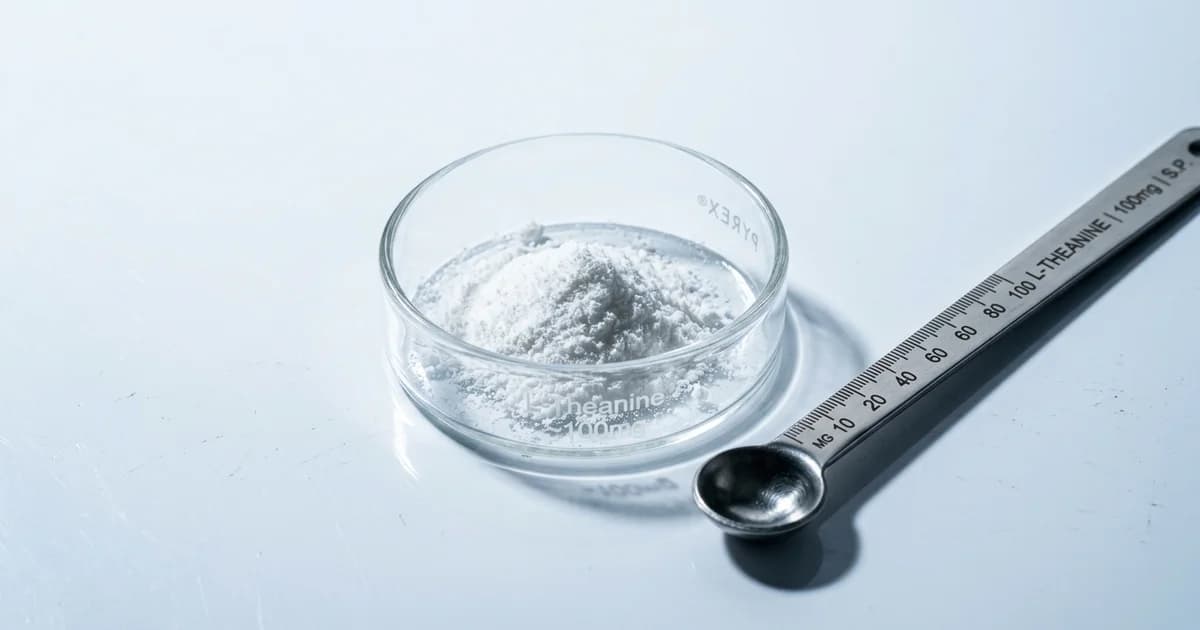
One more lever: your inputs. Caffeine raises alertness but can tip into jitters that wreck the calm side of flow. Pairing it with L-theanine smooths that out. A clinical trial published in Nutritional Neuroscience found that combining L-theanine and caffeine helped people focus attention during a demanding cognitive task better than caffeine alone.
How to Get Into Flow State Faster: A Simple Protocol
Want the short version? Run this sequence the next time you need deep focus.
- Define one outcome for the session and write it down.
- Remove every interruption. Phone away, notifications off, one tab open.
- Prime your state with a focus ritual and a clean source of alertness.
- Set a 50-minute timer and start with the hardest task while your energy is high.
- Ride the struggle phase. Do not bail in the first 15 minutes.
- Protect the block. When flow arrives, do nothing to interrupt it.
Do this consistently and you stop hoping for flow. You start scheduling it.
Conclusion
Flow is not a personality trait or a lucky accident. It is a physiological state with known triggers, and that means it answers to good design. Set one clear goal, eliminate distraction, match the challenge to your skill, and prime your brain for sustained attention.
The people who seem to summon deep focus at will are not special. They have simply removed the friction and repeated the conditions until entering the zone became automatic. You can build the same system, starting with your next work block.
Frequently Asked Questions
How long does it take to get into flow state?
Most people need 10 to 15 minutes of uninterrupted, focused effort before flow kicks in. This early window, often called the struggle phase, feels difficult because your prefrontal cortex is still active. Pushing through it without checking your phone is the price of admission. The cleaner your environment and the more consistent your routine, the faster you cross that threshold.
Can you really enter flow state on command?
You cannot force flow directly, but you can reliably create the conditions that produce it. By repeating the same setup every time, one goal, no distractions, a challenging task, and a primed nervous system, you train your brain to drop into focus faster. Over weeks, the entry time shrinks and flow starts to feel like something you switch on rather than wait for.
What are the most important flow state triggers?
The most powerful triggers are clear goals, immediate feedback, and the challenge-skill balance. Clear goals give your brain a target. Feedback keeps it engaged. The challenge-skill balance keeps you in the zone where the task is hard enough to demand full attention but not so hard that you panic. Nail these three and the rest matters less.
Does caffeine help you reach flow state?
Caffeine raises alertness, which can help you start a focus session, but on its own it can also cause jitters that disrupt the calm absorption flow requires. Research suggests pairing caffeine with L-theanine improves focused attention during demanding tasks while smoothing out the edginess. The goal is steady, sustained alertness, not a spike followed by a crash.
Why do interruptions ruin flow so badly?
Flow is built layer by layer over several minutes, so a single interruption can collapse the whole structure. Research from UC Irvine found it can take over 23 minutes to fully refocus after a distraction. That is why protecting your focus block matters more than almost any productivity hack. One notification can cost you half an hour of momentum.
Is flow state the same as deep work?
They overlap but are not identical. Deep work is the practice of focusing without distraction on a demanding task. Flow is the optimal mental state that deep work can produce. You can do deep work without hitting full flow, but you almost never reach flow without first committing to deep, distraction-free focus. Think of deep work as the road and flow as the destination.
The On-Demand Focus Layer Behind Every Flow Session
Everything above is about removing friction. Clear goals and a quiet room handle your environment. Your brain chemistry handles the rest, and that is the variable most people leave to chance.
Roon is a zero-nicotine sublingual pouch built for exactly this problem. Each one delivers 80 mg caffeine and 60 mg L-theanine for clean, calm alertness, plus 25 mg methylliberine (Dynamine) and 5 mg theacrine (TeaCrine) to extend the effect. You feel it in 5 to 10 minutes and hold steady focus for 6 to 8 hours, with no jitters, no crash, and no tolerance buildup.
To be clear about what it is and isn't: Roon supports the alertness side of flow. It is not a substitute for sleep, a clear goal, or a distraction-free block. Build those first. Then, when you want a primed nervous system for your next deep-focus session, try Roon as the cognitive layer that makes entering the zone a little less of a fight.
Written by Roon Team