Higenamine: The Beta-2 Agonist Hiding in "Fat Burners"
Roon Team
Higenamine: The Beta-2 Agonist Hiding in "Fat Burners" (and Why It's Banned in Sport)
You scan the label of your pre-workout or fat burner, and there it is, buried near the bottom: higenamine. It sounds botanical. Harmless. Plant-derived.
It is also a beta-2 adrenergic agonist, the same drug class as the asthma inhaler compounds that get sprinters disqualified. Higenamine is banned in competitive sport, flagged by the FDA, and dosed so inconsistently across products that two tins of the same "fat burner" can deliver wildly different amounts. If you compete in a tested sport, this single ingredient can end your season.
Here is what the molecule actually does, why regulators went after it, and how to read a label so it never blindsides you.
Key Takeaways
- Higenamine is a beta-2 adrenergic agonist, pharmacologically related to bronchodilator drugs used in asthma.
- The World Anti-Doping Agency (WADA) added higenamine to its Prohibited List in 2017, with no threshold, meaning any trace can trigger a positive test.
- A widely cited analysis found higenamine present in supplements in unpredictable and inaccurately labeled amounts, so the label number means little.
- The FDA has logged adverse-event reports tied to higenamine since 2014, and it has not been approved as a drug.
What Is Higenamine, Really?
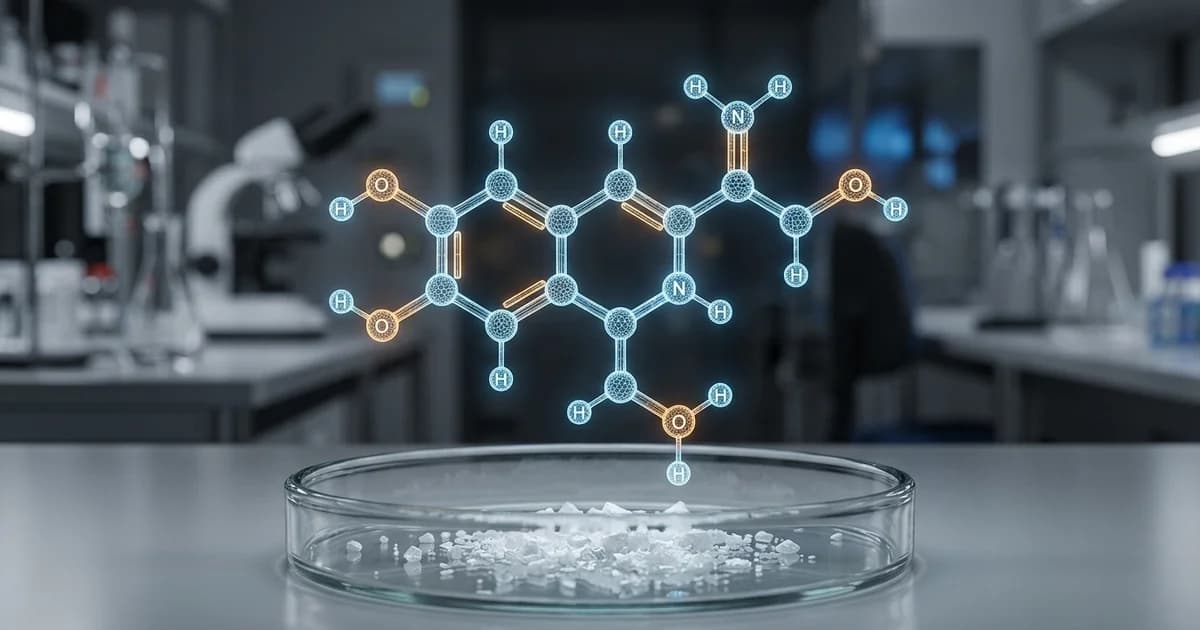
Higenamine (also written norcoclaurine) is a plant alkaloid that acts as a beta-2 adrenergic agonist. In plain terms, it switches on the same receptors your body uses to open airways, speed the heart, and mobilize energy during a fight-or-flight response.
That receptor activity is exactly why a higenamine supplement ends up in fat burners and pre-workouts. Brands market it as a thermogenic stimulant and a "natural" stand-in for ephedrine, which the FDA pulled from supplements years ago.
The plant-origin angle is the marketing hook. Higenamine appears naturally in botanicals like Nelumbo nucifera (lotus), Aconitum, and Tinospora, and researchers have even detected it in beetroot-containing foods. Being found in a plant does not make a concentrated, dosed extract behave like food.
Why Higenamine Is a Beta-2 Agonist (and Why That Matters)
The pharmacology is settled. A peer-reviewed analysis published in a National Institutes of Health-indexed journal confirmed higenamine's activity at the beta-2 adrenoceptor, the same target hit by drugs like clenbuterol and salbutamol.
Beta-2 agonists do three things athletes and dieters chase. They relax smooth muscle to open airways. They raise heart rate and cardiac output. They push the body toward burning stored fuel.
That sounds useful until you read the human safety signal. In drug trials conducted in China, subjects given higenamine reported symptoms including dyspnea, palpitations, dizziness, headaches, and chest tightness. Those are cardiovascular and respiratory effects, not minor jitters.
This is the core problem with higenamine side effects: you are stimulating receptors that govern your heart and lungs, often stacked on top of caffeine and other stimulants in the same scoop.
Is Higenamine Safe? What the Evidence Actually Says
The honest answer: nobody can promise it's safe at supplement doses, because the doses are unpredictable and the human data is thin.
The FDA has not approved higenamine as a drug. It has been permitted in supplements only as a constituent of botanicals, grandfathered in under the Dietary Supplement Health and Education Act of 1994. That regulatory loophole, not a safety review, is why it sits on shelves.
The agency has received adverse-event reports tied to higenamine since 2014, and the same reporting notes the health risks remain poorly understood. "Poorly understood" is not a green light. It is a flashing yellow.
So when someone asks is higenamine safe, the precise answer is that its cardiovascular activity is real, its dosing in products is erratic, and its long-term effects in humans have not been established.
The Dosing Problem No Label Solves
Here is the part that should bother anyone who reads labels. When independent researchers tested products, they found higenamine present in unpredictable and inaccurately labeled dosages.
Some products listed higenamine but contained little. Others contained far more than a label would suggest. The lead author's measured conclusion was that physicians should know supplements listing higenamine may contain a stimulant with important cardiovascular properties.
You cannot dose responsibly when the number on the tin is fiction.
Why Higenamine Is Banned in Sport
If you get drug tested, treat higenamine as a hard no. The World Anti-Doping Agency prohibited it from sport in 2017, classifying it with other beta-2 agonists on the Prohibited List.
Because it sits in that class, there is no friendly threshold. A trace amount, even one you didn't know you ingested, can produce an adverse analytical finding. That is the danger of an ingredient that shows up in higenamine fat burner products under different names and at amounts the label gets wrong.
Athletes have failed tests from contaminated or mislabeled supplements they believed were clean. The lesson is not "dose carefully." The lesson is "don't gamble your eligibility on a label you can't trust."
Higenamine vs. Common Stimulants: A Quick Comparison
How does higenamine stack up against the stimulants you actually recognize? Roon is included here for context, since it occupies the same "focus and energy" shelf without the banned-substance baggage.
| Ingredient / Product | Class | Banned in tested sport? | Label dose reliable? | Typical concern |
|---|---|---|---|---|
| Higenamine | Beta-2 adrenergic agonist | Yes (WADA, 2017) | No, often inaccurate | Cardiovascular effects, doping risk |
| Ephedrine | Sympathomimetic | Yes | N/A (banned from supplements) | Pulled by FDA over safety |
| DMAA / DMHA | Sympathomimetic amine | Yes | No, frequently undisclosed | FDA enforcement, cardiac events |
| Caffeine | Methylxanthine | No (monitored only) | Usually yes | Jitters, crash at high doses |
| Roon (caffeine, L-theanine, Dynamine, TeaCrine) | Disclosed nootropic stack | No | Yes, each dose printed on label | None of the above; designed for clean focus |
The pattern is clear. The ingredients with doping risk are the ones with the murkiest labels.
How to Spot Higenamine on a Label
Read the full ingredient panel, not just the marketing claims on the front. Watch for the alternate names: norcoclaurine, higenamine HCl, and botanical sources like Nelumbo nucifera extract that can carry it.
Be skeptical of any "proprietary blend" that hides individual doses. If a brand won't tell you how many milligrams of each compound you're swallowing, assume the worst, especially with a beta-2 agonist in the mix.
If you're a tested athlete, stick to products with third-party certification like NSF Certified for Sport or Informed Sport, and a fully transparent label.
The Bottom Line on a Misunderstood Stimulant
Higenamine isn't a gentle botanical. It's a beta-2 adrenergic agonist with real cardiovascular activity, a 2017 WADA ban, FDA adverse-event reports, and a documented habit of showing up in supplements at amounts the label gets wrong.
For the casual user, that combination is reason enough for caution. For anyone subject to drug testing, it's disqualifying, full stop. The safest move with an ingredient this unpredictable is to avoid it and to favor products that print every dose and hide nothing.
Frequently Asked Questions
Is higenamine the same as ephedrine?
No, but they share territory. Both are stimulants marketed for fat loss and energy, and both raise cardiovascular activity. Ephedrine was removed from supplements by the FDA over safety concerns, and higenamine is sometimes pitched as a "natural" replacement. Higenamine works as a beta-2 adrenergic agonist, a different mechanism, but the practical concerns around heart rate and stimulation overlap heavily.
Why is higenamine banned by WADA?
The World Anti-Doping Agency added higenamine to its Prohibited List in 2017 because it acts as a beta-2 adrenergic agonist, the same class as other prohibited bronchodilator-type compounds. There is no permitted threshold, so even a trace can trigger a positive test. Athletes have failed tests from supplements that contained higenamine without a clear or accurate label disclosure.
What are the side effects of higenamine?
Reported higenamine side effects center on the cardiovascular and respiratory systems. In human drug trials, subjects experienced dyspnea, palpitations, dizziness, headaches, and chest tightness. Because higenamine raises heart rate and is often stacked with caffeine and other stimulants in fat burners, the combined load on the heart can be meaningful. Long-term effects in humans remain poorly understood.
Is higenamine safe to take?
There is no solid basis to call it safe at supplement doses. The FDA has not approved higenamine as a drug, has logged adverse-event reports since 2014, and independent testing found it present in unpredictable, inaccurately labeled amounts. When you can't trust the dose and the human safety data is thin, caution is the rational position.
Why is higenamine still legal in supplements?
It slipped through a regulatory gap. Higenamine occurs naturally in some plants, so it was grandfathered into the supplement market as a botanical constituent under the 1994 DSHEA law, rather than passing a safety review. The FDA has since issued an import alert targeting it, signaling tighter enforcement ahead.
How do I know if my fat burner contains higenamine?
Read the full ingredient list and look for higenamine, higenamine HCl, norcoclaurine, or botanical sources like Nelumbo nucifera (lotus) extract. Be especially wary of proprietary blends that don't disclose individual milligram amounts. If you're drug tested, choose only products with third-party sport certification and a fully transparent label.
What "Clean Label" Should Actually Mean for Tested Athletes
The real lesson of higenamine isn't just "avoid one molecule." It's that an ingredient panel is only as useful as it is honest. A beta-2 agonist hiding behind a proprietary blend, at a dose the label gets wrong, is the exact scenario that ends careers.
This is the contrast worth drawing. Roon contains no banned or undisclosed stimulants. Its four ingredients are named and dosed right on the label: 80 mg caffeine, 60 mg L-theanine, 25 mg methylliberine (Dynamine), and 5 mg theacrine (TeaCrine), delivered as a sublingual pouch built for 6 to 8 hours of steady focus with no jitters and no crash. There is nothing to decode and nothing to fear at a drug test.
To be clear, Roon is a focus and energy product, not a fat burner or a thermogenic, and it isn't a substitute for medical advice on supplement safety. If you want the alert, clean energy that fat burners overpromise, without gambling your eligibility on a mystery dose, try Roon and read every milligram before it ever touches your mouth.
Written by Roon Team