Caffeine Without the Cup: How to Get Coffee-Level Energy When You Can't Drink Coffee
Roon Team
Caffeine Without the Cup: How to Get Coffee-Level Energy When You Can't Drink Coffee
Some people love the focus that caffeine gives them and hate everything that comes attached to it. The acid reflux. The 3 p.m. crash. The stained teeth, the jittery hands, the bathroom sprint twenty minutes after the first sip.
If that's you, the real question isn't whether to quit caffeine. It's how to get caffeine without coffee. And once you start comparing your options, the caffeine pills vs coffee debate turns out to be only the surface of a much more useful conversation about how, and how fast, caffeine actually reaches your brain.
This guide breaks down every clean way to get coffee-level energy when coffee itself is off the table.
Key Takeaways
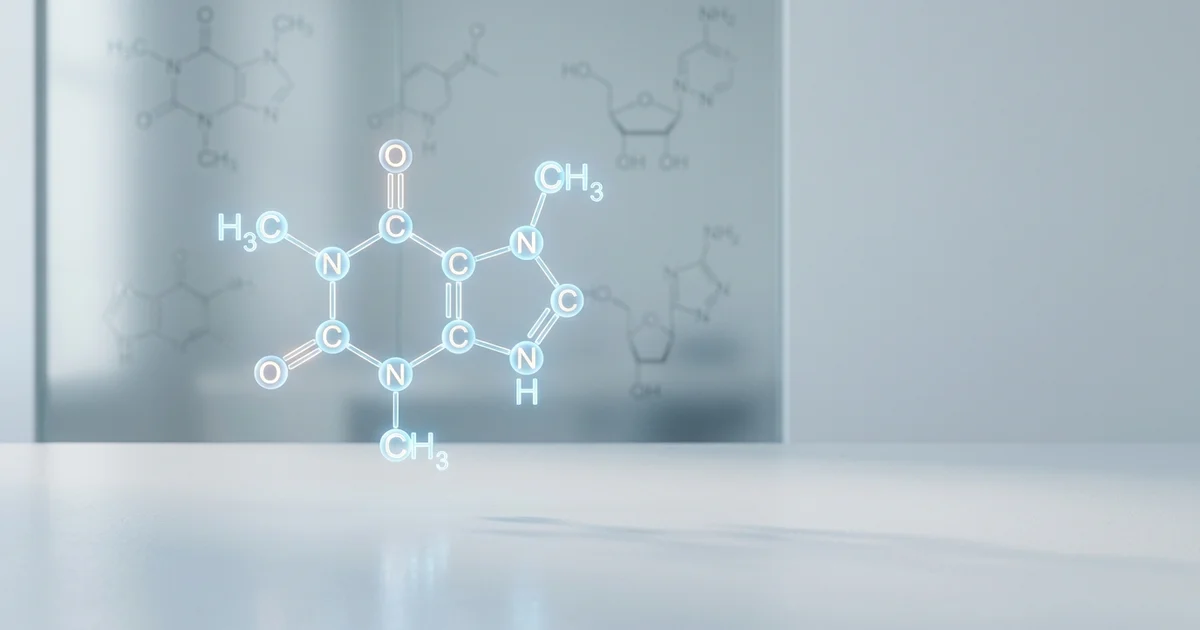
- The caffeine molecule is identical whether it comes from a bean, a pill, a pouch, or a green tea leaf. Your body cannot tell the difference.
- What changes is the delivery: how fast it hits, how long it lasts, and what else rides along with it (sugar, acid, or calming compounds).
- Caffeine pills give precise dosing with no acid or sugar, but they hit your stomach, not your bloodstream directly.
- Pairing caffeine with L-theanine is one of the most reliable ways to keep the focus and drop the jitters.
- For most adults, the upper guideline sits around 400 mg of caffeine per day.
Caffeine Pills vs Coffee: What Actually Changes
The active ingredient is the same. A 100 mg caffeine pill and a cup of coffee with 100 mg of caffeine deliver the exact same molecule. The difference is everything wrapped around that molecule.
Coffee is acidic, hot, and bitter. For people with sensitive stomachs, that acidity is the problem, not the caffeine. Pills sidestep that entirely. According to Bones Coffee, caffeine pills deliver a fixed 100 to 200 mg dose every time, with no sugar or acids that might upset your stomach.
Precision is the underrated win here. A home-brewed cup can swing wildly in caffeine content depending on the bean, the grind, and how long it steeps. A pill does not guess.
The tradeoff: most pills are an all-or-nothing hit. You swallow 200 mg, it absorbs through your gut over 30 to 45 minutes, and you ride that wave whether you wanted a gentle lift or a hard jolt.
How to Get Caffeine Without Coffee: Your Real Options
Here's the honest ranking of ways to get caffeine without coffee, judged on dosing control, onset speed, and how much baggage comes along.
| Source | Typical Caffeine | Onset | Comes With | Best For |
|---|---|---|---|---|
| Caffeine pills | 100–200 mg | 30–45 min | Nothing (clean) | Precise, no-frills dosing |
| Green / black tea | 25–50 mg | 30–45 min | L-theanine, antioxidants | Gentle, sustained lift |
| Matcha | 60–70 mg | 30–60 min | L-theanine, slow release | Calm, steady focus |
| Energy drinks | 80–300 mg | 15–45 min | Sugar, acids, calories | Fast, but with a crash |
| Caffeinated gum | 40–100 mg | ~10 min | Sweeteners | Speed when you need it |
| Sublingual pouches (e.g. Roon) | ~80 mg | 5–10 min | L-theanine, no sugar | Fast onset, smooth focus |
Tea is the quiet winner for people who want a softer curve. It carries less caffeine per serving, but it also carries L-theanine, an amino acid that takes the edge off without killing the alertness. That pairing is why a strong cup of matcha feels focused rather than frantic.
Energy drinks are the opposite. They deliver caffeine fast, but the sugar that often rides along drives a spike-and-crash pattern that leaves you flatter than when you started.
Then there's the speed category. Gum and sublingual formats absorb partly through the tissue in your mouth, which is why they tend to kick in faster than anything you swallow.
What Is the Healthiest Form of Caffeine?
The healthiest form of caffeine is the one that gives you the dose you actually want, without the sugar, acid, or sharp crash that turns a good afternoon into a bad one. There's no single "best" molecule, because the molecule never changes. The health story is about what's attached to it.
By that standard, a few principles hold up:
- Skip the sugar. A caffeine source loaded with sweeteners trades short-term energy for a blood-sugar crash. That's the single biggest difference between a clean lift and a rough one.
- Mind the acid if your gut is sensitive. Coffee's acidity is a common trigger for reflux and stomach discomfort. Caffeine itself is not the culprit there.
- Pair it with L-theanine when you can. The caffeine plus L-theanine combination is well known for keeping the alertness while smoothing the jittery edge.
- Control the dose. Guessing leads to overshooting.
This is also where the caffeine pills vs coffee comparison resolves into something more useful. Neither is inherently "healthier." A clean 100 mg pill beats a sugar-bomb energy drink. A cup of black coffee beats a pile of pills you took without counting.
How Much Is Too Much?
Keep your daily total in check. The Mayo Clinic notes that up to 400 milligrams of caffeine a day appears safe for most adults.
That sounds like a lot until you stack a few sources. A couple of strong coffees, an energy drink, and a pre-workout can blow past it fast. The same source points out that if caffeine leaves you restless or nervous, that's a signal to cut back.
The goal of going coffee-free isn't always less caffeine. Often it's cleaner caffeine, delivered on your terms.
What About Coffee Without Caffeine?
If you love the ritual but want the stimulant gone, coffee without caffeine is its own answer. Decaf is not caffeine-free, it just carries a small fraction of the original load, usually a handful of milligrams per cup.
That works beautifully for an evening cup when you want the warmth and the flavor and zero impact on your sleep. It does nothing for energy. So decaf solves a different problem than the one most people are chasing when they ask how to get caffeine without coffee. One removes the stimulant. The other removes the cup.
Know which problem you're actually solving, and the right tool gets obvious.
The Speed Factor Most People Ignore
How fast caffeine hits matters as much as how much you take. Anything you swallow has to clear your stomach and absorb through your gut, which usually means a 30-to-45-minute wait before you feel much.
Formats that absorb through the mouth tissue, like caffeinated gum or a sublingual pouch, can start working in roughly 10 minutes or less. That's the practical edge of the caffeine without coffee category that gets overlooked in spec sheets.
If you've ever needed to be sharp now, not in half an hour, onset speed is the spec that actually matters.
Conclusion
The caffeine molecule doesn't change from one source to the next. Your delivery does, and that's where all the real difference lives.
Coffee gives you ritual and acid. Pills give you precision and a slow swallow-and-wait. Energy drinks give you speed and sugar. Tea gives you a gentle, L-theanine-smoothed curve. The smartest move isn't picking a winner for everyone. It's matching the format to what you need: the right dose, the right onset, and as little baggage as possible riding along. Once you think in those terms, getting coffee-level energy without the cup stops being a compromise and starts being an upgrade.
Frequently Asked Questions
Are caffeine pills better than coffee?
Neither is universally better, because the caffeine is identical. Pills win on precision and on avoiding coffee's acid and bitterness, which helps people with sensitive stomachs. Coffee wins on ritual, flavor, and the antioxidants in the bean. The honest answer in the caffeine pills vs coffee debate is that the best choice depends on your gut, your dosing needs, and how much sugar or acid you want to avoid.
What is the healthiest form of caffeine?
The healthiest form is the one that delivers the dose you want without sugar, excess acid, or a hard crash. Caffeine paired with L-theanine, found naturally in tea and added to some focus products, tends to give clean alertness with fewer jitters. There's no magic source, since the molecule never changes. The health difference comes entirely from what's attached to it and how much you take.
How can I get caffeine without coffee?
You have several options: tea, matcha, caffeinated gum, caffeine pills, energy drinks, and sublingual pouches. Tea and matcha offer a gentle lift with built-in L-theanine. Pills offer precise dosing with no acid. Gum and sublingual formats absorb faster because part of the dose enters through the mouth. Pick based on how fast you want it to hit and how much sugar or acid you want to avoid.
Does decaf coffee have any caffeine?
Yes. Coffee without caffeine still contains a small amount, typically just a few milligrams per cup rather than the 80 to 100 mg in a regular cup. That's low enough for most people to drink in the evening without affecting sleep, but it is not zero. If you are highly caffeine-sensitive, even decaf may register, so it's worth knowing your own threshold.
How much caffeine is safe per day?
For most healthy adults, the Mayo Clinic points to up to 400 milligrams of caffeine per day as a reasonable upper guideline. That's roughly four cups of brewed coffee. Sources stack quickly, though, so a pre-workout plus an energy drink plus coffee can push you over. If caffeine makes you restless or nervous, that's a sign to scale back regardless of the number.
Why does coffee upset my stomach but caffeine itself doesn't?
Coffee is acidic, and that acidity is a common trigger for reflux and stomach discomfort. The caffeine molecule is not usually the problem. That's why switching to a non-acidic source, like a pill, gum, or a sublingual pouch, often resolves the stomach issue while keeping the focus you wanted from caffeine in the first place.
What's the fastest way to feel caffeine?
Formats that absorb through the tissue in your mouth tend to work fastest. Caffeinated gum and sublingual pouches can start kicking in within about 10 minutes, while anything you swallow generally takes 30 to 45 minutes to clear your stomach and absorb. If speed matters, the delivery method matters more than the dose size.
The Cleaner Caffeine for People Cutting the Cup
If you're leaving coffee or energy drinks behind because of the acid, the sugar, or the crash, the goal isn't to give up caffeine. It's to get it cleaner. That's the gap Roon was built for.
Roon is a sublingual pouch, so part of the dose absorbs through the tissue in your mouth and starts working in about 5 to 10 minutes, no swallow-and-wait. Each pouch carries a four-ingredient stack: 80 mg caffeine, 60 mg L-theanine, 25 mg methylliberine (Dynamine), and 5 mg theacrine (TeaCrine). The L-theanine is there to smooth the edge, and there's zero sugar and no coffee acid riding along, which is designed for 6 to 8 hours of steady focus with no jitters and no crash.
To be clear, Roon is not caffeine-free. If your goal is to remove the stimulant entirely, decaf is your answer, not a pouch. But if you want coffee-level energy without the cup, try Roon as the delivery that leaves the baggage behind.
Written by Roon Team