What Is Paraxanthine? The Caffeine Metabolite Behind Next-Gen Energy, Explained
What Is Paraxanthine? The Caffeine Metabolite Behind Next-Gen Energy, Explained
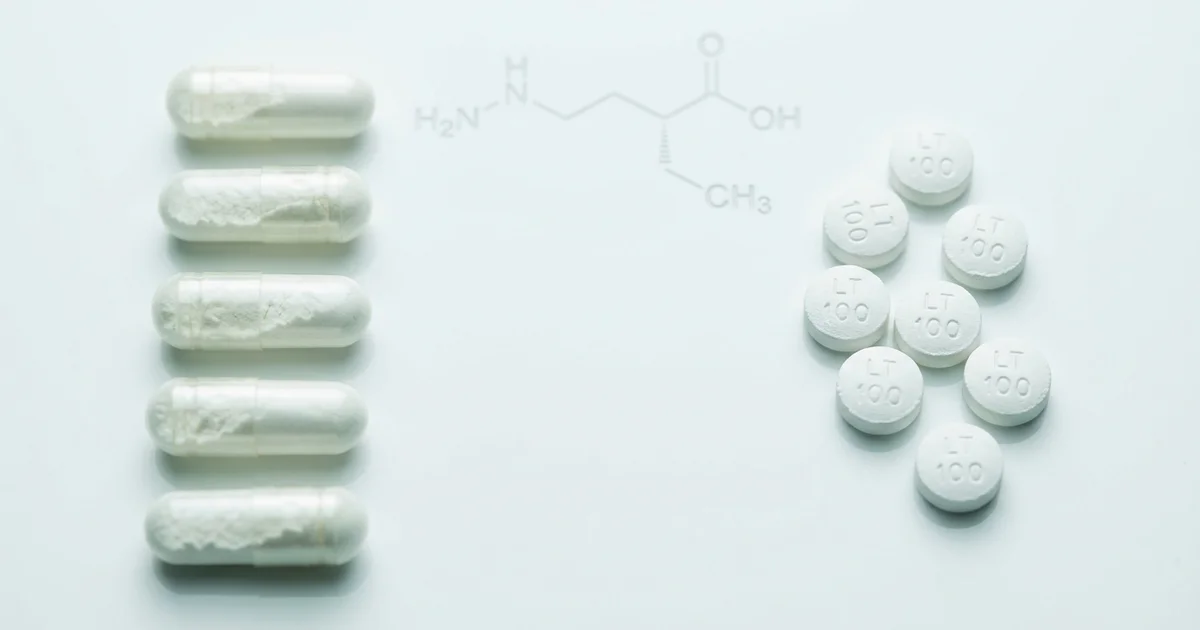
Paraxanthine is the molecule your caffeine actually becomes. After you drink coffee, your liver strips a methyl group off the caffeine, and roughly 84% of it converts into paraxanthine, chemical name 1,7-dimethylxanthine. So when you feel "caffeine" working, a large share of that effect is paraxanthine doing the work downstream. The reason supplement companies now sell it directly is simple: it carries most of caffeine's stimulant action while early data suggest a cleaner side-effect profile and a shorter half-life.
That is the short version. The longer version, including where the evidence is strong and where it is still mostly animal data, is below.
This article is for informational purposes only and is not medical advice. If you have health concerns, are pregnant or breastfeeding, or are trying to cut down on caffeine or quit nicotine, talk to a healthcare provider.
Key Takeaways
- Paraxanthine is 1,7-dimethylxanthine, the primary metabolite of caffeine. About 84% of ingested caffeine converts to it via hepatic cytochrome P450 in the liver.
- It works through the same main pathway as caffeine, adenosine receptor antagonism, plus a second action caffeine lacks: selective PDE9 inhibition. The PDE9 and nitric-oxide angle is established in cell and animal work, not yet proven in humans.
- Its half-life is shorter (around 3.1 hours versus caffeine's 5 to 6), so it clears faster and is less likely to wreck your sleep.
- Human cognition data exist and are double-blind and placebo-controlled, but small. Most safety data are from rodents.
- Roon does not contain paraxanthine. Roon uses caffeine, L-theanine, Dynamine (methylliberine), and TeaCrine (theacrine). That is a different approach to the same goal, and the article is honest about the difference.
Paraxanthine Is What Caffeine Turns Into
Caffeine is a prodrug in disguise, and paraxanthine is the active metabolite that does much of the actual work. According to the published literature summarized on Wikipedia, shortly after ingestion roughly 84% of caffeine is metabolized into paraxanthine by hepatic cytochrome P450, which removes a methyl group from the N3 position of the caffeine molecule.
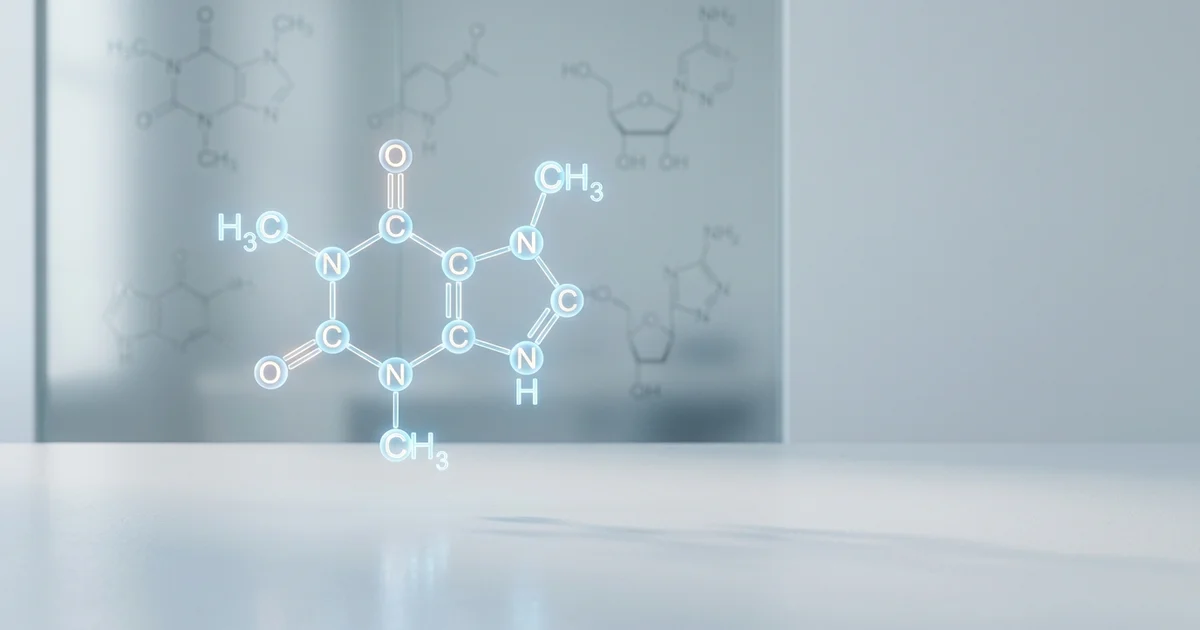
Chemically, paraxanthine is 1,7-dimethylxanthine, an isomer of theophylline and theobromine. All three are members of the xanthine alkaloid family, the same group that includes caffeine itself. The difference is positional: where the methyl groups sit on the ring changes how the molecule behaves in your body.
One detail matters for understanding the whole category. Plants do not make paraxanthine. It appears in nature only as a caffeine metabolite in animals and certain bacteria. So unlike caffeine, which you can pull from a coffee bean, paraxanthine sold as a supplement ingredient is produced synthetically. That is not a knock on it. It is just why you have never seen a "paraxanthine plant."
How Paraxanthine Works: Same Front Door, A Second Key
Paraxanthine shares caffeine's primary mechanism but adds one that caffeine does not have. The shared mechanism is adenosine receptor antagonism. Adenosine is the molecule that builds up across your waking hours and makes you feel drowsy. Caffeine and paraxanthine both block its receptors, which is why both keep you alert.
The second mechanism is the interesting one. Paraxanthine is a phosphodiesterase type 9 (PDE9) inhibitor, and it is sold as a research molecule for exactly that purpose. PDE9 inhibition raises levels of cyclic GMP, a signaling molecule tied to the nitric oxide pathway and to processes involved in memory and blood flow. In theory, this gives paraxanthine a route to cognitive effects that pure caffeine cannot reach.
Here is the honest caveat. The PDE9 and nitric-oxide story is well documented in cell-based and animal research, but it has not been demonstrated as the mechanism behind paraxanthine's effects in living humans. When you read marketing that treats the PDE9 angle as settled human science, treat it as a hypothesis with good biological plausibility, not a proven clinical fact.
Paraxanthine vs Caffeine: The Pharmacokinetics
The practical case for paraxanthine over caffeine comes down to how long it lingers and how harsh it feels. On the clearance side, the advantage is real and measurable. Paraxanthine's half-life is reported at roughly 3.1 hours, while single-dose caffeine runs closer to 5 to 6 hours. A faster exit means a stimulant you can take in the early afternoon without it sitting in your system at bedtime.
The safety comparison is where the data get genuinely interesting, and where you have to stay disciplined about what was tested. A toxicology paper published in 2023, indexed on PubMed Central as PMC9932512, ran the standard battery on paraxanthine in rats. There was no evidence of genetic toxicity or mutagenicity in the in vitro studies, and an acute oral LD50 of 829 mg/kg was established. In repeat-dose 90-day testing, paraxanthine showed no treatment-related adverse effects at daily doses up to 185 mg/kg when compared against caffeine at matched doses.
| Parameter | Paraxanthine | Caffeine |
|---|---|---|
| Chemical name | 1,7-dimethylxanthine | 1,3,7-trimethylxanthine |
| Source | Synthetic (caffeine metabolite in vivo) | Plant-derived or synthetic |
| Half-life | ~3.1 hours | ~5 to 6 hours |
| Primary mechanism | Adenosine antagonism | Adenosine antagonism |
| Secondary mechanism | Selective PDE9 inhibition (human relevance unproven) | None comparable |
| Reported toxicity | Lower in rodent models; LD50 ~829 mg/kg oral (rat) | Well characterized; narrower margin in animal models |
A note on that "lower teratogenicity" claim you will see repeated online. The supportive findings come from animal toxicology like the work above, not from controlled human pregnancy studies. Nobody should read this as license to use any stimulant during pregnancy. The point is narrower: in the rodent models run so far, paraxanthine has looked relatively clean.
What the Human Evidence Actually Shows
Paraxanthine has been tested in real, double-blind human trials, which is more than most "next-gen" stimulants can claim. The first to know about is a dose-response study in Nutrients, published in 2021 and archived as PMC8708375. In a double-blind, placebo-controlled, crossover design, 12 healthy participants took 50, 100, or 200 mg of paraxanthine. Each dose produced acute benefits versus placebo, with the 100 and 200 mg doses showing the most consistent reaction-time improvements across the cognitive tasks.
A second trial built on that result by adding physical stress. In a double-blind, randomized, crossover study indexed as PMC11089923, a single 200 mg dose of paraxanthine improved several measures of cognitive function while helping counter the attentional decline and cognitive fatigue that follow hard exercise. That is a useful real-world signal: focus under fatigue, not just focus at a desk.
So how good is the evidence, graded honestly?
- Mechanism in cells and animals: strong and consistent.
- Cognition in humans: real, double-blind, but small (roughly a dozen participants per study) and largely from research groups connected to the ingredient's commercialization.
- Long-term safety in humans: thin. Most of it is rodent toxicology.
That is a respectable evidence base for a young ingredient. It is not the decades of human data that back caffeine. Read the marketing accordingly.
Where Paraxanthine Sits Among the "Next-Gen" Stimulants
Paraxanthine is one of several caffeine relatives competing to be the smoother stimulant, and each solves a different problem. Caffeine's weaknesses are jitters, tolerance, and a long tail that disrupts sleep. The newer molecules attack those weaknesses from different angles: paraxanthine on the metabolite side, methylliberine and theacrine on the purine-alkaloid side.
| Compound | What it is | Half-life | Key mechanism | Human evidence level | Side-effect profile vs caffeine |
|---|---|---|---|---|---|
| Caffeine | 1,3,7-trimethylxanthine | ~5 to 6 h | Adenosine antagonism | Extensive | Baseline; jitters, tolerance, sleep disruption at higher doses |
| Paraxanthine | 1,7-dimethylxanthine, caffeine's main metabolite | ~3.1 h | Adenosine antagonism + PDE9 inhibition | Moderate; small double-blind trials | Lower in rodent models; human profile reported as smooth |
| Methylliberine (Dynamine) | Purine alkaloid, kucha tea | ~1 to 3 h | Adenosine-related; fast onset | Limited; early human safety data | Fast, clean lift; less jittery, very short tail |
| Theacrine (TeaCrine) | Purine alkaloid, kucha tea | Longer than caffeine | Adenosine and dopamine signaling | Limited; some human trials | Reported non-habituating; slow, steady effect |
| Roon | Sublingual pouch: 80 mg caffeine, 60 mg L-theanine, 25 mg Dynamine, 5 mg TeaCrine | Stacked profile | Caffeine + L-theanine for smooth focus, layered with Dynamine and TeaCrine | Per-ingredient human data | Designed for focus without the jitter-crash pattern; zero nicotine |
Notice what that table makes plain. Roon does not use paraxanthine. Roon takes a different route to the same destination: a measured caffeine dose buffered by L-theanine, then layered with two purine alkaloids that hit on different timelines. Methylliberine comes on fast and clears fast. Theacrine works slower and steadier. Paraxanthine is a legitimate strategy; it is simply not the one Roon chose.
Conclusion: A Metabolite Worth Watching, Not Worshipping
Paraxanthine earns its attention. It is the molecule most of your caffeine becomes anyway, it clears your system faster, it adds a PDE9 mechanism caffeine lacks, and the rodent safety data look favorable. Small double-blind human trials show it can sharpen reaction time and protect focus under fatigue. For a stimulant that barely existed on supplement labels a few years ago, that is a solid start.
Keep the enthusiasm calibrated. The most exciting mechanism, PDE9 and nitric oxide, is not yet proven in humans, the cognition trials are small, and the long-term human safety record is still being written. Paraxanthine is a promising tool with a short track record, not a finished verdict. Judge it on the data it actually has, and the picture is genuinely encouraging.
Frequently Asked Questions
Is paraxanthine better than caffeine?
It depends on what you mean by better. Paraxanthine clears faster, with a half-life near 3.1 hours versus caffeine's 5 to 6, and rodent studies suggest a lower toxicity margin. Small human trials show real cognitive benefits. But caffeine has decades of human safety data, and paraxanthine does not yet. For most people, paraxanthine is a credible alternative, not a proven upgrade.
Does the body make paraxanthine naturally?
Yes. Paraxanthine is the primary metabolite of caffeine in humans. After you consume caffeine, your liver's cytochrome P450 enzymes convert roughly 84% of it into paraxanthine by removing a methyl group. So everyone who drinks coffee already produces paraxanthine internally. Supplement-grade paraxanthine simply delivers the molecule directly, skipping the conversion step that varies from person to person based on genetics and enzyme activity.
What is the PDE9 mechanism, and is it proven in humans?
PDE9 is phosphodiesterase type 9, an enzyme that breaks down cyclic GMP, a signaling molecule linked to the nitric oxide pathway and memory processes. Paraxanthine inhibits PDE9, which raises cyclic GMP. This mechanism is well documented in cell and animal research and is biologically plausible. It has not, however, been demonstrated as the cause of paraxanthine's effects in living humans, so treat it as a strong hypothesis rather than settled science.
How long does paraxanthine last?
Its reported half-life is around 3.1 hours, meaning your body clears about half of a dose in that window. That is roughly 25% shorter than caffeine's typical 5 to 6 hour half-life. The practical upshot: paraxanthine taken in the early afternoon is less likely to interfere with sleep than the same timing with caffeine. Individual metabolism, enzyme activity, and dose all shift the exact numbers.
Is paraxanthine safe?
The available toxicology is reassuring but mostly from rodents. The 2023 safety review found no genetic toxicity or mutagenicity in vitro and no adverse effects in 90-day repeat-dose rat studies at doses up to 185 mg/kg. Human cognition trials at 200 mg reported few side effects. That said, long-term human safety data are limited. As with any stimulant, people who are pregnant, nursing, or managing a medical condition should consult a clinician first.
Does Roon contain paraxanthine?
No. Roon's formula is 80 mg caffeine, 60 mg L-theanine, 25 mg methylliberine (Dynamine), and 5 mg theacrine (TeaCrine) per pouch, with zero nicotine. Roon pursues smooth, sustained focus through a different combination: caffeine buffered by L-theanine, then layered with two fast- and slow-acting purine alkaloids. Paraxanthine is a separate strategy that other products use. Both aim at cleaner energy; they take different roads to get there.
Why Roon Bet on a Layered Stack Instead of a Single Metabolite
The whole appeal of paraxanthine is that it tries to fix caffeine's rough edges with one smarter molecule. Roon went a different direction. Instead of swapping caffeine out, Roon keeps a precise 80 mg dose and engineers the experience around it: 60 mg of L-theanine to smooth the edge, then 25 mg of Dynamine for a fast lift and 5 mg of TeaCrine for a steady tail. Different timelines, one clean window of focus.
To be clear about what Roon is and is not: Roon is a zero-nicotine sublingual pouch built for 6 to 8 hours of focus without the jitters or the crash. It is not a paraxanthine product, and it is not a medical treatment for fatigue, attention disorders, or anything else. It is a performance tool you reach for when you need to think clearly.
If you find the paraxanthine research compelling but want something with established per-ingredient human data and a format you can use discreetly at a desk, Roon is worth a look. Same goal as the next-gen stimulants, a different and deliberate way of reaching it.
By Roon Team