The Caffeine Alternatives Worth Trying in 2026
Roon Team
The Caffeine Alternatives Worth Trying in 2026
Short answer: The caffeine alternatives with the strongest evidence are L-theanine (paired with low-dose caffeine), theacrine, methylliberine, creatine, and rhodiola rosea. Rather than dropping caffeine entirely, the most effective approach uses a smaller dose of caffeine and pairs it with these compounds for cleaner, longer focus without the jitters or the crash. Each one works through a different pathway, so stacking them at lower doses tends to beat leaning on one stimulant at a high dose.
You drink coffee. Then more coffee. Then maybe an energy drink. By 3 PM, you're tired, unfocused, and wondering why more caffeine stopped helping. If you've been there, it's time to explore caffeine alternatives that actually work.
The problem isn't caffeine itself. It's the way most people use it: too much, too often, with zero strategy. The best caffeine alternatives aren't about ditching stimulants entirely. They're about finding compounds that give you clean, sustained focus without the jitters, the crash, or the creeping tolerance that turns your morning cup into a biological necessity.
Here's what actually works, based on the research.
Key Takeaways
- L-Theanine paired with low-dose caffeine outperforms high-dose caffeine alone for focus and accuracy.
- Theacrine may offer a different energy profile from caffeine, and early research suggests it may be less prone to rapid tolerance, but the long-term human evidence is still limited.
- Creatine isn't just for the gym. A 2024 meta-analysis suggested creatine may support some aspects of cognitive performance, especially memory-related tasks and situations involving mental stress or sleep loss.
- Rhodiola rosea reduces perceived fatigue through adaptogenic mechanisms, not stimulation.
- The smartest approach to caffeine alternatives combines multiple compounds at lower doses rather than relying on one stimulant at high doses.
Why You're Looking for Alternatives to Caffeine
About 88% of Americans consume caffeine regularly, according to a 2024 IFIC survey. A separate analysis found that 67% of American adults reported drinking coffee in the past day, a nearly 40% increase since 2004.
That's a lot of caffeine, and over time the body adjusts to it.
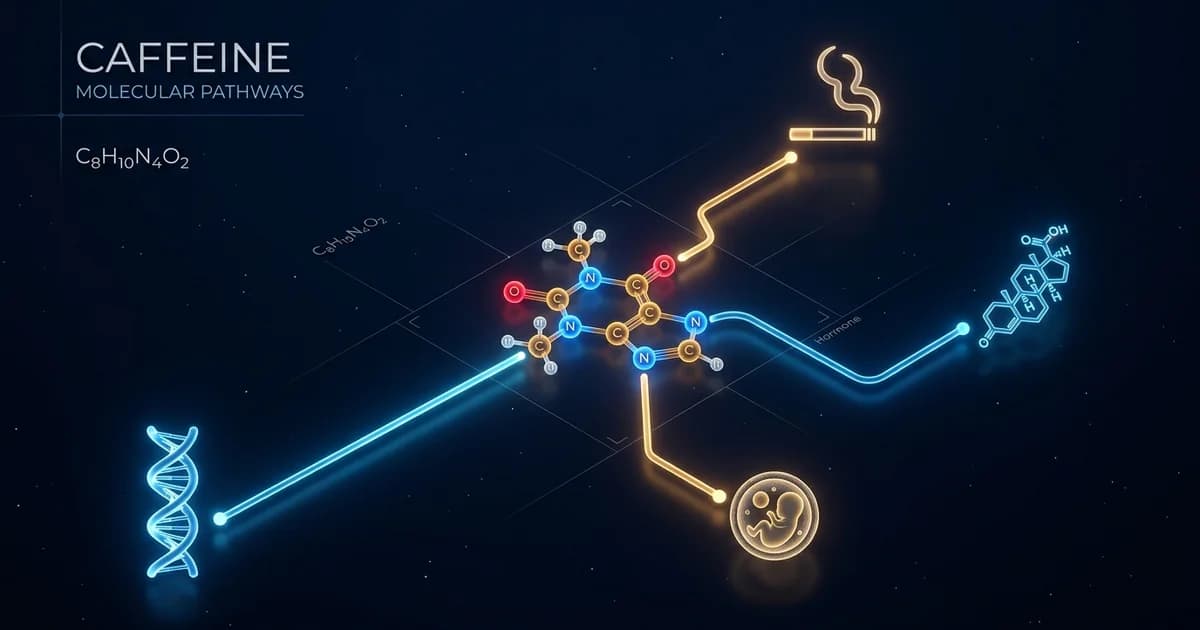
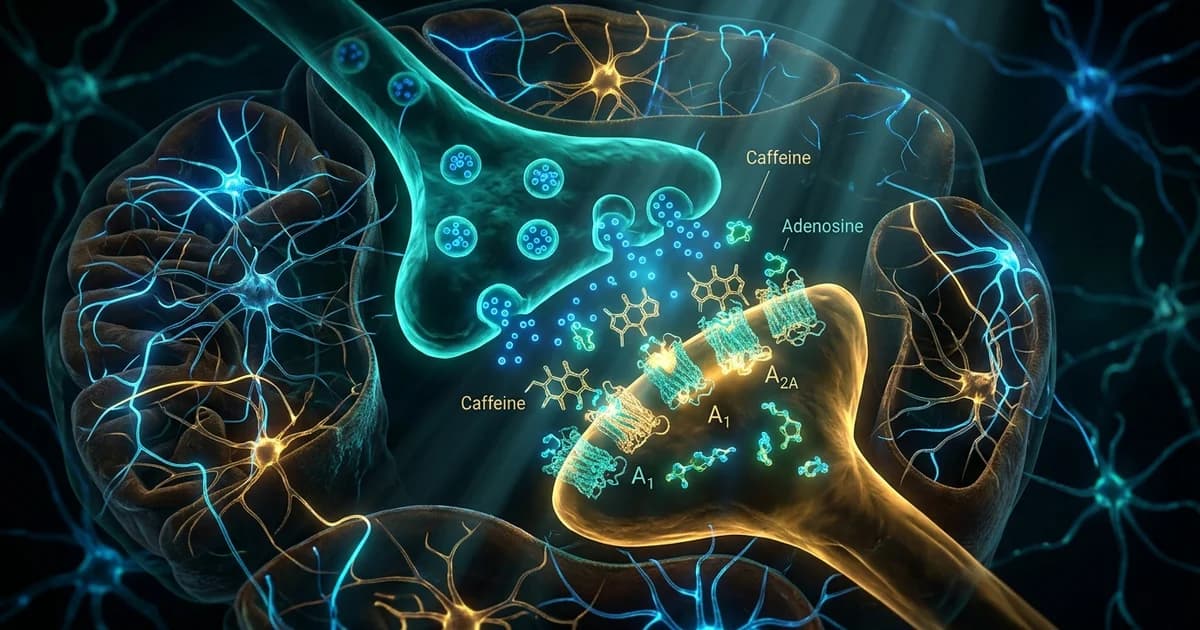
Caffeine works by blocking adenosine receptors in the brain. Adenosine is the molecule that tells you you're tired. Block it, and you feel alert. Simple. With regular use, the brain adapts to caffeine's adenosine-blocking effects, which can make the same dose feel less effective over time.
The result? You're not getting energy from your third cup. You're just getting back to baseline. And when the caffeine wears off, you crash harder than you would have without it.
That's the real reason people search for alternatives to caffeine for focus. They don't hate caffeine. They hate what caffeine becomes after months of daily overuse. Effective caffeine alternatives solve this problem by working through different pathways.
The withdrawal symptoms don't help either. Miss your usual dose and you're looking at headaches, brain fog, irritability, and fatigue that can last for days. You're not using caffeine at that point. Caffeine is using you. No wonder so many people are exploring alternatives to caffeine.
The Natural Caffeine Alternatives That Actually Have Evidence
Not every "natural energy booster" deserves your attention. Most of what you'll find online is filler: drink more water, try peppermint tea, go for a walk. That advice can still help, but it usually does not solve the deeper issue when you need steadier focus for longer stretches.
Here are the caffeine alternatives with real clinical data behind them.
L-Theanine: The Caffeine Modifier
L-Theanine is an amino acid found naturally in tea leaves. On its own, it promotes calm focus by increasing alpha brain wave activity. But the real story is what happens when you combine it with caffeine.
A study published on PubMed found that the combination of L-theanine and caffeine improved accuracy during task switching and increased self-reported alertness, while also reducing tiredness. The effects were stronger than either compound alone.
Another placebo-controlled study showed that an L-theanine and caffeine combination improved both speed and accuracy on attention-switching tasks at the 60-minute mark. Caffeine alone only improved alertness, not accuracy.
The takeaway: caffeine gives you energy. L-Theanine gives you direction for that energy. Together, they produce focused alertness without the anxious edge that high-dose caffeine creates.
That's why L-theanine is one of the most useful ingredients to talk about in any serious discussion of caffeine alternatives. It doesn't replace caffeine. It fixes caffeine's worst qualities, making it one of the best alternatives to caffeine for focus available today.
Theacrine: Energy Without Tolerance
Theacrine (often sold as TeaCrine®) is a purine alkaloid found in Camellia kucha tea. Structurally, it's similar to caffeine. Functionally, it behaves differently in one very important way: your body doesn't seem to build tolerance to it.
Research on TeaCrine® found that it increases energy and focus, with early studies showing non-habituating effects. A study on high-level soccer players compared TeaCrine® and caffeine on cognitive performance and time-to-exhaustion, confirming its utility for sustained mental and physical output.
According to Compound Solutions, the company behind TeaCrine®, a combination of theacrine (125 mg) and caffeine (150 mg) has been shown to produce complementary effects on energy without the irritability that comes with high caffeine doses alone.
For people looking for caffeine alternatives to stay awake during long work sessions, theacrine is one of the few compounds that delivers stimulant-like benefits without the diminishing returns. Among all alternatives to caffeine, theacrine stands out for its resistance to tolerance.
Methylliberine: A Faster-Acting Support Compound
Methylliberine (branded as Dynamine™) is another purine alkaloid, this one derived from kucha tea leaves. It is often discussed as a faster-acting companion compound, mainly for how it affects subjective energy and mood.
A double-blind crossover trial published in Nutrients found that methylliberine improved several indices of mood and well-being, including energy and focus ratings, without negatively impacting heart rate or blood pressure.
Methylliberine works best when stacked with other compounds. Think of it as the ignition, while theacrine and L-theanine handle the sustained burn.
Creatine: The Cognitive Sleeper Hit
You probably associate creatine with biceps and bench press. Fair. But a 2024 systematic review and meta-analysis published in Frontiers in Nutrition evaluated creatine monohydrate's effects on cognitive function in adults and found it plays a potential role in supporting mental performance.
Even more interesting: a 2024 study in Scientific Reports found that a single dose of creatine improved cognitive performance during sleep deprivation. The researchers observed changes in cerebral high-energy phosphates, suggesting creatine directly fuels brain cells when they're running low.
If you're looking for caffeine-free energy supplement options that also support long-term brain health, creatine deserves a spot in your stack. It won't give you a buzz. It will give your brain more raw fuel to work with.
The typical effective dose is 3-5 grams per day. It takes about a week of consistent use to saturate your brain's creatine stores. After that, you're operating with a larger energy reserve, particularly during demanding cognitive tasks or when you're short on sleep. As far as caffeine alternatives go, creatine is uniquely suited for the long haul.
Rhodiola Rosea: The Anti-Fatigue Adaptogen
Rhodiola rosea is an adaptogenic herb with a long history of use in Scandinavian and Russian traditional medicine, and it features among the lesser-known coffee alternatives backed by real research. Its mechanism is different from stimulants. Instead of blocking tiredness signals, it helps your body manage stress more efficiently.
A 2024 review in Integrative and Complementary Therapies noted that Rhodiola rosea has anti-inflammatory, antioxidant, and neuroprotective effects. Its ergogenic benefits may include a reduction in fatigue and modulation of energy substrate storage.
Rhodiola is less about replacing caffeine and more about reducing stress-related fatigue over time. But as one of the most studied healthy alternatives to caffeine for energy, it lowers the floor on how drained you feel during high-stress periods. It's a long game compound, not an acute stimulant.
Most studies use doses between 200-600mg of standardized extract per day. Effects tend to build over one to two weeks of consistent use. If you're the kind of person whose energy problems are tied to chronic stress rather than simple sleepiness, Rhodiola addresses the root cause instead of masking the symptom. That makes it one of the more underrated alternatives to caffeine for focus.
Caffeine Alternatives Compared: A Quick Reference
| Compound | Primary Benefit | Onset | Duration | Tolerance Risk |
|---|---|---|---|---|
| L-Theanine + Caffeine | Focused alertness, reduced jitters | 30-60 min | 3-5 hours | Low |
| Theacrine | Sustained energy and motivation | 30-60 min | 4-6 hours | Very low |
| Methylliberine | Fast-acting mood and energy lift | 15-30 min | 1-3 hours | Low |
| Creatine | Cognitive fuel under stress | Cumulative | Ongoing | None |
| Rhodiola Rosea | Stress resilience, reduced fatigue | Days-weeks | Ongoing | None |
The Smarter Play: Stacking Caffeine Alternatives, Not Just Switching
Here's what most articles on caffeine alternatives won't tell you: going completely caffeine-free is rarely the optimal move. Caffeine, in the right dose, is one of the most well-studied cognitive enhancers on the planet. The problem has never been the molecule. It's the dose, the frequency, and the lack of supporting compounds.
The most effective approach isn't to eliminate caffeine. It's to use less of it and pair it with compounds that extend its benefits while cutting its downsides. That's what the best caffeine alternatives actually do.
A moderate dose of caffeine (around 80mg, comparable to a cup of coffee) combined with L-theanine gives you the alertness without the anxiety. Add theacrine, and you get longer-lasting energy without building tolerance. Layer in methylliberine for a faster onset.
This is the principle behind the best modern nootropic stacks. You're not swapping one stimulant for another. You're building a system of caffeine alternatives where each compound covers the others' weaknesses. For anyone seeking healthy alternatives to caffeine for energy, stacking is the strategy that delivers.
Frequently Asked Questions
What are the best caffeine alternatives for focus?
The caffeine alternatives with real clinical data behind them include L-theanine, theacrine, methylliberine, creatine, and rhodiola rosea. L-theanine paired with low-dose caffeine supports focused alertness, theacrine offers sustained energy with low tolerance risk, and creatine acts as cognitive fuel under mental stress or sleep loss. Rhodiola helps the body manage stress-related fatigue over time rather than acting as an acute stimulant.
Are natural caffeine alternatives healthier than coffee?
Coffee itself is well studied and fine in moderate amounts; the issue is usually dose, frequency, and the lack of supporting compounds. Natural options like L-theanine, theacrine, and rhodiola are not automatically healthier, but they work through different pathways. Pairing a smaller caffeine dose with them can give you cleaner focus without the anxious edge that high-dose caffeine alone tends to create.
Can I use caffeine alternatives without giving up caffeine entirely?
Yes, and that is often the smarter play. Going completely caffeine-free is rarely necessary. A moderate caffeine dose around 80mg, comparable to a cup of coffee, combined with L-theanine, theacrine, and methylliberine lets each compound cover the others' weaknesses. You use less caffeine overall while extending the benefits and reducing the jitters, the crash, and the creeping tolerance.
Do caffeine alternatives cause jitters, a crash, or tolerance?
It depends on the compound. Theacrine and creatine carry very low or no tolerance risk, and rhodiola is non-stimulating, so none of these produce the classic caffeine crash. L-theanine actually smooths the jittery edge of caffeine. The goal of a well-built stack is steady energy that does not leave you needing a larger dose every week to feel the same effect.
How long do caffeine alternatives take to work?
Onset varies by compound. Methylliberine is fast-acting, often within 15 to 30 minutes, while an L-theanine and caffeine combination tends to peak around 30 to 60 minutes. Theacrine lasts roughly 4 to 6 hours. Creatine and rhodiola are cumulative, building over a week or two of consistent daily use rather than producing an immediate lift.
Is there a single product that combines these caffeine alternatives?
Yes. Roon is a zero-nicotine sublingual pouch built on a stack of 80mg caffeine, 60mg L-theanine, 25mg methylliberine (Dynamine™), and 5mg theacrine (TeaCrine™). The caffeine dose is comparable to a cup of coffee, while the supporting compounds smooth and extend the experience for clean, sustained focus without the jitters or the crash.
Clean Energy, Zero Crash
This is exactly the approach behind Roon. It's a zero-nicotine sublingual pouch built on a stack of 80mg caffeine, 60mg L-Theanine, 25mg Methylliberine (Dynamine™), and 5mg Theacrine (TeaCrine™), the four compounds with the strongest evidence for clean, sustained cognitive performance.
The caffeine dose is comparable to a cup of coffee, enough to activate your adenosine system while the supporting compounds smooth and extend the experience. The L-Theanine smooths the edges. The Theacrine extends the duration to 6-8 hours without tolerance buildup. And the Methylliberine accelerates onset so you're not waiting around.
No jitters. No crash. No needing two by Thursday to feel what one did on Monday. It's caffeine alternatives done right, in a single pouch.
If you've been cycling through coffee, energy drinks, and willpower, it might be time to try something designed with a little more thought. Check out Roon here.
By Roon Team