Beyond Matcha: 6 Lesser-Known Coffee Alternatives That Actually Hit (Yerba Mate, Rhodiola, Gyokuro, and More)
Roon Team
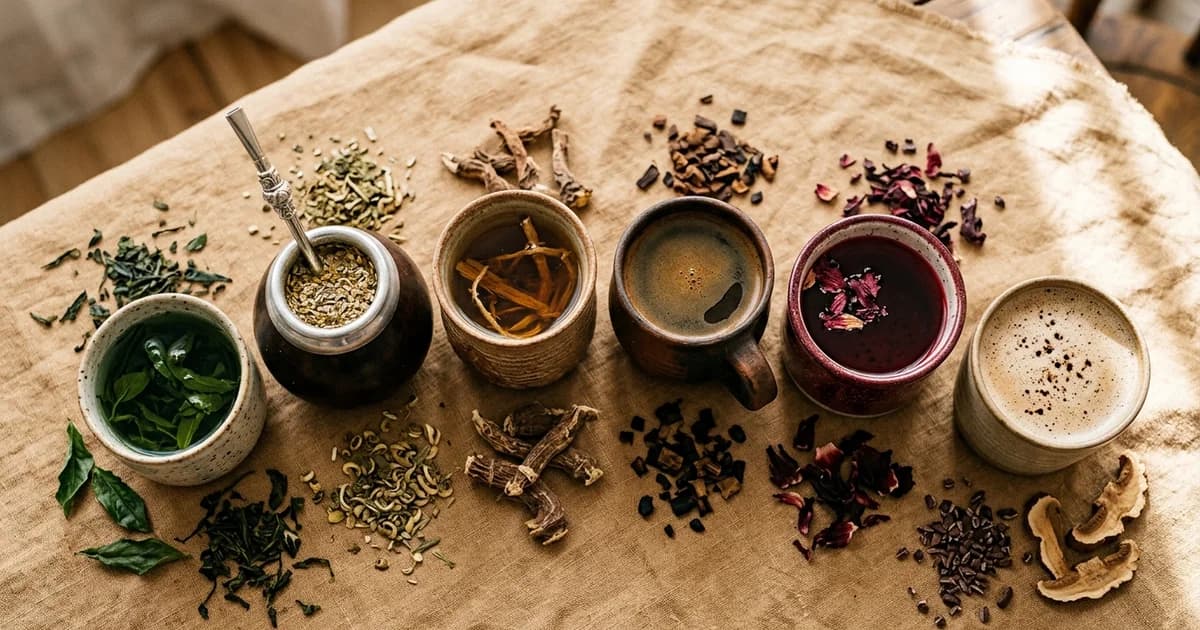
Beyond Matcha: 6 Lesser-Known Coffee Alternatives That Actually Work
You already know about matcha. Every wellness blog, every TikTok creator, every "morning routine" reel has covered it. And matcha is genuinely good. The L-theanine, the sustained caffeine, the ritual of whisking. We've written about it extensively. But if you're reading this, you've probably already tried it, and you're looking for what's next.
The best coffee alternatives for energy aren't just "things that contain caffeine." They're compounds and rituals that change the shape of your energy: smoother onset, longer duration, fewer side effects, or entirely different mechanisms than the adenosine blockade you get from a cup of drip. Some of these have centuries of traditional use. Others have clinical trials. A few have both.
Here are six caffeine alternatives worth trying, with the actual science behind each one.
Key Takeaways
- Yerba mate, gyokuro, and ceremonial cacao each deliver caffeine alongside secondary compounds (theobromine, L-theanine) that modify the stimulant experience.
- Rhodiola rosea is the most evidence-backed adaptogen for fatigue resistance, with multiple RCTs supporting its use.
- Cordyceps shows real promise for physical endurance, though the mechanism is mitochondrial, not stimulant-based.
- Lion's mane coffee blends are popular but the human evidence for cognitive benefits remains mixed and early-stage.
1. Yerba Mate: The Three-Compound Stimulant
Yerba mate is the national drink of Argentina, Uruguay, and southern Brazil. It's brewed from the dried leaves of Ilex paraguariensis, traditionally sipped from a gourd through a metal straw called a bombilla. The ritual is communal: one gourd, passed around a circle, refilled with hot water until the flavor fades.
What makes mate different from coffee isn't just culture. It's chemistry. A standard cup of yerba mate contains roughly 85 mg of caffeine, close to a cup of drip coffee. But mate also delivers theobromine and theophylline, two related methylxanthines that coffee contains in only trace amounts. According to a review published in PMC, yerba mate's caffeine content ranges from 25 to 175 mg/g of dry mass, with theobromine ranging from 6 to 28 mg/g.
Theobromine is a milder, longer-lasting stimulant than caffeine. It dilates blood vessels rather than constricting them, which is why mate drinkers often describe the energy as "smooth" or "clean" compared to coffee's sharper spike. The yerba mate vs coffee debate usually centers on caffeine content alone, but that misses the point. The combination of all three methylxanthines creates a stimulant profile that's genuinely distinct, not just a weaker version of the same thing.
Best for: People who want coffee-level energy with a gentler curve and a social ritual built in.
Typical dose: 1-2 gourds (roughly 150-300 ml), delivering 85-170 mg caffeine plus theobromine.
2. Gyokuro: The Shade-Grown L-Theanine Powerhouse
If matcha is the gateway to Japanese green tea, gyokuro is the deep end. It's a shade-grown tea, covered for roughly 20 days before harvest to block up to 90% of sunlight. This isn't aesthetic. According to Ocha & Co., the shading slows photosynthesis and increases the plant's production of L-theanine, the amino acid responsible for that calm-focus state tea drinkers prize.
The result is a tea with one of the highest L-theanine concentrations of any natural source. A cup of gyokuro contains roughly 50-70 mg of caffeine, according to Nordqvist Tea, which is less than coffee but paired with enough L-theanine to meaningfully alter the experience. A 2008 study published in Nutritional Neuroscience found that the combination of L-theanine and caffeine improved both hit rate and target discriminability on attention tasks compared to placebo, while neither compound alone produced the same effect.
Gyokuro's flavor is intensely umami, almost savory, nothing like the grassy bitterness of cheap green tea. It's brewed at a lower temperature (around 60°C) with more leaf per cup, which concentrates the amino acid content. The preparation is slower and more deliberate than coffee, which is either a feature or a bug depending on your morning.
Best for: Tea enthusiasts who want maximum L-theanine without grinding powder. A genuine coffee alternative for focus work.
Typical dose: One brew of 5-8g of leaf in 60-80 ml of water at 60°C. Multiple infusions from the same leaves.
3. Rhodiola Rosea: The Adaptogen With Actual Data
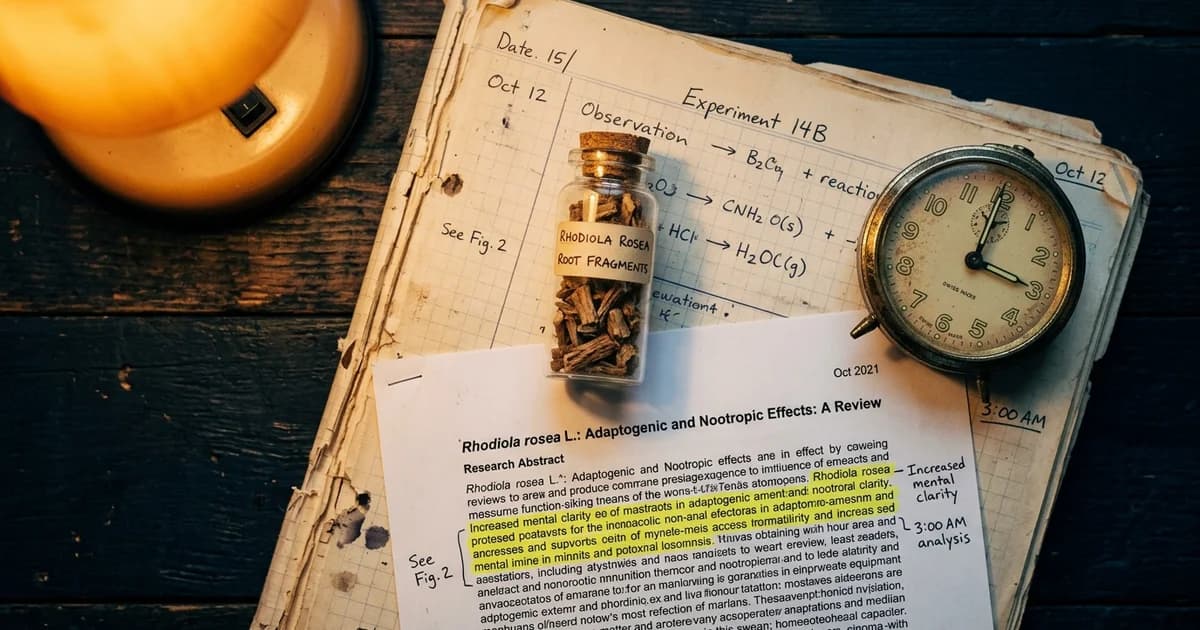
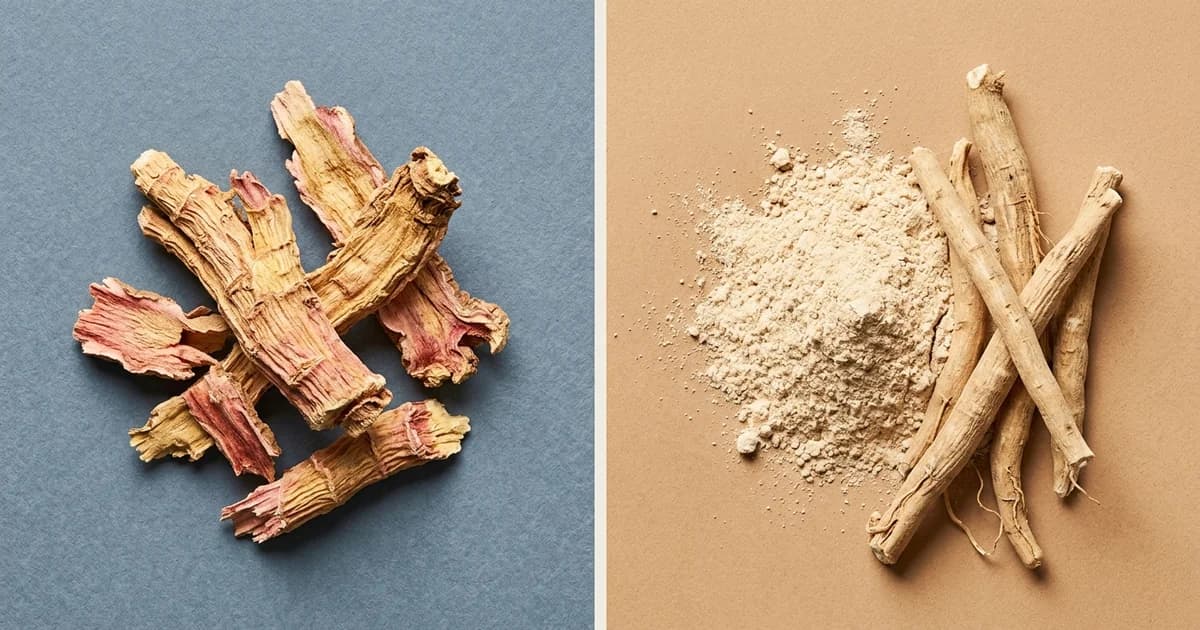
If you're searching for an adaptogen coffee alternative with real clinical backing, rhodiola rosea is it. This high-altitude root, used for centuries in Scandinavian and Russian folk medicine, has been studied in multiple randomized controlled trials for both physical and mental fatigue.
A systematic review in BMC Complementary and Alternative Medicine identified 11 controlled trials evaluating rhodiola for fatigue. Of those, 10 were RCTs. The review found that the existing evidence, while limited by inconsistent outcome measures across studies, suggested rhodiola may have "beneficial effects on physical performance, mental performance, and certain mental health conditions." A 2024 review in the journal Integrative and Complementary Therapies noted that studies showed improvements in cognitive function, mental fatigue, physical fitness, well-being, and mood state in people experiencing stressful conditions.
Rhodiola for energy, and other alternatives to energy drinks, works differently from caffeine. It doesn't block adenosine. Instead, its active compounds, rosavins and salidroside, appear to modulate the HPA axis and influence serotonin and dopamine pathways. The effect isn't a "buzz." It's more like the absence of drag: tasks feel less effortful, mental fatigue sets in later, and stress feels more manageable.
Best for: High-stress periods, deadline weeks, or anyone whose fatigue is more about burnout than sleep deprivation.
Typical dose: 200-600 mg of standardized extract (3% rosavins, 1% salidroside), taken in the morning.
4. Cordyceps: Mitochondrial Energy, Not Stimulant Energy
Cordyceps is the odd one on this list because it doesn't feel like a stimulant at all. There's no buzz, no onset, no "kick." What cordyceps appears to do, based on the available research, is improve how efficiently your cells produce energy at the mitochondrial level.
A randomized, double-blind, placebo-controlled study published in the Journal of Dietary Supplements tested a cordyceps militaris-containing mushroom blend on 28 healthy individuals. After three weeks of supplementation, the cordyceps group saw VO2max improve by 4.8 ml·kg⁻¹·min⁻¹ compared to just 0.9 in the placebo group (p=0.042). Time to exhaustion also improved: +69.8 seconds after three weeks in the supplementation group versus no change in placebo.
The mechanism involves improved mitochondrial respiratory chain efficiency and increased cellular oxygen uptake, according to research summarized on Praticonnect. This is fundamentally different from caffeine. You're not blocking a fatigue signal. You're improving the energy production machinery itself.
The catch: these effects take time. Acute supplementation showed smaller improvements than chronic use in the same study. Cordyceps isn't something you take 30 minutes before a deadline. It's a daily practice.
Best for: Athletes, endurance-focused individuals, or anyone looking for a non-stimulant approach to sustained physical energy.
Typical dose: 1,000-3,000 mg of cordyceps militaris extract daily.
5. Ceremonial Cacao: Theobromine-Forward Energy
Cacao ceremonies have become a fixture in wellness circles, and the cynical take is that it's just hot chocolate with better marketing. That's not entirely fair. Ceremonial-grade cacao is minimally processed, retaining far more of its active compounds than a Hershey bar.
The primary stimulant in cacao isn't caffeine. It's theobromine, the same compound that gives yerba mate part of its character, but in much higher concentrations. According to lab testing published by Soul Lift Cacao, a 28g serving of pure ceremonial cacao contains roughly 300-470 mg of theobromine alongside 60-145 mg of caffeine. That caffeine range is higher than most people expect, approaching coffee territory.
Theobromine's effects differ from caffeine in important ways. Research covered in Psychology Today notes that theobromine binds to adenosine receptors and modulates GABA neurotransmitter receptors that influence mood, but its effects are gradual rather than abrupt. The half-life is roughly 6-8 hours, about double that of caffeine, which means the energy curve is flatter and longer.
The ritual itself is simple: melt a disc of ceremonial cacao in hot water, add a pinch of cayenne or cinnamon if you want, and drink slowly. It's rich, slightly bitter, and genuinely mood-elevating in a way that feels distinct from coffee's anxious edge.
Best for: People sensitive to caffeine's jittery side effects who still want a warm, ritualistic morning drink with real psychoactive effects.
Typical dose: 20-30g of ceremonial-grade cacao in 200 ml of hot water.
6. Lion's Mane Coffee Blends: Promise Outpacing Proof
Lion's mane (Hericium erinaceus) is everywhere right now, and mushroom coffee replacement options like Four Sigmatic and Mud/Wtr have made it a mainstream ingredient, typically blending lion's mane extract with reduced-caffeine coffee. The pitch: NGF (nerve growth factor) stimulation for better focus, memory, and long-term brain health.
The science is real but early. Lion's mane contains compounds called hericenones and erinacines that have been shown to enhance NGF release in preclinical research. The most-cited human trial, a 2009 study by Mori et al., found improvements in cognitive function in older adults with mild cognitive impairment over 16 weeks of supplementation. But that population (older adults with existing impairment) is very different from the healthy 28-year-old buying mushroom coffee for "neurohacking."
A 2025 double-blind RCT published in Frontiers in Nutrition tested lion's mane in healthy younger adults and found mixed results. As NutraIngredients reported, a single dose may improve speed and performance an hour after ingestion, but the researchers themselves noted that "improved scores on certain cognitive measures" were "contradicted by negative results in other tests."
This doesn't mean lion's mane is useless. It means the evidence doesn't yet support the marketing. If you enjoy mushroom coffee blends, drink them. Just don't expect the NGF effects to be noticeable on a Tuesday morning.
Best for: People who enjoy the taste of mushroom coffee and want potential long-term neuroprotective benefits, with realistic expectations.
Typical dose: 500-3,000 mg of lion's mane extract daily (check your blend's label; many underdose).
Comparing the Best Coffee Alternatives
| Alternative | Primary Active Compound | Caffeine (per serving) | Onset | Duration | Strength of Evidence |
|---|---|---|---|---|---|
| Yerba Mate | Caffeine + Theobromine | ~85 mg | 15-30 min | 3-5 hours | Strong (traditional + biochemical) |
| Gyokuro | L-Theanine + Caffeine | 50-70 mg | 15-30 min | 2-4 hours | Strong (RCTs on L-theanine + caffeine) |
| Rhodiola Rosea | Rosavins + Salidroside | 0 mg | 30-60 min | 4-6 hours | Moderate (multiple RCTs, inconsistent measures) |
| Cordyceps | Cordycepin + Adenosine | 0 mg | Days to weeks | Ongoing | Moderate (small RCTs) |
| Ceremonial Cacao | Theobromine | 60-145 mg | 30-60 min | 6-8 hours | Moderate (biochemical, limited RCTs) |
| Lion's Mane | Hericenones + Erinacines | 0 mg (unless blended) | Weeks | Ongoing | Early (mostly preclinical, mixed human data) |
Related from Roon
- The Coffee Paradox: Why Your Morning Cup Stopped Working (And the Science of What's Replacing It)
- The Stimulant-Free Energy Stack: How Light, Cold, Breath, and Timing Replace Your Morning Coffee
- Beyond the 6-Hour Window: How Multi-Compound Nootropic Stacks Engineer All-Day Cognitive Endurance
Rituals Are Real. So Is Engineering.
Every alternative on this list offers something coffee doesn't. Yerba mate gives you a communal ritual and a triple-methylxanthine profile. Gyokuro delivers L-theanine in concentrations that genuinely shift your attention quality. Rhodiola helps you resist the fatigue that caffeine just masks. These aren't gimmicks. They're legitimate tools.
But they share a limitation: variability. The theobromine in your cacao depends on the bean origin, the processing, the serving size. The L-theanine in your gyokuro depends on the farm, the shade duration, the brew temperature. Rhodiola extract potency varies across brands. You're working with natural products, and natural products are inconsistent by nature.
That's the gap Roon was designed to fill. Each pouch delivers a precise, fixed-dose stack of 80 mg caffeine, 60 mg L-theanine, 25 mg methylliberine (Dynamine), and 5 mg theacrine (TeaCrine), compounds chosen because the research on them is strong and the dosing is well-established. The sublingual format means absorption starts in minutes, not the 30-60 minutes you'd wait for a tea or adaptogen to hit.
This isn't an either/or situation. Brew your gyokuro on a slow Saturday morning. Share mate with friends. Take rhodiola during a stressful quarter. And on the days when you need reliable, fast-onset focus with a known dose, Roon is there. Ritual and engineering aren't opposites. They're complementary tools for different moments.