Brain Fog Concussion
Roon Team
Brain Fog Concussion: What's Actually Happening Inside Your Head
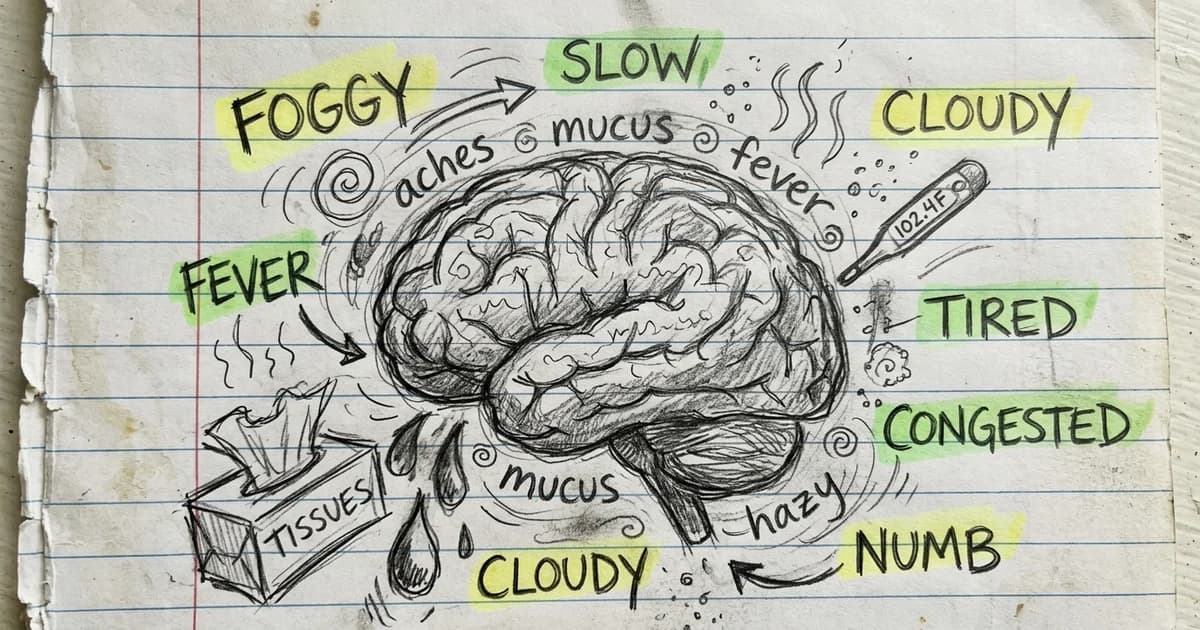
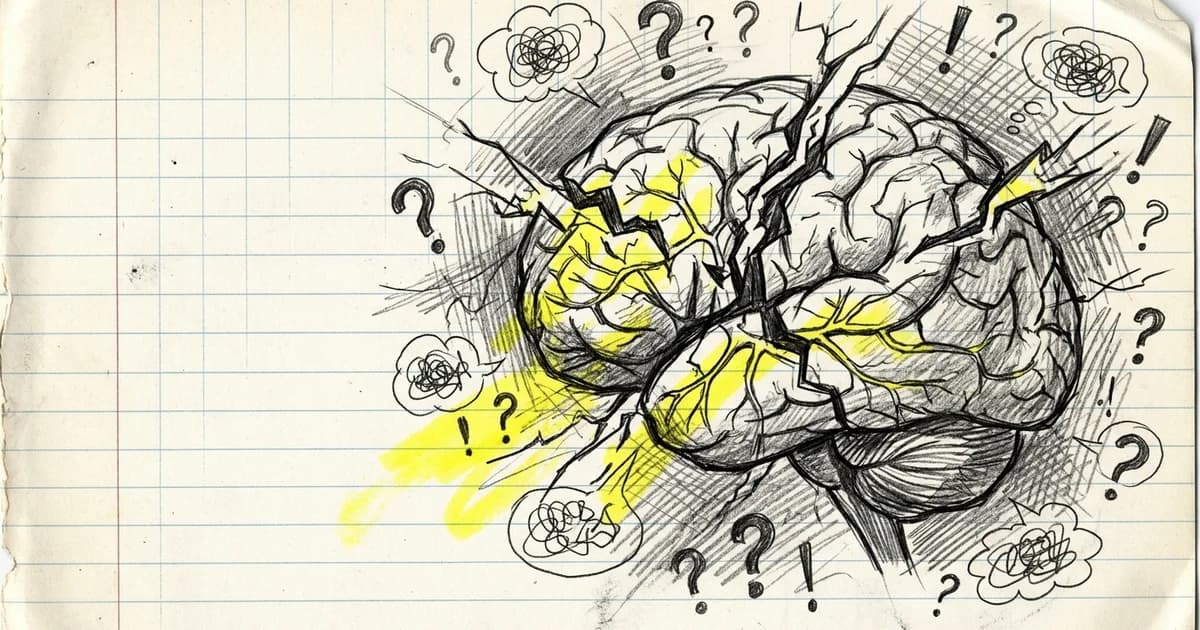
You hit your head. The headache faded. The dizziness settled. But weeks later, you still can't think straight. Words slip away mid-sentence. You read the same paragraph four times and retain nothing. Welcome to brain fog concussion, a specific form of what brain fog actually is: the symptom that lingers long after the visible damage heals.
This isn't laziness. It isn't anxiety (though anxiety often rides shotgun). Brain fog concussion is a measurable disruption in how your brain delivers blood, manages inflammation, and communicates between regions. And understanding the mechanism is the first step toward clearing the fog.
Key Takeaways:
- Brain fog concussion stems from neuroinflammation, disrupted blood flow regulation, and impaired neural signaling.
- Most people recover within a few weeks, but roughly 10-30% develop persistent symptoms lasting months or longer.
- Active recovery strategies (controlled exercise, sleep optimization, cognitive rehabilitation) outperform passive rest.
- Certain nootropic compounds like L-Theanine and caffeine have clinical evidence supporting focus and attention during periods of cognitive difficulty.
Why Concussions Cause Brain Fog in the First Place
A concussion is a mild traumatic brain injury (mTBI). The word "mild" refers to the severity classification, not how it feels. According to NCBI's StatPearls resource, approximately 1.5 million TBIs occur annually in the United States, with 75% classified as mild. Most resolve on their own. Some don't.
Brain fog concussion isn't one problem, and it shares overlapping mechanisms with other post-illness brain fog causes. It's several overlapping problems that produce the same frustrating result: your thinking feels slow, cloudy, and unreliable.
Neuroinflammation: Your Brain's Overactive Immune Response
When your brain takes a hit, specialized immune cells called microglia activate immediately. They function like a cleanup crew, removing damaged cells and debris. That's a good thing, in the short term.
The problem starts when this inflammatory response doesn't shut off. According to Naples Brain Center, elevated levels of TNF-alpha (a key inflammatory marker) following concussion have been associated with persistent headaches, cognitive decline, and breakdown of the blood-brain barrier. When that barrier weakens, substances that normally stay out of the brain start getting in, fueling even more inflammation.
This is the loop that keeps brain fog concussion alive: injury triggers inflammation, inflammation damages the blood-brain barrier, and barrier damage lets in more inflammatory signals.
Disrupted Neurovascular Coupling
Your brain doesn't store much energy on its own. It relies on a real-time delivery system: when a brain region activates, local blood vessels dilate to supply oxygen and glucose exactly where they're needed. This process is called neurovascular coupling, and concussions break it.
After a head injury, the signaling between neurons and blood vessels becomes unreliable. Active brain regions don't get the fuel they need, when they need it. The result? Cognitive FX explains that brain fog concussion includes difficulty concentrating, slowness in thinking, and trouble remembering and learning new information. These aren't vague complaints. They reflect a real supply-and-demand mismatch in the brain's energy system.
Neural Pathway Disruption
A concussion physically jostles neurons. The stretching and shearing forces can damage axons, the long fibers that connect brain regions to each other. When these connections degrade, information travels slower and less reliably between areas responsible for memory, attention, and executive function.
A 2024 PMC study on brain fog in TBI patients found that brain fog concussion correlated with deficits in attention, processing speed, and executive function. The study also posited that persistent neuroinflammation may be a biological mechanism driving these symptoms even in moderate-to-severe TBI cases.
How Long Does Brain Fog Concussion Last?
There's no single answer, because every brain and every injury is different. But the data gives us a useful range.
Most people see improvement within days to four weeks when they follow an active recovery plan. Complete Concussions notes that symptoms persisting beyond four weeks suggest persistent post-concussion symptoms, which warrant more targeted treatment.
The prevalence of persistent post-concussion symptoms varies widely in the literature. A systematic review published in Frontiers in Neurology reported that prevalence rates range between 11% and 82%, depending on the population studied and the diagnostic criteria used. The wide range reflects how inconsistently "post-concussion syndrome" has been defined across research.
Here's the practical takeaway: if your brain fog concussion hasn't improved after a month, it's not a sign of permanent damage. It's a sign that your recovery needs a more targeted approach.
What Brain Fog Concussion Actually Feels Like
If you've never experienced it, brain fog concussion sounds vague. If you have experienced it, you know it's anything but.
Cognitive FX describes the common symptoms: thoughts feel slow, unclear, or distant. Tasks that involve multiple steps feel impossible. Your mind wanders constantly, and dragging it back to the task at hand requires enormous effort.
Here's what people typically report:
| Symptom | What It Feels Like |
|---|---|
| Difficulty concentrating | You can't hold focus for more than a few minutes before drifting |
| Slowed processing | Conversations move too fast; you need extra time to respond |
| Memory gaps | You forget what you were doing mid-task |
| Mental fatigue | Thinking feels physically exhausting, especially by afternoon |
| Word-finding problems | You know the word you want but can't retrieve it |
These symptoms tend to worsen with cognitive load. A quiet morning might feel manageable. A busy workday with back-to-back meetings can leave you completely drained by 2 PM.
Brain Fog Concussion Recovery: What Actually Works
The old advice was simple: sit in a dark room and wait. That approach is outdated. Research now strongly favors active recovery, and the evidence behind it is solid.
Controlled Aerobic Exercise
A 2025 study published in the Journal of Sports Sciences found that sub-symptom threshold aerobic exercise improved executive function during the early stage of concussion recovery. The mechanism appears to involve increased cerebral blood flow, which supports oxygen delivery and waste removal in the brain.
The key phrase is "sub-symptom threshold." You're not training for a marathon. You're walking, cycling, or using an elliptical at an intensity that stays below the point where symptoms flare up. Gradually, that threshold rises.
Sleep Optimization
Sleep is when your brain does its heaviest repair work. A 2024 study highlighted by Complete Concussions found that athletes with disrupted sleep took twice as long to recover from concussions compared to those with good sleep hygiene.
This isn't just about getting eight hours. It's about consistent timing, a dark room, limited screen exposure before bed, and managing the anxiety that often disrupts sleep after a head injury.
Cognitive Rehabilitation
Targeted cognitive exercises, often guided by a neuropsychologist or occupational therapist, can help retrain attention, working memory, and processing speed. Think of it as physical therapy for your brain. The exercises are deliberately challenging but calibrated to avoid overwhelming a recovering system.
Vestibular and Vision Therapy
Many people don't realize that their brain fog concussion is partly a visual or vestibular problem. If your eyes aren't tracking properly or your balance system is sending conflicting signals, your brain burns extra energy just trying to orient itself. Treating these underlying issues often produces rapid improvement in perceived cognitive clarity.
What to Avoid During Brain Fog Concussion Recovery
Not everything that feels productive actually helps.
- Pushing through the fog. Ignoring symptoms and grinding through a full workday will extend your recovery, not shorten it. Your brain needs paced activity, not brute force.
- Excessive screen time. Screens demand sustained visual focus and rapid processing, exactly the skills your brain is struggling with. Limit exposure, especially in the first few weeks.
- Alcohol. Even moderate drinking increases neuroinflammation and disrupts sleep, both of which directly worsen brain fog concussion symptoms.
- Isolation. Social withdrawal is common after concussion, but complete isolation can feed depression and anxiety, which compound cognitive symptoms.
Supporting Cognitive Function During Brain Fog Concussion Recovery
Your brain's ability to focus, process, and recall depends on a reliable supply of neurotransmitters and stable neural signaling. During brain fog concussion recovery, that supply chain is compromised. While no supplement replaces medical treatment, certain compounds have solid evidence behind their ability to support the cognitive functions that brain fog concussion disrupts.
Caffeine in moderate doses (around 80mg, roughly one cup of coffee) promotes alertness without the overstimulation that can worsen post-concussion headaches. L-Theanine, an amino acid found in tea, pairs well with caffeine. A study published in Nutritional Neuroscience found that 97mg of L-Theanine combined with 40mg of caffeine helped participants focus attention during demanding cognitive tasks, with improved alertness and without the jitteriness of caffeine alone.
Theacrine and Methylliberine extend this effect. A randomized crossover study found that a combination of caffeine, theacrine, and methylliberine increased cognitive performance and reaction time without negatively affecting mood. These compounds work on similar adenosine pathways as caffeine but with a smoother, longer-lasting profile and reduced tolerance buildup.
The practical implication: if you're past the acute phase of brain fog concussion and looking for clean, sustained cognitive support without the crash-and-jitter cycle of high-dose caffeine, a low-dose stack of these four compounds fits the science.
That's exactly what Roon delivers. It's a zero-nicotine sublingual pouch containing 80mg caffeine, L-Theanine, Theacrine, and Methylliberine, designed for 6-8 hours of sustained focus. No jitters, no crash, no tolerance buildup. For anyone working through the mental cloudiness that follows a head injury, or just looking for sharper daily cognitive performance, it's worth a look.