Brain Fog: Causes, Symptoms, and How to Actually Fix It
Roon Team
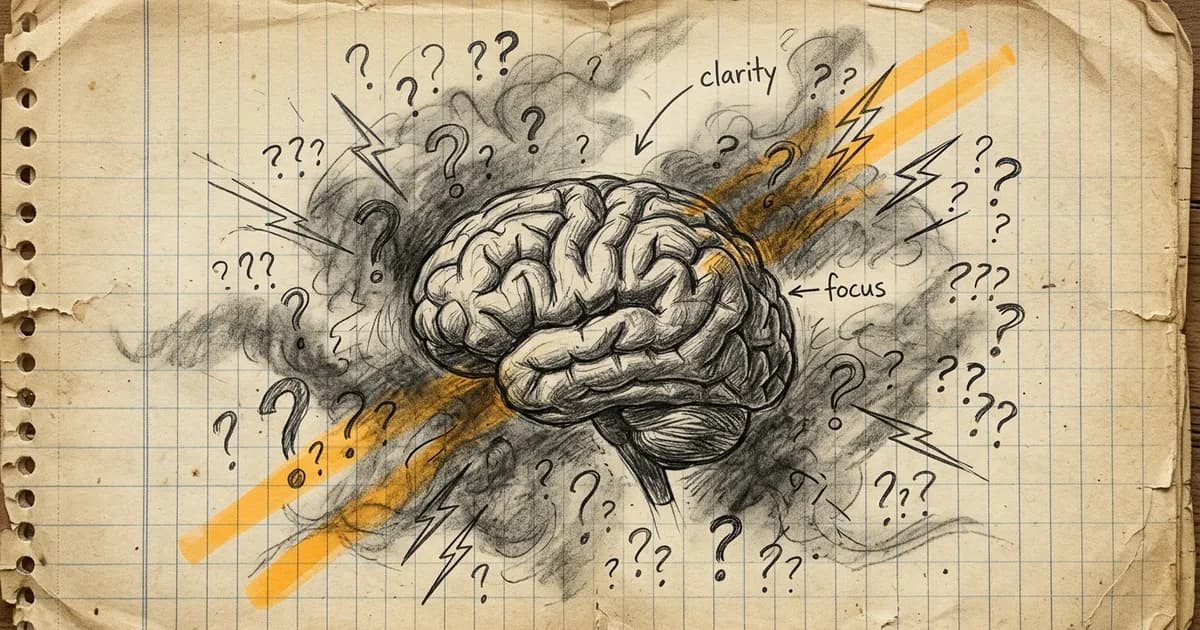
Brain Fog: Causes, Symptoms, and How to Actually Fix It
You're staring at your laptop. You've read the same paragraph three times. The words are there, but your brain refuses to process them. You know what you need to do, but the signal between intention and execution has gone static.
That's brain fog. And if you've experienced it, you're far from alone. A study published in Frontiers in Human Neuroscience found that 28.2% of adults report experiencing brain fog, with higher rates among women and older individuals. A 2025 paper in BMC Public Health called it "a significant public health concern" that affects quality of life and daily functioning.
Yet brain fog isn't a formal medical diagnosis. It's a cluster of cognitive symptoms that signal something deeper is going wrong. The good news: once you understand the brain fog causes behind it, you can fix most of them.
Key Takeaways
- Brain fog is a symptom, not a condition. It points to an underlying issue like poor sleep, chronic stress, dehydration, or gut dysfunction.
- The most common brain fog symptoms include difficulty concentrating, mental fatigue, forgetfulness, and slow thinking.
- Sleep deprivation is the single biggest trigger for most people, with cognitive performance declining almost linearly with lost sleep.
- You can fix brain fog through targeted lifestyle changes and, when needed, the right combination of cognitive support compounds.
What Does Brain Fog Actually Mean?
The brain fog meaning is deceptively simple: it describes a state where your thinking feels slow, hazy, or disconnected. Cleveland Clinic defines it as a group of symptoms that affect your thinking, memory, and concentration, often linked to illness, medication side effects, or underlying conditions.
But "simple" doesn't mean "harmless." People experiencing brain fog describe needing more effort to think clearly, struggling to keep track of conversations, and finding that tasks which used to be automatic now require deliberate concentration. The American Brain Foundation lists the core symptoms as difficulty concentrating, trouble paying attention, fatigue, mental exhaustion, and forgetfulness.
The frustrating part? Brain fog doesn't show up on a blood test. There's no scan that lights up "foggy." That's exactly why so many people dismiss it or push through it, which usually makes things worse.
Brain Fog Symptoms: How to Recognize It
Brain fog isn't one feeling. It's a constellation of cognitive glitches that overlap and feed into each other, spanning everything from eyes and mind fog symptoms to slow processing and word-finding problems. Here's what to watch for:
| Symptom | What It Feels Like |
|---|---|
| Difficulty concentrating | You read the same email four times without absorbing it |
| Mental fatigue | Your brain feels "heavy" or exhausted, even after rest |
| Forgetfulness | You walk into a room and forget why you're there. Repeatedly. |
| Slow processing | Conversations move faster than your ability to follow them |
| Word-finding problems | The word is on the tip of your tongue, but it won't come |
| Feeling overwhelmed | Simple decisions (what to eat, what to do next) feel paralyzing |
Psychology Today characterizes brain fog as cognitive dysfunction marked by poor memory, difficulty focusing, confusion, and mental fatigue. People who experience it often describe their thinking as "sluggish" or "fuzzy."
If several of these show up consistently, that's not just a bad day. That's a pattern worth investigating.
The 6 Most Common Brain Fog Causes
Brain fog reasons fall into a handful of categories. Some are obvious. Others are surprisingly overlooked.
1. Sleep Deprivation
This is the big one. Research published in Neurosciences Journal found that cognitive performance declines almost linearly with accumulated sleep loss. Your brain consolidates memories, clears metabolic waste, and restores neurotransmitter balance during sleep. Cut that process short, and you're running on a system that hasn't been maintained.
The Sleep Foundation confirms that poor sleep impairs memory consolidation during both NREM and REM stages, and that the effects can be felt immediately in attention, reaction time, and decision-making.
You don't need to pull an all-nighter to feel it. Even consistently getting six hours instead of seven or eight accumulates a cognitive deficit over days and weeks.
2. Chronic Stress
Stress isn't just a feeling. It's a biochemical event. Chronic stress keeps cortisol elevated, and sustained high cortisol damages the hippocampus, the brain region responsible for memory and learning.
A cross-sectional study published in Medicina found that brain fog symptoms are closely related to mood disturbances and sleep quality, with stress acting as a compounding factor across both. When you're stressed, you sleep worse. When you sleep worse, you're more stressed. The fog thickens.
3. Dehydration
Your brain is roughly 75% water. Even mild dehydration, around 1-2% of body weight, impairs attention, working memory, and reaction time. Most people don't think of water when their brain feels slow, but it's one of the fastest brain fog causes to fix.
Vail Health notes that studies have shown dehydration contributes to poor cognitive performance, and that drinking more water is one of the simplest interventions.
4. Gut Dysfunction
This one surprises people. Your gut produces roughly 95% of your body's serotonin and communicates directly with your brain through the vagus nerve. Cleveland Clinic reports that new research shows brain fog can result from viral changes to the gut microbiome, particularly after COVID-19 infection.
Chronic gut inflammation, food sensitivities, and dysbiosis (an imbalance in gut bacteria) can all generate the kind of low-grade systemic inflammation that clouds cognitive function.
5. Hormonal Changes
Thyroid dysfunction is one of the most underdiagnosed brain fog causes. Both hypothyroidism and hyperthyroidism can produce cognitive symptoms. Stanford Medicine researchers specifically look for hormonal shifts, especially in perimenopausal women, thyroid issues, and nutritional deficiencies when evaluating patients with brain fog.
Pregnancy, menstruation, and menopause all involve hormonal fluctuations that directly affect neurotransmitter activity and, by extension, how clearly you think.
6. Inflammation and Post-Viral Syndromes
COVID-19 put brain fog on the map for millions of people. Researchers at Trinity College Dublin demonstrated for the first time that leaky blood vessels in the brain, combined with a hyperactive immune system, may be key drivers of brain fog associated with Long COVID.
A 2025 study covered by ScienceDaily went further, discovering widespread increases in AMPA receptor density linked to cognitive impairment and inflammation, confirming brain fog as a measurable, biological condition.
But viral-triggered brain fog isn't limited to COVID. Epstein-Barr virus, influenza, and other infections can trigger similar inflammatory cascades.
How to Fix Brain Fog: What Actually Works
Fixing brain fog requires matching the solution to the cause. Here's what the evidence supports.
Fix Your Sleep First
This isn't optional. It's the foundation. Aim for 7-9 hours of consistent sleep. Go to bed at the same time every night. Cut screens an hour before bed. If you wake up foggy despite sleeping enough, investigate sleep apnea or other sleep disorders.
The Institute for Natural Medicine points out that sleep activates the glymphatic system, which clears the brain of toxins associated with neurodegenerative diseases. Poor sleep means your brain's waste-removal system is running at reduced capacity.
Move Your Body
Exercise increases blood flow to the brain, promotes the growth of new neurons, and reduces inflammation. You don't need to run a marathon. Thirty minutes of moderate activity, walking, cycling, swimming, most days of the week makes a measurable difference.
Hydrate Consistently
Don't wait until you're thirsty. By that point, you're already mildly dehydrated. Keep water accessible throughout the day. If plain water bores you, add electrolytes. Your brain will thank you within hours.
Address Stress Directly
Meditation, controlled breathing, regular exercise, and adequate sleep all lower cortisol. Pick one and actually do it daily. Consistency matters more than intensity here.
Audit Your Diet
Processed food, excess sugar, and alcohol all promote inflammation. An anti-inflammatory diet rich in omega-3 fatty acids, leafy greens, and fermented foods supports both gut health and cognitive function.
Support Your Brain Chemistry
Sometimes lifestyle changes need a boost. This is where targeted compounds come in.
A systematic review published in Cureus found that the combination of caffeine and L-theanine improved accuracy during attention-switching tasks and increased subjective alertness, while reducing tiredness. The two compounds work together: caffeine sharpens focus, while L-theanine smooths out the jittery edge and promotes calm concentration.
Research published in the Journal of the International Society of Sports Nutrition found that combining caffeine, theacrine, and methylliberine increased cognitive performance and reaction time without negatively affecting mood. A separate trial in tactical personnel found that this triple combination may sustain cognitive performance over a longer duration compared to caffeine alone, thanks to the different peak times and half-lives of each compound.
That's the science behind stacking these ingredients rather than relying on caffeine by itself.
When to See a Doctor About Brain Fog
Most brain fog resolves with the lifestyle fixes above. But persistent fog that lasts weeks or months, especially if it appeared suddenly or after an illness, deserves medical attention.
Healthline notes that brain fog can signal underlying conditions including autoimmune disorders, chronic fatigue syndrome, depression, or medication side effects. A doctor can run blood work to check for thyroid dysfunction, nutritional deficiencies (especially B12, vitamin D, and iron), and inflammatory markers.
Don't write it off as "just stress" if it's disrupting your daily life. Get it checked.
Clear the Fog
Brain fog isn't something you have to accept. It's a signal. Your brain is telling you that something in the system needs attention, whether that's sleep, stress, hydration, diet, or all of the above.
For the moments when you've done the foundational work and still need sharper focus, Roon was built for exactly that. It combines caffeine (80mg), L-theanine, theacrine, and methylliberine in a zero-nicotine sublingual pouch, the same compound stack shown in clinical research to support sustained cognitive performance without the jitters or crash of coffee alone. Six to eight hours of clean focus, absorbed in seconds, no brewing required.
Start with the basics. Fix the sleep, manage the stress, drink the water. And when you need an edge on top of that foundation, give Roon a try.