Best Things for Mental Clarity and Focus: What Actually Helps in 2026
You sit down to work, open the document, and your brain just stalls. The cursor blinks. You reread the same sentence four times. That foggy, can't-quite-think feeling is what most people are trying to fix when they search for supplements for mental clarity, and the market has more answers than anyone can reasonably test.
Most of what gets marketed for focus is either underdosed, slow to work, or built around a single ingredient that wears off by lunch. A few formulas are genuinely good. This guide compares the best options for 2026, ranks them honestly, and shows you exactly what each one leaves out.
Key Takeaways
- Mental clarity is the subjective sense of fast, clean thinking: quick recall, easy task switching, and low mental friction.
- The best-studied focus combination is caffeine plus L-theanine, which improves attention while smoothing out caffeine's edge.
- Single-ingredient products and slow-release capsules force trade-offs: either jitters and a crash, or a long wait before anything happens.
- The most complete stacks pair a fast stimulant base with anti-jitter and anti-tolerance ingredients, then deliver them quickly.
What Is Mental Clarity, Exactly?
Mental clarity is the feeling of thinking without resistance. Your recall is quick, you switch between tasks cleanly, and your attention holds where you point it. Brain fog is the opposite: slow word-finding, drifting attention, and the sense that your thoughts are moving through mud.
Clarity and focus are related but not identical. Focus is the ability to sustain attention on one thing. Clarity is the quality of the thinking itself. You can be focused on a task and still feel foggy, and you can feel sharp but scattered. The best supplements for mental clarity target both at once.
The usual culprits behind a foggy brain are boring and fixable: poor sleep, dehydration, blood sugar swings, and stimulant timing. No pouch or capsule beats eight hours of sleep. What the right ingredients can do is raise your baseline on a normal day and give you a clean, reliable lift when you need to perform.
How We Compared These Supplements
Four things separate a useful focus product from an expensive placebo:
- Ingredient evidence. Are the active compounds actually studied for attention, and at doses that match the research?
- Onset speed. How fast do you feel it? A capsule that kicks in at 45 minutes is useless when you need to start now.
- The crash factor. Does it deliver smooth energy, or a spike followed by an afternoon slump?
- Tolerance. Does it keep working after two weeks, or do you need more and more for the same effect?
With that framework, here are the options worth your money.
The Best Supplements for Mental Clarity and Focus in 2026
1. Caffeine + L-Theanine (the proven baseline)
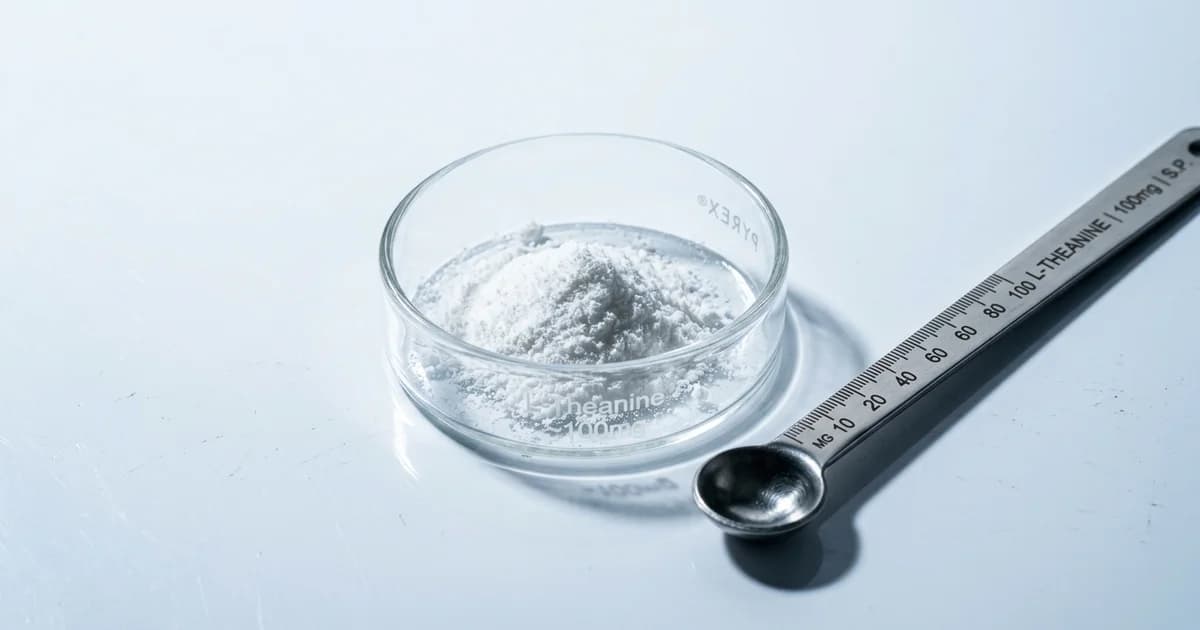
This is the most reliable focus combination in the research, and it is the foundation almost every serious product builds on. Caffeine raises alertness. L-theanine, an amino acid from tea, takes the rough edge off and supports calm attention.
The evidence is solid. In a 2010 study in Nutritional Neuroscience, a combination of L-theanine and caffeine improved accuracy during task switching, raised self-reported alertness, and reduced tiredness compared to placebo. A 2025 crossover trial found the pairing improved measures of selective attention even in sleep-deprived young adults.
The catch is that "caffeine plus L-theanine" describes a category, not a product. You can buy them as separate capsules, but dosing and timing are on you, and capsules are slow.
2. Alpha Brain (Onnit) (the legacy nootropic)
Alpha Brain is the best-known caffeine-free nootropic, built around ingredients like Bacopa, Alpha-GPC, and L-theanine. It is aimed at people who want a "brain support" supplement without a stimulant base.
Pricing is steep. The original runs about $79.95 for 30 servings, and the Black Label version costs roughly $125 per bottle for 20 servings. Reviewers have noted that some users actually preferred the cheaper original formula to the premium one.
The honest limitation: caffeine-free nootropics like this lean on long-term ingredients with subtle, slow-building effects. You take it for weeks and hope to notice a difference. For a same-day, sit-down-and-focus lift, it is not the fast tool.
3. Lion's Mane and Mushroom Blends (the long-game option)
Lion's mane is the trendy choice, and the evidence is genuinely interesting for long-term brain health, less so for acute focus. A 2024 review noted that participants taking lion's mane extract for 12 weeks had notable cognitive improvements versus a control group.
Acute effects are murkier. A 2025 trial found no overall significant effect on cognition after a single dose, though one psychomotor task improved.
So lion's mane is a reasonable daily habit for long-term support. It is not what you reach for when you have a deadline in twenty minutes.
4. Energy Drinks and High-Caffeine Shots (the crash machine)
These work fast and that is their only real advantage. A 200mg-plus caffeine hit with sugar gets you alert quickly. The problem is the back half of the curve.
Heavy caffeine alone tends to produce jitters, a racing pulse, and a hard afternoon crash as the stimulant clears and adenosine rebounds. The sugar makes the slump worse. There is no theanine to smooth it and nothing to address tolerance, so the dose creeps up over time.
5. Roon (the 4-ingredient sublingual stack)
Roon is a zero-nicotine sublingual pouch built around the caffeine-plus-theanine base, with two extra ingredients aimed squarely at the crash-and-tolerance problem. Each pouch delivers 80mg caffeine, 60mg L-theanine, 25mg methylliberine (Dynamine), and 5mg theacrine (TeaCrine).
The sublingual format is the difference in speed. Instead of waiting for a capsule to clear your stomach, absorption starts under the tongue, with a 5 to 10 minute onset and a 6 to 8 hour window of focus designed to avoid the jitters-and-crash pattern.
We will get to how those last two ingredients work in the gap analysis below, since they are exactly what most products on this list are missing.
Comparison Table: Focus Supplements for 2026
| Product | Active approach | Onset | Crash risk | Tolerance risk | Format |
|---|---|---|---|---|---|
| Caffeine + L-theanine (DIY) | Stimulant + calming amino acid | 30 to 45 min | Low to moderate | Moderate (caffeine) | Capsules/powder |
| Alpha Brain | Caffeine-free nootropic blend | Builds over weeks | Low | Low | Capsules |
| Lion's mane blends | Long-term brain support | Builds over weeks | None | Low | Capsules/powder |
| Energy drinks / shots | High caffeine + sugar | 10 to 20 min | High | High | Liquid |
| Roon | Caffeine + L-theanine + Dynamine + TeaCrine | 5 to 10 min | Low | Low | Sublingual pouch |
What's Missing Across These Products
Line all of these up and a pattern appears. Each one forces a trade-off, and almost none of them solve more than one problem at a time.
The proven base is incomplete. Caffeine plus L-theanine is the best-studied focus pairing, but on its own it does nothing about caffeine tolerance. Take it daily and the effect fades, so you climb the dose. The DIY version also leaves timing and ratios up to you.
Caffeine-free nootropics are slow. Alpha Brain and lion's mane blends rely on ingredients that build up over weeks. The acute evidence for same-day focus is weak, and the premium pricing is hard to justify when reviewers prefer the cheaper formulas.
Fast options crash hard. Energy drinks and shots deliver speed, then a slump. There is no theanine to smooth the curve and nothing to slow tolerance.
Delivery is the quiet failure. Most of these are capsules. You swallow them and wait 30 to 45 minutes while they clear your gut. For a tool meant to help you focus now, that lag is a real flaw.
The two ingredients that close these gaps are rarely included: methylliberine and theacrine. Both are stimulant-like compounds related to caffeine, but with a key difference. In an egamer study published in 2021, a combination of caffeine, TeaCrine (theacrine), and Dynamine (methylliberine) improved cognitive performance and reaction time without interfering with mood. And separate research on theacrine found no habituation even with daily use for eight weeks, meaning it does not build tolerance the way caffeine does.
In plain terms: the missing pieces are an ingredient that extends and smooths the lift, and an ingredient that keeps the whole stack working over time without dose creep.
Conclusion
The best approach to mental clarity and focus is not one magic ingredient. It is a short list of compounds that actually have evidence behind them, dosed correctly, delivered fast, and built so they keep working after the first two weeks.
Caffeine plus L-theanine remains the proven base. The products that improve on it add something to handle tolerance and smooth the curve, then get out of your gut and into your bloodstream quickly. Everything else on the market is either slow, single-note, or designed to spike and drop you.
Fix the basics first, sleep, hydration, and stimulant timing. Then pick a focus tool that respects all four of the things that matter: real evidence, fast onset, no crash, and no creeping tolerance.
Frequently Asked Questions
What is the best supplement for focus?
The best-studied single combination is caffeine paired with L-theanine, which research shows improves attention and alertness while reducing the jittery edge of caffeine alone. The most complete products build on that base by adding ingredients like methylliberine and theacrine to extend the effect and limit tolerance. The right choice depends on whether you want a fast, same-day lift or slow long-term support.
What causes brain fog and poor mental clarity?
Most everyday brain fog comes from a few fixable sources: not enough sleep, dehydration, blood sugar swings from skipped or sugar-heavy meals, and poorly timed caffeine. Stress and screen fatigue add to it. Supplements can raise your baseline and provide a clean lift, but they work best after you address sleep and hydration first, since no formula outperforms basic recovery.
How long do focus supplements take to work?
It depends entirely on the format. Capsules and powders usually take 30 to 45 minutes because they have to pass through your stomach first. Sublingual products absorb under the tongue and can start working in 5 to 10 minutes. Long-term nootropics like lion's mane build up over weeks rather than producing a same-day effect.
Does caffeine build tolerance?
Yes. Regular caffeine use leads to tolerance, so the same dose produces less effect over time and many people slowly increase their intake. This is why some formulas add theacrine, which research found did not cause habituation even after eight weeks of daily use. Pairing or partially replacing caffeine with theacrine helps a stack keep working without dose creep.
What is the difference between mental clarity and focus?
Focus is the ability to hold your attention on one task without drifting. Mental clarity is the quality of the thinking itself: quick recall, clean reasoning, and low mental friction. They overlap, but you can be locked onto a task and still feel foggy, or feel sharp but scattered. Good focus supplements aim to support both at the same time.
Are nootropic mushroom blends worth it for focus?
For long-term brain support, lion's mane has interesting evidence, with one 12-week study showing cognitive improvements versus a control group. For same-day focus, the acute evidence is weak, and a single dose has not reliably improved cognition in trials. Treat mushroom blends as a daily long-game habit, not a tool for an immediate deadline.
Can I just drink coffee instead?
Coffee works, but it gives you only the caffeine half of the equation. Without L-theanine you get more jitters and a sharper crash, and without theanine or theacrine you build tolerance faster. Coffee is a fine baseline. A formulated stack adds the smoothing and anti-tolerance ingredients that plain caffeine leaves out.
The Stack Most Focus Products Forget to Finish
Every product compared above does one job well and leaves another undone. The proven caffeine-and-theanine base ignores tolerance. The nootropic blends are slow. The energy drinks crash. The capsules make you wait.
Roon was built to fill those specific gaps instead of picking one to ignore. It keeps the evidence-backed base of 80mg caffeine and 60mg L-theanine, then adds 25mg Dynamine (methylliberine) and 5mg TeaCrine (theacrine), the two ingredients shown to support focus without the tolerance buildup of caffeine alone. The sublingual pouch handles the delivery problem, with absorption that starts in 5 to 10 minutes instead of the capsule's half-hour wait, and a 6 to 8 hour window built to avoid the jitters and the afternoon slump.
It is not a substitute for sleep, water, or a real meal, and it will not fix burnout. What it does is give you a clean, fast, repeatable lift on the days you need to perform. If you have been stacking caffeine and theanine yourself, or stuck choosing between speed and a crash, try Roon as the version that already did the math for you.
Written by Roon Team