The Best Nootropics for Studying in 2026: What Actually Works
The Best Nootropics for Studying in 2026: What Actually Works
Your next exam is in 72 hours. You've got six chapters to review, three problem sets to finish, and the focus of a goldfish on TikTok. Sound familiar? The best nootropics for studying aren't the ones with the flashiest labels or the most Reddit hype. They're the ones with actual clinical evidence behind them.
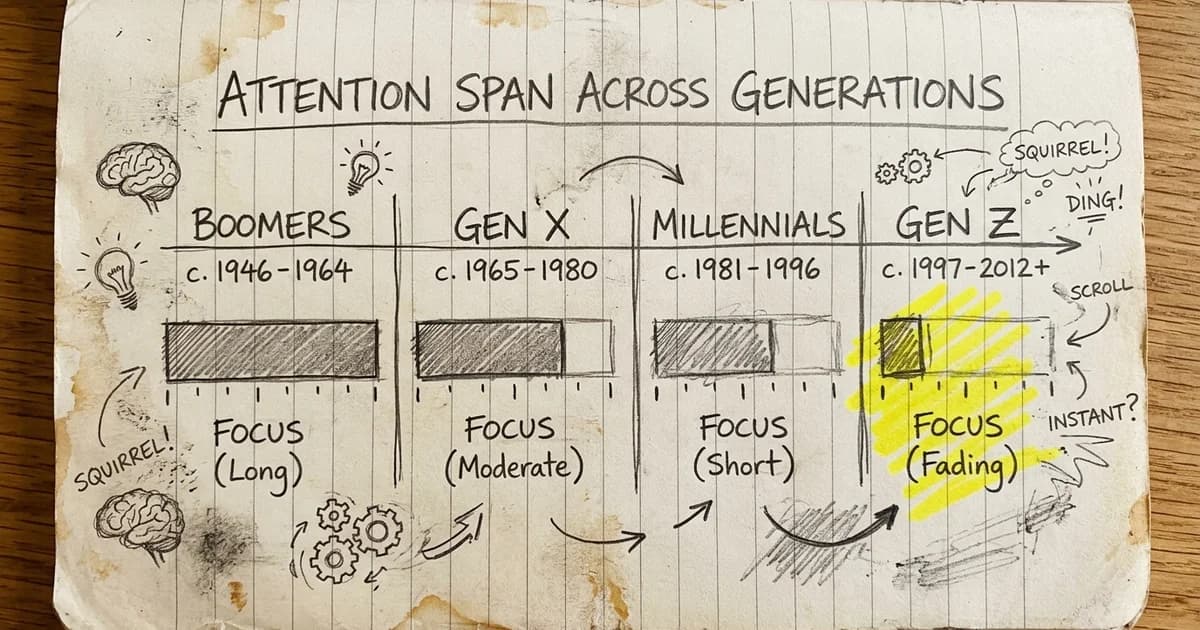
A 2025 Perspectus Global survey found that teens could only focus on exam revision for an average of 14 minutes before reaching for their phones. Forty percent said they were constantly distracted by social media while studying. That's the environment you're competing in. The question isn't whether you need better focus. It's how you get it without a prescription, and the best nootropics for studying can help you do exactly that.
Here's what the science actually says.
Key Takeaways
- Caffeine + L-Theanine is the most well-studied nootropic combination for sustained attention, and it works at surprisingly low doses.
- Theacrine delivers caffeine-like energy without building tolerance over time.
- Bacopa Monnieri improves memory retention, but only if you take it consistently for weeks.
- Creatine isn't just for the gym. It supports brain energy during mentally demanding tasks.
- Prescription stimulants carry real risks. Legal, evidence-based alternatives exist, and the best nootropics for studying offer a safer path.
1. Caffeine + L-Theanine: The Best Nootropics for Studying Start Here
You already know caffeine works. That's not news. What most students get wrong is the dose and the delivery.
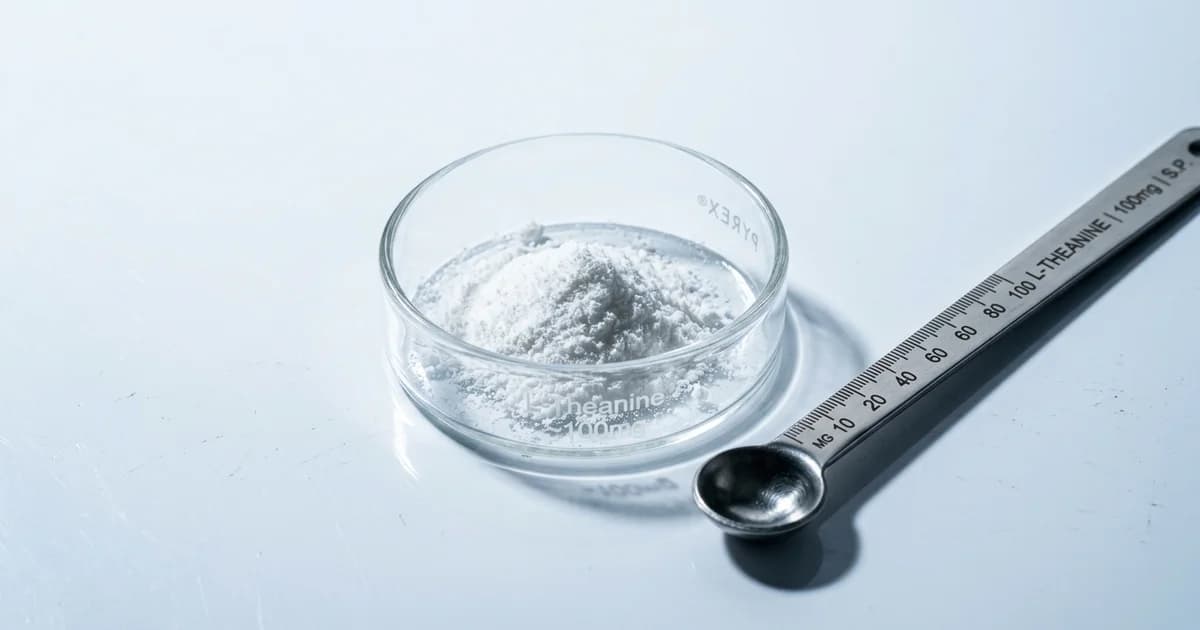
A study published on PubMed found that just 40mg of caffeine combined with 97mg of L-Theanine improved focus during demanding cognitive tasks. That's less caffeine than a small cup of coffee. The L-Theanine, an amino acid found naturally in green tea, smooths out the jittery edge that caffeine alone creates. This combination consistently ranks among the best nootropics for studying because of how well-documented its effects are.
A separate double-blind, placebo-controlled crossover trial published in the British Journal of Nutrition confirmed that the L-Theanine and caffeine combination enhances attentional focus by suppressing mind wandering and reducing distraction. This matters during late-night study sessions when your brain desperately wants to do anything else.
The ratio matters. Most research points to roughly a 2:1 ratio of L-Theanine to caffeine as the sweet spot. More caffeine doesn't mean more focus. It usually means more anxiety.
| Factor | Caffeine Alone | Caffeine + L-Theanine |
|---|---|---|
| Alertness | High | High |
| Jitteriness | Common | Reduced |
| Attention Quality | Scattered | Focused |
| Crash | Yes | Minimal |
| Anxiety Risk | Moderate-High | Low |
2. Theacrine: Caffeine's Longer-Lasting Cousin
Theacrine is a purine alkaloid found in kucha tea that behaves like caffeine in the brain but with one key difference: your body doesn't seem to build tolerance to it. That quality alone makes theacrine one of the best nootropics for studying over extended periods like finals season.
According to Compound Solutions, TeaCrine (a patented form of theacrine) delivers clean, long-lasting energy and enhanced mental focus without the crash, jitters, or habituation that comes with caffeine. That last part is the real selling point for students. If you're studying every day for weeks leading up to finals, a compound that doesn't lose its effect over time is worth paying attention to.
A study published in Nutrients found that methylliberine, a closely related compound, improved subjective feelings of energy, concentration, motivation, and mood in healthy adults. Both theacrine and methylliberine belong to the same family of purine alkaloids, and they work well together.
Theacrine pairs well with caffeine. Research suggests the combination may extend the duration of energy and sharpen focus beyond what either compound achieves alone, which is why many lists of the best nootropics for studying include both.
3. Bacopa Monnieri: The Long Game for Memory
Bacopa is the opposite of a quick fix. This Ayurvedic herb has strong evidence for improving memory consolidation and recall, but it takes 8 to 12 weeks of consistent daily use before the effects become noticeable.
A meta-analysis reviewed on PubMed found that Bacopa Monnieri improved attention, cognitive processing, and working memory in healthy adults. The mechanism involves supporting the production of acetylcholine, the neurotransmitter most directly tied to learning and memory formation.
Bacopa isn't the nootropic you grab the night before an exam. It's the one you start at the beginning of the semester. Think of it as a long-term investment in your brain's ability to encode information. Students searching for the best nootropics for studying often overlook Bacopa because the payoff isn't immediate, but the research is hard to ignore.
Dosing Notes
- Standard effective dose: 300mg daily (standardized to 50% bacosides)
- Take with food to reduce the mild nausea some people experience
- Be patient. You won't feel anything for weeks. Then you'll notice you're retaining more from lectures without trying as hard.
4. Creatine: Not Just for Lifters
Most people associate creatine with muscle and gym performance. But your brain uses creatine too, and it's hungry for it during mentally taxing work. That's why creatine deserves a spot on any serious list of the best nootropics for studying.
A systematic review and meta-analysis published in Experimental Gerontology found that creatine supplementation improved short-term memory and reasoning, particularly in stressed or sleep-deprived individuals. Sound like any college students you know?
Your brain accounts for roughly 20% of your body's total energy expenditure. Creatine helps regenerate ATP, the primary energy currency in your cells. When you're grinding through a four-hour study block, your brain is burning through ATP fast. Supplementing with creatine helps keep the supply steady.
Dosing Notes
- Standard dose: 3 to 5 grams daily of creatine monohydrate
- No loading phase needed. Just take it consistently.
- It's cheap, well-studied, and safe for long-term use.
5. Alpha-GPC: Fuel for Your Neurotransmitters
Alpha-GPC is one of the most bioavailable forms of choline, a nutrient your brain needs to produce acetylcholine. Low choline levels are associated with poor memory and slower cognitive processing, which is why Alpha-GPC frequently appears alongside the best nootropics for studying.
According to Nootropix, Alpha-GPC enhances the production of acetylcholine, the neurotransmitter most closely linked to learning, memory, and attention. For students, that translates to better encoding of new information during study sessions.
Typical doses range from 300 to 600mg daily. Some students stack Alpha-GPC with racetams or other cholinergic compounds, though the evidence for those combinations is thinner.
The Best Nootropics for Studying: What to Avoid
Not everything marketed as a "study aid" deserves your money or your trust. Knowing the best nootropics for studying also means knowing what to skip.
Prescription stimulants without a prescription. According to Research.com, male college students use Adderall at a rate of 14.6%, and prescription stimulant use peaks around the third year of college. These drugs carry real risks: cardiovascular strain, dependency, anxiety, and legal consequences, which is why natural Adderall alternatives have drawn serious attention. Using someone else's prescription is a federal offense.
Proprietary blends with hidden doses. If a label says "Focus Blend 500mg" but doesn't tell you how much of each ingredient is inside, skip it. You can't evaluate what you can't measure.
Anything promising instant genius. Cognitive performance is built through consistent habits, sleep, nutrition, and targeted supplementation. No single compound will turn a C student into an A student overnight.
How to Stack the Best Nootropics for Studying
The most effective approach combines compounds that work through different mechanisms. Here's a practical stack based on the evidence above:
| Compound | Dose | Timing | Primary Benefit |
|---|---|---|---|
| Caffeine | 40-100mg | Before study session | Alertness, reaction time |
| L-Theanine | 100-200mg | With caffeine | Calm focus, reduced jitters |
| Theacrine | 100-200mg | Morning or early afternoon | Sustained energy, no tolerance |
| Bacopa Monnieri | 300mg | Daily with food | Long-term memory support |
| Creatine | 3-5g | Daily, any time | Brain energy, short-term memory |
Start with one compound at a time. Add the next one after a week so you can isolate what's working and what isn't. More is not always better. The best nootropics for studying work because of consistency, not because you took everything at once.
Study Smarter Without a Prescription
The best nootropics for studying don't come from desperation or stimulant abuse. They come from consistent, well-supported brain chemistry.
That's the thinking behind Roon. Roon's nootropic pouches are a zero-nicotine sublingual pouch built around the exact stack the research supports: 80mg of caffeine, L-Theanine, Theacrine, and Methylliberine. No prescription needed. No jitters. No crash. No tolerance buildup. Just six to eight hours of clean, sustained focus that you can use every single study session without diminishing returns.
If you're tired of cycling between coffee, energy drinks, and regret, Roon is worth a look. Study smarter without a prescription.