ZYN Strengths Explained: Which Level Is Right for You?
ZYN Strengths Explained: Which Level Is Right for You?
Short answer: In the U.S., ZYN's standard dry line comes in 1.5mg, 3mg, 6mg and 8mg of nicotine per pouch (PMI added 8mg in September 2026), and the separate ZYN Ultra line reaches 9mg and 11mg. Swedish ZYN runs higher; see how Swedish ZYN compares. Pick 3mg if you are new to pouches, smoke fewer than 10 cigarettes a day, or are coming from low-nicotine vaping. Pick 6mg if you smoked a pack or more daily, have used snus or dip, or feel nothing from 3mg after about 15 minutes. The standard line now spans 13 U.S. flavors.
ZYN dominates the nicotine pouch market, and understanding zyn strengths is the first step to choosing the right product. With a 63.4% market share in 2024 and over 223 million cans shipped in Q1 2025 alone, it's the brand most people encounter first. But the question that trips up nearly every new user is simple: which zyn strengths actually match what you need?
The answer depends on your nicotine history, your goals, and whether you've thought about what you're actually optimizing for. Here's the full breakdown.
Key Takeaways
- ZYN's standard U.S. line now lists 1.5mg, 3mg, 6mg and 8mg of nicotine per pouch on zyn.com product pages, and the separate ZYN Ultra line reaches 9mg and 11mg.
- 3mg suits lighter users and beginners; 6mg is built for heavier nicotine consumers or former pack-a-day smokers.
- ZYN flavors now number 13 in the U.S., and flavor preference doesn't dictate your dose.
- Nicotine builds tolerance quickly, which means the strength that feels right today may not feel the same in three months.
- If you're using pouches for focus rather than nicotine satisfaction, there are zero-nicotine alternatives worth considering.
ZYN Strengths and Mg Levels: What's Actually Available
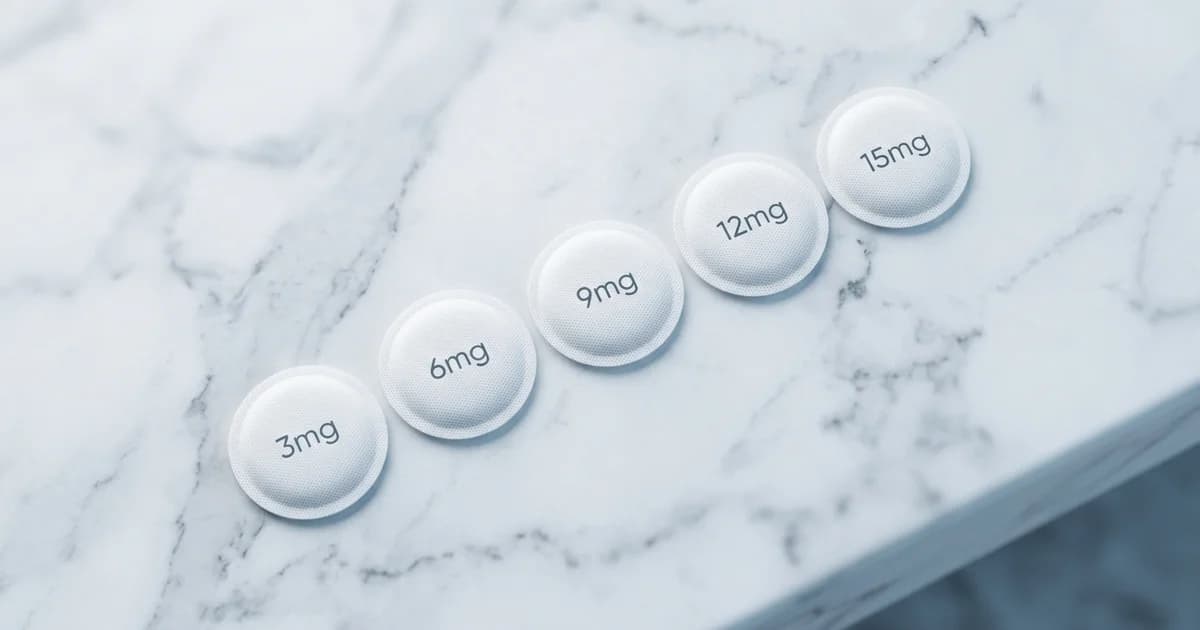
In the United States, the available zyn strengths still keep things fairly simple. ZYN's product pages list four strengths in the standard line, and ZYN Ultra adds two more:
| Strength | Nicotine Per Pouch | Best For | Intensity |
|---|---|---|---|
| ZYN 1.5mg | 1.5mg | The lightest standard option | Mildest |
| ZYN 3mg | 3mg | Beginners, light smokers, those stepping down | Mild, gradual onset |
| ZYN 6mg | 6mg | Regular smokers, experienced pouch users | Stronger, faster hit |
| ZYN 8mg | 8mg | New September 2026; experienced users | Strong |
| ZYN Ultra 9mg | 9mg | Experienced users who have outgrown the standard line | Strong |
| ZYN Ultra 11mg | 11mg | The highest ZYN strength sold in the U.S. | Strongest |
Outside the U.S., the range of zyn strengths expands. European and international markets carry ZYN in zyn mg levels from 1.5mg all the way up to 14mg or higher, using a dot system (1 dot through 4 dots) to indicate intensity. Some European brands print "50 mg" on the can, but that number is per gram, not per pouch; see what 50 mg nicotine pouches really contain. In the States, most buyers are choosing between 3 and 6, with 1.5mg below them, the new 8mg pouch above, and the ZYN Ultra line above that. PMI also says the 3mg and 6mg cans move from 15 to 20 pouches in Q4 2026, so check the count on the can. Every brand's 3 mg cans are listed in 3 mg nicotine pouches by brand.
Each pouch contains pharmaceutical-grade nicotine salt (nicotine bitartrate dihydrate) alongside food-grade fillers, pH balancers, sweeteners, and flavorings, according to ZYN's official FAQ. No tobacco leaf. No spit required.
ZYN mg Levels at a Glance (1.5 to 11 mg)
Every ZYN strength sold in the U.S., with its line, can count and FDA status:
| mg | Line | Pouches per can | FDA status (Oct 2026) |
|---|---|---|---|
| 1.5 mg | ZYN (dry) | 15 | Not on FDA's authorized list |
| 3 mg | ZYN (dry) | 15, moving to 20 in Q4 2026 | 10 flavors authorized (Jan 2025), modified-risk order June 30, 2026 |
| 6 mg | ZYN (dry) | 15, moving to 20 in Q4 2026 | 10 flavors authorized (Jan 2025), modified-risk order June 30, 2026 |
| 8 mg | ZYN (dry), new Sept 2026 | 15 | Not on FDA's authorized list |
| 9 mg | ZYN Ultra (moist) | 20 | 10 products authorized Aug 21, 2026 |
| 11 mg | ZYN Ultra (moist) | 20 | Smooth 11 mg authorized Aug 21, 2026 |
Source: zyn.com product pages, PMI U.S. release, Sept 9, 2026 and the FDA authorized nicotine pouch list, checked Oct 2026.
ZYN 3mg vs 6mg: The Real Difference
Comparing zyn 3mg vs 6mg, the math is obvious: 6mg delivers twice the nicotine of 3mg. But the experience gap is wider than a simple 2x multiplier suggests.
ZYN 3mg produces a gentle, slow-building nicotine release. Most users describe it as a background hum rather than a pronounced buzz. It's the standard recommendation for anyone who hasn't used nicotine pouches before, or for people transitioning from light cigarette use (under half a pack a day). Of the two zyn strengths most U.S. buyers choose between, this is the milder option.
ZYN 6mg hits faster and harder. A pharmacokinetic study published on PubMed found that ZYN 6mg delivered nicotine to a similar extent and speed as traditional 8mg Swedish snus, with the AUC (area under the curve, a measure of total nicotine exposure) of ZYN 6mg actually 34% larger than that of 8mg General snus. That's a meaningful dose.
For former pack-a-day smokers, 6mg tends to be the starting point. For social smokers or people who vaped at lower nicotine concentrations, 3mg is usually enough. Understanding zyn nicotine levels helps you avoid starting too high or too low.
How to Choose Between Them
Skip the guesswork. Use this decision framework for picking between zyn strengths:
- Start with 3mg if: You've never used nicotine pouches, you smoke fewer than 10 cigarettes a day, you're switching from low-nicotine vaping, or you want a mild starting point. The 1.5mg pouch is lighter still. See ZYN 1.5 mg flavors, price and FDA status before buying it.
- Start with 6mg if: You smoke a pack or more daily, you've used snus or dip before, or you tried 3mg and felt nothing after 15 minutes.
Most users find their ideal strength within the first week, according to Snusdaddy's comparison guide. If 3mg feels too light, move up. If 6mg gives you hiccups or a head rush, step down. The zyn 3mg vs 6mg decision usually resolves itself quickly once you try both.
One thing worth noting: nicotine absorption from a pouch depends on more than just the labeled zyn mg levels. Saliva production, pouch placement (upper lip vs. lower lip), and how long you keep the pouch in all affect how much nicotine actually enters your bloodstream. Two people using the same 6mg pouch can have meaningfully different experiences.
ZYN Nicotine Levels and Flavor Options
Flavor doesn't change the zyn nicotine levels. A ZYN Cool Mint 3mg pouch delivers the same 3mg of nicotine as a ZYN Coffee 3mg pouch. What changes is the sensory experience on top of the nicotine.
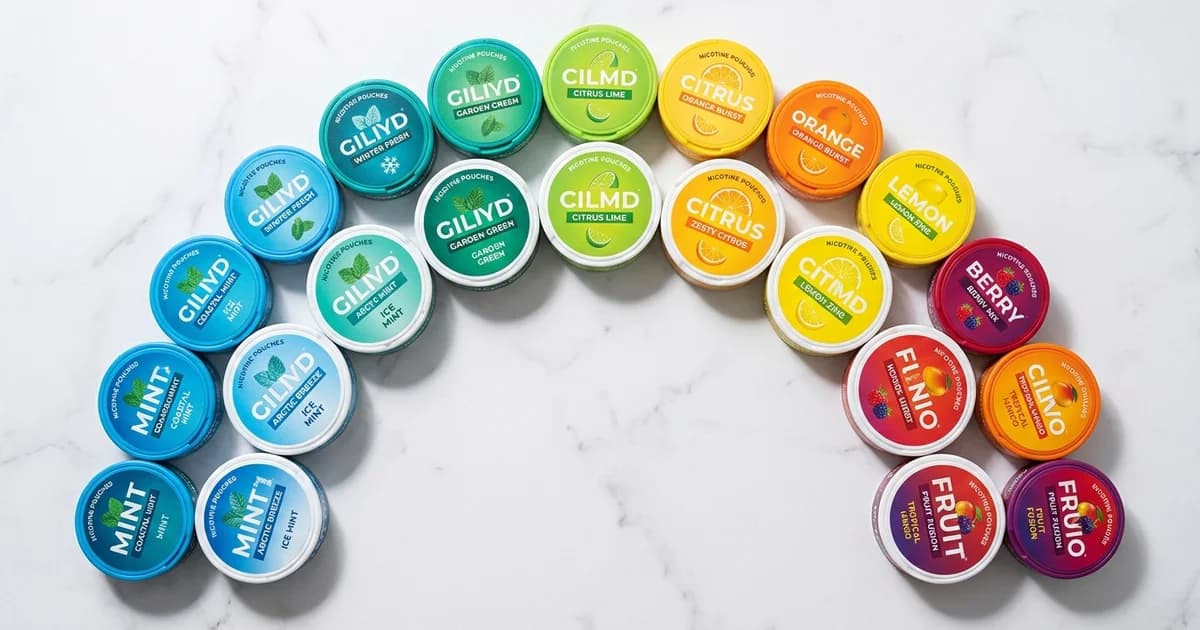
The current U.S. lineup includes 13 standard varieties: Cool Mint, Wintergreen, Spearmint, Peppermint, Menthol, Citrus, Coffee, Cinnamon, Smooth, Chill, Black Cherry, Peach, and Dragonberry. Cool Mint and Wintergreen consistently rank as the top sellers.
Mint-flavored pouches can create a slight cooling or tingling sensation that some users confuse with a stronger nicotine hit. It's not. The tingle is from menthol, not nicotine. Keep that in mind when evaluating whether your chosen zyn strengths option is right. One flavor's full strength range is laid out in ZYN Menthol in 1.5 to 8 mg.
How ZYN Compares to Other U.S. Nicotine Pouches
ZYN isn't the only brand on the shelf. Here's how the major players stack up on available zyn mg levels and competitor equivalents:
| Brand | Available Strengths (U.S.) | Number of Options |
|---|---|---|
| ZYN | 1.5mg, 3mg, 6mg, 8mg (plus ZYN Ultra at 9mg and 11mg) | 6 |
| VELO | VELO 4mg, 7mg; VELO PLUS 3mg, 6mg, 9mg; VELO MAX 8mg, 12mg | 7 |
| On! | on! 2mg and 4mg (FDA-authorized), 8mg at retailers; on! PLUS 6mg, 9mg, 12mg | 6 |
ZYN now spans four dry strengths from 1.5mg to 8mg, VELO spreads seven strengths across three lines, and on! PLUS adds 6, 9 and 12mg. ZYN still splits its options across two separate lines, so stepping past 8mg means switching to ZYN Ultra rather than picking another can off the same shelf. ALP, by contrast, sells its core line from 3 mg to 12 mg; see ALP nicotine strengths. Flavors and FDA status for the top dry strength are in ZYN 8 mg.
The trade-off with ZYN's spacing: between 3mg and 6mg there is still no ZYN step. Original VELO's 4mg sits between them, though Northerner and gotpouches.com do not currently stock the original line. The zyn 3mg vs 6mg choice still forces a binary decision at the low end.
The Tolerance Problem Nobody Talks About
Here's where the zyn strengths conversation gets more complicated.
Nicotine builds tolerance. Fast. Your brain adapts to regular nicotine exposure: nicotinic receptors become desensitized, and the brain adds more of them (upregulation). The buzz you felt from your first 3mg pouch fades. For what that buzz is, see do Zyns get you high. So you move to 6mg. Then 6mg starts feeling like 3mg used to. From there the standard line has one more step, the 8mg pouch PMI added in September 2026, and after that the choices are ZYN Ultra at 9mg or 11mg, or simply using more pouches per day. If you are weighing Ultra, its flavors are compared in ZYN Ultra flavors ranked.
Cleveland Clinic notes that high-dose pouches may build nicotine tolerance quickly and speed up the addiction process. Yale Medicine researchers describe the cycle plainly: once you become dependent, you use nicotine just to feel normal, and when you don't have it, you feel worse than your baseline.
This is the core tradeoff with any nicotine product, regardless of zyn nicotine levels. The substance that initially sharpened your focus becomes the substance you need just to function at your previous level. Your net cognitive gain trends toward zero over time. The research on why the same strength feels weaker over time separates daily tolerance from long-term change.
What's Missing from ZYN (and Every Nicotine Pouch)
ZYN does what it promises: deliver nicotine in a clean, tobacco-free format. But if you're honest about what's missing from the available zyn strengths, the list is real.
No cognitive stack. ZYN contains nicotine and food-grade inactive ingredients. There's no L-theanine to smooth out the stimulation, no secondary compounds to extend the focus window. You get nicotine's acute effects, and that's all.
Tolerance is built into the product. Nicotine acts on nicotinic acetylcholine receptors in the brain. Repeated use leads to receptor adaptation. There is no version of daily nicotine use that avoids this. The zyn strengths that work today will feel weaker in a month.
Dependency risk is the business model. This isn't a criticism unique to ZYN. It's true of every nicotine product. The molecule is addictive. The American Lung Association is direct about this: nicotine pouches carry real addiction potential. Withdrawal symptoms include cravings, irritability, headaches, and difficulty concentrating, per Cleveland Clinic.
The crash cycle. Nicotine's half-life is about two hours. As blood levels drop, so does your focus. You reach for another pouch. The pattern repeats. You're not sustaining performance; you're managing withdrawal between doses.
No middle step in the standard line. As covered above, ZYN jumps straight from 3mg to 6mg, while original VELO offers a 4mg step. If 3mg is too weak and 6mg is too strong, ZYN has no step in between.
No off-ramp. ZYN doesn't offer a nicotine-free version. If you want to taper down from 3mg, the next step is quitting entirely, which means managing withdrawal symptoms like cravings, irritability, and poor concentration that can persist for weeks.
A Different Approach to the Focus Problem
If the reason you reached for ZYN in the first place was focus, not nicotine satisfaction, the question worth asking is: does the active ingredient actually have to be nicotine? No matter which zyn strengths you choose, the tolerance and dependency cycle remains the same.
Roon is a zero-nicotine sublingual pouch built around a different premise. Instead of nicotine, it uses a four-compound cognitive stack: 80mg caffeine, L-theanine, methylliberine, and theacrine.
Each ingredient addresses a specific gap in the nicotine pouch model:
- Caffeine (80mg) provides the baseline alertness boost, comparable to a cup of coffee (~95mg), but paired with L-theanine, methylliberine, and theacrine to smooth the onset and extend focus to 6-8 hours without jitters or a crash.
- L-theanine pairs with caffeine to promote calm focus. A study indexed on PubMed found that the combination of L-theanine and caffeine improved attention during demanding cognitive tasks.
- Theacrine acts on the same adenosine and dopamine pathways as caffeine but, according to an 8-week human study, does not appear to be associated with tolerance buildup. That's the key differentiator: the effect doesn't fade with daily use the way nicotine's does.
- Methylliberine kicks in fast and complements theacrine's longer tail, creating a 6-8 hour focus window without the crash cycle.
Roon won't satisfy a nicotine craving. It's not designed to. It's designed for people who want sustained cognitive performance from a sublingual pouch without the tolerance escalation, dependency, or withdrawal that nicotine guarantees.
If you're already using ZYN for the buzz, this isn't a replacement for that. But if you picked up nicotine pouches because you wanted to think more clearly at your desk, Roon solves that problem without the baggage that comes with it.
Frequently Asked Questions
What ZYN strengths are available in the U.S.?
ZYN's product pages list a standard U.S. line of 1.5mg, 3mg, 6mg and 8mg of nicotine per pouch, and the separate ZYN Ultra line adds 9mg and 11mg. The 3mg option offers a mild, slow-building release, while 6mg hits faster and stronger. International markets carry a wider range, from roughly 1.5mg up to 14mg or higher using a dot system.
Is ZYN 3mg or 6mg better for beginners?
For most beginners, 3mg is the recommended starting point. It produces a gentle, background-level nicotine release that is easier to tolerate if you have never used pouches. Reserve 6mg for people coming from a pack-a-day cigarette habit or prior snus and dip use. If 3mg feels too light after a week, stepping up is simple.
How much stronger is ZYN 6mg compared to 3mg?
On paper, 6mg carries twice the nicotine of 3mg, but the felt difference is wider. A pharmacokinetic study on PubMed found ZYN 6mg delivered nicotine at a speed similar to 8mg Swedish snus, with total exposure about 34% larger than 8mg General snus (study). So 6mg is a meaningful jump, not a gentle nudge.
Does flavor change ZYN nicotine strength?
No. Flavor and strength are independent. A Cool Mint 3mg pouch delivers the same 3mg of nicotine as a Coffee 3mg pouch. Mint and wintergreen can create a cooling or tingling sensation that some users mistake for a stronger hit, but that feeling comes from menthol, not added nicotine. ZYN's standard U.S. lineup now runs to 13 flavors.
Will my ZYN strength stop feeling strong over time?
Often, yes. Nicotine builds tolerance quickly because nicotinic receptors desensitize and the brain adds more of them with regular use, so a strength that felt noticeable at first can fade. Cleveland Clinic notes that high-dose pouches may build tolerance fast and speed up dependence (source). Since ZYN's standard line tops out at 8mg, many users hit a ceiling and simply use more pouches or move to ZYN Ultra.
If I use ZYN mainly for focus, is there a lower-tolerance option?
If your goal is focus rather than a nicotine hit, the active ingredient does not have to be nicotine. Roon is a zero-nicotine sublingual pouch built on an 80mg caffeine, 60mg L-theanine, 25mg methylliberine, and 5mg theacrine stack. It supports sustained focus without the tolerance escalation that nicotine strengths tend to drive. It will not satisfy a nicotine craving.
By Roon Team