Why You Can't Focus on Studying Anymore: Beating Study Brain Fog
You sit down with good intentions. Twenty minutes later you've reread the same paragraph four times, checked your phone twice, and somehow ended up watching a video about deep-sea fish.
If you've been asking yourself why can't I focus on studying, the answer is rarely laziness. Your brain is running into real, measurable obstacles: a depleted attention system, poor sleep, blood sugar swings, and an environment engineered to fragment your concentration. The fix starts with knowing which one is hitting you.
This is a guide to the actual causes of study brain fog and what works against each one.
Key Takeaways
- Most focus problems trace back to four fixable causes: sleep debt, dehydration and blood sugar, digital distraction, and caffeine mismanagement.
- Modern attention spans on screens are short by default, so willpower alone is a losing strategy.
- Pairing caffeine with L-theanine produces calmer, steadier focus than caffeine alone.
- Sustainable study focus comes from fixing inputs, not from grinding harder.
Why Can't I Focus on Studying? The Real Causes
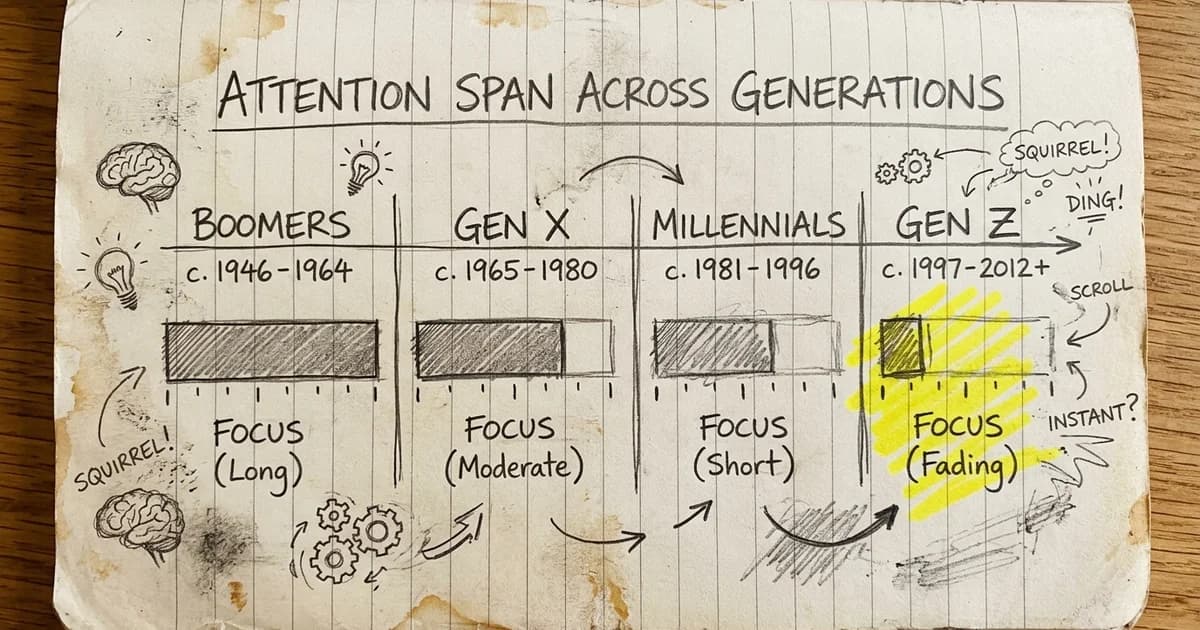
The honest answer: your attention is being pulled apart faster than you can pull it back. Researcher Gloria Mark, who studies digital behavior, has found that the average time people spend on a single screen before switching has dropped to roughly 47 seconds. According to the American Psychological Association, our attention spans on screens have been measurably shrinking for two decades.
That matters because studying is the opposite of switching. It demands sustained, single-task attention, the exact skill your daily phone habits are quietly eroding.
But screens are only one input. Below are the four biggest reasons focus collapses, ranked by how often they're the real culprit.
1. You're Running on Bad Sleep
Sleep is the single largest lever on cognition, and most students are in debt. When you skip rest, the foggy, slow, can't-hold-a-thought feeling isn't in your head. It's neurological.
A 2025 study on young adults published in the National Library of Medicine linked sleep deprivation directly to brain fog and measurable cognitive decline. Memory consolidation, the process that turns what you studied today into what you remember tomorrow, happens mostly while you sleep. Cut the sleep, cut the payoff.
2. Dehydration and Blood Sugar Swings
Your brain is roughly 75% water and burns glucose constantly. Get either wrong and concentration drops fast.
Mild dehydration alone is enough to dent attention and short-term memory. And the "study snack" most people reach for, something sugary, spikes blood glucose and then drops it, leaving you groggy an hour later. That mid-afternoon slump you blame on the material is often just a crash.
3. A Distraction-Engineered Environment
Every notification trains your brain to expect interruption. Even a phone sitting face-down on the desk costs you attention, because part of your mind stays on alert for it.
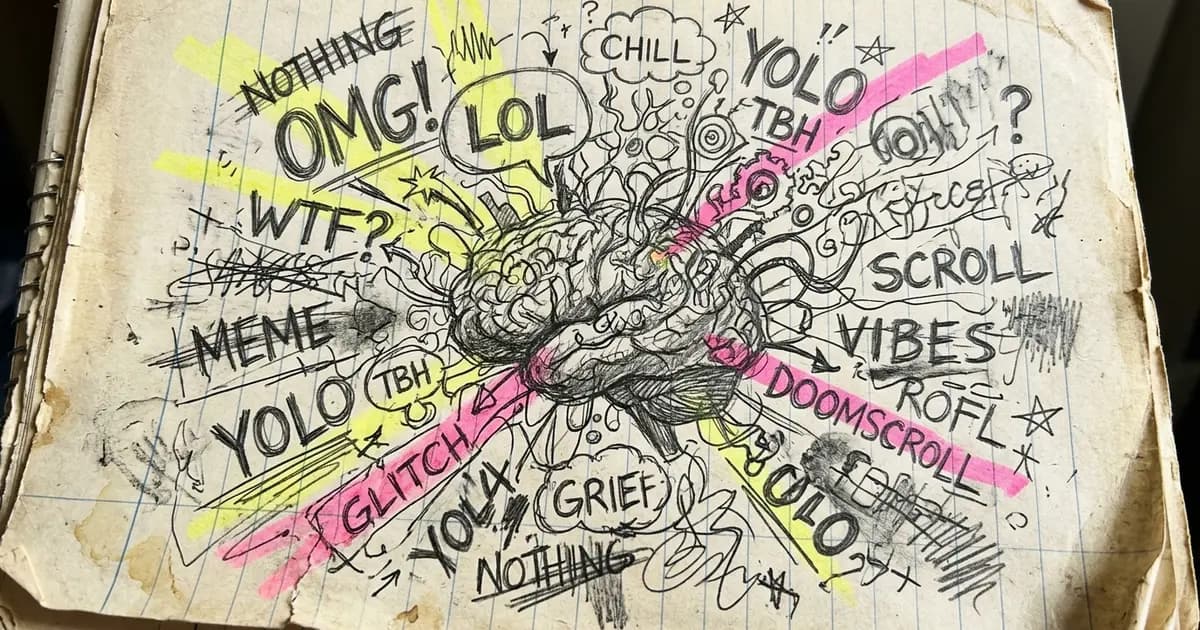
This is the core of brain fog while studying for a lot of people. It isn't that you can't focus. It's that you never get more than a minute of uninterrupted depth before something pulls you out.
4. Caffeine Done Wrong
Caffeine helps, but most people use it badly. Slamming a large coffee or energy drink gives you a sharp spike, jitters, and a crash two hours later, right in the middle of your session.
Caffeine also has a long half-life, often five to six hours, so a 4 p.m. study coffee can wreck the sleep that would have fixed tomorrow's focus. The dose and the timing matter more than the total amount.
How to Focus on Studying: Fixes That Actually Work
Direct answer: fix your inputs first, then optimize your stimulants. Trying to white-knuckle your way through poor sleep and constant pings is the slowest path there is.
Here's how to focus on studying, ordered by impact.
Protect your sleep. Treat 7 to 9 hours as part of your study plan, not a luxury you trade away the night before an exam. A rested brain learns faster, so the trade almost never pays.
Hydrate and eat for stable energy. Keep water at your desk. Choose protein and fiber over sugar so your glucose stays level instead of spiking and crashing.
Engineer the environment. Put the phone in another room, not just out of reach. Use a single browser window. Work in focused blocks of 45 to 90 minutes with real breaks between them.
Use caffeine with intention. Moderate doses, taken earlier in the day, beat large doses taken late. And pairing caffeine with the amino acid L-theanine smooths out the rough edges.
How to Focus on Studying When Tired
When you're already tired, the move is to lower the activation energy, not to force a marathon. Start with a five-minute task you can actually finish. Momentum is easier to ride than to create.
A short walk or even a few minutes of natural light helps more than another cup of coffee. If you do use caffeine, keep the dose moderate and pair it with L-theanine to avoid stacking jitters on top of exhaustion. And be honest with yourself: if you're genuinely sleep-deprived, a 20-minute nap will often outperform an hour of foggy rereading.
The Caffeine and L-Theanine Combination
The most reliable focus tool in the research isn't a new compound. It's a pairing.
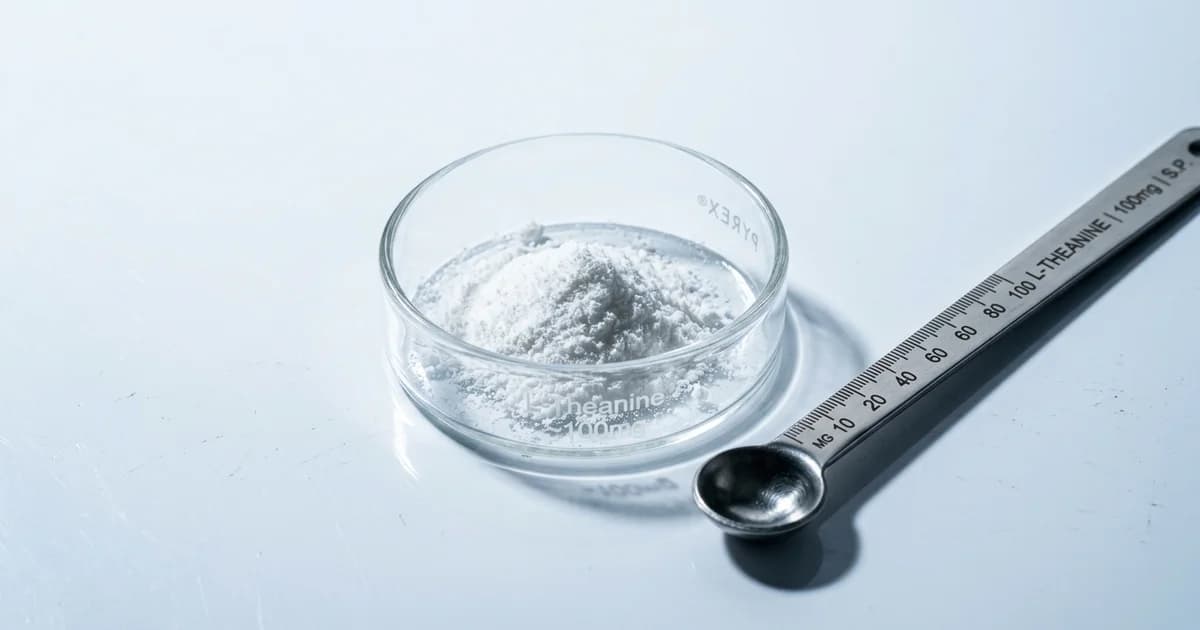
Caffeine sharpens alertness but can bring anxiety and jitters. L-theanine, an amino acid found in tea, takes the edge off without making you drowsy. Together they produce focus that feels calm rather than wired.
A widely cited study published in Nutritional Neuroscience found that the combination of L-theanine and caffeine improves cognitive performance and increases subjective alertness on attention-switching tasks, while reducing the susceptibility to distraction. For studying, that combination of "alert but calm" is close to ideal.
The catch is dosing. Tea has too little caffeine to carry a long session, and coffee has no theanine at all.
Comparing Common Study Focus Options
No single option fixes everything, so here's an honest comparison of what students actually reach for.
| Option | Onset | Focus Duration | Crash Risk | Jitter Risk | Notes |
|---|---|---|---|---|---|
| Black coffee | 20-45 min | 2-4 hrs | Moderate-High | Moderate | Cheap, but spiky and acidic |
| Energy drinks | 15-30 min | 1-3 hrs | High | High | Sugar adds a second crash |
| Nicotine pouches | 5-10 min | 30-60 min | Moderate | Low | Addictive; not built for focus |
| Tea | 30-60 min | 2-3 hrs | Low | Low | Has theanine, too little caffeine |
| Roon sublingual pouch | 5-10 min | 6-8 hrs | Low | Low | Caffeine + L-theanine + Dynamine + TeaCrine, zero nicotine |
The pattern is clear. Most fast options also fade fast or come with a crash. The goal for a study or exam block is the opposite: quick on, steady for hours, clean off.
Conclusion
Losing focus while studying is almost never a character flaw. It's a stack of fixable inputs: a sleep-deprived brain, unstable blood sugar, an environment built to interrupt you, and caffeine used at the wrong dose and the wrong time.
Fix the foundation first. Sleep, water, food, and a phone in another room will do more for your concentration than any supplement on earth. Then, if you want sharper, steadier sessions, the science points to moderate caffeine paired with L-theanine rather than a giant coffee. Work with your biology instead of fighting it, and the fog clears on its own.
Frequently Asked Questions
Why can't I focus on studying even when I'm well rested?
If sleep isn't the issue, the usual suspects are environment and stimulation. A phone within reach, background notifications, or a noisy space fragments attention even when you feel fine. Blood sugar matters too: a sugary lunch can leave you groggy by mid-afternoon. Try removing your phone from the room, hydrating, and eating protein and fiber before you sit down.
How do I focus on studying when I'm tired?
Lower the barrier to starting. Begin with a single five-minute task to build momentum instead of committing to hours upfront. Get natural light or take a short walk, since both lift alertness. If you're genuinely sleep-deprived, a 20-minute nap usually beats forcing another hour of rereading. Use caffeine in moderate doses only, ideally paired with L-theanine.
Is brain fog while studying a medical problem?
Usually no. For most students, brain fog traces back to poor sleep, dehydration, low blood sugar, or constant digital interruption, all of which are fixable. That said, persistent fog that doesn't improve when you correct those inputs is worth raising with a doctor, since it can have other causes. Start with the basics before assuming the worst.
Does caffeine actually help you study?
Yes, in moderation and with good timing. Caffeine improves alertness and reaction time, which helps during long sessions. The problems come from large doses that cause jitters and crashes, or late-day doses that ruin the sleep you need. Caffeine has a half-life of about five to six hours, so afternoon coffee can sabotage tomorrow's focus.
Why does L-theanine matter for focus?
L-theanine is an amino acid in tea that promotes calm without sedation. Paired with caffeine, it smooths out the jittery, anxious edge that caffeine alone can produce. Research on the combination shows better performance on attention tasks and steadier subjective alertness. For studying, that means focus that feels controlled rather than wired.
How long should a focused study block last?
Most people sustain deep focus best in blocks of 45 to 90 minutes, followed by a real break. Pushing far past that tends to produce diminishing returns and rereading without retention. Protect each block from interruptions, then step away fully before the next one. Quality of attention beats raw hours logged.
The Study Tool Built for the Long Session, Not the Quick Hit
Everything above points to the same problem for students: the fast focus options fade fast, and the long ones are slow to start. A coffee that kicks in at minute 40 and crashes at hour two is a bad fit for a four-hour exam grind.
That gap is the reason Roon exists. It's a zero-nicotine, zero-sugar sublingual pouch with a four-ingredient stack built for sustained work: 80 mg caffeine, 60 mg L-theanine, 25 mg methylliberine (Dynamine), and 5 mg theacrine (TeaCrine). It absorbs under the lip, so onset lands in 5 to 10 minutes and holds for 6 to 8 hours, no jitters and no crash.
Roon is not a replacement for sleep, water, or a phone in the other room. Those still do the heavy lifting. But once your foundation is solid and you need to lock in for a long session, try Roon as the steady focus layer on top.
Written by Roon Team