What "Clean Caffeine" Actually Means (and How to Spot Real Clean Energy)
"Clean caffeine" is one of those wellness phrases that sounds precise and means almost nothing on its own. So let's fix that and pin down what clean caffeine actually is.
Clean caffeine describes caffeine that comes from a plant source, arrives without sugar or artificial junk riding along with it, and gets delivered in a way that gives you steady energy instead of a spike and a crash. That's the working definition. The label on your energy drink will not tell you whether yours qualifies, which is the whole problem.
The molecule itself is identical no matter where it comes from. What changes is the source, the dose, and everything else in the can or pouch. Those three things decide whether you feel sharp for six hours or wired for forty minutes and then flattened.
Key Takeaways
- Clean caffeine refers to plant-derived caffeine delivered without added sugar, artificial sweeteners, or harsh chemical residues, dosed for steady energy.
- Caffeine is chemically the same molecule whether it's natural or synthetic, but the source and what it's paired with change how you feel.
- Synthetic caffeine is made by a chemical synthesis of urea as the raw material and can also be exposed to a number of harsh chemicals including methylene chloride, ethyl acetate and carbon dioxide.
- The healthiest form of caffeine is the one paired with calming compounds like L-theanine and kept under the FDA's 400 mg daily ceiling.
What Is Clean Caffeine, Exactly?
Clean caffeine is plant-sourced caffeine that reaches your bloodstream without a payload of sugar, artificial dyes, or chemical processing residue, and at a dose your body can actually use. That's it. No mysticism required.
The confusion comes from the marketing. Brands slap "clean energy" on products loaded with 200 mg of caffeine and 27 grams of sugar, then act surprised when customers feel jittery and crash by 2 p.m. The caffeine wasn't the issue. The packaging around it was.
To judge whether a product is genuinely clean, you only need to check three things: where the caffeine came from, what's mixed in with it, and how much you're getting per serving. Get those right and you have clean energy. Miss one and you don't.
Natural vs Synthetic Caffeine: Does the Source Matter?
Here is the part that breaks most people's mental model. Natural and synthetic caffeine are the same molecule. Your bloodstream cannot tell them apart, and no study has shown a difference in the caffeine itself once it's isolated.
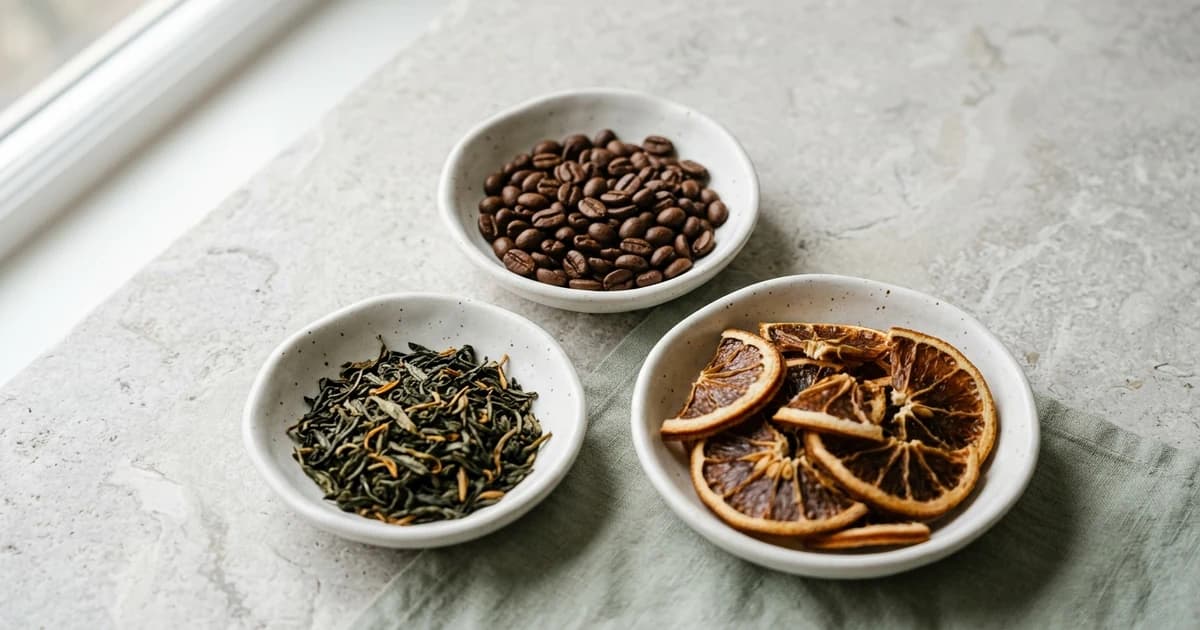
The difference is in how each one is produced. Natural caffeine is extracted from plants like coffee beans, tea leaves, and guarana. Synthetic caffeine is built in a factory, and the process is not pretty.
Industrially, caffeine is synthesized from urea and chloroacetic acid. A range of alternative processes are also possible, and most processes for synthesizing caffeine are old, having been patented between the 1940s and the 1960s. According to Organic Authority, synthetic caffeine is made by a chemical synthesis of urea as the raw material and can also be exposed to a number of harsh chemicals including methylene chloride, ethyl acetate and carbon dioxide. Synthetic caffeine, like that found in most sodas and energy drinks, is produced in laboratories.
So in the natural vs synthetic caffeine debate, you're not avoiding a worse molecule. You're avoiding the manufacturing baggage and the products it tends to live in. Synthetic caffeine shows up overwhelmingly in cheap sodas and energy drinks. Plant-sourced caffeine tends to come with a better supporting cast.
There's a practical reason to care beyond purity. Synthetic caffeine in a sugary drink often hits as a fast, sharp spike, which is exactly the curve that produces the crash you're trying to dodge.
A Quick Source Comparison
| Caffeine Source | How It's Made | Typically Found In | Clean-Energy Rating |
|---|---|---|---|
| Coffee beans | Brewed from roasted beans | Coffee, espresso | Good, but onset is slow and dose varies wildly |
| Tea leaves | Steeped, naturally paired with L-theanine | Green and black tea | Strong, the theanine smooths it out |
| Guarana | Extracted from seeds | Some natural energy products | Good, slower-release caffeine |
| Synthetic | Built from urea and chloroacetic acid | Most sodas, mainstream energy drinks | Weak, usually paired with sugar |
The Three Things That Actually Make Caffeine "Clean"
Forget the buzzwords on the front of the package. Clean energy comes down to source, additives, and delivery. Score a product on these three and you'll know the truth in about ten seconds.
1. The Source Should Be a Plant
Plant-derived caffeine skips the harsh solvents used in synthetic production, and it usually arrives alongside other compounds your body already knows how to handle. Tea is the standout because it carries L-theanine, an amino acid that takes the edge off caffeine's stimulation.
If the label just says "caffeine" with no source, assume synthetic. Clean products are proud of their source and say so.
2. The Additives Should Be Nearly Nonexistent
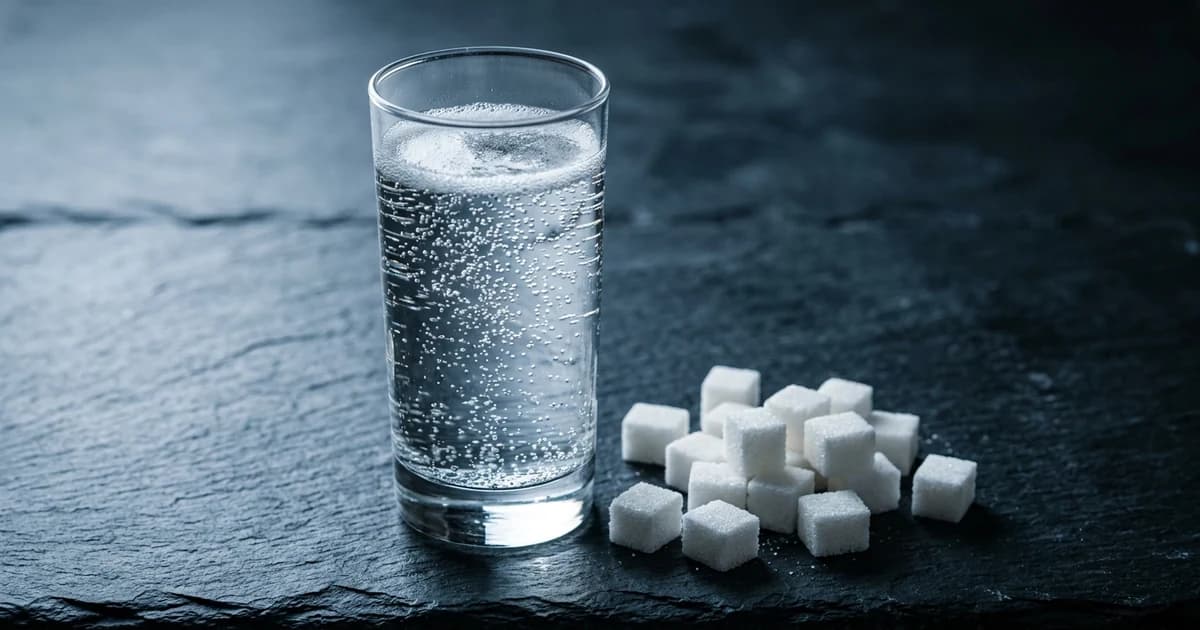
This is where most "energy" products fail. Sugar is the main culprit, because a big sugar load spikes your blood glucose and the drop that follows feels exactly like a caffeine crash.
Bucked Up notes that the crash from energy drinks is driven largely by the sugar-and-caffeine combination, not caffeine alone. Clean caffeine carries zero added sugar, no artificial dyes, and no syrup. If the ingredient list reads like a chemistry exam, it isn't clean.
3. The Delivery Should Give You a Smooth Curve
Even clean, plant-based caffeine can feel rough if it's dumped into your system all at once. The goal is a gradual rise, a long plateau, and a soft landing. Pairing caffeine with L-theanine is the most reliable way to get there.
The research on this pairing is solid. A widely cited study in Nutritional Neuroscience found that the combination of L-theanine and caffeine improves cognitive performance and increases subjective alertness. Newer work backs this up under harder conditions. According to PsyPost, a high-dose L-theanine and caffeine combination improved neurobehavioural and neurophysiological measures of selective attention in acutely sleep-deprived young adults.
What's the Healthiest Form of Caffeine?
The healthiest form of caffeine is plant-derived, sugar-free, paired with L-theanine, and dosed under your daily limit. By that standard, green tea is the everyday gold standard and most energy drinks sit at the bottom.
Dose is the part people ignore. For most adults, the FDA has cited 400 milligrams a day, about two to three 12-fluid-ounce cups of coffee, as an amount not generally associated with negative effects. Clean has a ceiling. Triple-shot energy drinks blow past it without you noticing.
So "healthiest" is less about chasing the strongest hit and more about pairing a sensible dose with the right partner ingredient. A moderate amount of caffeine plus L-theanine beats a massive caffeine bomb every time, both for how you feel and for how long the focus lasts.
If you want to go deeper on the pairing itself, the science behind caffeine and L-theanine for focus is worth understanding before you pick your next source.
How to Spot Real Clean Energy on a Label
You can run this check in any store aisle. Most products fail at least one step.
- Find the caffeine source. If it names a plant (green tea, coffee bean, guarana), good sign. If it just says "caffeine," treat it as synthetic.
- Scan for sugar. Anything above a few grams per serving is a crash waiting to happen.
- Hunt for L-theanine or another smoothing agent. Its presence signals a brand that understands the curve, not just the kick.
- Check the caffeine dose. Aim for a sensible amount per serving so you stay well under 400 mg across your day.
- Read the rest of the ingredient list. Short and recognizable is clean. Long and unpronounceable is not.
Run those five steps and the marketing language stops mattering. The label tells you everything.
Conclusion
Clean caffeine isn't a special molecule. It's a set of choices around an ordinary one: a plant source instead of a factory process, zero sugar instead of a 27-gram load, a smoothing partner like L-theanine instead of caffeine flying solo, and a sensible dose instead of a triple-shot.
The molecule that wires you and the molecule that sharpens you are the same. What separates the two is everything you let ride along with it. Once you can read a label for source, additives, dose, and delivery, you stop buying crashes by accident and start buying the steady, six-hour kind of energy you were after the whole time.
Frequently Asked Questions
Is natural caffeine better than synthetic caffeine?
The caffeine molecule is identical in both, so your body absorbs them the same way once isolated. The real difference is production and packaging. Synthetic caffeine is built from urea and chloroacetic acid and tends to show up in sugary sodas and energy drinks. Natural, plant-derived caffeine usually comes with a cleaner ingredient list and, in the case of tea, helpful compounds like L-theanine. Choose natural mostly to avoid the products synthetic caffeine lives in.
Does clean caffeine prevent a crash?
It helps, because most crashes are not caused by caffeine alone. A large sugar load spikes your blood glucose, and the drop afterward feels like a caffeine crash. Clean caffeine carries no added sugar and is often paired with L-theanine, which smooths the curve. You still feel a comedown when caffeine clears, but it's far gentler than the sugar-and-caffeine combo found in most energy drinks.
What is the healthiest form of caffeine?
Plant-derived caffeine that's sugar-free, paired with L-theanine, and kept under the FDA's 400 mg daily limit. Green tea is the everyday standard because its natural L-theanine content takes the edge off the stimulation. The healthiest form of caffeine is less about the source brand and more about the full package: moderate dose, no sugar, a smoothing partner, and a short ingredient list.
How much caffeine is too much in one day?
The FDA cites 400 milligrams a day as an amount not generally associated with negative effects for most healthy adults, roughly two to three 12-ounce cups of coffee. A single serving of clean caffeine should sit comfortably under that so your full day stays in range. People who are pregnant, sensitive to stimulants, or managing a health condition should talk to a doctor about a lower number.
Why does L-theanine make caffeine feel smoother?
L-theanine is an amino acid found naturally in tea. Research shows that pairing it with caffeine improves cognitive performance and alertness while taking the jittery edge off the stimulation. It supports focus and a calmer kind of alertness rather than wired tension. That's why tea often feels steadier than coffee at the same caffeine dose, and why clean-energy products add L-theanine on purpose.
Is sublingual caffeine faster than coffee?
Yes. Caffeine absorbed through the tissue under your tongue can enter your bloodstream faster than caffeine you swallow, because it skips part of the digestive route. Buccal and sublingual absorption is rapid thanks to the rich blood supply in the mouth, which is why pouches and films can take effect in minutes rather than the longer wait a swallowed dose often requires.
Clean Energy Without the Coffee Cup or the Sugar Can
If you're cutting coffee or walking away from energy drinks, the hardest part is replacing the energy without inheriting the crash. That's the gap Roon was built for.
Roon is a sublingual cognitive performance pouch with a four-ingredient stack: 80 mg caffeine, 60 mg L-theanine, 25 mg methylliberine (Dynamine), and 5 mg theacrine (TeaCrine). It's zero sugar, the L-theanine smooths the curve the way the research describes, and the sublingual format means onset in about 5 to 10 minutes with a 6 to 8 hour focus window and no crash.
Be clear on what it is. Roon is not caffeine-free, and it's not a replacement for sleep or a real meal. It's a cleaner way to get the dose you were already chasing, minus the 27 grams of sugar and the afternoon flatline. If you want steady energy without the cup or the can, try Roon and judge it by how the second half of your day feels.
Written by Roon Team