Top Brain Supplements: A Science-Based Guide to What Actually Works
Roon Team

Top Brain Supplements: A Science-Based Guide to What Actually Works
Short answer: The brain supplements with the strongest human evidence are caffeine paired with L-theanine for acute focus, creatine monohydrate for cognition under stress, and omega-3 DHA for long-term brain structure, with theacrine and methylliberine acting as smoother, longer-lasting extenders of caffeine. A systematic review in Cureus found the caffeine and L-theanine combination supports attention and overall cognition more than either compound alone. Stacking complementary compounds at clinically studied doses beats any single ingredient. Roon packs four of these (80mg caffeine, 60mg L-theanine, 25mg methylliberine, 5mg theacrine, zero nicotine) into one sublingual pouch.
Most top brain supplements rankings read like paid advertisements. They rank 10 products, link to affiliate pages, and bury the actual science somewhere below the fold. This guide is different.
We looked at the clinical evidence behind the most popular nootropic ingredients, not brands, to figure out which top brain supplements have real data supporting cognitive performance. If you're searching for the best supplements for brain function, the answer starts with understanding what each compound does at a neurochemical level.
Here's what's worth your money, and what isn't.
Key Takeaways
- Caffeine + L-Theanine is the most well-studied nootropic combination for focus and reaction time.
- Creatine has strong evidence for cognitive benefits, especially under sleep deprivation or stress.
- Omega-3 fatty acids (DHA) support long-term brain health but won't give you an acute focus boost.
- Theacrine and Methylliberine are newer compounds that extend and smooth out caffeine's effects without tolerance buildup.
- Stacking matters more than any single ingredient. The best focus supplements for adults combine complementary compounds at clinically studied doses.
1. Caffeine + L-Theanine: The Gold Standard Among Top Brain Supplements
You already know caffeine works. It blocks adenosine receptors, increases dopamine and norepinephrine transmission, and sharpens reaction time. The problem is what comes after: jitters, anxiety, and the inevitable crash.
L-Theanine fixes that.
A systematic review published in Cureus examined clinical trials over the past 20 years and found that the caffeine and L-Theanine combination improved attention and cognitive performance compared to either compound alone. Caffeine provided faster reaction times and better accuracy on rapid visual information processing tasks, while L-Theanine smoothed out the anxiogenic effects.
A 2025 study in the Journal of the International Society of Sports Nutrition confirmed these performance-enhancing effects among elite athletes, showing improvements in both physical and cognitive output.
Why it works as a pair: Caffeine speeds you up. L-Theanine keeps the signal clean. You get alertness without the scattered, overstimulated feeling that makes high-dose caffeine counterproductive for deep work. This pairing consistently ranks among top brain supplements for good reason.
The dose ratio matters. Most studies showing positive results use L-Theanine at a 1:1 or 2:1 ratio relative to caffeine. So if you're taking 100mg of caffeine, pair it with 100-200mg of L-Theanine. Too little theanine and you still get the jitters. Too much and you might feel drowsy.
| Compound | Primary Effect | Onset | Duration |
|---|---|---|---|
| Caffeine | Alertness, reaction time | 15-30 min | 3-5 hours |
| L-Theanine | Calm focus, reduced anxiety | 30-45 min | 3-5 hours |
| Combined | Sustained, clean focus | 20-40 min | 4-6 hours |
If you're looking at supplements for mental clarity and focus, this combination is the foundation. Everything else builds on top of it.
2. Creatine: Not Just for Muscles
Creatine is the most researched sports supplement in history, but its cognitive benefits are underappreciated. Your brain uses about 20% of your body's total energy, and creatine helps regenerate ATP, the cellular fuel that powers neural firing. That's why creatine appears on any serious list of top brain supplements.
A 2024 systematic review and meta-analysis in Frontiers in Nutrition evaluated randomized controlled trials from 1993 to 2024 and found that creatine monohydrate supplementation improved cognitive function in adults. The effects were strongest in populations under metabolic stress.
Even a single dose of creatine improved cognitive performance during sleep deprivation, according to research published in Scientific Reports in 2024. The researchers found an inverse relationship between creatine supplementation and the cognitive decline normally caused by sleep loss.
The practical takeaway: If you regularly get less than seven hours of sleep (and statistically, you probably do), creatine may help offset some of the cognitive cost. Typical dosing is 3-5g of creatine monohydrate daily. For anyone evaluating the best supplements for brain function, creatine deserves a spot on the shortlist.
One caveat: creatine's cognitive effects are most pronounced in vegetarians and people under acute stress (sleep deprivation, intense mental workload). If you're well-rested and eating red meat regularly, the cognitive boost may be modest. The physical performance benefits remain strong regardless.
3. Omega-3 Fatty Acids (DHA): The Long Game
DHA makes up roughly 40% of the polyunsaturated fats in your brain cell membranes. It's structural. Without adequate DHA, neuronal signaling slows down and neuroinflammation increases.
A 2025 systematic review and dose-response meta-analysis in Scientific Reports found that omega-3 supplementation at 2,000 mg/day produced measurable improvements in attention and perceptual speed. The optimal dose range identified was 1,000 to 2,500 mg/day.
But here's the honest truth: omega-3s are not a focus supplement. You won't feel sharper 30 minutes after taking a fish oil capsule. DHA works over weeks and months, supporting membrane integrity and reducing neuroinflammation. Think of it as maintenance for the hardware your brain runs on. Among top brain supplements, omega-3s play a supporting role rather than a starring one.
Best for: Long-term brain health, not acute cognitive performance. If you're eating fatty fish two to three times per week, you may already be covered.
4. Theacrine: Caffeine's Smoother, Longer-Lasting Cousin
Theacrine is a purine alkaloid found in Camellia kucha tea. Structurally, it's similar to caffeine. Functionally, it acts on the same adenosine and dopamine pathways but with two key differences: it lasts longer and it doesn't appear to cause tolerance. That tolerance-free profile is what earns theacrine a place among top brain supplements.
A study published in Nutrients found that a theacrine-containing supplement improved energy, mood, and concentration in healthy men compared to placebo. A 2024 dose-response study published in Scientific Reports further explored theacrine's effects on cognitive performance and confirmed benefits without negative impacts on subsequent sleep quality.
The tolerance piece is what makes theacrine interesting for daily use. Research on TeaCrine (a branded form of theacrine) found no habituation effects even at doses of 200-300mg over extended use. Caffeine, by contrast, often produces tolerance within days. For anyone seeking supplements for mental clarity and focus that hold up over time, theacrine is worth considering.
A 2025 study in JISSN showed that combining caffeine and theacrine improved cognitive performance in tactical athletes, suggesting the two compounds work better together than alone.
Practical dosing: Most studies use 100-300mg of theacrine. For a nootropic stack, 100-125mg paired with a moderate dose of caffeine (40-100mg) appears to be the sweet spot for sustained focus without overstimulation.
5. Methylliberine: The Fast-Acting Amplifier
Methylliberine (branded as Dynamine) is the newest compound on this list of top brain supplements. It's a downstream metabolite of caffeine, found naturally in coffee beans and kucha tea, and it acts fast. Peak plasma concentrations hit within 15-30 minutes.
A double-blind crossover trial on 25 healthy adults found that methylliberine supplementation at 100mg produced improvements in self-reported concentration, motivation, and mood. It didn't move the needle on traditional cognitive tests like the Stroop test, but the subjective experience of focus and drive improved measurably.
Where methylliberine really shines is in combination. Research testing a caffeine + theacrine + methylliberine stack in egamers found that the combination increased cognitive performance and reaction time without increasing anxiety. The three compounds appear to complement each other: caffeine provides the initial push, theacrine extends it, and methylliberine fills in the gaps with rapid-onset mood and motivation support.
Its half-life is short, roughly 1-1.4 hours, which means it doesn't linger in your system the way caffeine does. That makes methylliberine useful as a quick-onset booster that won't interfere with sleep if you're working in the afternoon.
What the Top Brain Supplements Have in Common
The pattern across these five ingredients is clear: stacking beats single ingredients.
Caffeine alone causes jitters. L-Theanine alone is too subtle. Creatine supports the brain's energy system but doesn't directly sharpen focus. Omega-3s build the foundation but take months to show results. Theacrine and methylliberine amplify and extend caffeine's effects.
The best focus supplements for adults work because they target different mechanisms. The most effective approach isn't picking one top brain supplement in isolation; it's combining the right ones at the right doses. That's what separates supplements for mental clarity and focus from single-ingredient products that only address one pathway.
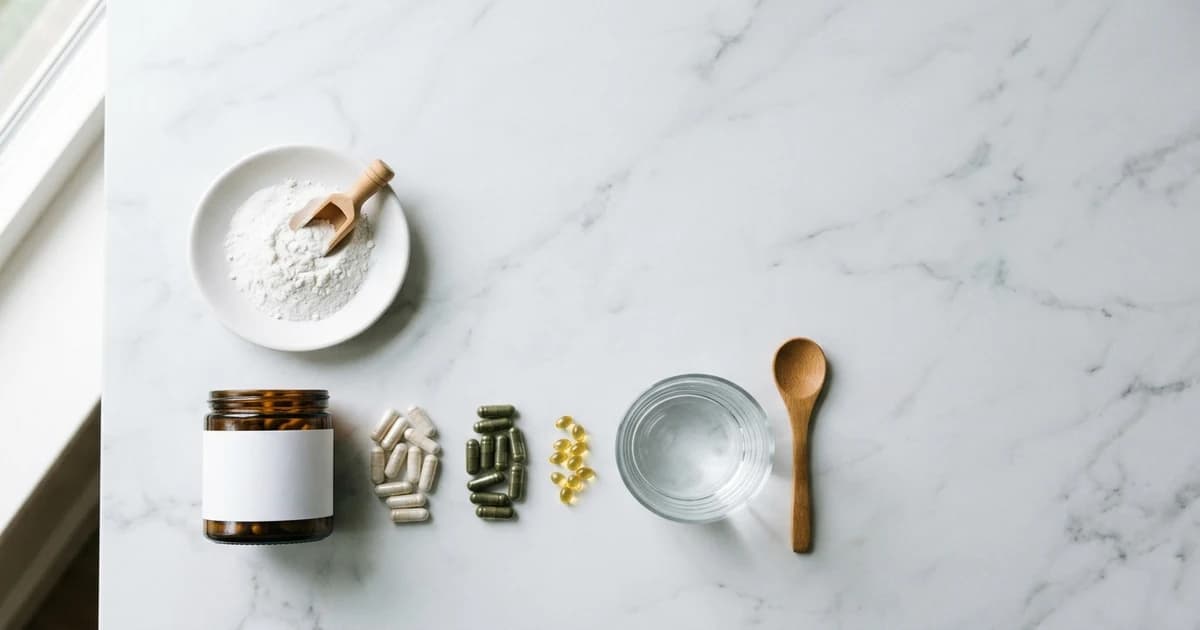
That's the logic behind nootropic stacking. And it's also where most people get stuck. Buying five separate supplements, measuring doses, and timing everything correctly turns a simple goal (focus better) into a logistics problem. Knowing which top brain supplements to take is only half the equation; getting the ratios right is the other half.
Top Brain Supplements: Doses at a Glance
Here is how the five compounds compare on commonly studied doses against what a single zero-nicotine Roon pouch delivers. Roon includes four of the six; creatine and omega-3 are best taken separately because their useful doses are measured in grams.
| Compound | Common studied dose | Per Roon pouch | Nicotine |
|---|---|---|---|
| Caffeine | 40-200 mg | 80 mg | 0 mg |
| L-Theanine | 100-200 mg | 60 mg | 0 mg |
| Methylliberine (Dynamine) | ~100 mg | 25 mg | 0 mg |
| Theacrine (TeaCrine) | 100-300 mg | 5 mg | 0 mg |
| Creatine monohydrate | 3-5 g/day | Not included | 0 mg |
| Omega-3 (DHA) | 1,000-2,500 mg/day | Not included | 0 mg |
Frequently Asked Questions
What are the best brain supplements that actually work?
The brain supplements with the most human data are caffeine paired with L-theanine, creatine monohydrate, and omega-3 DHA, plus theacrine and methylliberine as caffeine extenders. A systematic review of caffeine and L-theanine found the pair supports attention and overall cognition better than either alone. No single pill does everything. The strongest results come from combining complementary compounds at clinically studied doses rather than chasing one hero ingredient.
Does creatine actually help cognition, or just muscles?
Creatine supports both. A 2024 systematic review and meta-analysis in Frontiers in Nutrition pooling 16 trials found creatine monohydrate improved memory and processing speed in adults, with the clearest effects in people under metabolic stress such as sleep deprivation. Typical dosing is 3-5 grams daily. If you are well rested and eat red meat regularly, the cognitive lift is smaller, though the physical performance benefits hold regardless.
What is the best caffeine and L-theanine ratio?
Most studies showing benefits use L-theanine at a 1:1 to 2:1 ratio relative to caffeine. So 100mg of caffeine pairs well with 100-200mg of L-theanine. Caffeine sharpens reaction time; L-theanine smooths the jittery edge. Too little theanine and the jitters return; too much can feel sedating. This pairing is the most studied focus combination and the foundation most other nootropic stacks build on.
Is theacrine better than caffeine?
Theacrine is not stronger than caffeine; it is smoother and longer lasting. It acts on similar adenosine and dopamine pathways but appears to resist tolerance. A study in Nutrients found a theacrine-containing supplement favorably affected subjective energy and mood versus placebo in healthy adults. Many people use 100-300mg, often paired with a moderate caffeine dose, for sustained energy that does not fade as quickly across a long day.
Do brain supplements give an instant focus boost?
It depends on the compound. Caffeine, L-theanine, theacrine, and methylliberine act within 15-45 minutes and support acute focus. Creatine and omega-3 DHA work over weeks to months by supporting brain energy systems and cell-membrane structure, so you will not feel them 30 minutes after a dose. Match the supplement to your goal: fast compounds for a work session, structural ones for long-term maintenance.
Are brain supplements safe to take every day?
Most well-studied compounds have good daily-use safety records at common doses, though caffeine sensitivity varies and high intake late in the day can disrupt sleep. Theacrine is notable for not building tolerance the way caffeine often does, which makes it easier to use daily. Roon contains zero nicotine. Anyone pregnant, nursing, on medication, or managing a health condition should talk with a clinician before starting any new supplement.
The Nootropic Stack, Simplified
Roon was built around this exact principle. Roon's nootropic pouches combine Caffeine (80mg), L-Theanine, Theacrine, and Methylliberine in a single sublingual pouch, designed for 6-8 hours of sustained focus with no crash and no jitters. It's the best supplements for brain function distilled into one product.
No pills to swallow. No powder to mix. No guessing on ratios.
If the science behind these top brain supplements resonates with you, and you'd rather skip the DIY supplement cabinet, Roon is the stack in your pocket.
By Roon Team