Brain Health Supplements Market: A Science-Based Guide to What Actually Works

Brain Health Supplements Market: A Science-Based Guide to What Actually Works
The brain health supplements market is worth roughly $8.8 billion in 2025. It's projected to nearly double by 2030. And most of the products driving that growth don't have the clinical evidence to back up their claims.
That's the uncomfortable reality of the brain health supplements market today. For every supplement with peer-reviewed research behind it, there are dozens coasting on vague promises and proprietary blends that obscure what's actually in the bottle. If you're going to spend money on cognitive performance, you should know where the science is strong, where it's weak, and where the industry is just making things up.
This guide breaks it all down.
Key Takeaways
- The brain health supplements market is booming, projected to reach $15.44 billion by 2030, according to Mordor Intelligence.
- Up to 40% of nootropic products on the market fail to meet their stated ingredient concentrations, per Market.us.
- A handful of ingredients have strong clinical data: caffeine, L-theanine, theacrine, and omega-3 fatty acids lead the pack.
- Delivery method matters. How a compound enters your bloodstream changes how well it works.
Why the Brain Health Supplements Market Keeps Growing
The numbers tell a clear story. Grand View Research estimates the global brain health supplements market was valued at $10.95 billion in 2024 and is on pace to hit $23.52 billion by 2030, growing at a compound annual growth rate of 13.7%.
Several forces are pushing this growth across the brain health supplements market. An aging global population worried about cognitive decline. Younger professionals looking for a mental edge without prescription drugs. And a general cultural shift toward treating the brain like any other organ that benefits from targeted nutrition.
The natural ingredients segment is growing fastest, with a projected CAGR of 12% through 2030. Consumers in the brain health supplements market are moving away from synthetic compounds and toward ingredients with longer safety records. Herbal extracts held the largest market share at 42.7% in 2024, according to Grand View Research.
But market growth doesn't equal product quality. And that's where things get complicated.
The Quality Problem in the Brain Health Supplements Market
Here's a number that should concern you: according to a Market.us industry report, as many as 40% of nootropic products on the market fail to meet their stated ingredient concentrations. That means nearly half the supplements in this category don't contain what the label says they contain.
This isn't a fringe problem. It's structural. Dietary supplements in the United States don't require pre-market approval from the FDA. Manufacturers are responsible for their own quality control. Some take that seriously. Many don't.
The result is a brain health supplements market flooded with products that list impressive ingredient panels but deliver inconsistent doses. You might get 80% of the stated amount one month and 120% the next. For compounds where dose matters (and it always matters), that's a serious issue.
So how do you separate the real from the noise? You look at the research.
The Ingredients With Actual Clinical Evidence
Not all brain health ingredients are created equal. Some have decades of research. Others have a single rat study and a good marketing team. Here's where the science stands on the compounds that matter most in the brain health supplements market.
Caffeine: The Baseline
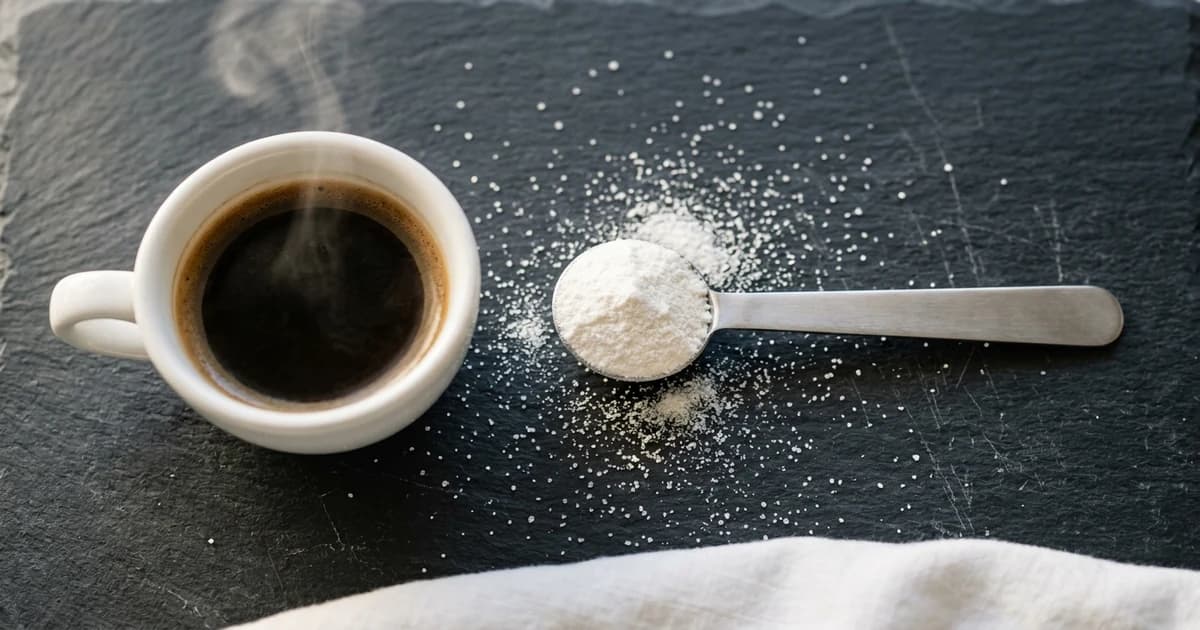
Caffeine is the most studied psychoactive compound on the planet. It works by blocking adenosine receptors in the brain, which reduces the signal that tells you to feel tired. The cognitive benefits are well-documented: faster reaction time, improved attention, better short-term memory under fatigue.
The problem is tolerance. Your brain responds to chronic caffeine intake by creating more adenosine receptors, which gradually reduces caffeine's effectiveness. This is why your first cup of coffee felt like a revelation and your fourth cup today barely registers.
Dose also matters more than most people realize. The cognitive sweet spot for caffeine sits between 40mg and 100mg. Go higher and you trade focus for jitters and anxiety. A study published on PubMed used just 40mg of caffeine combined with L-theanine and found measurable improvements in task-switching accuracy and alertness.
More isn't better. Precision is. That distinction separates the best products in the brain health supplements market from the rest.
L-Theanine: Caffeine's Perfect Partner
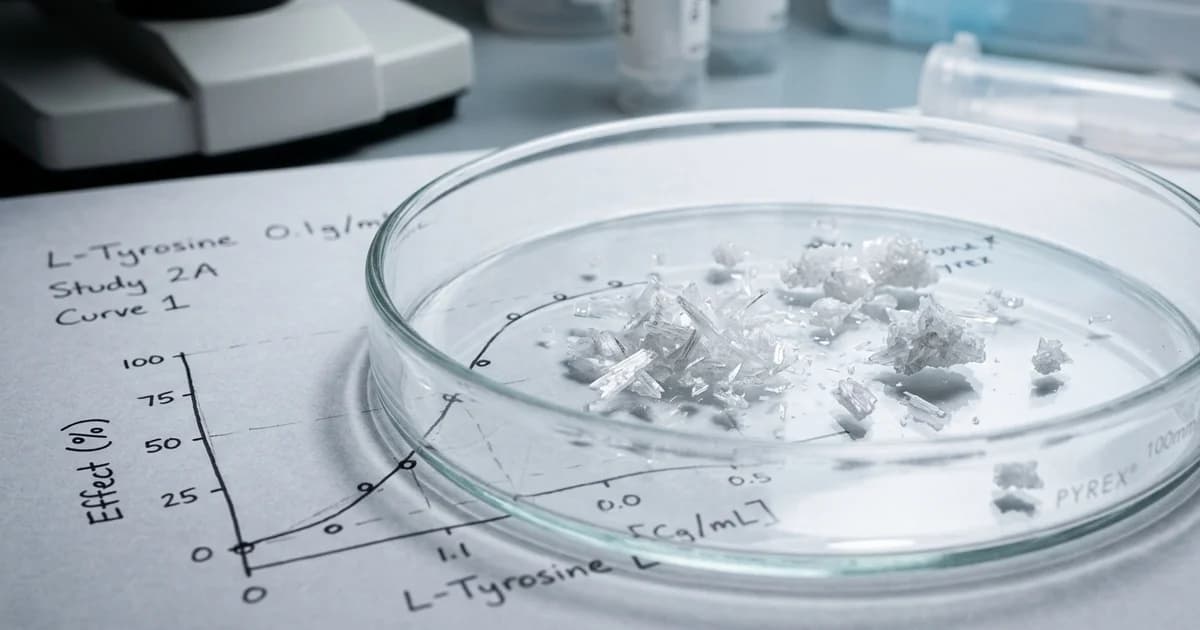
L-theanine is an amino acid found naturally in tea leaves. On its own, it promotes alpha brain wave activity, the same pattern associated with calm, alert focus. Combined with caffeine, it does something more interesting: it smooths out caffeine's rough edges while amplifying its cognitive benefits.
That same PubMed study found that 97mg of L-theanine combined with 40mg of caffeine "measurably improved accuracy during task switching" and boosted self-reported alertness while reducing tiredness. Both effects hit p < 0.01.
A 2025 crossover trial published in PMC confirmed these findings in sleep-deprived young adults, showing that the L-theanine and caffeine combination improved selective attention even under conditions of acute sleep deprivation. This pairing has become one of the most validated stacks in the brain health supplements market.
The combination works because the two compounds target complementary pathways. Caffeine increases arousal. L-theanine modulates that arousal so it doesn't tip into anxiety. The result is sustained, clean focus.
Theacrine: The No-Tolerance Stimulant
Theacrine is a purine alkaloid found in kucha tea. Structurally, it's similar to caffeine. Functionally, it has one major advantage: your body doesn't appear to build tolerance to it.
An 8-week clinical study published in PMC found no evidence of habituation to theacrine at doses of 200mg and 300mg per day. Baseline values for energy, focus, concentration, and motivation remained stable across the entire study period. That's a stark contrast to caffeine, where tolerance can develop within days.
A 2025 study published on Taylor & Francis found that combining caffeine with theacrine improved cognitive performance in tactical personnel under physically fatiguing conditions, matching or exceeding the effects of higher doses of caffeine alone. Theacrine's no-tolerance profile makes it one of the most promising ingredients in the brain health supplements market.
The practical takeaway: theacrine lets you use less caffeine while maintaining the same cognitive output, and it keeps working at the same dose over time.
Methylliberine: The Fast-Acting Mood Enhancer
Methylliberine (also known as Dynamine) is the newest compound in the serious nootropic conversation. It's another purine alkaloid, and it acts fast, typically within minutes.
A double-blind crossover trial published in PMC found that methylliberine improved subjective feelings of energy, concentration, motivation, and mood in healthy adults. It did this without affecting heart rate or blood pressure, and no adverse events were reported.
Where methylliberine shines is in its speed and its role as a complement to slower-acting compounds. It provides the immediate "on" feeling while ingredients like theacrine sustain the effect over hours.
Omega-3 Fatty Acids: The Long Game
Omega-3s, particularly DHA, are structural components of brain cell membranes. They support long-term brain health rather than acute cognitive performance. The evidence for their role in maintaining cognitive function as you age is strong, though they won't give you a noticeable boost during your afternoon work session.
Think of omega-3s as maintenance. The compounds above are performance.
How to Evaluate Products in the Brain Health Supplements Market
With 40% of products failing basic quality checks, you need a framework for evaluating what you buy. Here's what to look for as a consumer navigating the brain health supplements market.
| Criteria | Green Flag | Red Flag |
|---|---|---|
| Ingredient Doses | Listed individually on the label | Hidden in a "proprietary blend" |
| Clinical Evidence | Human trials with specific doses | "Based on traditional use" only |
| Delivery Method | Sublingual, liquid, or targeted-release | Massive pill with 15+ ingredients |
| Transparency | Third-party testing results available | No testing information provided |
| Dose Alignment | Matches doses used in clinical studies | Doses far below research levels |
Proprietary blends are the single biggest red flag in the brain health supplements market. They allow companies to list ingredients without disclosing how much of each is in the product. A label might say "Focus Blend: 500mg" and list six ingredients. You have no way of knowing whether the primary active is dosed at 400mg or 4mg.
Demand specific numbers. If a company won't tell you exactly what's in their product, that tells you everything you need to know.
Delivery Method: The Overlooked Variable
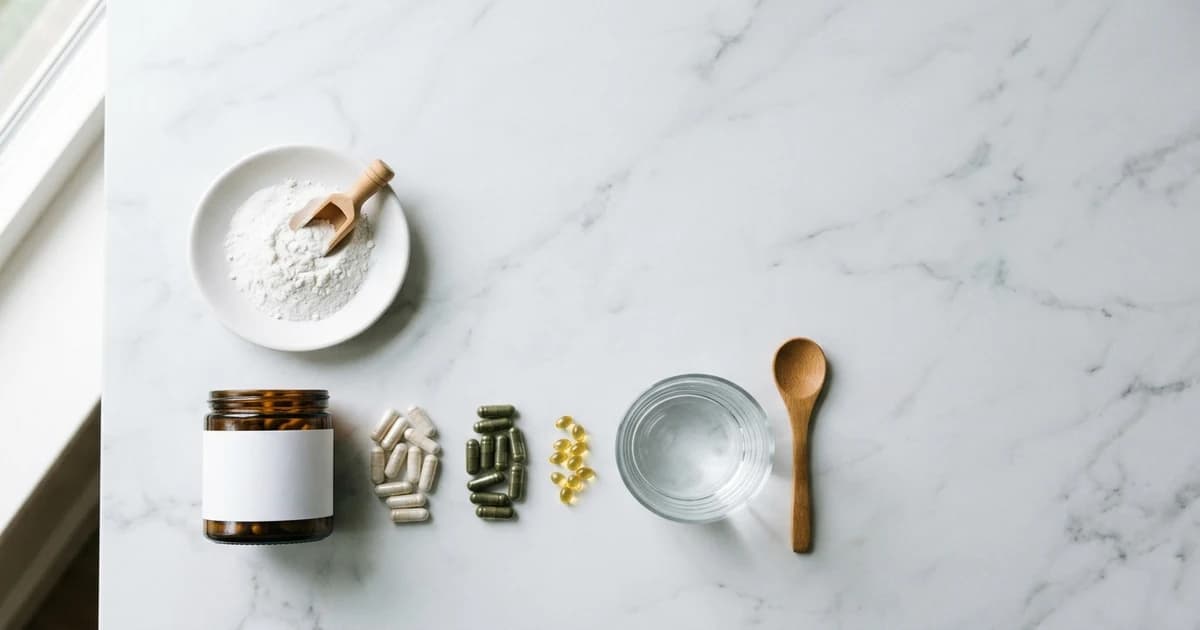
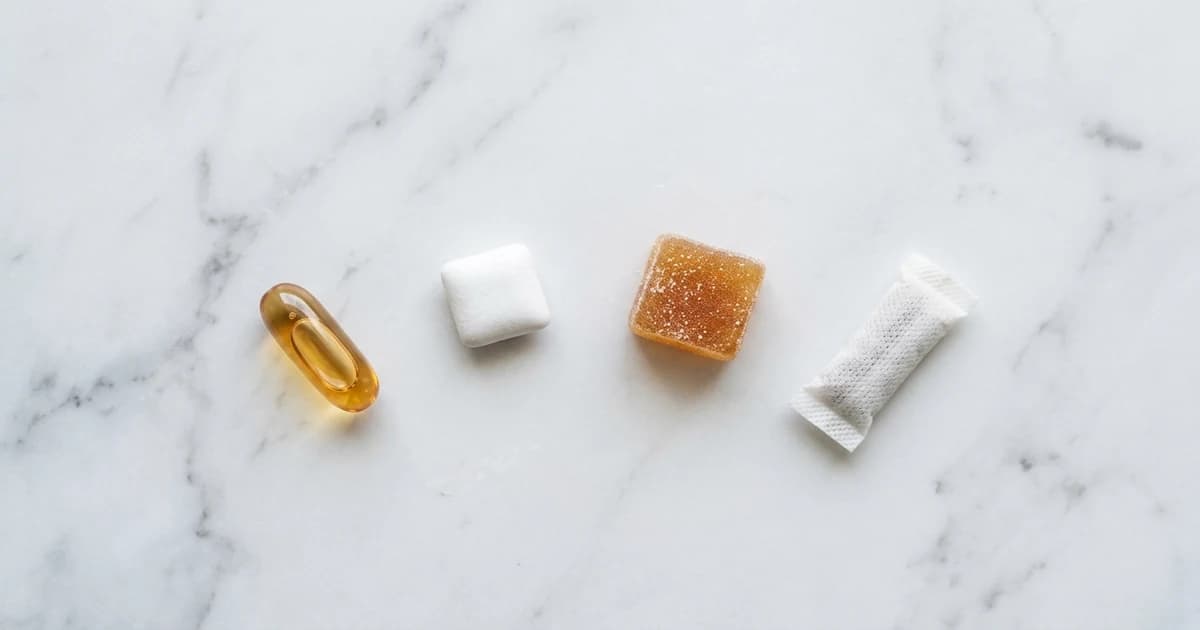
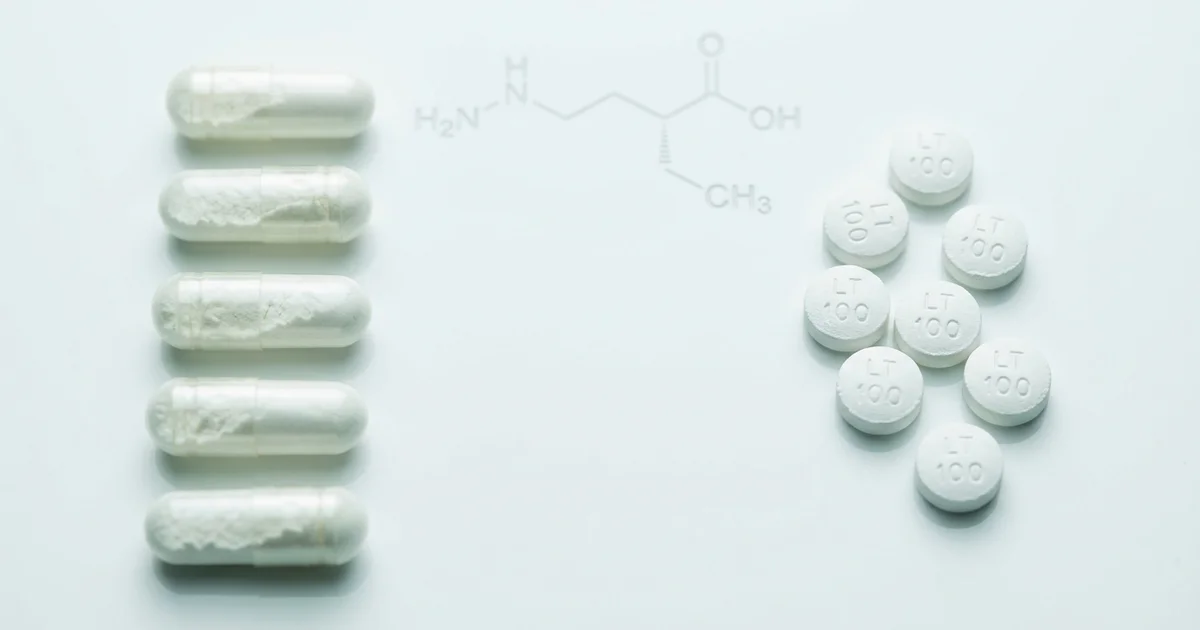
Most products in the brain health supplements market come in capsule or tablet form. You swallow them, they pass through your digestive system, your liver metabolizes a portion (first-pass metabolism), and whatever's left enters your bloodstream. This process takes 30 to 60 minutes and reduces the bioavailability of many compounds.
Sublingual delivery, where a compound absorbs through the tissue under your tongue, bypasses the digestive system entirely. The active ingredients enter your bloodstream directly, which means faster onset and higher effective doses from the same amount of raw material.
This is why delivery format deserves the same scrutiny as the ingredient list itself. Two products with identical formulas can produce very different results depending on how those ingredients reach your brain.
Invest in Your Brain
The brain health supplements market will keep growing. Most of that growth will come from products that prioritize marketing over science. But the research points clearly to a small group of compounds, caffeine, L-theanine, theacrine, and methylliberine, that deliver real, measurable cognitive benefits when dosed correctly and delivered efficiently.
Roon was built on exactly this principle. Roon's zero-nicotine sublingual pouches combine 80mg of caffeine, L-theanine, theacrine, and methylliberine in doses aligned with clinical research. The sublingual format means faster absorption and no first-pass metabolism. The result is 6 to 8 hours of sustained focus without jitters, without a crash, and without the tolerance buildup that makes caffeine less effective over time.
Your brain is the most valuable asset you own. Treat it that way.