Spermidine: The Autophagy-Activating Longevity Compound
Roon Team
Spermidine: The Autophagy-Activating Longevity Compound
Your cells have a recycling crew. It pulls apart broken proteins, clears out damaged mitochondria, and reuses the parts. The process is called autophagy, and it slows down as you age. Spermidine is one of the few compounds shown to switch that crew back on.
It is not a stimulant. You will not feel it the way you feel caffeine. Spermidine works on a longer timescale, quietly maintaining the machinery inside your cells over months and years.
That patience is the point. The research on spermidine reads less like a quick-fix supplement story and more like a study of how cells stay young.
Key Takeaways
- Spermidine is a natural polyamine that triggers autophagy, your cells' self-cleaning and recycling process.
- Higher dietary spermidine intake is linked to lower all-cause and cardiovascular mortality in long-running population studies.
- Early human trials suggest spermidine may support memory in older adults with early cognitive complaints.
- Food sources include wheat germ, natto, aged cheese, mushrooms, and legumes.
- It is a long-horizon cellular-maintenance tool, not an acute focus or energy booster.
What Is Spermidine?
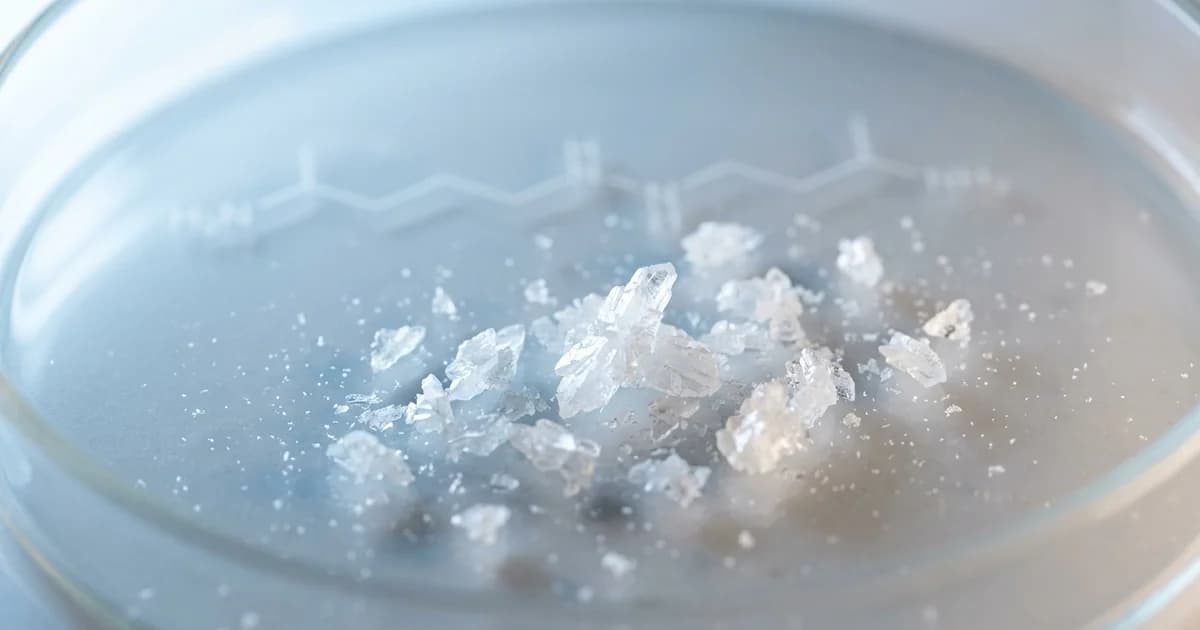
Spermidine is a polyamine, a small molecule your body makes on its own and also absorbs from food. It was first identified in semen, which is where the name comes from, but it exists in nearly every living cell.
Your natural spermidine levels drop with age. That decline tracks with the slowdown of autophagy and with many of the cellular problems that pile up over a lifetime. Restoring spermidine, through diet or supplements, is the strategy researchers have been testing.
The compound is also one of the most absorbable polyamines from the gut, which makes dietary intake a practical lever. Spermidine is the polyamine most readily absorbed from the human gut.
Spermidine and Autophagy: The Core Mechanism
The reason scientists care about spermidine is spermidine autophagy: its ability to trigger your cells' internal recycling program.
Autophagy is how a cell digests its own damaged parts. When it works well, broken proteins and worn-out mitochondria get broken down and rebuilt. When it slows, that cellular junk accumulates, and accumulation is a hallmark of aging.
Spermidine sets this in motion partly through a process called hypusination, a chemical modification of a protein called eIF5A. By resolving ribosomal stalling at polyproline and non-polyproline-specific motifs, hypusinated EIF5A improves translation of the key autophagic protein ATG3, which is especially important in mitochondrial homeostasis, and TFEB, a central regulator of lysosomal biogenesis and autophagy.
In plain terms: spermidine helps your cells build more of the tools they need to clean themselves. The interest in autophagy isn't fringe science either. The researcher who mapped its mechanisms, Yoshinori Ohsumi, won the 2016 Nobel Prize in Physiology or Medicine for it.
Spermidine's link to autophagy also shows up in fasting. Spermidine is essential for fasting-mediated autophagy and longevity. Some of the benefits people chase through fasting may run partly through the same polyamine pathway.
Spermidine Benefits: What the Research Actually Shows
The strongest spermidine benefits come from large population studies and a growing set of animal and early human trials. Here is what holds up.
Longevity and Mortality
The headline finding comes from the Bruneck Study, a long-running population cohort in northern Italy. Researchers tracked dietary spermidine intake against death rates over years of follow-up.
The result was clear in direction. People with the highest dietary spermidine intake had lower all-cause mortality than those with the lowest intake, an association reported in The American Journal of Clinical Nutrition. The same study describes spermidine-rich foods like wheat germ, natto, mushrooms, and aged cheese as practical sources.
This is observational data, so it shows correlation, not proof of cause. But the size and length of the cohort make it hard to dismiss, and it lines up with the lab work.
Cardiovascular Health
Diets richer in polyamines have been tied to lower cardiovascular and all-cause mortality in more than one population. A follow-up of the Korean National Health and Nutrition Examination Survey reported that higher dietary polyamine intake was associated with reduced risk of all-cause and cardiovascular-disease mortality.
Again, these are population links rather than controlled trials. They suggest the heart benefits seen in animal models may carry over to people.
Cellular and Immune Aging
In lab models, spermidine longevity effects extend across species, from yeast to flies to mice. The shared thread is autophagy and better mitochondrial quality control.
There is also work on immune aging. Research in eLife found that autophagy in T cells from older donors is maintained by spermidine and correlates with immune function and vaccine responses. As autophagy fades in aging immune cells, spermidine appears to help hold the line.
Spermidine and the Brain
The most interesting frontier is spermidine brain research, where early trials hint at support for memory in aging.
A randomized controlled trial in older adults at risk for dementia tested spermidine supplementation and tracked memory performance. The researchers, writing in PubMed-indexed work on the SmartAge program, reported a possible benefit and noted that the beneficial effect might be mediated by stimulation of neuromodulatory actions in the memory system.
That early signal prompted a larger follow-up. A follow-up Phase IIb randomized controlled trial will help validate the therapeutic potential of spermidine supplementation and delineate possible neurophysiological mechanisms of action.
The honest read: the brain data is promising but not settled. Some later, longer trials have shown smaller or mixed effects on cognition. Spermidine is worth watching here, not treating as a proven memory pill.
This is also where it helps to separate two different goals. Spermidine targets slow, structural brain maintenance over years. If you want focus you can feel during a work session this afternoon, that is a different problem with different tools entirely.
How to Get Spermidine: Food vs. Supplement
You can raise spermidine intake through diet or through a concentrated spermidine supplement. Both have a place, and the food route is underrated.
Top Food Sources
Some of the richest dietary sources are easy to add to a normal week.
| Food | Spermidine Density | Notes |
|---|---|---|
| Wheat germ | Very high | Most concentrated common source; add to yogurt or oats |
| Natto (fermented soy) | Very high | A staple in long-lived Japanese populations |
| Aged cheese | High | Cheddar and similar matured cheeses |
| Mushrooms (shiitake) | High | Easy to cook into most meals |
| Soybeans and legumes | Moderate to high | Broad, accessible source |
| Broccoli, cauliflower, green pepper | Moderate | Round out a spermidine-friendly plate |
A spermidine-rich diet built around these foods is the lowest-risk way to raise your intake, and it brings fiber and other nutrients along with it.
Supplements and Dosage
Most spermidine supplements are standardized extracts, often derived from wheat germ. Studied doses in human trials commonly sit in the single-digit-milligram range per day, far below what dramatic marketing might imply.
A 2024 randomized controlled trial in older men tested supplementation at 40 mg per day and found minimal effects on circulating polyamines, a reminder that dose, form, and absorption all matter and that more is not automatically better. Earlier safety work in mice and older adults reported that spermidine supplementation was well tolerated.
Talk to your doctor before starting, especially if you take medication or have a medical condition. Spermidine is a food-derived compound, but a concentrated supplement is still a deliberate choice.
Spermidine vs. Other Longevity Compounds
Spermidine sits in a small group of compounds studied for cellular aging. Here is how it compares on mechanism and evidence type.
| Compound | Primary Mechanism | Evidence Base | Felt Acutely? |
|---|---|---|---|
| Spermidine | Triggers autophagy and mitophagy | Population studies plus early human trials | No |
| NMN / NAD+ boosters | Restores cellular NAD+ levels | Mostly animal, some human trials | No |
| Resveratrol | Activates sirtuins | Mixed human data | No |
| Fisetin | Senolytic, clears senescent cells | Mostly preclinical | No |
The pattern is consistent across the category. These are slow, structural tools. None of them are something you take for an afternoon of sharp focus, and spermidine is no exception.
Conclusion
Spermidine is one of the better-supported compounds in the longevity space because its story is mechanistic and consistent. It turns on autophagy, the cellular recycling process that fades with age, and higher intake tracks with lower mortality across large populations.
The brain and cognition data is early but worth following. The cardiovascular and immune-aging signals are encouraging. And the food-first approach, built on wheat germ, natto, mushrooms, and aged cheese, gives most people a low-risk way to start.
What spermidine is not is fast. It works on the timescale of cellular maintenance, measured in months and years, not minutes. Judge it by that standard and the science looks strong. Expect a same-day effect and you will misread what this compound is for.
Frequently Asked Questions
What does spermidine actually do in the body?
Spermidine triggers autophagy, the process your cells use to break down and recycle damaged proteins and worn-out mitochondria. It does this partly by modifying a protein called eIF5A, which helps cells produce more of the machinery needed for self-cleaning. Autophagy slows with age, and spermidine is one of the few dietary compounds shown to reactivate it. This is why it is studied for longevity, cardiovascular health, and cellular aging rather than for any immediate, noticeable effect.
Does spermidine really extend lifespan?
In animal models from yeast to mice, spermidine extends lifespan, and the effect is tied to autophagy. In humans, the evidence is observational. The Bruneck Study found that people with higher dietary spermidine intake had lower all-cause mortality. That is a strong association, but observational data cannot prove cause and effect. The fair conclusion is that spermidine is one of the most promising longevity compounds studied so far, with human proof still developing.
How much spermidine should I take?
Human trials have generally used single-digit-milligram daily doses, often from wheat-germ extract. More is not automatically better. One 2024 trial using 40 mg per day found minimal changes in circulating polyamines, showing that dose, form, and absorption all matter. If you eat spermidine-rich foods, you may already get a meaningful amount. Before adding a concentrated supplement, talk to your doctor, especially if you take medication or have a health condition.
What foods are highest in spermidine?
Wheat germ is the most concentrated common source, followed by natto and other fermented soy products. Aged cheeses, shiitake and other mushrooms, soybeans, legumes, broccoli, cauliflower, and green pepper all contribute meaningful amounts. Building meals around these foods is the lowest-risk way to raise your intake, and it adds fiber and other nutrients at the same time. A spermidine-rich diet is a reasonable starting point before considering any supplement.
Can spermidine improve memory or brain function?
Early research is promising but not conclusive. A randomized trial in older adults at risk for dementia reported a possible memory benefit, which prompted a larger follow-up trial. Some later, longer studies showed smaller or mixed cognitive effects. The mechanism is plausible, since autophagy supports brain-cell maintenance, but spermidine should not be treated as a proven memory enhancer. It targets slow, structural brain health rather than acute focus or alertness.
Will I feel anything when I take spermidine?
No. Spermidine is not a stimulant and produces no acute sensation. It works at the level of cellular maintenance over weeks, months, and years, so there is nothing to feel in the moment. This is the opposite of how a focus or energy product works. If you want something you can notice during a single work session, spermidine is the wrong tool, because its value is entirely long-term.
Is spermidine safe to take daily?
In studied doses, spermidine has a good safety record. Trials in mice and in older adults reported that supplementation was well tolerated. Because spermidine occurs naturally in many everyday foods, the body is used to handling it. That said, concentrated supplements are a deliberate addition, and individual circumstances vary. Anyone pregnant, breastfeeding, on medication, or managing a medical condition should check with a healthcare provider before starting.
Different Timescales: Where Spermidine Ends and Acute Focus Begins
Spermidine plays a long game. It supports the cellular maintenance that keeps you healthy over years, and nothing about it is meant to sharpen the next two hours of your afternoon. Those are two separate problems on two separate clocks.
Roon lives on the other clock. It is a sublingual pouch built for acute, on-demand focus, with a four-ingredient stack of 80 mg caffeine, 60 mg L-theanine, 25 mg methylliberine (Dynamine), and 5 mg theacrine (TeaCrine). The format is designed for a 5 to 10 minute onset and 6 to 8 hours of steady focus with no jitters, no crash, and no tolerance buildup.
To be clear, Roon is not a longevity compound and not a replacement for spermidine, a healthy diet, or sleep. The two simply work on different timescales, and they can sit side by side. Eat for the decades, and when you need to lock in for the next work block, try Roon for the hours that matter today.
Written by Roon Team