Caffeine Alternatives: Paraxanthine vs Methylliberine vs Theacrine
Paraxanthine vs Methylliberine vs Theacrine: The Clean Caffeine Alternatives, Compared
The three most-discussed caffeine alternatives are paraxanthine, theacrine, and methylliberine, and they are not interchangeable. Paraxanthine is caffeine's primary metabolite and behaves like a cleaner version of caffeine. Theacrine gives a long, slow, tolerance-resistant lift, while methylliberine hits fast and clears fast. Caffeine itself is still the cheapest, best-studied baseline that all three are measured against.
Key Takeaways
- Caffeine alternatives all work on the same switch. Each of these molecules blocks adenosine, the "time to wind down" signal in your brain, which is why they feel stimulating.
- Paraxanthine is caffeine's main breakdown product, with a shorter half-life (~3 hours) and a clean alertness profile in a trained-runner trial.
- Theacrine is the marathoner of the group, with a 16-26 hour half-life and no habituation across eight weeks of daily use.
- Methylliberine (Dynamine) is the sprinter, with a ~1.5 hour half-life, fast onset, and a favorable short-term safety profile.
- The smartest stacks combine a fast molecule, a slow one, and caffeine, rather than chasing a single "best" caffeine alternative.
What "caffeine alternatives" actually means
Most caffeine alternatives are not alternatives to stimulation at all. They are different keys cut for the same lock. Caffeine works mostly by blocking adenosine, a molecule that accumulates while you are awake and tells your brain to slow down. When caffeine occupies the adenosine receptor, that fatigue signal gets quieter and you feel alert, per the StatPearls pharmacology review.
Paraxanthine, theacrine, and methylliberine all touch that same adenosine system. What separates them is timing and staying power: how fast they arrive, how long they linger, and whether your body stops responding to them. Those three variables decide which one belongs in your morning, your afternoon, or your pre-workout.
The clean caffeine alternatives, compared in one table
Here is every figure that matters for the four compounds, side by side, so you can match the molecule to the moment.
| Compound | What it is | Onset | Half-life / duration | Tolerance / habituation | Typical effective dose | Best for |
|---|---|---|---|---|---|---|
| Caffeine | The baseline stimulant; a nonselective adenosine A1/A2A receptor antagonist | ~15-60 min | ~5 hours (range 1.5-9.5) | Builds within days to weeks | 80-200 mg | A proven, low-cost energy baseline |
| Paraxanthine | Caffeine's main metabolite (>80% of metabolized caffeine); crosses the blood-brain barrier readily | ~30 min | ~3.1 hours | Limited long-term human data | ~200 mg | A cleaner caffeine-style lift, studied after exercise |
| Theacrine (TeaCrine) | A purine alkaloid from kucha tea; adenosine antagonist with dopaminergic activity | Slow, ~1-2 hours | ~16-26 hours | No habituation over 8 weeks | 200-300 mg solo; 5-50 mg in stacks | Long, smooth, tolerance-resistant duration |
| Methylliberine (Dynamine) | A purine alkaloid and structural cousin of theacrine; a rapid adenosine modulator | Fast, ~10-15 min | ~1.5 hours | Low; habituates less than caffeine | 100-150 mg solo; 25 mg in stacks | A fast front-end kick |
The pattern is hard to miss. Caffeine sits in the middle on every axis. The newer caffeine alternatives are specialists: one is faster, one lasts far longer, and one is built to mimic caffeine without being caffeine.
Caffeine: the baseline every alternative is measured against
Caffeine is the reference point, not the villain, and any honest comparison of caffeine alternatives has to start there. It is the most-studied stimulant on earth, it is cheap, and it reliably supports alertness and reaction time. Its mean half-life is roughly five hours, though genetics, smoking, and medications push the real range anywhere from 1.5 to 9.5 hours, according to StatPearls.
The two real complaints are tolerance and timing. Drink it daily and your adenosine receptors adapt, so the same dose does less. Drink it late and that long tail can sit in your system at bedtime. More than 80% of the caffeine you metabolize becomes paraxanthine, which is part of why the felt duration often outlasts the number on the label. That hand-off is also why the first "alternative" on this list is technically a piece of caffeine itself.
Paraxanthine: caffeine without the rest of caffeine
Paraxanthine is the caffeine alternative that is genetically closest to caffeine, because it is what caffeine becomes inside you. Your liver converts most ingested caffeine into paraxanthine, an adenosine antagonist that crosses the blood-brain barrier easily and carries much of caffeine's alertness effect. Its half-life is about 3.1 hours, shorter than caffeine's, which means a steeper drop-off and a smaller bedtime tail.
The most relevant human data comes from a randomized, double-blind, placebo-controlled crossover trial in 12 trained runners. After a 10-km treadmill run at competition pace, participants who took 200 mg of paraxanthine (as enfinity) showed better mental stamina and made fewer cognitive errors than those on caffeine or placebo, per the 2024 trial in the Journal of the International Society of Sports Nutrition. The catch is honesty about evidence: paraxanthine is newer, the trials are small, and long-term tolerance data is thin. It reads as a cleaner caffeine, not a different category.
Theacrine: the long, slow, tolerance-resistant burn
Theacrine is the caffeine alternative you reach for when you want hours, not a jolt. It is a purine alkaloid found in kucha tea, structurally similar to caffeine but slower to peak and far slower to leave. Pharmacokinetic work puts its half-life at roughly 16 to 26 hours, dramatically longer than caffeine's, as reported in a human drug-interaction study. It also engages dopamine pathways, which is why users often describe a mood-forward, motivation-style lift rather than a wired buzz.
Its headline feature is durability of response. In a trial of 60 adults taking up to 300 mg daily for eight weeks, researchers found no habituation: self-reported energy, focus, and concentration stayed stable, with none of the tachyphylaxis (the diminishing return) that defines daily caffeine. That non-habituating profile is the single best argument for putting theacrine in a stack you plan to use every day.
Methylliberine: the fast one that clears fast
Methylliberine, sold as Dynamine, is the caffeine alternative built for speed at both ends. It is a structural cousin of theacrine, but its kinetics are the mirror image: it absorbs quickly, with reported onset around 10 to 15 minutes, and it clears quickly, with a half-life near 1.5 hours. Rather than blocking adenosine head-on like caffeine, it appears to act as a negative allosteric modulator, which may explain why it tends to habituate less.
On safety, the four-week human trial of 125 young adults matters most. Taken alone (100-150 mg) or combined with theacrine, methylliberine produced no clinically meaningful changes in heart rate, blood pressure, or blood biomarkers over a month of daily use. Used solo, its short life means a quick lift and an early fade. That is precisely why it is usually paired with the slow-burning theacrine, so the front end and the back end cover for each other.
How to choose your caffeine alternative
Match the molecule to the job rather than hunting for one winner, because the best caffeine alternative depends entirely on the timing you need. Want a clean, caffeine-like push for a workout or a hard cognitive block? Paraxanthine is the closest swap. Want all-day steadiness without your daily dose fading on you? Theacrine's non-habituating profile is the strongest card in the deck. Want something that turns on in minutes? Methylliberine.
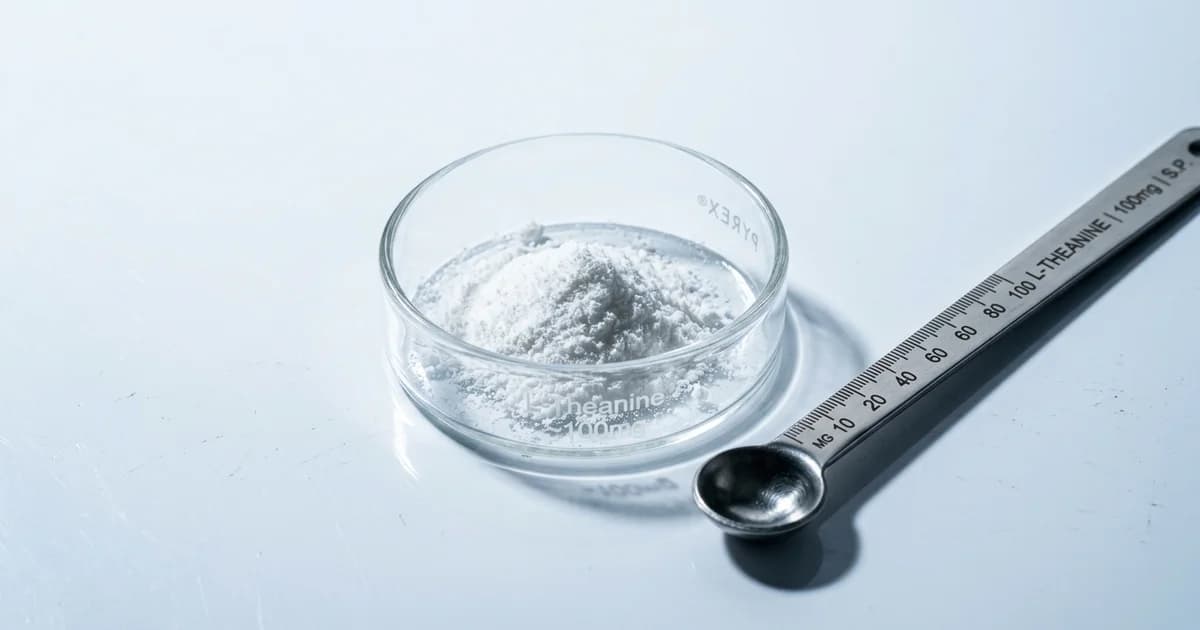
The more practical answer is that these caffeine alternatives are complements, not rivals. A small amount of fast methylliberine handles the first 15 minutes, a small amount of long-acting theacrine carries the back half of the day, and a moderate caffeine dose anchors the middle. Layer L-theanine on top and you blunt the edge that makes caffeine feel jittery. That layered logic, not any single ingredient, is what separates a thoughtful formula from a marketing label.
The bottom line on caffeine alternatives
Caffeine alternatives are best understood by their kinetics. Paraxanthine is a cleaner caffeine with a shorter tail, theacrine is the long, tolerance-resistant slow burn, and methylliberine is the fast-on, fast-off sprinter. Caffeine remains the proven, affordable baseline all three are benchmarked against. The strongest results tend to come from combining a fast molecule, a slow one, and a sensible caffeine dose, so the energy curve stays flat instead of spiking and crashing.
Frequently Asked Questions
Is paraxanthine better than caffeine?
Not universally. Paraxanthine is caffeine's main metabolite, so it feels similar, with a shorter ~3 hour half-life and a cleaner profile in early trials. In a 10-km runner study, 200 mg of paraxanthine supported post-run cognition better than caffeine. But the human evidence base is small and new, while caffeine is backed by decades of research. Treat paraxanthine as a refined caffeine, not a guaranteed upgrade.
Which caffeine alternative lasts the longest?
Theacrine, by a wide margin. Its half-life runs roughly 16 to 26 hours, compared with about 5 hours for caffeine and 1.5 hours for methylliberine, per a human pharmacokinetic study. That long duration makes theacrine well suited to all-day steadiness, but it also means taking a large solo dose late in the day can interfere with sleep. In stacks, theacrine usually appears at a small supporting dose.
Does theacrine build tolerance like caffeine?
The evidence says no, at least over two months. In a trial of 60 adults taking up to 300 mg daily for eight weeks, researchers found no habituation and no tachyphylaxis, with energy and focus ratings holding steady. That is the opposite of caffeine, where daily use typically dulls the response within days to weeks. This tolerance resistance is the main reason theacrine is added to everyday formulas.
Is methylliberine (Dynamine) safe?
Short-term human data is reassuring. In a four-week study of 125 young adults, methylliberine taken alone or with theacrine produced no clinically meaningful changes in heart rate, blood pressure, or blood markers. Its half-life is only about 1.5 hours, so it does not accumulate. As with any stimulant, your tolerance, sensitivity, and other sources of caffeine matter, and you should talk to a clinician if you have a heart condition.
Why combine these caffeine alternatives instead of using one?
Because their timing is complementary. Methylliberine turns on within about 15 minutes but fades fast. Theacrine takes an hour or two to build and then lasts most of the day. Caffeine fills the middle. Stacking a fast molecule, a slow molecule, and a measured caffeine dose produces a flatter, longer energy curve than any single ingredient delivers on its own, with fewer spikes and dips.
What does L-theanine do in a caffeine stack?
L-theanine is an amino acid from tea that supports a calmer, smoother quality of alertness when paired with caffeine. It does not block the stimulant; it takes the edge off it, which many people experience as fewer jitters and less of an anxious buzz. That is why caffeine-plus-L-theanine is one of the most popular and well-tolerated combinations among people seeking cleaner caffeine alternatives.
The Energy-Curve Problem, Solved in a Pouch
If this whole comparison has a thesis, it is that no single caffeine alternative wins on its own, and the smart move is to combine a fast molecule, a slow one, and a sensible caffeine dose. That is exactly how Roon is built: a sublingual pouch with 80 mg caffeine, 60 mg L-theanine, 25 mg methylliberine (Dynamine), and 5 mg theacrine (TeaCrine), designed for a 6-8 hour window of focus without the spike-and-crash pattern of a strong coffee.
To be clear about what Roon is and is not: Roon uses caffeine, methylliberine, and theacrine, not paraxanthine, and it is a performance supplement, not a medicine. It does not treat or cure any condition, and it is not a substitute for sleep, food, or sound training. What it is, is a way to apply the layered, tolerance-aware logic above without measuring four powders yourself. If you want sustained focus without the afternoon collapse, try Roon.
By Roon Team