Can You Use Nicotine Pouches After Wisdom Teeth Removal?
Roon Team
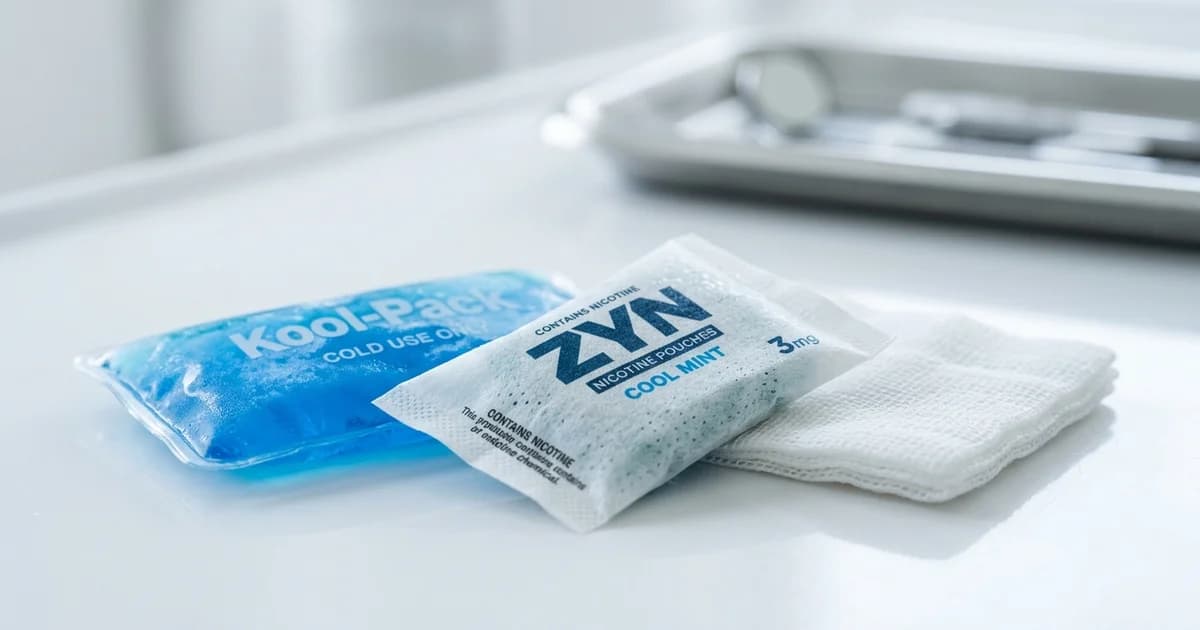
Can You Use Nicotine Pouches After Wisdom Teeth Removal?
Short answer: no, not right away. Using nicotine pouches after wisdom teeth surgery sits a fresh extraction site next to a chemical that shrinks blood vessels, and that is exactly the wrong environment for a wound that heals on blood flow.
Your dentist told you not to smoke. Nicotine pouches after wisdom teeth removal feel like a loophole because there is no smoke, no suction, and no heat. The nicotine is the problem, and the pouch parks it directly against healing tissue.
Here is what the clinical evidence actually says about nicotine pouches after wisdom teeth extraction, how long you should wait, and how to think about the risk without the guesswork.
Key Takeaways
- Nicotine narrows blood vessels and cuts blood flow to the extraction site, which slows clot formation and healing.
- Smokers have roughly a threefold higher risk of dry socket, one of the most painful post-extraction complications.
- Most oral surgeons advise avoiding all nicotine for at least 72 hours, and ideally a full week or more.
- A pouch removes the smoke and suction risk of a cigarette, but it does not remove the nicotine, which is the core problem for anyone considering nicotine pouches after wisdom teeth surgery.
Why Nicotine Pouches After Wisdom Teeth Are a Bad Idea
The danger is not the tobacco. It is the nicotine. Nicotine is a vasoconstrictor, meaning it narrows your blood vessels and reduces circulation to the tissue it touches.
After an extraction, your body forms a blood clot in the empty socket. That clot is the scaffold for everything that follows: new tissue, bone remodeling, and a sealed wound. Starve the site of blood and you slow every step of that process.
Using nicotine pouches after wisdom teeth removal makes this worse in a specific way. You tuck the pouch against your gum, often near the surgical area, and hold it there for 30 to 60 minutes. That is sustained, direct nicotine exposure to the one spot that needs maximum blood flow.
Smoking a cigarette adds heat, carbon monoxide, and negative pressure from inhaling. Pouches skip those. But the vasoconstriction stays, and it lasts as long as the nicotine is in your system. That is why nicotine pouches after wisdom teeth extraction remain a real concern.
Dry Socket and Nicotine Pouches: The Real Risk
Dry socket nicotine pouches discussions come up constantly in dental forums, and the data on nicotine is not subtle. Dry socket happens when the protective blood clot dislodges or fails to form, leaving bone and nerve endings exposed. The pain is severe, often radiating across the jaw and ear a few days after surgery.
A systematic review published in Dentistry Journal (via PubMed Central) found that tobacco smokers had a more than threefold increase in the odds of dry socket after tooth extraction. In the pooled data, the incidence of dry socket was about 13.2% in smokers versus roughly 3.8% in non-smokers.
That review focused on smoking, which combines nicotine with heat and suction. Pouches drop two of those factors. What they keep is the vasoconstrictor that reduces the blood supply your clot depends on, so treating nicotine pouches after wisdom teeth removal as risk-free is a mistake. The dry socket nicotine pouches connection is driven by the drug itself, not the delivery method.
The link is strong enough that some researchers frame post-extraction recovery as a reason to quit nicotine altogether, not just pause it.
How Long Should You Wait to Use Nicotine Pouches After Wisdom Teeth Removal?
Most guidance points to a minimum of 72 hours, with a longer window being safer. The first three days are when the clot is most fragile and dry socket risk peaks.
According to Healthline, dentists generally recommend waiting at least 72 hours before smoking after an extraction, and longer is better for healing. That timeline is built around clot stability, and the same logic applies to nicotine pouches after wisdom teeth surgery or any other nicotine source.
Here is a practical way to think about the recovery window.
| Time after surgery | What is happening | Nicotine pouch verdict |
|---|---|---|
| 0 to 24 hours | Clot forming, highest fragility | Avoid completely |
| 24 to 72 hours | Clot stabilizing, dry socket risk peaks | Avoid completely |
| 3 to 7 days | Early soft tissue healing | Wait; ask your surgeon |
| 7+ days | Socket closing, tissue maturing | Lower risk, but keep the pouch away from the site |
If you had a difficult extraction or multiple teeth out, extend these timelines. Your surgeon knows your specific case, so their instructions override any general chart. The question of nicotine pouches after wisdom teeth recovery is always best answered by the professional who performed your procedure.
Are Zyn and Other Pouches Safer Than Cigarettes Here?
Using Zyn after wisdom teeth removal is often assumed to be safe because there is no smoke. That assumption is only half right. Pouches remove the combustion and suction that can physically dislodge a clot, which is a genuine advantage over a cigarette.
But nicotine is nicotine. Whether it enters through smoke or through your gum lining, it still constricts blood vessels and reduces circulation to the healing socket. The delivery method changed. The active ingredient did not. Zyn after wisdom teeth surgery carries the same vasoconstriction risk as any other nicotine product.
There is a second issue specific to pouches after oral surgery. You place the pouch directly against gum tissue, and after surgery that tissue is inflamed, stitched, or raw. Direct contact with a fresh site adds mechanical irritation on top of the chemical effect. Pouches after oral surgery introduce a physical variable that cigarettes do not.
So Zyn after wisdom teeth extraction is not a clean workaround. It trades one set of risks for a narrower but still real set. Anyone considering nicotine pouches after wisdom teeth removal should understand that distinction clearly.
Nicotine delivery compared after an extraction
| Method | Smoke or heat | Suction risk to clot | Delivers nicotine | Direct gum contact |
|---|---|---|---|---|
| Cigarette | Yes | Yes | Yes | No |
| Vape | Yes (aerosol) | Yes | Yes | No |
| Nicotine pouch (Zyn, etc.) | No | No | Yes | Yes |
| Nicotine gum | No | Low | Yes | Some |
The pouch column looks better on smoke and suction. It looks worse on direct contact, and it never wins on the nicotine itself. That is the core issue with nicotine pouches after wisdom teeth surgery.
What to Do If You Rely on Nicotine
If you use nicotine daily, a few days of surgery recovery can feel like a long stretch. Knowing you cannot use nicotine pouches after wisdom teeth removal for at least 72 hours requires some planning. A few practical moves help.
- Tell your oral surgeon before the procedure that you use nicotine. They can adjust aftercare guidance and watch for complications.
- Plan the pause. Stock alternatives and clear the days when you can rest instead of white-knuckling a craving.
- If you do resume, keep the pouch on the opposite side of your mouth from the extraction site, and wait as long as your surgeon advises. Using pouches after oral surgery on the wrong side of your mouth is an avoidable mistake.
- Watch for warning signs: throbbing pain three to five days out, a bad taste, or visible bone in the socket. These are classic dry socket nicotine pouches warning signs. Call your dentist if they appear.
None of this replaces professional advice. It is a bridge to get you through the window when your clot is most vulnerable.
The Bottom Line on Nicotine Pouches After Wisdom Teeth
The evidence points one direction. Nicotine narrows the blood vessels that feed a healing extraction site, and reduced blood flow is linked to slower healing and a sharply higher rate of dry socket. Nicotine pouches after wisdom teeth removal remove the smoke and the suction of a cigarette, but they keep the ingredient that drives the risk, and they add direct contact with tissue that is trying to close.
Waiting is the safe play. Give the clot at least three days, ideally a full week, and follow the specific instructions from the surgeon who saw your mouth. The craving is temporary. Dry socket pain, and a delayed recovery, cost far more than the pause. If you are searching for guidance on nicotine pouches after wisdom teeth surgery, the answer is simple: not yet.
Frequently Asked Questions
Can I use a nicotine pouch the same day as my extraction?
No. The first 24 hours are when your blood clot is forming and most fragile, and nicotine reduces the blood flow that clot depends on. Placing a pouch against your gum during this window also adds direct pressure and irritation to a fresh wound. Using nicotine pouches after wisdom teeth extraction on surgery day is the highest-risk scenario for dislodging the clot and triggering complications, so avoid all nicotine entirely.
Do nicotine pouches cause dry socket?
Nicotine is strongly linked to dry socket through its effect on blood flow. Research shows smokers have more than triple the odds of developing dry socket, with incidence around 13.2% versus 3.8% in non-smokers. The dry socket nicotine pouches risk is real because pouches still deliver the vasoconstricting nicotine, even though they remove smoke and suction. Treat them as a real factor, not a safe substitute.
How long after wisdom teeth removal can I use Zyn?
Most guidance suggests waiting at least 72 hours, and a full week is safer, especially after a difficult extraction. The delivery method does not change the timeline because Zyn after wisdom teeth surgery still introduces nicotine to your system. When you do resume, keep the pouch far from the surgical site. Your oral surgeon's specific instructions always take priority over a general rule.
Is a nicotine pouch safer than smoking after oral surgery?
In one sense, yes. Pouches after oral surgery avoid the heat, carbon monoxide, and negative suction of inhaling, all of which can disturb a clot. But nicotine pouches after wisdom teeth removal still deliver nicotine, which constricts blood vessels and slows healing, and they sit in direct contact with your gums. So a pouch is lower risk on some fronts and higher risk on others. It is not a clean workaround.
What are the signs of dry socket?
Dry socket usually appears one to five days after extraction. The classic signs are intense throbbing pain that can radiate to your ear or jaw, an empty-looking socket where the clot should be, visible bone, a bad taste, and bad breath. If you notice these, contact your dentist promptly. It is treatable, but it needs professional care rather than home remedies.
Can I use nicotine gum instead of a pouch after surgery?
Nicotine gum still delivers nicotine, so it carries the same vasoconstriction concern as nicotine pouches after wisdom teeth removal. Chewing also creates repeated jaw motion and pressure near a healing site, which is not ideal in the first days. If you are looking for any nicotine source during recovery, the honest answer is that all of them affect blood flow. The safest option is a genuine pause, guided by your surgeon.
What can I use for focus if I am pausing nicotine during recovery?
If you leaned on nicotine mainly for alertness, a non-nicotine option can help you get through the recovery window. Caffeine paired with L-theanine is a well-studied combination for steady focus. Just remember that anything you place in your mouth can irritate a fresh surgical site, so keep it away from the extraction area and clear it with your dentist first.
A Nicotine-Free Option Once You Have Healed
This article is about protecting a healing socket, and the honest takeaway is that nicotine pouches after wisdom teeth surgery work against that goal in the early days. If your real reason for reaching for a pouch was focus or energy rather than the nicotine itself, that distinction matters once you are past recovery.
Roon is a zero-nicotine, tobacco-free sublingual pouch built for focus, not for feeding a nicotine habit. Each pouch pairs 80 mg caffeine and 60 mg L-theanine with 25 mg methylliberine (Dynamine) and 5 mg theacrine (TeaCrine), designed for a 5 to 10 minute onset and 6 to 8 hours of steady focus with no jitters, no crash, and no tolerance buildup. Because it has no nicotine, it does not carry nicotine's vasoconstriction concern.
One honest caveat: Roon is not a dental or medical product, and any pouch you hold in your mouth can irritate a fresh surgical site. It is not a substitute for your surgeon's aftercare instructions. Wait until you have healed, keep it clear of any tender area, and if you want a nicotine-free way to stay sharp afterward, try Roon.
Written by Roon Team