L-Theanine While Pregnant: What the Science Actually Says
Roon Team
L-Theanine While Pregnant: What the Science Actually Says
You're pregnant, you're exhausted, and someone just told you that l theanine while pregnant might help you relax without the risks of caffeine. So you Googled "l theanine while pregnant" and landed here. Good. Because the answer is more nuanced than most wellness blogs will tell you.
L-theanine is one of the most studied amino acids in the nootropic world. It shows up naturally in green and black tea, promotes calm focus, and has a strong safety profile in the general population. But pregnancy changes everything. Your body metabolizes compounds differently, and anything you consume can cross the placenta.
Here's what we actually know, what we don't, and what you should do about it.
Key Takeaways
- L-theanine is classified as GRAS (Generally Recognized As Safe) by the FDA for the general population, but this classification does not specifically cover pregnant women.
- No human clinical trials have studied l theanine while pregnant directly.
- Small amounts from tea (a cup of green tea contains roughly 8 to 30 mg of L-theanine) are generally considered low-risk, but concentrated supplements are a different story.
- Every major medical source recommends consulting your OB-GYN before taking l theanine while pregnant.
What Is L-Theanine and How Does It Work?
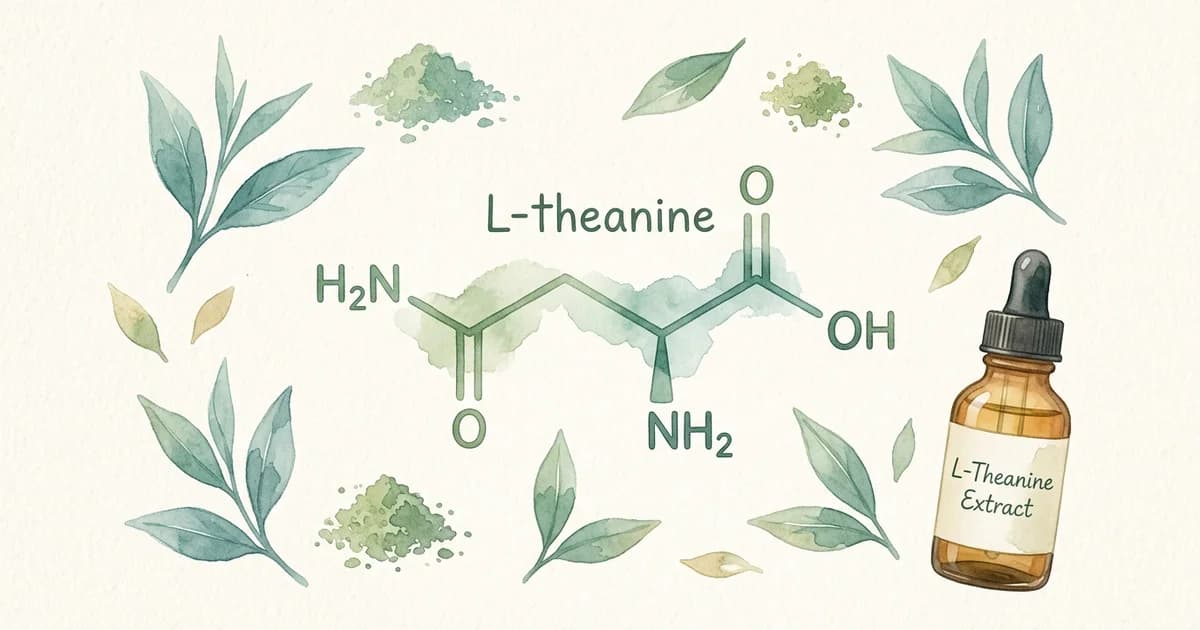
L-theanine (technically γ-L-glutamylethylamide) is a non-protein amino acid found primarily in the Camellia sinensis plant, the source of green and black tea. It's also present in small amounts in certain mushrooms.
What makes it interesting is how it affects the brain. Animal neurochemistry studies suggest that L-theanine increases brain serotonin, dopamine, and GABA levels and has micromolar affinities for AMPA, kainate, and NMDA receptors. In plain English: it promotes a state of relaxed alertness without sedation. That's why a cup of green tea feels different from a cup of coffee, even when the caffeine content is similar.
For the general population, L-theanine is well-tolerated. The FDA classifies it as GRAS, and doses up to 400 mg per day have been used safely in clinical studies. But "generally safe for adults" and "safe for l theanine while pregnant" are two very different statements.
L-Theanine While Pregnant: What Does the Research Say?
This is where things get honest, and a little frustrating.
The Human Data Gap
There are zero published human clinical trials examining l theanine while pregnant specifically. None. This isn't because researchers suspect it's dangerous. It's because conducting supplement trials on pregnant women raises serious ethical hurdles, so the studies simply haven't been done.
There is not enough reliable information about the safety of L-theanine taken during pregnancy or breastfeeding. For this reason, it is suggested to avoid use. That's the position from Fullscript's clinical review, and it echoes what you'll find across most medical databases.
The Sleep Foundation puts it similarly: health experts have not yet established the safety of L-theanine for people who are pregnant or breastfeeding.
What the Animal Studies Show
Since we can't run controlled trials on pregnant humans, researchers have turned to animal models. The results are mixed.
A 2025 study published in PMC investigated l theanine while pregnant in a mouse model of gestational obesity. Researchers investigated whether L-theanine ameliorates adverse pregnancy outcomes in high-fat diet-induced gestational obesity mice. The results were actually positive, suggesting potential protective effects on metabolic health during pregnancy, at least in mice.
On the other hand, a study on green tea extract exposure during fetal development found neurobehavioral changes in mice offspring exposed to green tea extract throughout pregnancy and early postnatal life. The catch: this study used green tea extract (a cocktail of compounds including catechins and caffeine), not isolated L-theanine. So the results can't be pinned on L-theanine alone.
The takeaway from animal research? L-theanine itself doesn't appear to be toxic, but we don't have enough controlled data to call l theanine while pregnant definitively safe for fetal development.
The FDA's Position
The FDA has classified L-theanine as generally safe, according to Cleveland Clinic. But GRAS status applies to the general adult population. It does not constitute a specific endorsement for l theanine while pregnant. The FDA does not pre-approve dietary supplements the way it does pharmaceuticals, which means the burden of safety evaluation falls largely on you and your doctor.
Tea vs. Supplements: A Critical Distinction for L-Theanine While Pregnant
This is where the conversation gets practical.
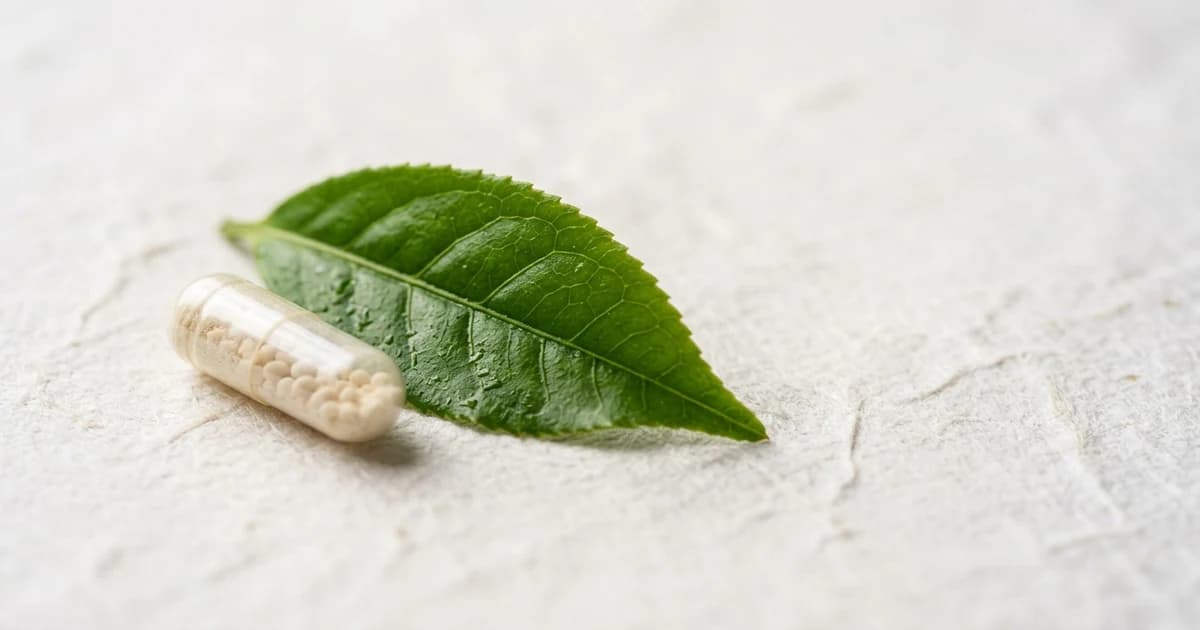
A standard cup of green tea contains roughly 8 to 30 mg of L-theanine, according to research reviewed by News-Medical. A cup of black tea may contain around 24 mg on average, based on data published in ScienceDirect. Compare that to supplement capsules, which typically deliver 100 to 400 mg per serving.
That's a 5x to 50x difference in dose.
| Source | Approximate L-Theanine Content |
|---|---|
| Cup of green tea (8 oz) | 8–30 mg |
| Cup of black tea (8 oz) | ~24 mg |
| Matcha (8 oz) | 20–60 mg |
| L-Theanine supplement (1 capsule) | 100–400 mg |
Most OB-GYNs are comfortable with patients drinking one to two cups of tea per day during pregnancy, primarily because the caffeine content stays within the ACOG guideline of less than 200 mg daily. Moderate caffeine consumption (less than 200 mg per day) does not appear to be a major contributing factor in miscarriage or preterm birth. The L-theanine you get from those one to two cups? It's a fraction of what you'd find in a supplement.
The concern around l theanine while pregnant isn't really about tea. It's about concentrated, isolated L-theanine in supplement form, where the doses are far higher than anything you'd encounter through normal dietary intake.
Why Pregnancy Changes the Equation
Your body during pregnancy is not the same body you had six months ago. Here's why that matters for l theanine while pregnant, or any supplement.
Placental Transfer
L-theanine is structurally similar to glutamate, one of the brain's primary excitatory neurotransmitters. Theanine crosses the blood-brain barrier and may be taken up by the cells via a sodium-coupled active transport process. If it crosses the blood-brain barrier in adults, the question of whether it crosses the placenta (and in what amounts) is a legitimate one. We don't have definitive human data on this.
Altered Metabolism
Pregnancy changes how your liver processes compounds. Enzyme activity shifts, blood volume increases by roughly 50%, and kidney filtration rates climb. A dose that's perfectly safe for a non-pregnant adult might behave differently in your body right now.
The Developing Nervous System
The fetal brain is building itself from scratch. Neurotransmitter systems, including the GABA, serotonin, and dopamine pathways that L-theanine modulates, are forming during pregnancy. Introducing an external modulator of those systems, even a gentle one, raises questions that haven't been answered yet.
What Your Doctor Will Probably Say About L-Theanine While Pregnant
If you ask your OB-GYN about l theanine while pregnant, expect one of two answers:
-
"We don't have enough data. Skip it for now." This is the most common and most conservative response. It's not based on evidence of harm. It's based on the absence of evidence of safety.
-
"Tea is fine in moderation." Most practitioners are comfortable with one to two cups of green or black tea per day, which keeps both caffeine and L-theanine intake at naturally low levels.
What you're unlikely to hear is a blanket endorsement of l theanine while pregnant at 200+ mg per day. The risk-benefit calculation during pregnancy always skews conservative, and for good reason.
Alternatives for Stress and Focus During Pregnancy
If you're looking for ways to manage stress and mental clarity while pregnant, there are well-studied options your doctor is more likely to greenlight:
- Magnesium glycinate: Often recommended during pregnancy for sleep and muscle relaxation. Talk to your doctor about appropriate dosing.
- Prenatal yoga and meditation: Strong evidence for reducing cortisol and improving sleep quality during pregnancy.
- Adequate sleep hygiene: Easier said than done in the third trimester, but the fundamentals (cool room, consistent schedule, limited screens) still work.
- Moderate exercise: Walking, swimming, and prenatal fitness classes have solid evidence for improving mood and cognitive function during pregnancy.
These aren't as exciting as a nootropic stack. But they come with decades of safety data in pregnant populations.
After Pregnancy: Getting Back to L-Theanine
Here's the good news. The caution around l theanine while pregnant is specific to pregnancy (and to some extent, breastfeeding, where NCBI's LactMed database notes that amounts from tea are likely acceptable but high-dose supplements haven't been confirmed safe for nursing infants).
Once you're past those stages, L-theanine's benefits are well-documented. It supports calm, sustained focus. It pairs exceptionally well with low-dose caffeine. And it does all of this without the jitters, crashes, or tolerance buildup that come with stimulants alone.
If you're the type of person who was using L-theanine before pregnancy and plans to return to it afterward, Roon makes it simple. Roon's zero-nicotine nootropic pouches deliver L-theanine alongside caffeine, theacrine, and methylliberine for 6 to 8 hours of clean focus, with nothing you need to brew, mix, or measure. It's what your post-pregnancy brain will thank you for.
But right now? Talk to your doctor. Drink your tea. And save l theanine while pregnant questions for your next OB-GYN visit so you get the green light based on your specific situation.