Does Caffeine Cause Bloating? Separating the Caffeine From the Coffee Acids, Milk, and Sweeteners
Does Caffeine Cause Bloating? Separating the Caffeine From the Coffee Acids, Milk, and Sweeteners
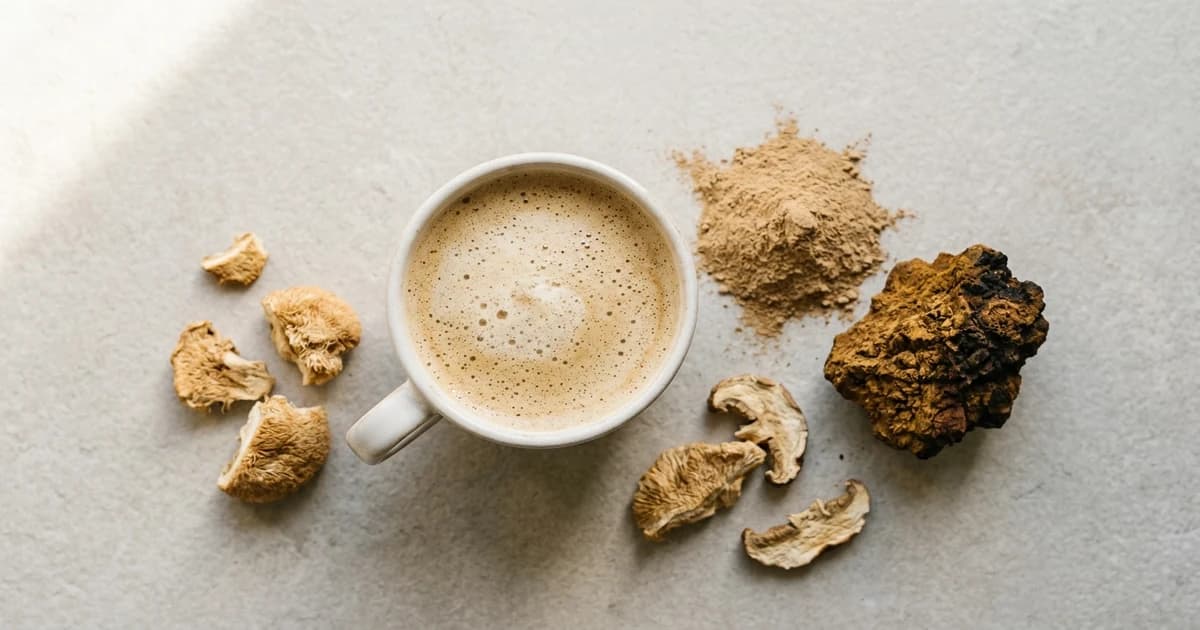
Does caffeine cause bloating? Coffee reliably causes bloating, but caffeine itself is probably not the main reason. Both regular and decaffeinated coffee stimulate gastric acid secretion and speed up colonic motility, which means compounds in coffee besides caffeine (chlorogenic acids, oils, and other bioactives) do most of the GI work. Caffeine consumed without coffee, through pills, gum, or pouches, skips the acids, the oils, the dairy, and the 8 to 12 ounces of hot liquid. That distinction matters.
Key Takeaways
- Decaf coffee triggers nearly as much gut motility and acid secretion as regular coffee, pointing to coffee itself as the primary bloating culprit.
- A 1975 NEJM study found caffeine alone produced less than half the gastric acid response of regular coffee.
- Common add-ins (milk, creamers, sugar alcohols) and carbonation layer additional bloating triggers on top of the coffee.
- Caffeine formats that bypass the cup (pouches, pills, gum) remove most of the variables.
What Coffee Actually Does to Your Gut
Coffee hits your GI tract through two pathways: it ramps up gastric acid production in the stomach, and it triggers contractions in the colon. Both happen fast. Both happen with decaf.
A 1998 ambulatory manometry study by Rao et al. placed pressure sensors up to the mid-transverse colon in 12 healthy adults. Caffeinated coffee stimulated colonic activity about as strongly as a full meal, 60% more than water and 23% more than decaffeinated coffee.
Brown, Cann, and Read (1990) found that both regular and decaf coffee increased rectosigmoid motility within four minutes in "responders," lasting at least 30 minutes. Hot water did nothing. In a questionnaire of 99 healthy volunteers, 29% said coffee induced a desire to defecate.
That "coffee poop" reflex is not folklore. It is a measurable pressure wave moving through your colon, bringing gas, distension, and bloating along for the ride.
Does Caffeine Cause Bloating, or Is It the Coffee? The Gastric Acid Experiment
The cleanest separation came in a 1975 New England Journal of Medicine study by Cohen and Booth. They measured gastric acid output and lower-esophageal-sphincter (LES) pressure in healthy subjects after regular coffee, decaf coffee, and caffeine alone, each on a cup-equivalent basis.
Regular coffee produced the highest acid output, followed by decaf, with caffeine alone producing less than half the regular-coffee response. Both regular and decaf coffee lowered LES pressure (the valve that keeps stomach acid from creeping upward), though caffeine alone had a smaller effect.
Coffee contains hundreds of bioactive compounds, including chlorogenic acids and N-methylpyridinium, that drive gastric acid secretion independently of caffeine. Caffeine is one actor in a large cast. Remove the rest, and the stomach-acid response drops substantially.
The Other Usual Suspects in Your Cup
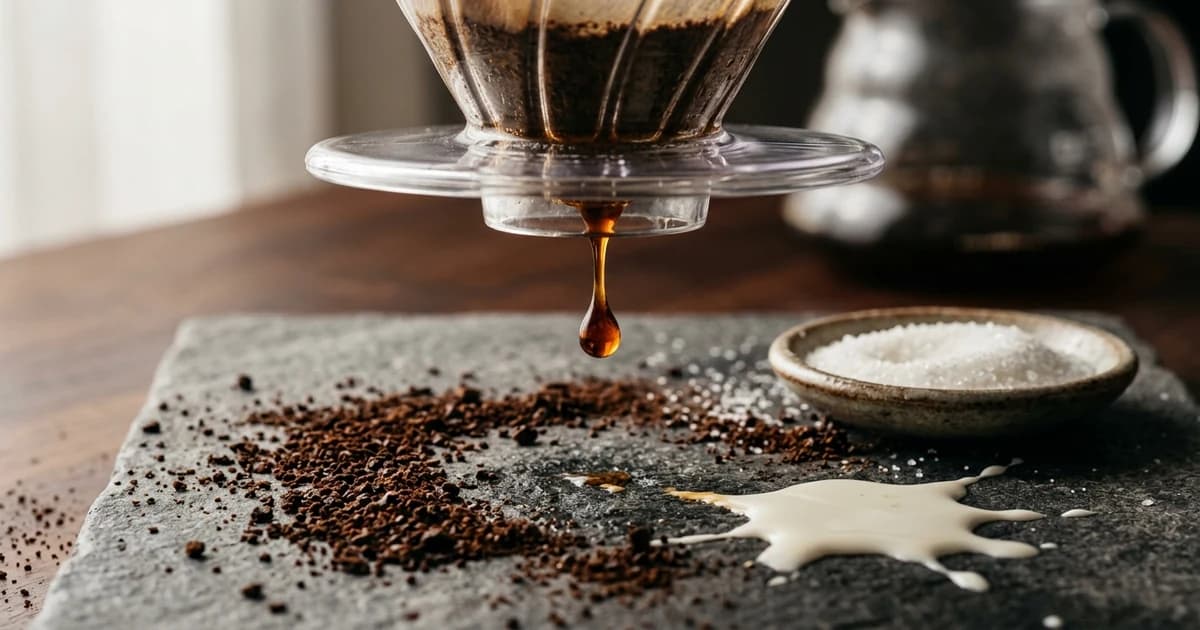
Caffeine gets blamed because it is the ingredient people know by name. But the average coffee order piles on several other GI triggers:
- Milk and cream. An estimated 65 to 70% of the global adult population has some degree of lactose malabsorption. Even a splash of half-and-half delivers lactose. If you digest it poorly, the unabsorbed sugar ferments in your colon and produces gas.
- Sugar alcohols in flavored creamers and "sugar-free" syrups. Sorbitol, xylitol, and erythritol are FODMAPs. They pull water into the gut and ferment, causing bloating and loose stools, especially above 10 to 15 grams.
- Carbonation in energy drinks and cold brew sodas. Dissolved CO₂ releases gas in the stomach, causing distension and belching. Carbonated beverages can reduce lower-esophageal-sphincter pressure by 30 to 50%, compounding reflux-related bloating.
- Drinking 12 to 16 ounces of hot liquid on an empty stomach. Volume alone stretches the stomach wall. Pair that with coffee's acid-boosting effect first thing in the morning, and you get that tight, swollen feeling before 9 a.m.
Strip away each of those variables and you strip away most of what people call "caffeine bloating."
Does Decaf Coffee Bloat You Too?
Yes. This is the single most useful data point in the whole debate.
Decaf contains only 2 to 15 mg of caffeine per cup, yet it triggered roughly 80% of the gastric acid output of regular coffee in the Cohen and Booth study, with almost none of the caffeine. In the Rao manometry study, decaf's colonic motility effect was not statistically different from caffeinated coffee's.
If caffeine were the main bloating driver, decaf would fix the problem. It does not. The acids, oils, and other compounds that survive decaffeination keep doing their work on your stomach and colon.
What Changes When You Get Caffeine Without the Cup
Remove coffee from the equation and you lose the chlorogenic acids, the oils, the 8 to 12 oz of hot liquid, and whatever dairy or sweetener you normally add. That leaves caffeine itself, which per the Cohen and Booth data produces less than half the acid response of a cup of coffee. Caffeine can still mildly speed gastric emptying in sensitive individuals, so it is not GI-neutral. But the magnitude is far smaller.
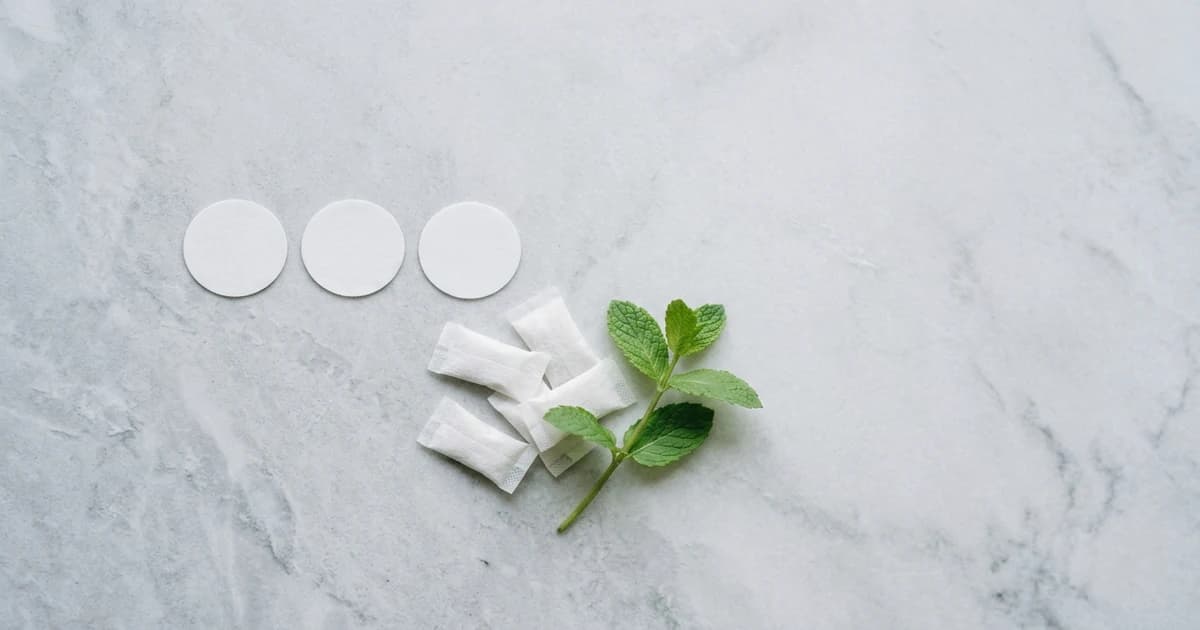
Formats like caffeine pills, caffeinated gum, and caffeine pouches deliver the stimulant without the liquid, the acids, or the add-ins. If you like what caffeine does for focus but dislike what coffee does to your gut, the delivery format is the variable worth changing.
Who Should Be More Cautious
Coffee's GI effects hit harder in people with pre-existing gut sensitivity. 26 to 40% of people with IBS identify coffee as a symptom trigger, per observational data from Monash University's FODMAP research group.
For people with GERD or chronic reflux, the LES-pressure reduction from coffee (both regular and decaf) is the more relevant mechanism. A weaker valve means more acid escaping upward.
If you have a diagnosed GI condition, talk to your gastroenterologist before making dietary changes.
The Bloating Is Real, the Blame Is Misplaced
Most people who feel bloated after coffee are right about the symptom and wrong about the cause. The evidence consistently points to coffee as a beverage, not caffeine as a molecule, as the primary GI irritant. If bloating is your main complaint, changing what carries the caffeine to your bloodstream makes more sense than abandoning caffeine entirely.
Frequently Asked Questions
Does decaf coffee cause bloating?
Yes. Decaf stimulates gastric acid at roughly 80% the level of regular coffee and triggers similar colonic motility responses, per Cohen and Booth (1975) and Rao et al. (1998). The compounds that cause bloating are not removed by decaffeination.
Does caffeine cause gas?
Caffeine alone has a mild effect on gut motility but does not produce gas the way coffee does. Coffee's chlorogenic acids and oils stimulate acid secretion and colonic contractions, which trap and move gas through the intestines. Caffeine from non-coffee sources is far less likely to cause gas.
Why does coffee make me poop?
Coffee triggers colonic motor activity within four minutes of ingestion in many people. A 1990 study by Brown et al. found 29% of healthy volunteers reported coffee induced a desire to defecate. This happens with both regular and decaf, and the colonic response is about as strong as eating a meal.
Can caffeine cause constipation or diarrhea?
Both are possible depending on the person. Caffeine mildly stimulates gut motility, which tends toward a laxative effect. But dehydration or dairy can push some people the other direction. Coffee specifically is more likely to cause diarrhea than caffeine alone because of its stronger colonic stimulation.
Why does coffee make me bloated but tea doesn't?
Tea contains caffeine but lacks the high concentrations of chlorogenic acids and coffee oils that drive gastric acid secretion and colonic motility. Tea is also consumed in smaller volumes, usually without heavy dairy additions. The difference supports the conclusion that coffee's non-caffeine compounds are the main GI triggers.
Does coffee on an empty stomach cause more bloating?
Likely yes. Without food to buffer gastric acid, coffee's acid-stimulating effect hits the stomach lining more directly. Volume also stretches an empty stomach more noticeably. Eating before or alongside coffee can reduce the perception of bloating, though it will not eliminate coffee's motility effects.
Is cold brew easier on the stomach than hot coffee?
Cold brew has lower acidity than hot-brewed coffee because cold extraction pulls fewer chlorogenic acids. Some people find it gentler, but it still contains coffee oils and other bioactives. It is not a complete fix for coffee-related bloating.
Do energy drinks cause bloating?
Energy drinks add carbonation, which introduces CO₂ gas directly into the stomach. They also frequently contain sugar alcohols, artificial sweeteners, or high doses of sugar, all of which can cause GI distress. The caffeine in energy drinks is less of a bloating factor than the carbonation and sweeteners.
A Caffeine Format That Skips the Acids, the Liquid, and the Bloat
If the data here resonates with your mornings, the practical question is simple: how do you keep the caffeine and lose the GI baggage?
Roon is a zero-nicotine oral pouch that delivers caffeine alongside L-theanine, methylliberine (Dynamine), and theacrine (TeaCrine) through sublingual absorption. No coffee acids, no oils, no 12 oz of hot liquid, no dairy. Zero sugar, zero calories.
Roon is not a digestive supplement and will not treat IBS or GERD. What it does is remove the variables this research links to coffee-related bloating: chlorogenic acids, coffee oils, volume, and add-ins. Caffeine still has mild GI effects, so Roon is not GI-invisible. But the gap between coffee's total gut impact and isolated caffeine's is large.
Tins start from $9.16 per tin on a 12-tin subscription (as little as $0.61 per pouch). If your stomach has been telling you to quit caffeine when the real problem is the cup, try changing the delivery method first.
Related from Roon
- Does Coffee Break a Fast?
- Do Caffeine Pouches Break a Fast?
- Why Does Caffeine Make You Hungry?
- Does Coke Zero Have Caffeine?
Written by Roon Team