Caffeine Tolerance at the Receptor Level, Explained
Roon Team
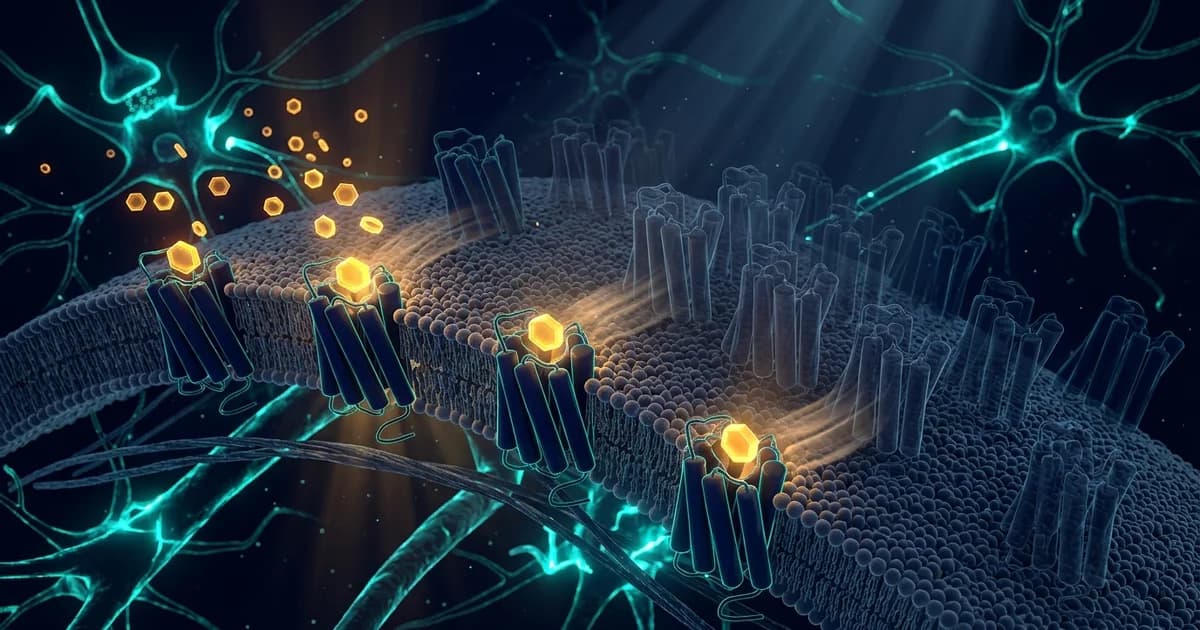
Caffeine Tolerance at the Receptor Level: Why Adenosine Receptors Adapt
Your morning coffee used to hit like a switch. One cup, and the fog lifted. Now you're on your third, and you feel roughly the same as you did before the first.
That fade has a name and a location. Caffeine tolerance lives at the level of your adenosine receptors, the tiny docking proteins on your neurons that decide whether you feel alert or exhausted. Drink caffeine every day, and those receptors physically change.
This is the most concrete explanation for why caffeine stops working. It isn't in your head. It's on the surface of your brain cells.
Key Takeaways
- Caffeine doesn't stimulate you. It blocks adenosine, the molecule that makes you feel tired.
- With daily use, your brain builds more adenosine receptors to compensate. That's adenosine receptor upregulation.
- More receptors means the same dose blocks a smaller fraction of them, so the effect shrinks.
- The same adaptation explains why skipping coffee gives you a withdrawal headache.
- Compounds that act on pathways outside the main adenosine system tend to show less tolerance buildup.
What Caffeine Actually Does in Your Brain
Caffeine is a blocker, not a battery. It doesn't give you energy. It hides the signal that tells you you're out of it.
Throughout the day, a molecule called adenosine accumulates in your brain as a byproduct of cellular activity. It binds to adenosine receptors, mainly the A1 and A2A subtypes, and the more it binds, the drowsier you feel. By bedtime, those receptors are saturated.
Caffeine has a shape close enough to adenosine that it slots into the same receptors without activating them. Caffeine occupies human cerebral A1 adenosine receptors, a finding confirmed directly in living brains using PET imaging in a study published in the Journal of Nuclear Medicine. It sits in the parking spot so adenosine can't.
The tiredness signal gets muffled. You feel sharp. That's the entire trick.
Why Caffeine Stops Working: The Caffeine Tolerance Mechanism
The reason caffeine stops working is that your brain notices the blockade and builds around it. This is the core caffeine tolerance mechanism, and it's a textbook case of receptor adaptation.
Your neurons run on balance. When caffeine chronically blocks adenosine from doing its job, the brain reads this as a shortage of adenosine signaling. So it compensates the only way it can. It makes more receptors.
This is adenosine receptor upregulation. More docking spots appear on the cell surface, raising the overall adenosine receptor density. Now adenosine has more places to bind, and your usual caffeine dose can only cover a fraction of them.
Animal work backs this up. A study in Cellular and Molecular Neurobiology found that chronic caffeine alters the density of adenosine, adrenergic, cholinergic, GABA, and serotonin receptors and calcium channels in mouse brain. The adenosine system isn't the only one that shifts, but it's the headline.
Tolerance also shows up in behavior, not just receptor counts. Research in the Journal of Neuroscience linked the development of caffeine tolerance to alterations in gene expression in specific brain regions, meaning the adaptation reaches down to how your cells read their own blueprints.
So the dose that once felt like a jolt now feels like baseline. You haven't gotten weaker. Your receptor map has gotten bigger.
How Fast Does Caffeine Receptor Adaptation Happen?
Caffeine receptor adaptation begins within days of regular use and can fully blunt the stimulant effect within one to three weeks. The exact timeline depends on your dose, your genetics, and how your liver clears the drug.
Some people metabolize caffeine fast and rebuild receptors quickly. Others, slow metabolizers, hold onto caffeine for hours and adapt more gradually. Either way, daily dosing pushes the system toward a new normal.
Here's the part most people miss. Once you've upregulated, you're not chasing a high anymore. You're often just preventing a low.
The Withdrawal Side of the Same Coin
That withdrawal headache on a coffee-free morning is the receptor story running in reverse. You built extra adenosine receptors to balance the daily block. Skip the caffeine, and adenosine floods every one of those new receptors at once.
The result is oversized drowsiness, brain fog, and the classic dull headache from dilated blood vessels in the brain. The adaptation that caused your tolerance is the same adaptation that punishes you for stopping.
Tolerance Profiles Compared
Not every focus compound drives the same adenosine adaptation. The table below compares common options by their main mechanism and how quickly tolerance tends to set in. Roon's pouch is built around the bottom three rows working together.
| Compound | Primary mechanism | Tolerance buildup | Typical onset |
|---|---|---|---|
| Caffeine | Blocks A1 and A2A adenosine receptors | High with daily use (receptor upregulation) | 30 to 60 min (oral) |
| L-theanine | Modulates GABA, glutamate, alpha brain waves | Low | 30 to 45 min |
| Methylliberine (Dynamine) | Weak adenosine activity plus dopamine modulation | Low reported | Fast |
| Theacrine (TeaCrine) | Adenosine and dopamine pathways, slower clearance | Little to none in studies | 60 to 90 min |
| Roon pouch (full stack) | All four, sublingual delivery | Designed to reduce single-pathway reliance | 5 to 10 min |
The standout is theacrine. A safety study in the Journal of the International Society of Sports Nutrition described it as a non-habituating, naturally-occurring purine alkaloid studied over eight weeks of continuous use. Non-habituating is the key word. It points to a compound that doesn't trigger the same rapid tolerance loop caffeine does.
Can You Reset Caffeine Tolerance?
Yes. The most reliable way to reset caffeine tolerance is to stop using it long enough for your brain to dismantle the extra adenosine receptors, usually one to two weeks. This is why a week off coffee can make your first cup back feel powerful again.
A full break works, but it's miserable for most people because of withdrawal. Two gentler approaches help.
- Cap your daily dose. Lower, consistent intake drives less upregulation than escalating intake.
- Cycle deliberately. Use caffeine on demanding days and skip it on easy ones to keep your receptor count from settling at a high baseline.
If you want a deeper protocol, our guide on resetting caffeine tolerance walks through a step-down plan that avoids the worst of the crash.
The Honest Limits of Working Around Tolerance
No legal compound fully escapes adaptation. Your brain is built to seek equilibrium, and anything that pushes alertness up will eventually meet some pushback.
The realistic goal isn't zero tolerance. It's spreading the load across more than one pathway so no single receptor system gets hammered into upregulation. Lean on only adenosine blockade, and you'll upregulate adenosine receptors. Distribute the work, and the adaptation softens.
That principle, not a miracle ingredient, is what good formulation is actually about.
Frequently Asked Questions
Why does caffeine stop working after a while?
Your brain builds more adenosine receptors in response to regular caffeine, a process called adenosine receptor upregulation. With more receptors available, your usual caffeine dose blocks a smaller percentage of them, so adenosine still gets through and you feel less alert. The drug hasn't weakened. Your receptor count has grown, which is the heart of the caffeine tolerance mechanism.
How long does it take to build caffeine tolerance?
Tolerance can begin within a few days of daily use and often blunts the stimulant effect within one to three weeks. Speed depends on your dose, frequency, and genetics. Slow caffeine metabolizers keep the drug in their system longer, while fast metabolizers clear it quickly and may adapt at a different pace.
Does adenosine receptor density actually increase with caffeine?
Animal research supports it. Chronic caffeine has been shown to change the density of adenosine and several other receptor types in the brain, alongside shifts in gene expression in specific regions. This rise in adenosine receptor density is the structural reason your tolerance grows rather than staying flat.
How do I reset my caffeine tolerance?
Stop or sharply reduce caffeine for one to two weeks so your brain can clear the extra adenosine receptors it built. A full break is fastest but comes with withdrawal headaches and fatigue. Lowering your daily dose or cycling caffeine on hard days only are gentler ways to keep your baseline tolerance from climbing.
Why do I get a headache when I skip coffee?
The extra adenosine receptors you built during daily use suddenly get flooded with adenosine once the caffeine block disappears. That overshoot causes drowsiness, fog, and blood vessel changes in the brain that produce the familiar withdrawal headache. It's the same receptor adaptation that drives tolerance, just running in the opposite direction.
Does theacrine cause tolerance like caffeine?
Available research is encouraging. An eight-week safety study described theacrine as non-habituating, suggesting it doesn't trigger the rapid receptor adaptation caffeine does. It works on adenosine and dopamine pathways and clears more slowly, which may explain the steadier, less tolerance-prone profile reported in studies.
Is caffeine tolerance the same as addiction?
No. Tolerance means you need more of a substance for the same effect, driven here by receptor changes. Dependence means your body has adapted enough that stopping causes withdrawal symptoms like headaches. Caffeine produces both mild tolerance and mild dependence, but it does not produce the compulsive use patterns that define addiction to harder substances.
Designing Around the Adenosine Trap, Not Into It
The receptor story leads to one practical conclusion. If caffeine tolerance is built almost entirely on one pathway, then leaning on that single pathway is what locks you into the cycle of needing more.
This is the thinking behind Roon. Each pouch pairs 80 mg of caffeine with 60 mg of L-theanine, 25 mg of methylliberine (Dynamine), and 5 mg of theacrine (TeaCrine), a compound shown in studies to be non-habituating. The point isn't to outrun adaptation. It's to spread the work across more than one system so you're not forcing your adenosine receptors to upregulate by themselves.
The sublingual format adds a 5 to 10 minute onset and a 6 to 8 hour window of focus without the jitters or crash. Roon won't erase tolerance, and no honest product can. But it's built to lean less on the exact pathway that makes caffeine stop working. Try it on a demanding day and judge it against your third coffee.
Written by Roon Team