The Best Supplements for Brain Inflammation in 2026
Roon Team
The Best Supplements for Brain Inflammation in 2026
Your brain is on fire. Not literally, but the low-grade neuroinflammation silently running in the background of your central nervous system might explain why you can't focus, why your memory feels unreliable, and why "brain fog" has become your default state.
Finding the best supplements for brain inflammation, and the best supplements for brain health more broadly, means understanding what's actually happening at the cellular level, and which compounds have real clinical evidence behind them. Not marketing hype. Not wellness-influencer anecdotes. Actual data.
This list covers seven supplements with published research supporting their effects on neuroinflammation, cognitive function, or both. Some you've heard of. A few might surprise you.
Key Takeaways
- Neuroinflammation is a root driver of brain fog, poor focus, and cognitive decline.
- Omega-3 fatty acids (DHA/EPA) and curcumin have the strongest clinical evidence for reducing brain inflammation.
- L-theanine crosses the blood-brain barrier and shows anti-inflammatory and anxiolytic effects.
- The best brain fog supplements that work target inflammation at the source, not just the symptoms.
What Is Brain Inflammation (and Why Should You Care)?
Neuroinflammation is your brain's immune response gone haywire. Microglia, the brain's resident immune cells, activate in response to stress, poor sleep, toxins, or infection. That activation is normal in short bursts. But when it becomes chronic, those same microglia start damaging healthy neurons instead of protecting them.
The result? Brain fog. Poor concentration. Memory lapses. Fatigue that coffee can't fix.
A 2025 review published in Frontiers in Nutrition examined how chronic neuroinflammation contributes to cognitive dysfunction and highlighted dietary compounds as a promising intervention strategy. The researchers specifically focused on how herbal and nutritional products regulate inflammatory pathways like NF-κB and the NLRP3 inflammasome, two of the main molecular switches behind brain inflammation.
If you're searching for the best supplements for brain inflammation, the science points toward compounds that calm these specific pathways.
The 7 Best Supplements for Brain Inflammation
1. Omega-3 Fatty Acids (DHA and EPA)
DHA makes up roughly 40% of the polyunsaturated fatty acids in your brain. It isn't optional for brain health. It's structural.
A systematic review published in Cureus assessed the effects of omega-3 fatty acids on brain function, confirming that DHA directly impacts neurotransmitter systems and neuronal membrane integrity. The FDA recommends up to 3g of omega-3 daily, with dietary supplements delivering up to 2g per day.
Separate research from Massachusetts General Hospital found that daily supplementation with 4g of omega-3 fatty acids improved both depressive symptoms and cognitive function related to motivation, energy, and alertness, specifically in individuals with a pro-inflammatory phenotype.
Best form: Look for supplements standardized to high DHA content. Fish oil and algal oil are the two most bioavailable sources.
Typical dose: 1,000 to 2,000mg combined EPA/DHA daily.
| Factor | Fish Oil | Algal Oil |
|---|---|---|
| Source | Fatty fish | Marine algae |
| DHA Content | High | High |
| EPA Content | High | Moderate |
| Suitable for vegans | No | Yes |
| Bioavailability | Strong | Strong |
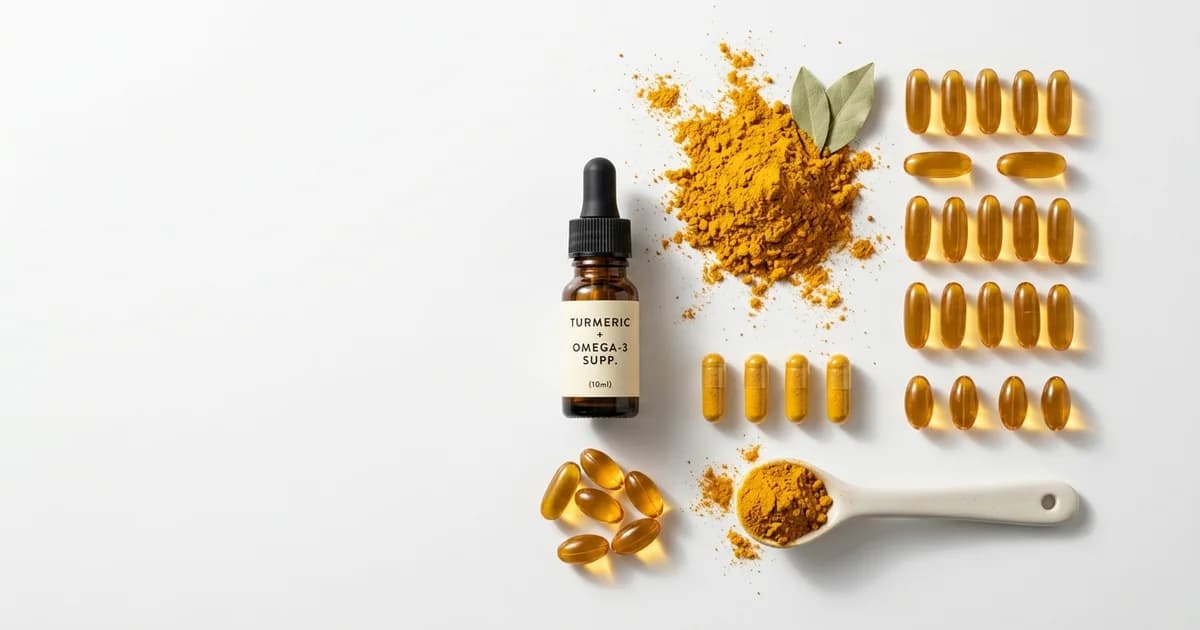
2. Curcumin (Turmeric Extract)
Curcumin ranks among the best supplements for brain inflammation, and for good reason. It modulates the same NF-κB and NLRP3 inflammasome pathways that drive chronic neuroinflammation.
A 2025 narrative review in PMC detailed curcumin's multimodal effects on neurological disorders. The compound targets microglial cells directly, which are the primary immune effectors in the brain. The review highlighted improved bioavailability formulations that increase permeability across the blood-brain barrier.
A meta-analysis on curcumin and traumatic brain injury published in Frontiers in Neurology found that curcumin supplementation reduced markers of both inflammation and oxidative stress. As a brain repair supplement, curcumin addresses multiple pathways simultaneously.
The catch: Standard curcumin has terrible bioavailability. You need a formulation with piperine (black pepper extract) or a lipid-based delivery system to get meaningful absorption.
Typical dose: 500 to 1,000mg of enhanced-bioavailability curcumin daily.
3. L-Theanine
L-theanine is an amino acid found naturally in green tea that crosses the blood-brain barrier with ease. Most people know it as a calming agent. Fewer know it has direct anti-inflammatory properties in the brain.
A study published in Nature's npj Science of Food demonstrated that L-theanine exerts antidepressant effects mediated by its blood-brain barrier permeability and its anti-inflammatory and antioxidant properties. The research showed L-theanine restored serotonin, dopamine, and GABA levels that had been depleted by chronic stress.
A randomized, placebo-controlled trial published in PMC tested 200mg of L-theanine daily for four weeks in healthy adults and found improvements in stress-related symptoms and cognitive function.
Research published in the Biomedical and Pharmacology Journal concluded that L-theanine protects against chronic stress-induced neuroinflammation by reducing cytokine expression in the frontal cortex and preventing hippocampal apoptosis.
Among brain fog supplements that work, L-theanine stands out because it sharpens attention without the jittery overstimulation of caffeine alone. Paired with a low dose of caffeine, it creates a clean, sustained focus state.
Typical dose: 100 to 200mg daily, or paired with 40 to 100mg caffeine.
4. Magnesium (L-Threonate Form)
Most adults are magnesium deficient. Your brain notices first.
Magnesium L-threonate is the only form specifically studied for its ability to cross the blood-brain barrier and increase brain magnesium concentrations. It supports synaptic density, calms overactive NMDA receptors (a known driver of neuroinflammation), and promotes neuroplasticity.
Among brain and memory supplement options, magnesium L-threonate stands out because it addresses both the structural and inflammatory components of cognitive decline. When evaluating the best supplements for brain inflammation, this form of magnesium deserves serious consideration.
Typical dose: 1,000 to 2,000mg magnesium L-threonate daily (delivering approximately 144mg elemental magnesium).
5. NAD+ Precursors (NMN / NR)
NAD+ levels decline with age, and that decline correlates directly with increased neuroinflammation and mitochondrial dysfunction. Replenishing NAD+ through precursors like nicotinamide mononucleotide (NMN) or nicotinamide riboside (NR) is one of the more promising strategies in brain health research.
A 2025 report from ScienceDaily highlighted early clinical evidence showing NAD+ supplementation improved fatigue and brain fog in long COVID patients. While the research is still in its early stages, the mechanistic rationale is strong: NAD+ fuels mitochondrial energy production and supports DNA repair in neurons. NAD+ precursors are emerging as effective supplements brain fog sufferers should consider.
Typical dose: 250 to 500mg NMN or NR daily.
6. Vitamin D
Vitamin D receptors are distributed throughout the brain, and deficiency is linked to increased neuroinflammation, impaired cognitive function, and elevated risk of neurodegenerative conditions. For a compound that's free from sunlight, the number of people running low is staggering.
If your best supplements for brain inflammation stack doesn't include vitamin D, get your blood levels tested. Optimal serum levels (40 to 60 ng/mL) are associated with better cognitive outcomes and lower inflammatory markers.
Typical dose: 2,000 to 5,000 IU daily, ideally with a fat-containing meal for absorption.
7. Resveratrol
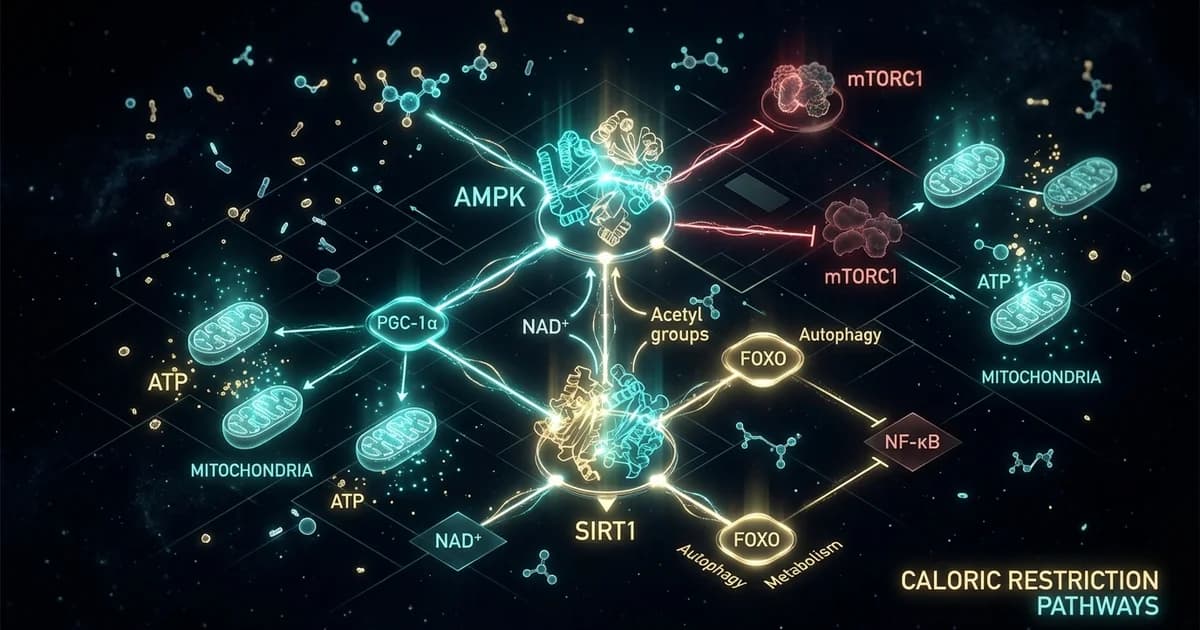
Resveratrol, the polyphenol found in red grapes and berries, activates the SIRT1 pathway, which regulates inflammation and cellular aging in the brain. It also modulates microglial activation, the same process that drives chronic neuroinflammation when left unchecked.
The evidence is more preliminary than omega-3s or curcumin, but the mechanistic data is compelling enough to include on this list of best supplements for brain inflammation. Resveratrol also improves cerebral blood flow, which supports nutrient delivery to neurons.
Typical dose: 150 to 500mg daily of trans-resveratrol.
How to Build a Best Supplements for Brain Inflammation Stack That Works
You don't need all seven of these. You need the right combination at the right doses.
A strong foundation looks like this:
- Omega-3s for structural support and baseline anti-inflammatory coverage
- Curcumin for targeted NF-κB and inflammasome modulation
- L-theanine + low-dose caffeine for daily focus without inflammatory stress responses
- Magnesium L-threonate to fill the gap most people don't know they have
That's four brain repair supplements, four bottles, and a daily routine that requires actual commitment to maintain.
The Nootropic Stack, Simplified
If the idea of managing multiple supplements brain fog products sounds like a second job, you're not wrong. Dosing, timing, and quality control across four or five different products adds friction that most people eventually abandon.
Roon takes a different approach. It's a zero-nicotine sublingual pouch built around a focused nootropic stack: 80mg caffeine, L-theanine, theacrine, and methylliberine. The sublingual delivery means faster absorption than capsules, and the combination is designed to deliver 6 to 8 hours of sustained focus without the jitters, crash, or tolerance buildup that comes with stimulants.
Roon's nootropic pouches won't replace your omega-3s or your curcumin. But for the daily focus and energy component of your best supplements for brain inflammation stack, it removes the guesswork entirely. One pouch. Pre-dosed. Ready when you are.
Check out Roon and see what a simplified nootropic stack feels like.