Free U.S. shipping on orders $45+ · Subscribe & save

Caffeine and L-Theanine: Why the Pairing Works and How to Get More from It

L-theanine does not cancel caffeine, it refines it. The research behind the pairing, the ratios studied, and why delivery route matters.

By Roon Team8 min readReviewed August 2, 2026
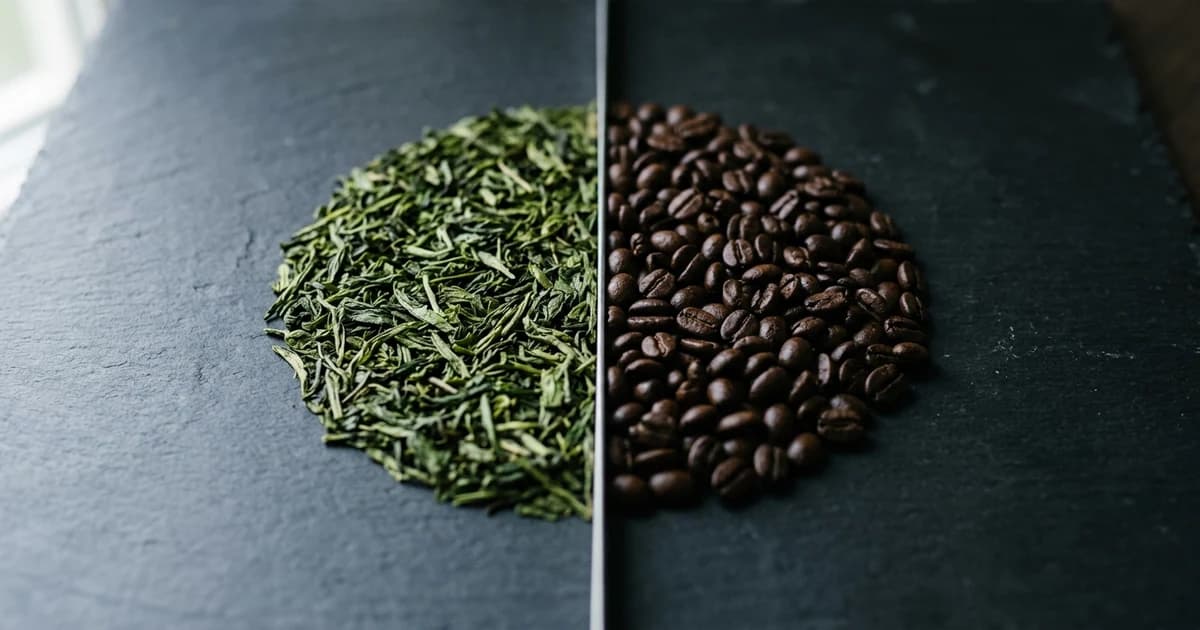
Loose green tea leaves and roasted coffee beans side by side on stone

Caffeine and L-theanine work because they solve each other's problems. Caffeine sharpens alertness but scatters your attention and leaves you jittery. L-theanine smooths those edges without dulling the stimulation. The combination, backed by more than a decade of randomized human trials, delivers cleaner focus than either compound alone.

That much is well-established science. What most explainers miss is that how you deliver these molecules matters almost as much as the molecules themselves. Swallowing a capsule and parking a pouch against your gum are not the same experience, even at identical doses.

This piece covers the mechanism, the evidence, the ratio question, and the delivery variable that changes what you actually feel.

Key takeaways

  • L-theanine does not cancel caffeine. It refines the stimulation, reducing jitter and the scattered feeling while preserving alertness. Think of it as a filter, not an off switch.
  • The 2:1 ratio (L-theanine to caffeine) is the most studied, but positive results appear at ratios from roughly 2.4:1 down to about 1:1.
  • Delivery route changes the onset. Swallowed caffeine takes 20 to 45 minutes to peak. Caffeine absorbed through the oral mucosa reaches the bloodstream faster, with felt onset in as little as 5 to 10 minutes.
  • Methylliberine and theacrine have much thinner evidence bases than caffeine and L-theanine, but early pharmacokinetic data on methylliberine's effect on caffeine clearance is striking.

What L-theanine actually is

L-theanine is a non-protein amino acid found almost exclusively in the leaves of Camellia sinensis, the tea plant. A 2022 review in Frontiers in Nutrition describes it as one of the most important bioactive substances in tea, responsible for the characteristic umami flavor of high-quality green tea. A typical cup of green tea contains roughly 25 mg of L-theanine, though the amount varies with cultivar, shading, and brewing time.

What makes L-theanine interesting for focus is its ability to cross the blood-brain barrier and increase alpha-band brain wave activity (8 to 13 Hz), the frequency pattern associated with wakeful relaxation. EEG studies consistently show this shift within 30 to 60 minutes of ingestion. It also modulates GABA, the brain's primary inhibitory neurotransmitter, which calms neural activity without causing sedation. That distinction matters: L-theanine promotes calm without making you drowsy.

The result is a neurochemical profile that complements caffeine almost perfectly. Caffeine increases arousal and reaction speed. L-theanine smooths the arousal curve. Together, you get alertness without the rough edges.

What the human research shows for caffeine plus L-theanine

The evidence base here is unusually strong for a supplement combination. Multiple randomized, placebo-controlled trials have tested the pairing, and a 2014 systematic review and meta-analysis by Camfield et al. pooled 11 randomized, placebo-controlled studies of tea constituents, including caffeine, L-theanine, and epigallocatechin gallate, alone and in combination, to look at the net effect.

Attention and task switching

A randomized, double-blind, crossover study by Einöther et al. (2010) tested 97 mg L-theanine plus 40 mg caffeine against placebo. The combination significantly improved attention on a switch task, a measure of how well you redirect focus between competing demands.

A separate study by Giesbrecht et al. (2010) found that moderate doses improved cognitive performance and self-reported alertness compared to placebo. The authors concluded that the pairing "helps to focus attention during a demanding cognitive task." And Haskell et al. (2008) tested a higher dose (250 mg L-theanine, 150 mg caffeine) and reported improvements in sentence verification accuracy and numeric working memory reaction time, with the combination outperforming either ingredient alone.

The Camfield meta-analysis

The Camfield et al. (2014) meta-analysis found that caffeine plus L-theanine increased attention-switching accuracy, improved unisensory visual attention accuracy in the first and second hours post-dose, and produced a moderate effect on alertness one hour after administration. The consistent finding across studies: the combination does not simply add caffeine's stimulation to L-theanine's calm. It produces a qualitatively different attentional state, one that is alert but stable.

Why "L-theanine cancels caffeine" is the wrong model

This misconception persists because L-theanine is often described as "relaxing," which sounds like the opposite of caffeine. But the research is clear. L-theanine does not reduce caffeine's alertness benefit. What it does is take the edge off the jitter and the scattered feeling. The correct mental model: L-theanine refines caffeine. It narrows the stimulation from broad arousal to directed attention. The alertness stays. The noise drops.

The ratio question

If you search for caffeine and L-theanine, ratio questions come up constantly. Here is what the research actually tested.

StudyL-TheanineCaffeineRatio (L-theanine : caffeine)Key finding
Einöther et al., 201097 mg40 mg2.4:1Improved task-switching accuracy
Giesbrecht et al., 2010~97 mg~40 mg~2.4:1Improved cognitive performance and alertness
Haskell et al., 2008250 mg150 mg1.7:1Improved working memory and reaction time
Owen et al., 2008100 mg50 mg2:1Improved attention and reduced distractibility
Kelly et al., 2008100 mg50 mg2:1Improved attention task hit rate

The most studied ratio is roughly 2:1 (L-theanine to caffeine). But positive results appear across the range. There is no single "correct" ratio, and no study has directly compared ratios against each other in the same trial. The consistent signal is that the combination works; the exact proportions vary by study and dose.

Some oral pouches and nootropic stacks use closer to a 1:1 ratio or even tip the balance toward more caffeine. An 80:60 (caffeine-to-L-theanine) formulation, for example, sits at roughly 0.75:1, which delivers a stronger stimulant signal while still providing L-theanine's smoothing effect. Whether you prefer more L-theanine or more caffeine depends on your sensitivity and your goal. For a deeper look at how a four-ingredient nootropic stack can build on this pairing, see this breakdown of synergistic nootropic ingredients that beat caffeine alone.

Delivery route changes the experience

Here is the part that most caffeine-and-L-theanine guides skip entirely: the same milligrams can feel different depending on how they reach your bloodstream.

Why swallowed caffeine is slow

A capsule or drink enters the stomach, passes through the gut wall, travels through the portal vein to the liver (first-pass metabolism), and only then reaches systemic circulation. That sequence is why coffee typically takes 20 to 45 minutes to peak. A heavy meal slows it further. A 2002 pharmacokinetic study by Kamimori et al. found that caffeine delivered through chewing gum (partially absorbed through the buccal mucosa) reached peak plasma levels faster than the same dose in capsule form.

Why oral-mucosal delivery is faster

The lining of your mouth, particularly under the tongue and along the cheeks, is thin, highly vascularized tissue. Substances absorbed here enter the bloodstream directly, bypassing the GI tract and first-pass liver metabolism. A 2019 study published in Frontiers in Pharmacology confirmed that a micronized caffeine oral film delivered faster absorption and earlier EEG changes compared to swallowed formats.

This is why an oral pouch with caffeine and L-theanine produces a felt onset of 5 to 10 minutes. The molecules are the same. The route is different. The experience is different.

The half-life extension

This is where the stack moves beyond caffeine plus L-theanine and into newer territory. A randomized, double-blind, crossover pharmacokinetic study (n=12) tested 100 mg of methylliberine (Dynamine) co-administered with 150 mg of caffeine and found that methylliberine cut caffeine's oral clearance from 41.9 to 17.1 L/hr and extended its half-life from 7.2 to 15 hours, with no increase in peak concentration.

Read those numbers carefully. The peak stays the same. The tail gets longer. Roon uses a much lower dose of methylliberine (25 mg versus the study's 100 mg) alongside less caffeine (80 mg versus 150 mg), so the magnitude of the effect in the pouch will differ from the study's results. Still, the mechanism is the same: methylliberine slows caffeine clearance. The company's reported felt window of 6 to 8 hours (versus coffee's typical 3 to 4) reflects that mechanism operating at the product's lower dose, not a direct study endpoint.

A necessary caveat: this is a single study with 12 subjects. Methylliberine's evidence base is thin compared to the decades of research behind caffeine and L-theanine. The same is true for theacrine (TeaCrine), which has early data suggesting it does not build tolerance the way caffeine does, but which also lacks large-scale trials. Be precise about what you know and what you are extrapolating from. The caffeine-plus-L-theanine pairing is well-supported. The Dynamine and TeaCrine additions are promising but early-stage.

The trade-off of a longer half-life: do not take it late. A 15-hour half-life is not 15 hours of felt energy. But it does mean caffeine clears your system more slowly, and taking it too close to bedtime will cost you sleep. A reasonable rule of thumb is to stop at least 8 hours before bed.

Roon: the caffeine and L-theanine stack in a pouch

Everything above points to a specific design problem. Caffeine and L-theanine work. Delivery speed matters. Duration matters. So the question becomes: what is the simplest format that puts all of those variables together?

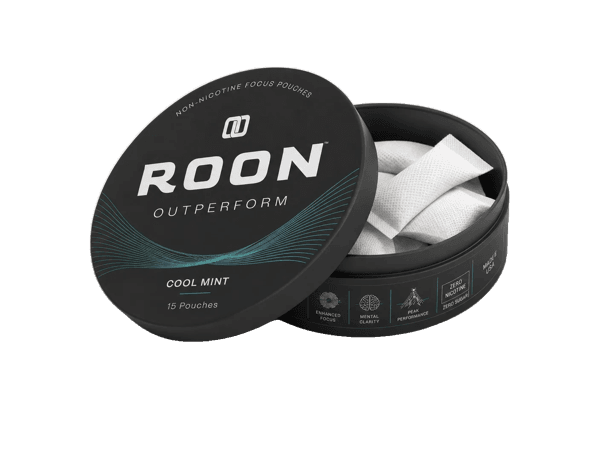
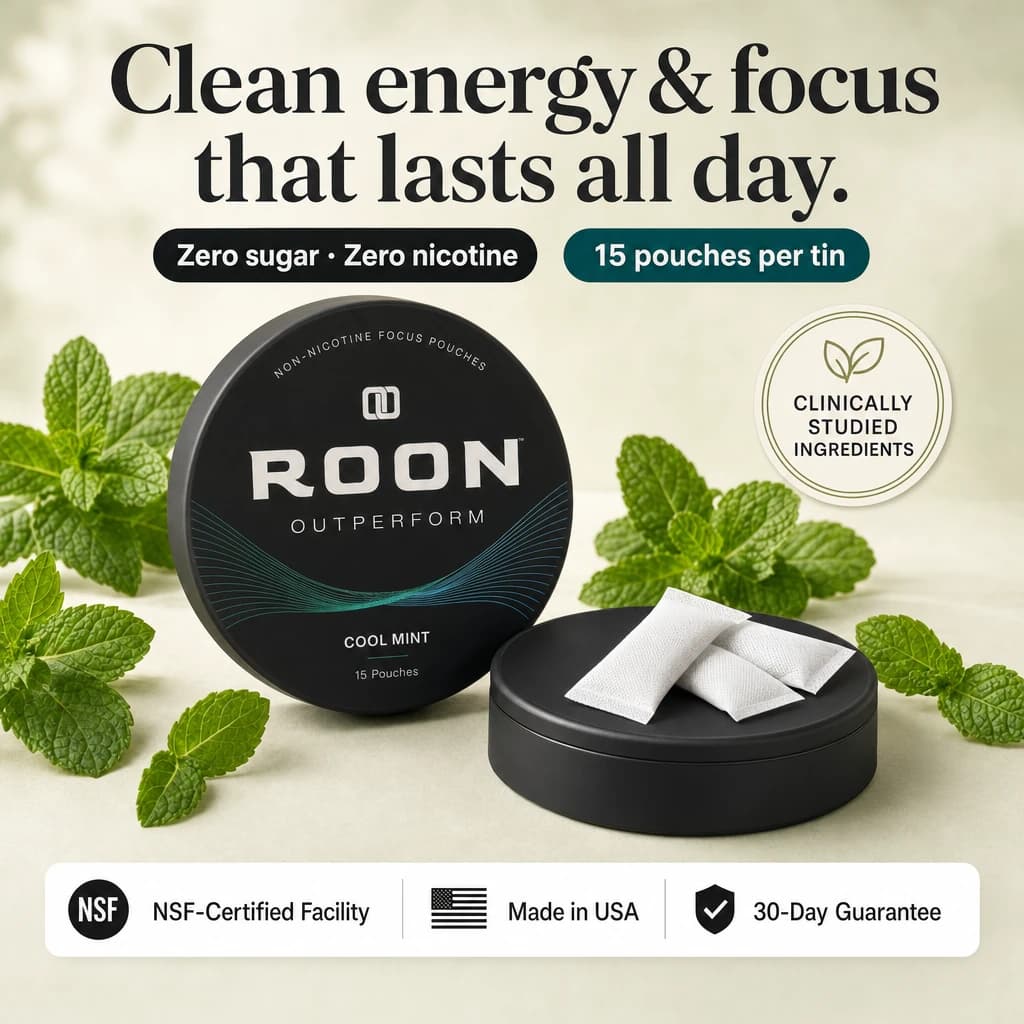
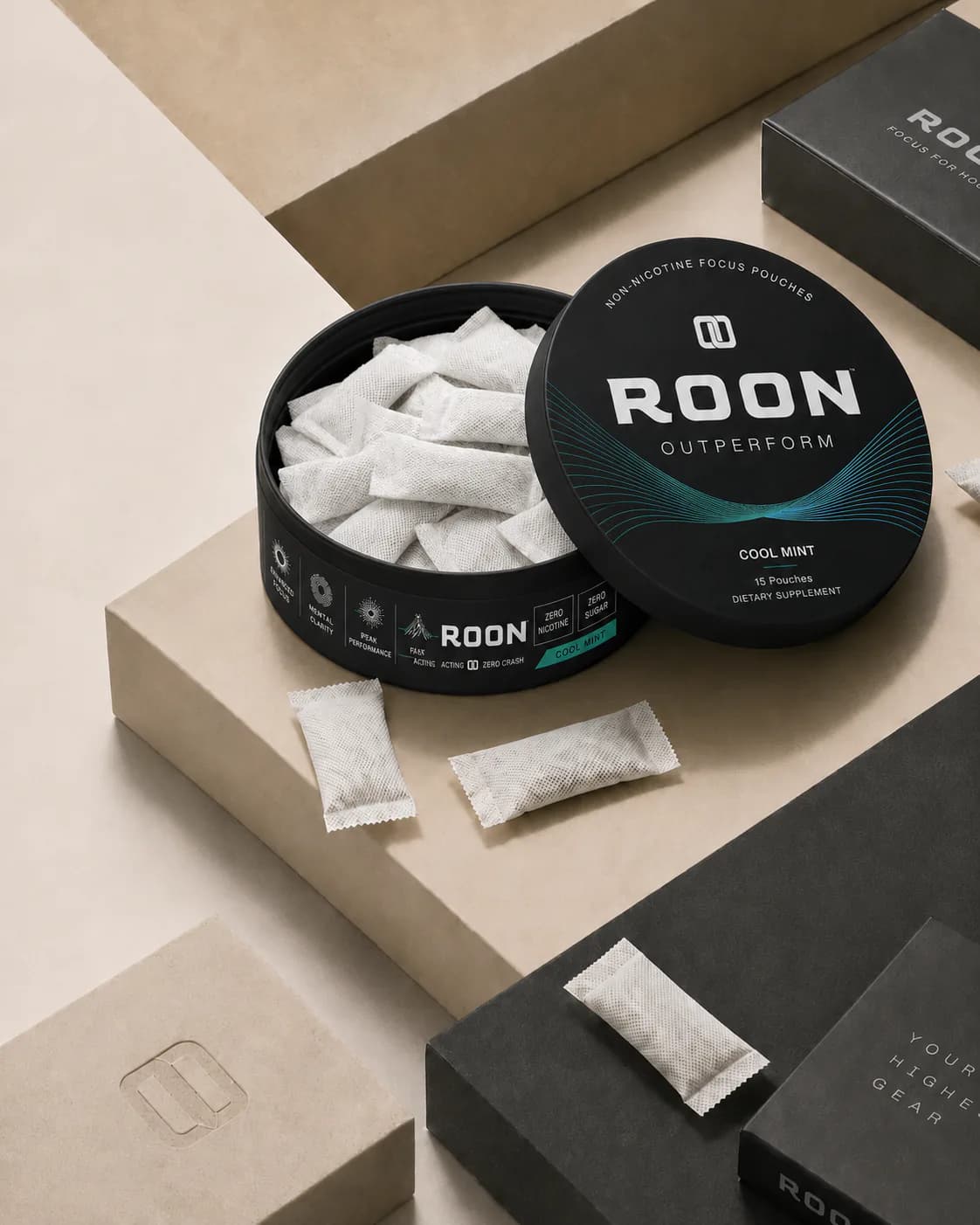
Roon is a zero-nicotine, zero-tobacco oral pouch. Cool Mint flavor, 15 pouches per tin. You park it between your lip and gum for 20 to 40 minutes. Each pouch contains:

  • 80 mg caffeine (about one small cup of coffee)
  • 60 mg L-theanine
  • 25 mg methylliberine (Dynamine)
  • 5 mg theacrine (TeaCrine, from material standardized to 40% theacrine)

Because the pouch absorbs through the oral mucosa, felt onset is 5 to 10 minutes. Because methylliberine slows caffeine's clearance, the felt window stretches to 6 to 8 hours, peaking at about 30 to 60 minutes and tapering gradually rather than crashing. Zero sugar, no liquid, no brewing.

What Roon characterizes as a 2.5x caffeine effect refers to the full four-ingredient stack working together, not a claim that any single ingredient multiplies caffeine. L-theanine refines the stimulation. Methylliberine extends the duration. Theacrine contributes a mild stimulant effect that, based on early research, does not build tolerance the way caffeine itself does.

Roon is sold in 4-tin bundles (the smallest purchase). Pricing starts at as little as $9.16 per tin ($0.61 per pouch) with a 12-tin subscription. The one-time 4-tin bundle is $14.99 per tin ($1.00 per pouch). The product has a 4.9 out of 5 rating from 120 reviews, with 108 five-star and 12 four-star reviews.

Roon is not a substitute for sleep, proper nutrition, or medical care. It is a delivery system that puts a well-studied ingredient pair (caffeine and L-theanine), plus two promising but earlier-stage compounds (methylliberine and theacrine), into a format designed for speed and duration. For a closer look at the science behind the caffeine and L-theanine pairing specifically, see this detailed breakdown of the stack.
Common questions

What does L-theanine do when combined with caffeine?
L-theanine refines caffeine's stimulation. It reduces jitter and the scattered, over-aroused feeling while preserving the alertness and reaction-speed benefits. Multiple randomized, placebo-controlled trials show the combination improves task-switching accuracy and sustained attention better than either ingredient alone. L-theanine does not sedate you or cancel out caffeine; it narrows the stimulation into more focused attention.
What is the best ratio of L-theanine to caffeine?
The most commonly studied ratio is 2:1 (L-theanine to caffeine), typically 200 mg L-theanine with 100 mg caffeine. But positive results appear at ratios from 2.4:1 down to roughly 1:1. No study has directly compared ratios in the same trial, so "best" depends on your caffeine sensitivity and goals. Higher L-theanine relative to caffeine produces a calmer effect; higher caffeine produces a stronger stimulant signal.
How fast does caffeine work in a pouch versus a pill?
Swallowed caffeine (coffee, capsules, energy drinks) typically takes 20 to 45 minutes to peak because it must pass through the stomach, gut, and liver. Caffeine absorbed through the oral mucosa from a pouch bypasses the GI tract and enters the bloodstream directly, producing felt effects in 5 to 10 minutes.
Is the caffeine in Roon a lot?
Roon contains 80 mg of caffeine per pouch, which is roughly equivalent to one small cup of brewed coffee. It is not a megadose. The extended felt duration of 6 to 8 hours comes from methylliberine slowing caffeine's clearance, not from a large caffeine dose.
Does L-theanine reduce caffeine's effectiveness?
No. Human trials consistently show that adding L-theanine to caffeine preserves or improves cognitive performance. The Camfield et al. (2014) meta-analysis of 11 randomized controlled trials found the combination improved attention-switching accuracy and alertness. L-theanine refines the quality of the stimulation; it does not blunt it.
Can I take caffeine and L-theanine before bed?
Caffeine has a half-life of roughly 5 to 7 hours on its own, and longer when combined with methylliberine. Taking a caffeine-containing product too close to bedtime will impair sleep quality. Roon's guidance is to stop at least 8 hours before you plan to sleep. L-theanine alone does not impair sleep and may modestly support it, but that benefit disappears when it is paired with caffeine.
Are methylliberine and theacrine as well-studied as caffeine and L-theanine?
No. Caffeine is one of the most studied psychoactive compounds on Earth, and L-theanine has a solid base of randomized controlled trials spanning more than a decade. Methylliberine (Dynamine) and theacrine (TeaCrine) are earlier-stage ingredients with smaller studies and shorter track records. The pharmacokinetic data on methylliberine extending caffeine's half-life is real, but it comes from a single 12-subject study that used four times the methylliberine dose found in Roon. Treat these ingredients as promising, not proven at the same level.

Roon Cool Mint, in full

Everything below is the product itself: what is in each pouch, how it is meant to be used, what other people made of it, and how it compares.

See the pouch
Slide 1 of 10

Cool Mint Focus Pouches

4.9(120 reviews)
600+ recently added to cart
Subscribe & SaveUp to 54% off

2-month supply

Ships every 8 weeks. Skip or cancel anytime.

$84.96$159.92Save $74.96 · 47% off
  • Ships every 8 weeks. Skip or cancel anytime.
  • Free shipping on every order
$1.52/day$10.62 / tin

That works out to about 3.5 tins free.

Secure CheckoutFree Shipping $45+30-Day Guarantee

Ships next business day from California

  • NSF-Certified Facility
  • Made in USA
  • Zero Nicotine
  • Zero Sugar
  • Focus pouches for smooth, focused energy. No jitters, no crash.
  • Kicks in within 5 to 10 minutes and holds steady for 6 to 8 hours.
  • Clear-headed calm under pressure, even on your busiest back-to-back days.
  • Caffeine, Dynamine, TeaCrine + L-theanine: 2.5x caffeine effect, calm and clean.
Recommended Use & Warnings

Recommended use

  • One pouch, tucked between your cheek and gum. Upper or lower, your call.
  • Hold for 15 to 30 minutes, or until the flavor fades. No chewing, no swallowing.
  • Feel it in 5 to 10 minutes. Sharp focus for 6 to 8 hours.
  • Pouch and contents are not intended to be consumed. Toss when done.

Warning

This product is not recommended for children, pregnant or lactating women, and individuals sensitive to caffeine. Consume responsibly. Not recommended for use with caffeine or other stimulants. Do not consume more than 400 mg of caffeine per day. Choking hazard. Do not swallow pouch.

These statements have not been evaluated by the Food and Drug Administration. This product is not intended to diagnose, treat, cure, or prevent any disease.

Delivery & Returns

Delivery

  • Free US shipping on orders $45+.
  • Order by 12pm PST and it ships same-day from California.
  • 2 to 5 day USPS delivery, tracked.

Returns

  • First orders get a 30-day money-back guarantee, with nothing to send back.
  • After that, all sales are final since Roon is a consumable supplement.
  • Questions or a damaged order? hello@takeroon.com.

Benefits of daily use

  • Cognitive staminaPower through without the brain fog.
  • Clean, sustained energyL-theanine smooths out the caffeine.
  • Deep work on demandLock in within minutes of use.
  • No crashTapers off gently so your evening stays yours.

The Roon stack

What's in a pouch?

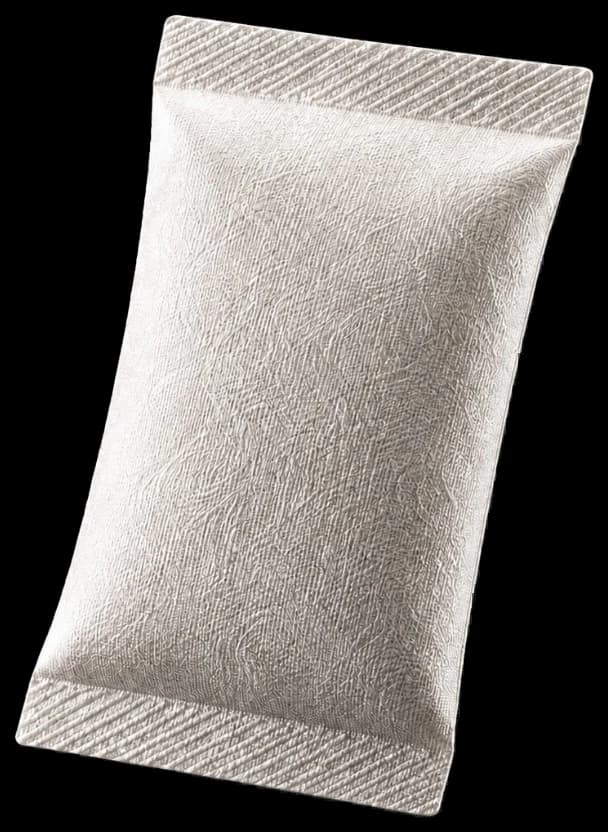
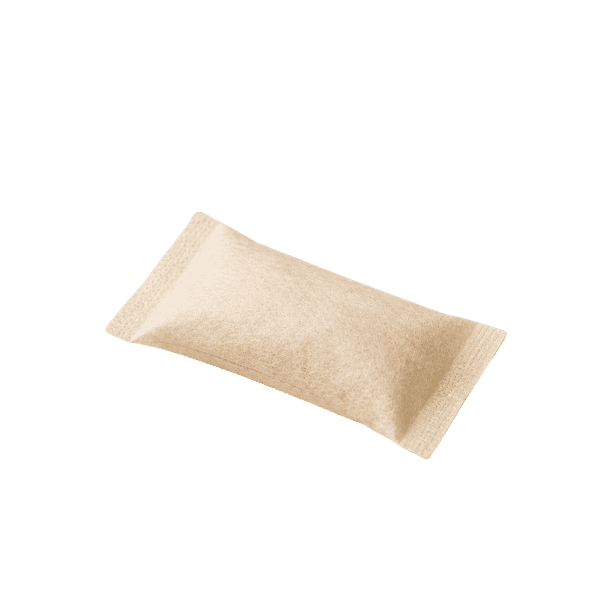
A single Roon focus pouch
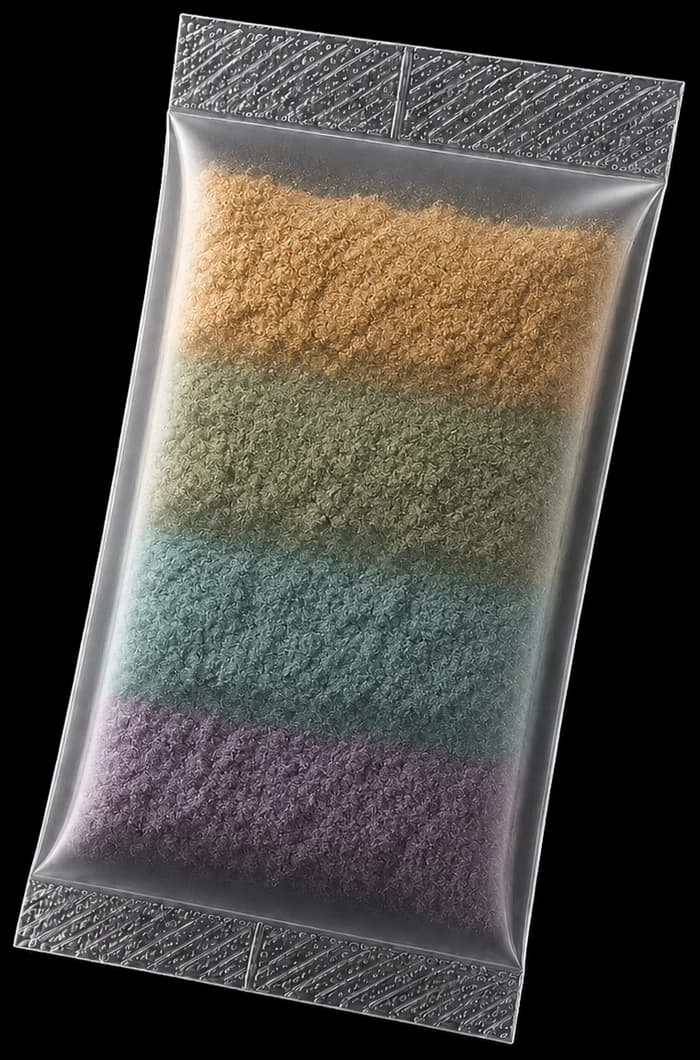
Roon pouch with four ingredient powder layers visible inside
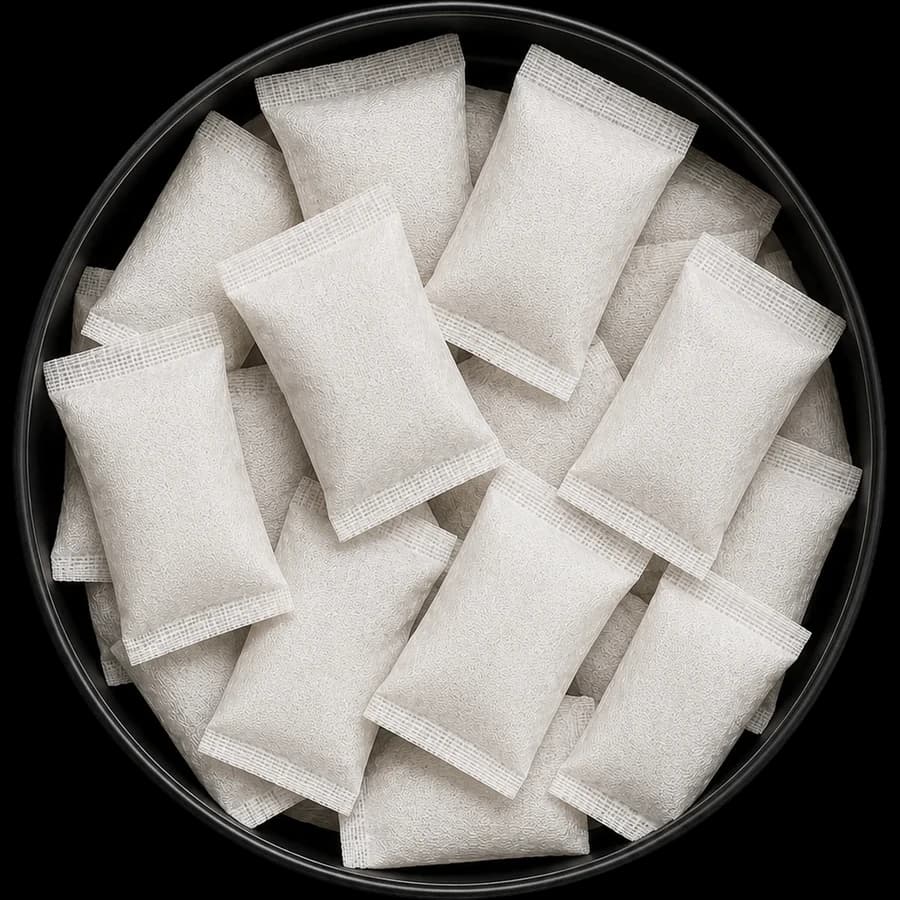
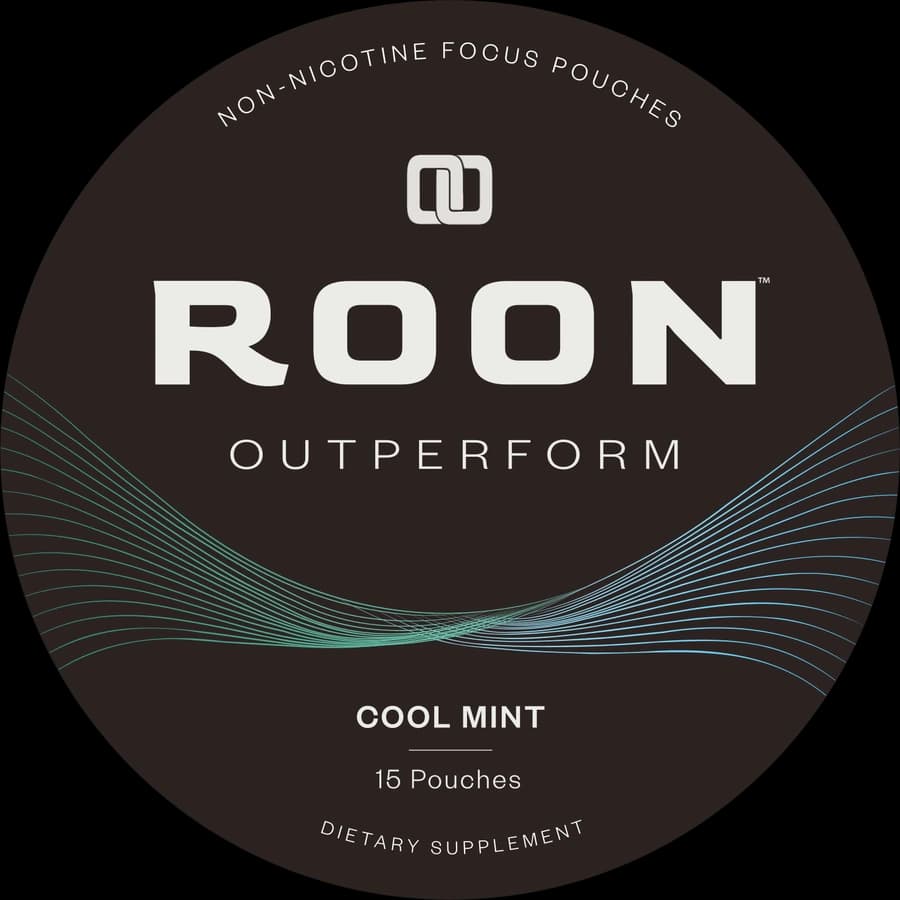
Roon Focus Pouches tin, top-down, lid printed Roon / outperform / cool mint

Caffeine

Fast, clean lift. Sharp focus in minutes.

Methylliberine

Extends caffeine 2.5× for lasting energy, smooth come-down.

TeaCrine®

Smooth, extended focus on the back end.

L-Theanine

Calm clarity. No jitters, no edge.

Zero nicotineZero sugarBold cool mint15 pouches

Clean energy. Calm focus. No crash.

Onset in minutes. A soft step down.

PLACE

A pouch against your gum.

ABSORB

It absorbs through the gum. No swallowing.

ACTIVATE

Feel it in 5 to 10 minutes.

PERFORM

Steady focus for 6 to 8 hours.

The science

One curve.
Four reasons it lasts.

Plain caffeine spikes and fades. Roon’s four ingredients each step in at a different point to keep the curve flat and long. Tap one to see what it does.

RoonCaffeine alone
Illustrative curve. Studies examine Roon’s active ingredients, not the finished product.
0h2h4h6h8h
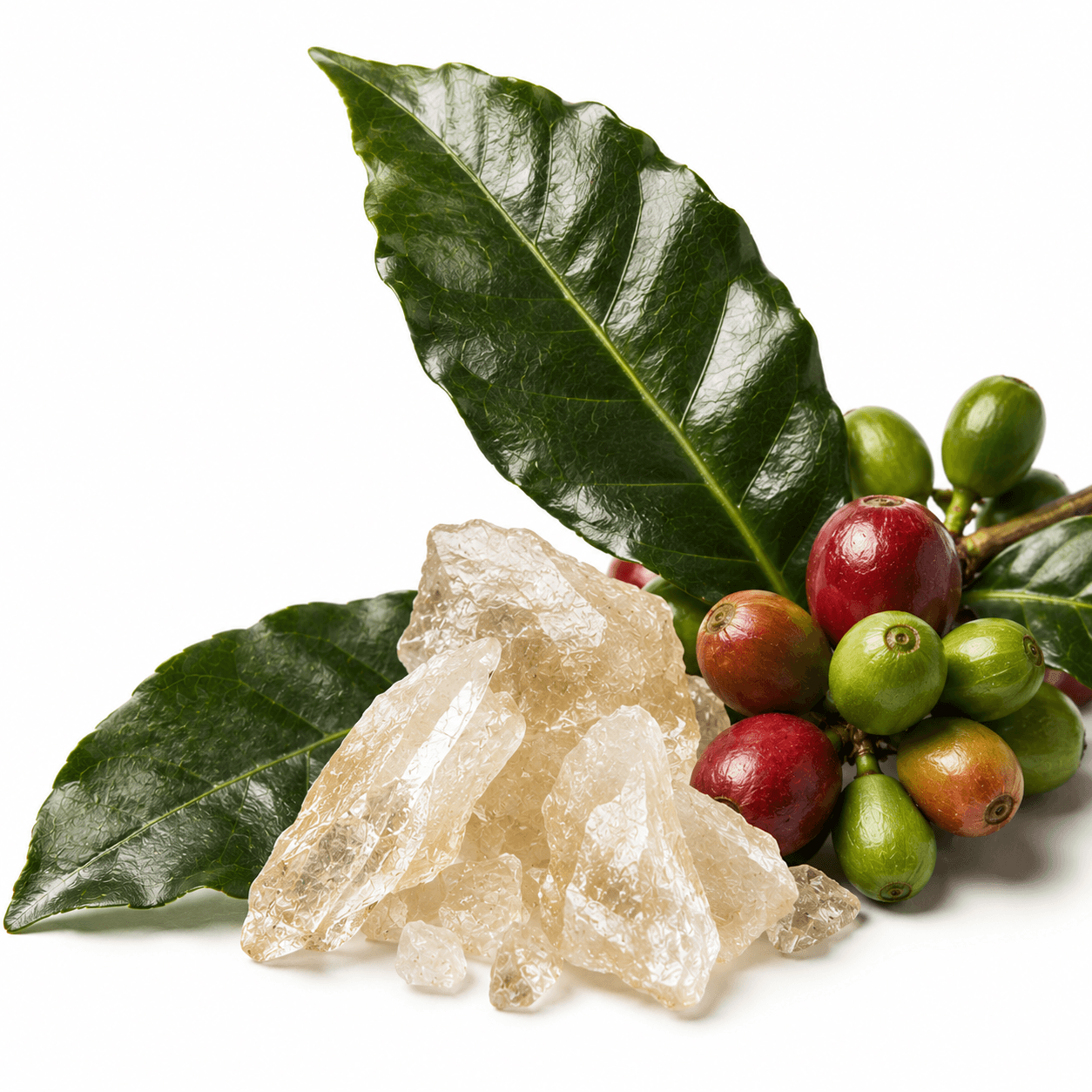
Camellia leaves, kucha resin crystals, and coffee berries, botanical sources for methylliberineThe fast kick

Methylliberine (Dynamine®)

25 mg

The fast kick and the extender. Hits in 5 to 10 minutes for a quick, clean lift, then stretches the energy curve so it lasts instead of spiking and fading.

Caffeine + Dynamine® + TeaCrine®, Cureus 2021

What to expect

From your first pouch to your everyday.

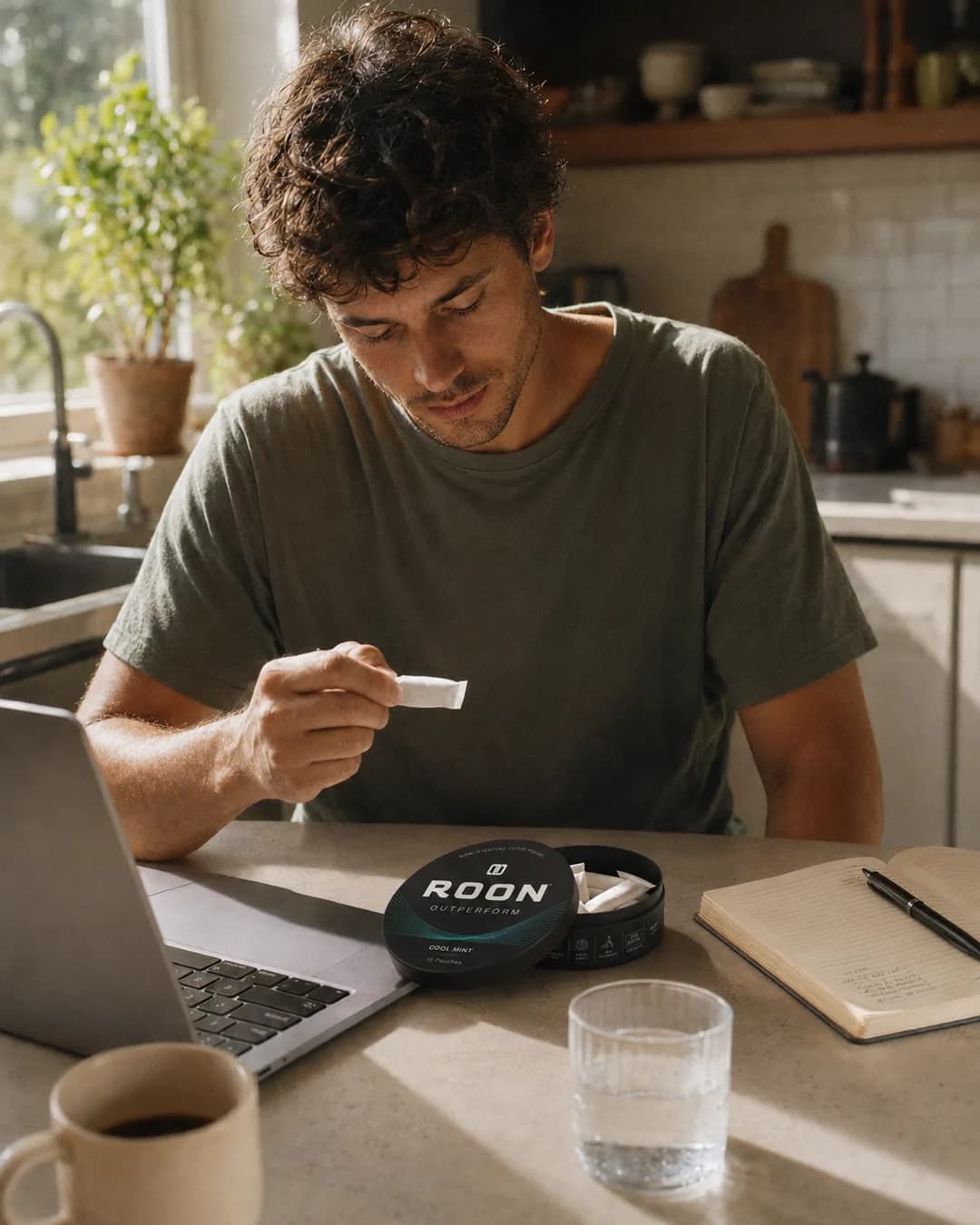
  1. Trying a Roon pouch for the first time at a sunlit kitchen counter
    Day one

    Your first pouch

    Tuck one in. A clean lift in 5 to 10 minutes that holds for 6 to 8 hours, then eases off with no crash.

  2. Working in focus with a tin of Roon on the desk
    First week

    Your first week

    Find your timing. Most swap it for a second or third coffee before deep work, the gym, or a long drive.

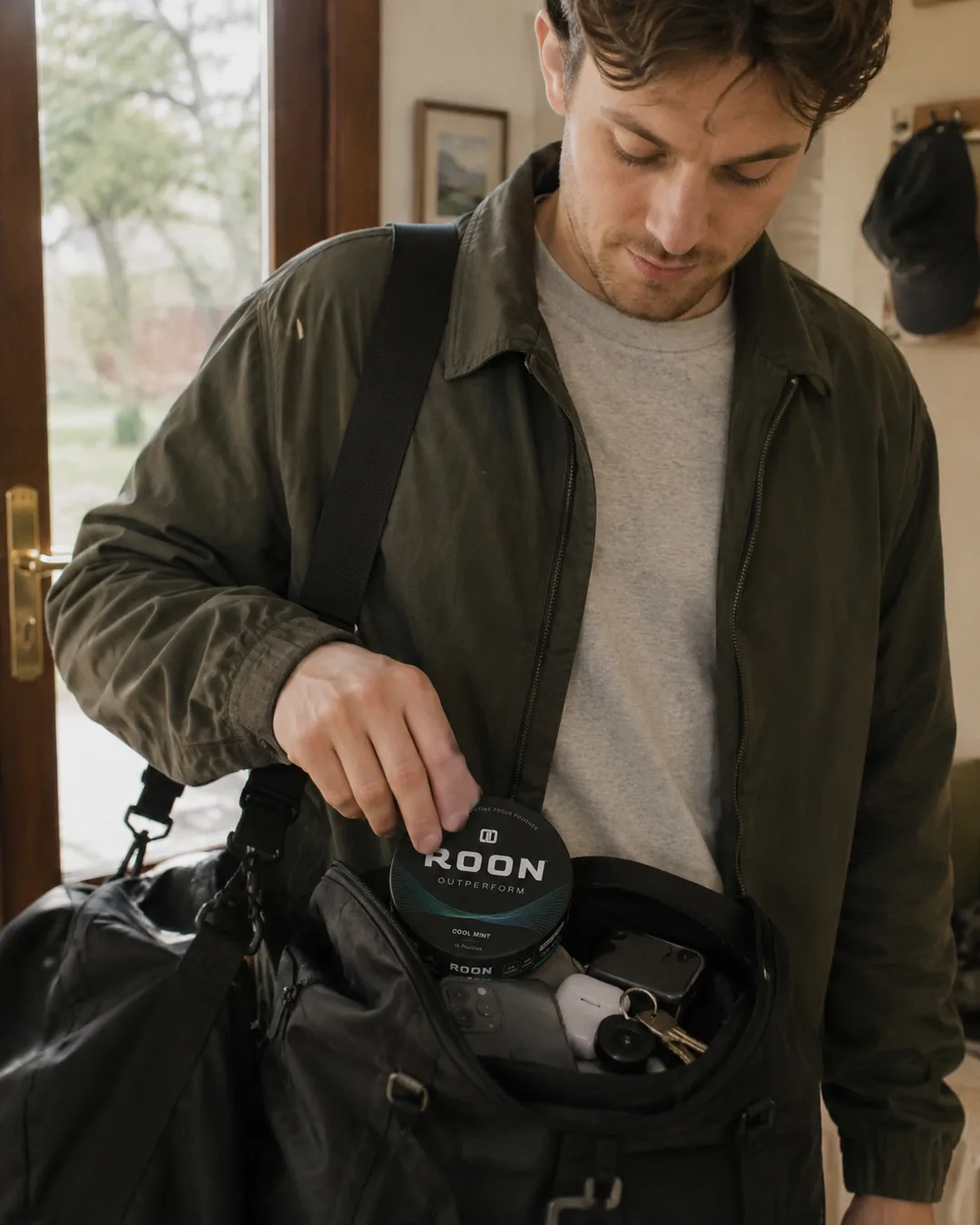
  3. Slipping a tin of Roon into a bag on the way out the door
    Ongoing

    Making it a habit

    Built for daily use. Dynamine and TeaCrine resist the tolerance caffeine builds, so it stays effective.

Customers love Roon.

Rated 4.9 out of 5 across 120 reviews, in their own words, exactly as written.

Used one before a three-hour budgeting session and settled into the work without the buzzy edge I get from another coffee. The focus felt calm and consistent, and I finished the block without thinking much about the pouch.
Devon A.Roon customerDeep work
This replaced the second coffee I used to grab during long workdays. It is portable, sugar-free, and easy to use at my desk, with a mint taste that makes the routine feel familiar without another drink taking up space.
Talia R.Roon customerCoffee swap
Pouches are not usually my thing, so expectations were low. This one won me over during a report rewrite: easy placement, cool mint, and a noticeable lift that felt more focused than grabbing another coffee.
Javier S.Roon customerSkeptic at first
I use these on train commutes and between appointments when carrying a drink is a hassle. The tin fits in my pocket, the pouch stays discreet, and I get a noticeable lift without stopping for coffee.
Andre K.Roon customerCommute
The pouch felt slimmer than I expected and settled comfortably against my gum. Cool Mint has a clear, refreshing taste without coming across sugary, so the whole experience felt easy to use while reading or answering messages.
Mei K.Roon customerFlavor & feel
Good little focus pouch overall. The only thing I’d change is the flavor arc; the mint fades a bit earlier than I’d choose, around the later part of my 20-minute use. Still useful and easy to carry.

Leila Q.Roon customer

Compared

What you’d otherwise reach for.

Here is how Roon stacks up against the usual ways people chase focus.

RoonRoon
CoffeeCoffee
Energy drinkEnergy drink
Nicotine pouchNicotine pouch
Other pouchesOther pouches
Caffeine80 mg~95 mg200–300 mg0 mg100–200 mg
SynergistsYesNoNoNoNo
Fast onsetYesNoSometimesYesYes
Lasts 6-8hYesNoNoNoNo
No crashYesNoNoSometimesSometimes
No nicotineYesYesYesNoYes
No sugarYesYesNoYesYes

Questions?

Everything you need to know about Roon Focus Pouches.

Roon is a nicotine-free focus pouch. You place it against your gum and the active ingredients absorb directly for fast, clean energy and focus that lasts 6 to 8 hours. Four ingredients, zero nicotine, zero sugar.

Place one pouch against your gum. Leave it in for 15 to 30 minutes or until the flavor fades. Most users feel the effects within 5 to 10 minutes. One pouch per session is all you need.

Roon contains zero nicotine and is not addictive. The pouch format is used because oral delivery through the gums is faster and more efficient than swallowing a pill. Same ritual, completely different substance.

It is printed under the Roon wordmark on every lid. Outperform is the standard we set for the formula: 80 mg caffeine with 60 mg L-theanine, Dynamine and TeaCrine, in a nicotine-free pouch that lasts 6 to 8 hours.

Roon is designed for daily use. TeaCrine and Dynamine do not build tolerance the way caffeine alone does, so the formula stays effective day after day without needing to increase your dose.

Each pouch contains 80 mg of caffeine, about one small cup of coffee. The focus window is roughly 6 to 8 hours. As with any caffeine source, stop at least 8 hours before bed and you should be fine.

Trying Roon for the first time? Your first order is covered by a 30-day money-back guarantee. If you don't love it, whether the taste isn't for you, you didn't feel the benefit you hoped for, or it's just not the right fit, email us within 30 days of delivery for a full refund. No need to send anything back. The guarantee applies once per customer, on your first order.

A tin of Roon Cool Mint is $19.99 for 15 pouches, which works out to about $1.33 per pouch. On a subscription the price drops to $9.16 per tin, about $0.61 per pouch. Shipping is free on US orders over $45, and your first order is covered by a 30-day money-back guarantee.

The people behind Roon, outdoors at dusk

Why we made Roon

The first focus pouch built for hours of clean energy.

Without nicotine, without jitters, without crashing out after 4 hours. We built it because we needed it ourselves, something that helps people perform better and be better versions of themselves.

It is why the lid reads Roon, and underneath it, outperform.

We use Roon™ every day. We hope you do too.

Read our story

Ready to experience it?

Try Roon today.

Shop now

Free shipping on orders $45+ · 30-day guarantee on first orders