Wip Energy Pouches: What You Need to Know Before You Buy
Roon Team
Wip Energy Pouches: What You Need to Know Before You Buy
Wip energy pouches are one of the fastest-growing names in the caffeine pouch category. They promise clean energy in a tiny, nicotine-free pouch you tuck between your lip and gum. No liquid, no sugar, no smoke. Just caffeine absorbed through your mouth's soft tissue.
The pitch sounds simple. But a closer look at wip energy pouches, their ingredients, the dosing, the company's backstory, and the science behind oral caffeine delivery reveals a more complicated picture. Here's what you should actually know.
Key Takeaways
- Wip energy pouches contain 100mg or 200mg of caffeine from green coffee beans, along with B vitamins, chromium, and L-Theanine.
- The 200mg option delivers roughly as much caffeine as two cups of coffee in a single pouch, which raises questions about dosing control.
- Wip's co-founder has a controversial background in tobacco-adjacent marketing.
- Caffeine pouches sit in a relatively blurry regulatory space compared with more familiar beverage formats, between dietary supplements and novel oral products.
- Not all nicotine-free pouches are created equal. The ingredient stack matters more than the format.
What Are Wip Energy Pouches?
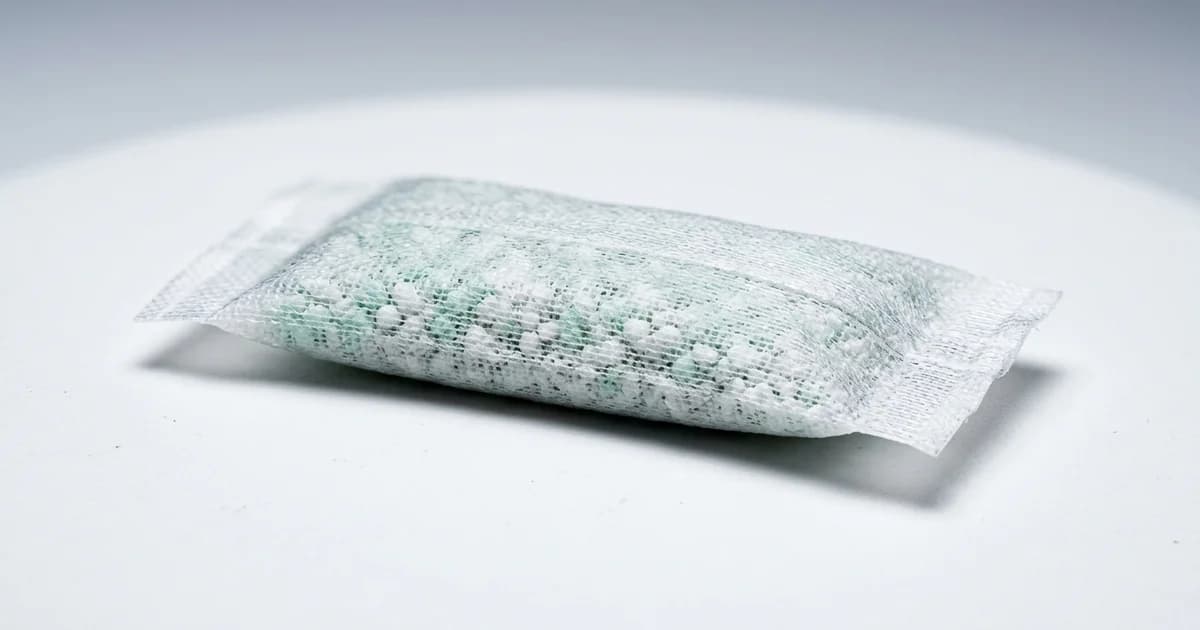
Wip is a caffeine energy pouch brand that launched in 2025, positioning itself as a modern alternative to energy drinks and coffee. The pouches are small, white, and designed to sit between your upper lip and gum, where caffeine is absorbed through the buccal mucosa (the lining of your mouth).
According to Wip's own product page, wip energy pouches use natural caffeine sourced from non-GMO green coffee beans, paired with B vitamins (Niacin, B6, B12) and chromium. L-Theanine is also on the label, listed under Other Ingredients with no amount. They come in four flavors: Mint, Sour Cherry, Orange Citrus, and Strawberry Kiwi.
The brand offers two strength levels: 100mg and 200mg of caffeine per pouch. Each can holds 15 pouches. A can currently runs $7.99, which works out to about $0.53 per serving. The $5.99 can price and $0.60 per serving in Wip's launch press release are launch figures, not the current ones.
Wip energy pouches are available on wip.com, Amazon, Walmart, and through delivery apps like Uber Eats.
How Wip Energy Pouches Work
The mechanism is straightforward. You place a pouch between your lip and gum. Saliva activates the pouch, and caffeine begins absorbing through the oral mucosa directly into your bloodstream.
This buccal absorption route has real science behind it. A study published in the International Journal of Pharmaceutics found that caffeine delivered through the buccal cavity (via chewing gum, in this case) was absorbed faster than caffeine swallowed in capsule form. The rate of absorption was measurably higher, though total bioavailability was comparable once normalized for the amount of caffeine released.
A separate review in the journal Psychopharmacology confirmed that caffeinated chewing gum is absorbed more quickly through the buccal mucosa compared to capsule delivery. The takeaway: oral-cavity absorption can speed up onset compared with swallowing a capsule. That means the effect may come on faster. This is the core delivery principle behind wip energy pouches and similar products.
Wip says most users keep the pouch in for about 20 minutes or longer, depending on flavor duration.
The Ingredient Breakdown
Here's what's actually inside a Wip pouch:
| Ingredient | Amount (200mg pouch) | Purpose |
|---|---|---|
| Natural Caffeine (green coffee bean) | 200mg | Primary stimulant |
| Niacin (Vitamin B3) | Varies | Energy metabolism |
| Vitamin B6 | Varies | Neurotransmitter support |
| Vitamin B12 | Varies | Energy metabolism |
| Chromium | Varies | Blood sugar regulation |
| L-Theanine | Not disclosed | Calm focus |
The caffeine source is straightforward. Green coffee bean extract is a well-studied, natural source of caffeine. B vitamins play a real role in energy metabolism at the cellular level, though most adults who eat a reasonable diet aren't deficient. These are fairly common inclusions in this category. The interesting ingredient is L-Theanine, which Wip names as a key ingredient but lists under Other Ingredients with no amount printed. A 2010 study from Nutritional Neuroscience found that 97mg of L-Theanine combined with 40mg of caffeine improved focus during demanding cognitive tasks. That specific ratio, roughly 2:1 L-Theanine to caffeine, is the one most supported by research. Wip doesn't disclose its L-Theanine dosage on public listings, so it's hard to evaluate whether wip energy pouches use an optimized ratio or whether it is there mainly to make the formula sound more complete.
The chromium inclusion is unusual. Chromium plays a role in insulin signaling and blood sugar management, but its connection to acute cognitive performance is thin. It reads more like a label-support ingredient than a core acute-performance ingredient.
The Dosing Question: Are Wip Energy Pouches Too Strong at 200mg?
This is where the product gets more serious.
The FDA considers 400mg of caffeine per day generally safe for healthy adults. A single 200mg Wip pouch delivers half that limit in one serving. And because oral-mucosal delivery can feel faster than swallowing a drink or capsule, the onset may feel more intense.
For context, a standard 8oz cup of coffee contains roughly 80-100mg of caffeine. A 200mg pouch from Wip is equivalent to about two cups, hitting your system through a faster delivery route.
Wip's 200mg product page advises allowing four hours between servings and not exceeding two servings per day, and its FAQ allows either four 100mg pouches or two 200mg pouches per day. Either ceiling lands at 400mg, right at the FDA's recommended daily max. But the per-serving dose in wip energy pouches is high, especially for anyone with lower caffeine tolerance or smaller body weight.
The 100mg option is the more moderate version and likely the easier entry point for most users looking for a noticeable cognitive boost without the jitters.
The Backstory You Should Know About
Here's where the story gets more layered.
NBC News reported that Wip's co-founder, Richard Mumby, is the same marketing executive who helped launch Juul, the e-cigarette brand widely blamed for sparking a teen vaping epidemic. That history has drawn scrutiny from public health experts and educators, and it colors how some consumers view wip energy pouches.
The same NBC report noted that some TikTok creators promoting caffeine pouches appear to be teenagers themselves, and a Stanford Medicine professor who studies tobacco-industry advertising sees echoes of Juul's playbook in Wip's marketing approach.
Wip has stated that it markets exclusively to adults 18 and older. The pouches carry a label warning that they are not intended for children, pregnant or nursing women, or people sensitive to caffeine.
Still, that history shapes how some people will read the brand. The caffeine pouch category as a whole is drawing attention from school resource officers who report students using them alongside nicotine pouches like Zyn. One officer in Idaho told NBC News that students sometimes use caffeine pouches as cover for nicotine pouch use, since the products look nearly identical.
None of this means wip energy pouches are doing anything illegal. Caffeine products are not regulated like nicotine pouches, which changes how available and visible they are. But if you're evaluating the brand, the founding team's track record is relevant context.
Wip Energy Pouches vs. Other Caffeine Pouches
Wip isn't the only player in this space, and other caffeine pouches offer their own ingredient stacks and dose levels. Brands like Grinds (which uses actual coffee grounds), LyvWel, and Deckiez all compete in the caffeine pouch market. The caffeine energy pouch market was valued at roughly $1.06 billion in 2025 and is projected to reach $1.73 billion by 2034.
What separates wip energy pouches from these competitors comes down to three things:
- Caffeine source and dose. Wip uses natural caffeine from green coffee beans. Grinds uses coffee grounds directly. Doses range from 25mg (Grinds classic) to 200mg (Wip's max).
- Supporting ingredients. Some brands stop at caffeine. Others add B vitamins, amino acids, or nootropic compounds. The quality and dosing of these extras vary wildly.
- What's NOT in them. Zero nicotine is the baseline claim. But the absence of nicotine doesn't automatically make a product a smart choice. What's present matters just as much as what's absent.
The Bigger Question: What Do You Actually Want From Wip Energy Pouches?
If you're considering wip energy pouches, you're probably looking for one of two things: a way to quit nicotine pouches, or a convenient caffeine source that doesn't involve drinking something.
Both are valid reasons. But caffeine alone is a fairly blunt tool for cognitive performance. It wakes you up. It increases alertness. It also raises heart rate, can trigger anxiety at higher doses, and produces tolerance over time, meaning you need more to get the same effect.
The research on caffeine and cognition consistently shows that caffeine works best when paired with compounds that smooth out its rough edges. L-Theanine is the most studied example. That Nutritional Neuroscience study found that L-Theanine with caffeine improved attention in ways that caffeine alone did not. A 2025 study published in the British Journal of Nutrition confirmed that the L-Theanine and caffeine combination enhances selective attention even under sleep deprivation.
The point: the format (pouch, drink, capsule) matters less than what's inside it and how the ingredients work together.
A Smarter Approach to the Pouch Format
The pouch format itself is genuinely useful. It's discreet, portable, requires no water, and buccal absorption delivers caffeine faster than swallowing a pill. The concept is sound, and Wip deserves some credit for helping push the format into wider view. But if the goal is sustained cognitive performance without jitters, crashes, or tolerance buildup, you need more than caffeine and B vitamins. You need a stack designed around how the brain actually works.
That's the thinking behind Roon. It's a zero-nicotine sublingual pouch built on a four-compound nootropic stack: 80mg of caffeine (comparable to a cup of coffee), 60mg of L-Theanine, 5mg of Theacrine, and 25mg of Methylliberine. The caffeine is comparable to what you'd get from coffee, but the advantage is the stack and the curve. L-Theanine smooths the caffeine, while Theacrine and Methylliberine extend the focus window to six to eight hours of sustained energy with no jitters, no crash, and no tolerance buildup, because they interact with some of the same stimulant-related pathways differently than caffeine does.
If you've been exploring Wip or other caffeine pouches and wondering whether the format can be built around a more deliberate nootropic stack, that is the category Roon is trying to speak to.