Why Caffeine Makes Your Hands Sweaty and Shaky While Gaming (and the Fix)
Roon Team
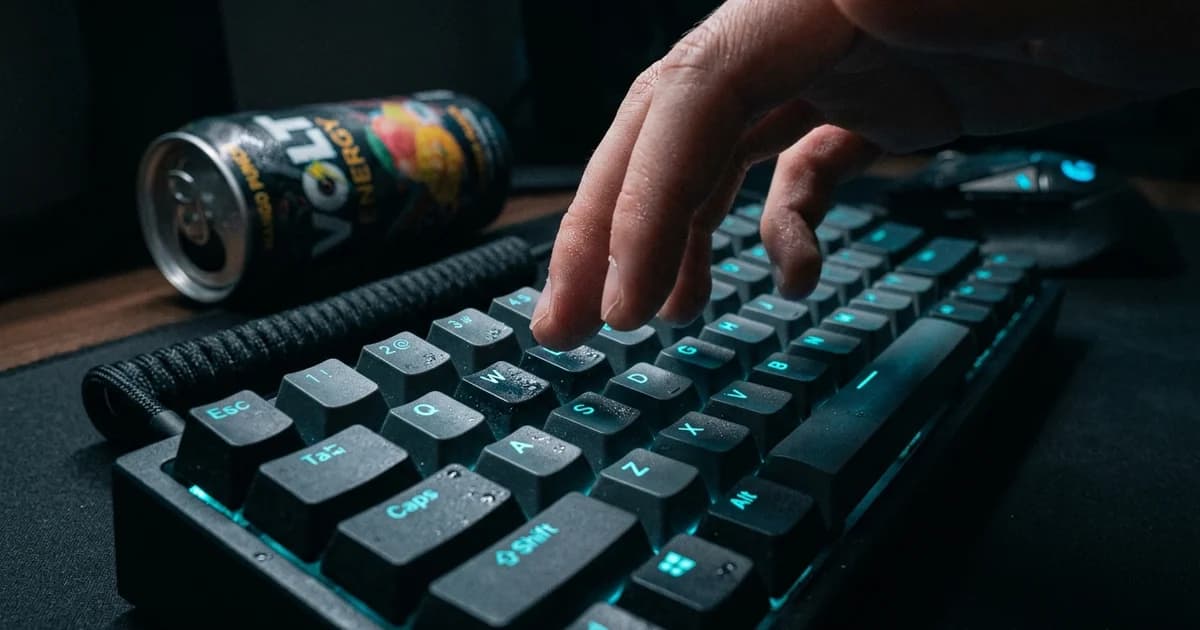
Why Caffeine Makes Your Hands Sweaty and Shaky While Gaming (and the Fix)
You queue into a ranked match, line up the shot, and your crosshair drifts. Your hands feel slick. There's a fine tremor in your fingers that wasn't there an hour ago. That's not nerves, and it's not a coincidence. That's caffeine jitters, and the energy drink you slammed before the session is the most likely culprit.
The frustrating part is that caffeine genuinely helps reaction time and alertness. Used wrong, though, it turns your nervous system against your aim. Sweaty palms, shaky hands, and a racing heart are the opposite of what you want when a clutch round is on the line.
Here's exactly what's happening in your body, why your aim falls apart, and how to fix it without quitting caffeine.
Key Takeaways
- Caffeine jitters come from a spike in adrenaline, which triggers muscle tremor and sweaty palms through your fight-or-flight system.
- Most "caffeine ruins my aim" problems trace back to dose and delivery, not caffeine itself. Energy drinks dump too much, too fast.
- Pairing caffeine with L-theanine smooths the spike and supports steadier focus without the shakes.
- Caffeine has a long half-life, so a late-session energy drink can keep your hands buzzing for hours.
What Caffeine Jitters Actually Are
Caffeine jitters are the physical symptoms of an overactive sympathetic nervous system: trembling hands, sweaty palms, a pounding heart, and a wired, restless feeling. They are not in your head, and they directly degrade fine motor control.
The mechanism is straightforward. Caffeine works by blocking adenosine, the chemical that builds up through the day and makes you feel tired. According to a 2021 review in the journal Nutrients, caffeine acts as an adenosine receptor antagonist, which keeps you alert but also raises the activity of stimulating neurotransmitters.
When adenosine is blocked, your body releases more adrenaline (epinephrine). Adrenaline is the fight-or-flight hormone. It speeds up your heart, opens your sweat glands, and primes your muscles for action you don't actually need while sitting at a desk.
That misfire is the whole problem. Your body thinks it's about to sprint. You just need to track a target across the screen.
Why Your Hands Shake: The Tremor Connection
A mild hand tremor after too much caffeine is well documented. Research published in Neurology examined caffeine's effect on physiological tremor, the small, normal oscillation present in everyone's hands.
Caffeine amplifies that baseline tremor. The adrenaline surge increases muscle excitability, so the tiny involuntary movements your hands always make get bigger and faster. Under a steady hand that tremor is invisible. Under caffeine overload, it's enough to nudge your reticle off a headshot.
This is the root of shaky hands gaming caffeine complaints. It scales with dose. The more caffeine in your system relative to your tolerance, the more pronounced the shake, which is why a triple-dose pre-raid energy drink hits harder than a coffee.
Why Your Palms Get Sweaty Mid-Match
Sweaty palms come from the same adrenaline response that causes the shakes. Your sympathetic nervous system controls the sweat glands in your hands and feet, and stimulants push that system into overdrive.
As resources like Carpe explain, caffeine stimulates the central nervous system and can increase sweat production, including on the palms. For most people this is mild. For gamers gripping a mouse for hours, even slightly clammy hands mean a sticky mousepad, slipping grip, and inconsistent micro-adjustments.
So caffeine sweaty hands gaming is not a separate issue from the shakes. It's the same fight-or-flight signal showing up in a different gland. Fix the adrenaline spike and you usually fix both at once.
Why Energy Drinks Are the Worst Offenders
Energy drink jitters are a dose-and-speed problem. A standard energy drink can carry 150 to 300 mg of caffeine, often alongside sugar and other stimulants, and you drink it in minutes.
That fast, large dose is what spikes adrenaline hardest. Compare a few common sources:
| Source | Typical Caffeine | Other Stimulants | Jitter Risk for Gaming |
|---|---|---|---|
| Large energy drink | 150–300 mg | Sugar, taurine, guarana | High |
| Pre-workout scoop | 150–400 mg | Beta-alanine, niacin | Very high |
| Brewed coffee (12 oz) | 120–180 mg | None | Moderate |
| Green tea | 30–50 mg | L-theanine (built in) | Low |
| Sublingual focus pouch (e.g. Roon) | 80 mg | L-theanine, Dynamine, TeaCrine | Low |
Green tea is the interesting outlier. It naturally contains L-theanine, an amino acid that takes the edge off caffeine. That's the clue to the actual fix.
The Fix: Smaller Doses and L-Theanine
The fix for caffeine jitters is not abstinence. It's controlling the dose and pairing caffeine with L-theanine, the calming amino acid found in tea.
L-theanine promotes a relaxed-but-alert state and helps blunt the overstimulation caffeine causes on its own. The pairing is well studied for attention and steadier performance. Reviews from sources like Legion Athletics describe how the caffeine and L-theanine combination supports focus and reaction time while reducing the jittery side effects of caffeine alone.
A practical protocol for gaming:
- Cap your caffeine. Aim for roughly 80 to 100 mg per session, not 300. Enough to sharpen reaction time, not enough to flood your system with adrenaline.
- Add L-theanine. A common target is around 1:1 to 2:1 theanine to caffeine. It keeps the focus and trims the shakes.
- Time it right. Caffeine has a long half-life, around 5 to 6 hours per the Caffeine Informer summary, so a late-night energy drink can keep your hands buzzing well past the final match and wreck your sleep.
- Stay hydrated. Dehydration makes both tremor and sweating worse.
Do this and the "caffeine ruins my aim" complaint usually disappears, because you're getting the alertness without the fight-or-flight tax.
How to Tell If Caffeine Is Hurting Your Aim
Quick self-check during your next session. If three or more of these are true, you're over your useful dose:
- Your hands feel buzzy or visibly tremble on small adjustments.
- Your palms are damp enough to affect mouse grip.
- Your heart feels like it's racing while you sit still.
- Your crosshair micro-corrections feel twitchy instead of smooth.
- You crash hard an hour or two later and your aim goes sluggish.
That last one matters. The sugar and large caffeine dose in most energy drinks set up a crash, and post-crash sluggishness ruins late-session consistency just as much as early jitters do.
Conclusion
Caffeine isn't the enemy of your aim. The way most gamers take it is. Energy drinks and pre-workout scoops dump a large, fast dose that spikes adrenaline, and that adrenaline is what shakes your hands, sweats your palms, and pulls your crosshair off target.
The science points to a clean fix. Keep the dose moderate, pair it with L-theanine so your nervous system stays calm while your focus stays sharp, and respect caffeine's long half-life so it doesn't follow you to bed. Steady hands and steady focus come from steady inputs, not bigger ones.
Frequently Asked Questions
Why do my hands shake when I drink energy drinks before gaming?
Energy drinks deliver a large, fast dose of caffeine, often 150 to 300 mg at once. That spikes adrenaline, which increases muscle excitability and amplifies the small natural tremor your hands always have. The result is shaky hands that throw off fine aim. Lowering the dose and pairing caffeine with L-theanine usually calms the tremor while keeping you alert.
Does caffeine really make your palms sweat?
Yes. Caffeine stimulates the sympathetic nervous system, the same system that controls the sweat glands in your palms and triggers your fight-or-flight response. For most people the effect is mild, but for gamers gripping a mouse for hours, even slightly clammy hands can affect grip and consistency. It's the same adrenaline signal that causes the shakes, just showing up in a different gland.
How much caffeine is safe for gaming without jitters?
There's no universal number, but most people stay sharp without jitters somewhere around 80 to 100 mg per session rather than the 200 to 400 mg in many energy drinks and pre-workouts. Tolerance varies, so start low. The goal is enough caffeine to support reaction time and alertness, not so much that it triggers a fight-or-flight response while you sit still.
Will L-theanine stop caffeine jitters?
L-theanine won't erase a massive overdose, but it does take the edge off normal caffeine doses. It's an amino acid found in tea that promotes a calm, focused state and helps offset caffeine's overstimulation. Pairing the two, often at roughly a 1:1 to 2:1 ratio of theanine to caffeine, supports steady focus and reaction time with fewer shakes and less of the wired feeling.
How long do caffeine jitters last?
It depends on dose and your metabolism, but caffeine has a half-life of roughly 5 to 6 hours, meaning half is still in your system that long after you drink it. So jitters from a large energy drink can linger for several hours and disrupt sleep if taken late. Smaller doses clear faster and are far less likely to leave your hands buzzing through the night.
Can caffeine actually ruin my aim?
Indirectly, yes. Caffeine itself can sharpen reaction time, but too much triggers tremor and sweaty palms that degrade the fine motor control aiming depends on. The "caffeine ruins my aim" problem is almost always a dose problem, not a caffeine problem. Keep the dose moderate, add L-theanine, and most players find their micro-adjustments get smoother, not shakier.
Calm Focus Beats More Caffeine for Gamers
If your aim falls apart from sweaty, shaky hands mid-session, the answer isn't another energy drink. It's a steadier input. That's the gap Roon was built for.
Each Roon pouch is sublingual and carries a deliberately measured stack: 80 mg caffeine, 60 mg L-theanine, 25 mg methylliberine (Dynamine), and 5 mg theacrine (TeaCrine). The caffeine-and-L-theanine pairing is the same calm-focus combination the science points to, dosed to support reaction time and 6 to 8 hours of sustained focus without the jitters, sweaty palms, or hard crash that a 300 mg energy drink brings. It tucks under your lip, so there's no can on the desk and nothing to fumble between rounds.
Roon is not a replacement for sleep, hydration, or practice, and it won't fix mechanics you haven't drilled. What it can do is give you steady, controlled caffeine instead of a fight-or-flight flood. Try Roon for your next session and judge it by your crosshair.
Written by Roon Team