The Best Clean Pre-Workout for Runners and Endurance Athletes (No Bloat, No GI Distress)
Roon Team
The Best Clean Pre-Workout for Runners and Endurance Athletes (No Bloat, No GI Distress)
Most pre-workout was built for the squat rack, not the start line. The scoops are loaded with ingredients that make sense for a powerlifter and turn into a liability around mile six.
If you have ever choked down a scoop of fruit-punch powder and spent the first 20 minutes of your run fighting cramps, you already know the problem. The right pre workout for running does the opposite. It sharpens focus and steadies your energy without parking a brick in your gut.
This guide breaks down what actually belongs in an endurance pre-workout, what causes the bloat, and how the best options stack up.
Key Takeaways
- The two biggest culprits behind running GI distress are high-dose caffeine and sodium bicarbonate, not the act of running itself.
- Beta-alanine delivers a tingling skin sensation and can upset your stomach above 2 grams, which is why most runners want it low or absent.
- The best pre workout for running prioritizes moderate caffeine, focus, and reaction time over the muscle "pump" that powder formulas chase.
- Caffeine in the 3 to 6 mg/kg range reliably improves endurance, and pairing it with L-theanine smooths out the jitters.
Why Most Pre-Workout Wrecks a Runner's Stomach
The ingredients that cause bloat and cramping during cardio are usually caffeine and sodium bicarbonate. A registered dietitian speaking to Outside Online put it bluntly: caffeine and sodium bicarbonate are two ingredients in particular that can be responsible for GI distress, which means any potential performance boost you might get will be out the window when you are sidelined.
That matters more for runners than lifters. When you run, blood gets diverted away from your digestive system toward your working muscles, so anything sitting in your stomach has a harder time clearing. Cramping, nausea, diarrhea, and bloating can occur from some of the ingredients and formulations used in pre-workout.
Standard powders pile on extras you do not need for a tempo run. Citrulline at 6 to 8 grams, creatine, sodium bicarbonate, and mega-doses of beta-alanine all add volume and osmotic load. On a bench press, fine. On a long run, that is a recipe for a portable toilet stop.
The Beta-Alanine Problem
Beta-alanine is the source of that prickly, tingling skin feeling. The sensation is called paresthesia, and it is harmless, but it surprises a lot of new users mid-warmup.
The bigger issue for runners is the stomach. According to Dr. Axe, beta-alanine is generally safe, but some people experience the tingling sensation called paresthesia, a harmless side effect that occurs when high doses are taken at once. Splitting the dose helps. Better yet, for a single pre-run serving, keep it low. Industry guidance for runners suggests staying under 2 grams to avoid GI issues entirely.
What Actually Belongs in a Pre Workout for Running
A good endurance pre-workout is built around three jobs: clean energy, mental focus, and zero gut disruption. That is a much shorter ingredient list than the 18-item labels you see on most tubs.
1. Moderate Caffeine (Your Real Performance Lever)
Caffeine is the most evidence-backed ingredient in any pre workout for cardio. The data on running is consistent and strong.
A systematic review and meta-analysis in Nutrients found that caffeine intake in doses ranging from 3 to 9 mg per kg of body mass enhanced time to exhaustion during running trials with an effect of medium magnitude. You do not need the high end. Research summarized by Runners Connect showed that a 3 mg/kg dose of caffeine improved endurance by about 3% versus placebo, whether subjects were caffeine deprived or not.
For a 70 kg runner, that is roughly 200 mg. The takeaway: a moderate, well-timed dose does the work. Mega-dosing 350 mg only buys you more jitters and a higher GI risk.
2. L-Theanine (The Anti-Jitter Partner)
Caffeine alone can leave you wired and anxious before a hard session. L-theanine, an amino acid from tea, takes the edge off without dulling the alertness.
In a randomized, placebo-controlled crossover study referenced by Mind Lab Pro, researchers tested L-theanine and caffeine alone and together, and reported that adding L-theanine eliminated caffeine's vasoconstrictive effect at the tested levels. Translation for runners: smoother, calmer focus and steadier blood flow, minus the racing-heart feeling.
3. Focus and Reaction-Time Support
Endurance is mental as much as physical. Holding pace at mile 20, or staying sharp on technical trail, is a cognitive task. This is where lighter caffeine analogs come in.
Methylliberine (Dynamine) and theacrine (TeaCrine) are chemical cousins of caffeine. Per Compound Solutions, Dynamine (methylliberine) is a faster-acting, harder-hitting form of TeaCrine, and another chemical cousin of caffeine. A study covered by NutraIngredients was the first to investigate the effects of a lower dose of caffeine combined with methylliberine and theacrine on vigilance. A safety trial in young adults found that Dynamine alone or combined with TeaCrine at the dosages studied did not appear to negatively affect markers of health over four weeks of continuous use.
What to Skip Before a Run
- Sodium bicarbonate: proven GI offender for endurance athletes.
- High-dose beta-alanine (over 2g): tingling plus possible stomach upset.
- 6 to 8g citrulline and big "pump" matrices: built for vascularity, not your 10K.
- Sugar bombs and proprietary blends: empty calories and hidden mega-doses of stimulants.
Best Pre-Workout for Running and Endurance: Comparison Table
Here is how the most popular clean options stack up for endurance use. The best pre workout for endurance keeps the energy steady and the stomach quiet.
| Product | Format | Caffeine | Key Ingredients | Best For | GI / Bloat Risk |
|---|---|---|---|---|---|
| Roon | Sublingual pouch | 80 mg | L-theanine, Dynamine, TeaCrine | Focus, drive, reaction time | Very low (no powder, no gut load) |
| UCAN Energy | Powder drink | 0 mg | LIVSTEADY slow-release carb | Fuel, stim-free long efforts | Low |
| Tailwind Endurance Fuel | Powder drink | 0 to 35 mg | Carbs, electrolytes | Hydration plus calories mid-run | Low |
| Standard "pump" pre-workout | Powder drink | 200 to 350 mg | Citrulline, beta-alanine, creatine, bicarb | Lifting, short power work | High |
| Black coffee | Beverage | 95 to 165 mg | Caffeine only | Cheap, simple energy | Moderate |
A few honest notes. UCAN and Tailwind are fuel sources, not stimulants, so they solve a different problem: calories and hydration over long efforts. Standard powder pre-workouts can work for short, hard intervals if your gut tolerates them, but they carry the highest bloat risk for distance running.
Roon sits in a separate lane. It is not a carbohydrate fuel and it is not a pump product. It is a focus and energy layer.
How to Time Your Pre Workout for Cardio
Timing depends on format. Powder and capsule pre-workouts need a head start because caffeine peaks later.
- Powders and capsules: take 45 to 60 minutes before you run. Caffeine peaks roughly 45 to 90 minutes after you swallow it.
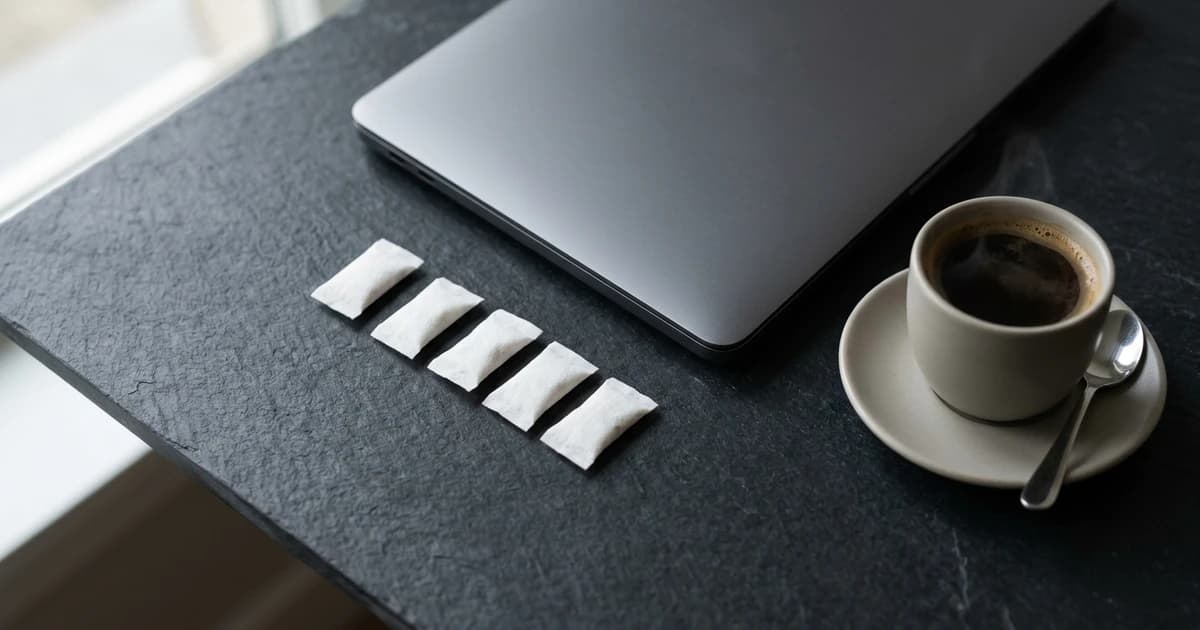
- Sublingual pouches: absorb through the cheek and gum tissue, so onset is far faster, in the 5 to 10 minute range.
- Fuel (UCAN, Tailwind): start 15 to 30 minutes out, then sip through longer sessions.
Test everything on easy days first. Race day is the worst possible time to discover a new ingredient does not agree with you.
Conclusion
The best endurance pre-workout is defined by what it leaves out. Runners do not need sodium bicarbonate, a gram-loaded citrulline matrix, or a beta-alanine dose that lights up your skin and unsettles your stomach. They need clean, moderate caffeine, something to smooth the jitters, and support for the mental side of going long.
Match the tool to the job. Reach for a carbohydrate fuel when the goal is calories and hydration over hours. Reach for a focus-and-energy product when the goal is drive, alertness, and reaction time. Keep the dose moderate, keep the format gentle on your gut, and always test it in training before it ever shows up on race day.
Frequently Asked Questions
Is pre-workout safe for runners?
For most healthy adults, a moderate-caffeine pre-workout is fine, but the formula matters more than the category. The ingredients most likely to cause running GI distress are sodium bicarbonate and high doses of caffeine or beta-alanine. Stick to a moderate caffeine dose, avoid bicarb and heavy beta-alanine before a run, and test any product on an easy training day before using it for a hard session or a race.
What is the best pre workout for running if I have a sensitive stomach?
Choose the lowest-bulk format you can. Powders dissolved in large volumes of liquid sit in your gut longest, which raises bloat risk during cardio. Capsules, sublingual pouches, or a small coffee tend to be gentler. Avoid sodium bicarbonate, keep beta-alanine under 2 grams or skip it, and prioritize moderate caffeine paired with L-theanine for smoother energy without the cramping.
How much caffeine should I take before running?
Research points to roughly 3 to 6 mg per kilogram of body weight. For a 70 kg runner, that is about 200 mg. Higher doses do not reliably improve performance and tend to add jitters and GI risk. Start at the lower end, especially if you are caffeine sensitive, and time it 45 to 60 minutes before running for powders, or just a few minutes before for a fast-absorbing sublingual format.
Does beta-alanine help endurance runners?
Beta-alanine helps buffer fatigue, but it is more useful for short, high-intensity efforts than steady distance running. The catch is the tingling sensation and the stomach upset that larger single doses can cause. If you use it, take it daily at a split dose rather than as a single big pre-run scoop, and keep individual servings under 2 grams to limit side effects.
Can I just use coffee as a pre workout for cardio?
Yes, black coffee is a legitimate, cheap option that delivers caffeine with no added bulk. The downsides are inconsistent dosing cup to cup, possible jitters without L-theanine to balance it, and the volume of liquid sitting in your stomach. If coffee works for your gut and your timing, it is a reasonable choice. Many runners simply want something more precise and portable.
What is the difference between a pre-workout and endurance fuel?
A pre-workout is built around stimulants and focus ingredients to sharpen energy and drive. Endurance fuel, like UCAN or Tailwind, is built around carbohydrates and electrolytes to supply calories and hydration during long efforts. They solve different problems. Many endurance athletes use a light focus product before a session and a carbohydrate fuel during it.
Will a clean pre-workout build tolerance?
Tolerance depends on the ingredients and your usage pattern. Daily high-dose caffeine is the main driver of tolerance and the rebound crash. Lower caffeine doses paired with L-theanine and caffeine analogs like Dynamine and TeaCrine are designed to deliver steadier energy with less of that build-up. Cycling your caffeine and avoiding daily mega-doses keeps it working when you need it most.
The Focus Layer Runners Reach For When the Gut Says No
If your problem is not calories but the jittery, bloated wreckage that a scoop of powder leaves behind, that is exactly the gap Roon was built to fill. It is a nicotine-free, sublingual pouch with a four-ingredient stack: 80 mg caffeine, 60 mg L-theanine, 25 mg methylliberine (Dynamine), and 5 mg theacrine (TeaCrine). No powder to dissolve, no sugar, nothing sitting in your stomach during the run.
The honest framing: Roon is not a full pre-workout replacement, and it is not endurance fuel. It will not give you a pump, and it will not supply the carbohydrates you need for a long effort. What it does is deliver the mental side of training, focus, drive, and reaction time, with a 5 to 10 minute onset and a 6 to 8 hour window of steady energy, no jitters, no crash, and no tolerance build-up.
For runners who want their head in the game without the gut drama, try Roon on an easy day and see how a clean focus layer feels.
Written by Roon Team