How to Stay Awake and Alert on a Long Drive (Without Slamming Energy Drinks)
Roon Team
How to Stay Awake and Alert on a Long Drive (Without Slamming Energy Drinks)
The most dangerous moment on a long drive isn't the moment you feel tired. It's the moment you stop feeling anything at all.
Learning how to stay awake while driving is less about willpower and more about understanding what your brain does when it runs low on sleep pressure relief. Tired drivers don't decide to nod off. They blink, and three seconds vanish. The road is still there when their eyes open, but the car has already moved the length of a basketball court without a driver steering it.
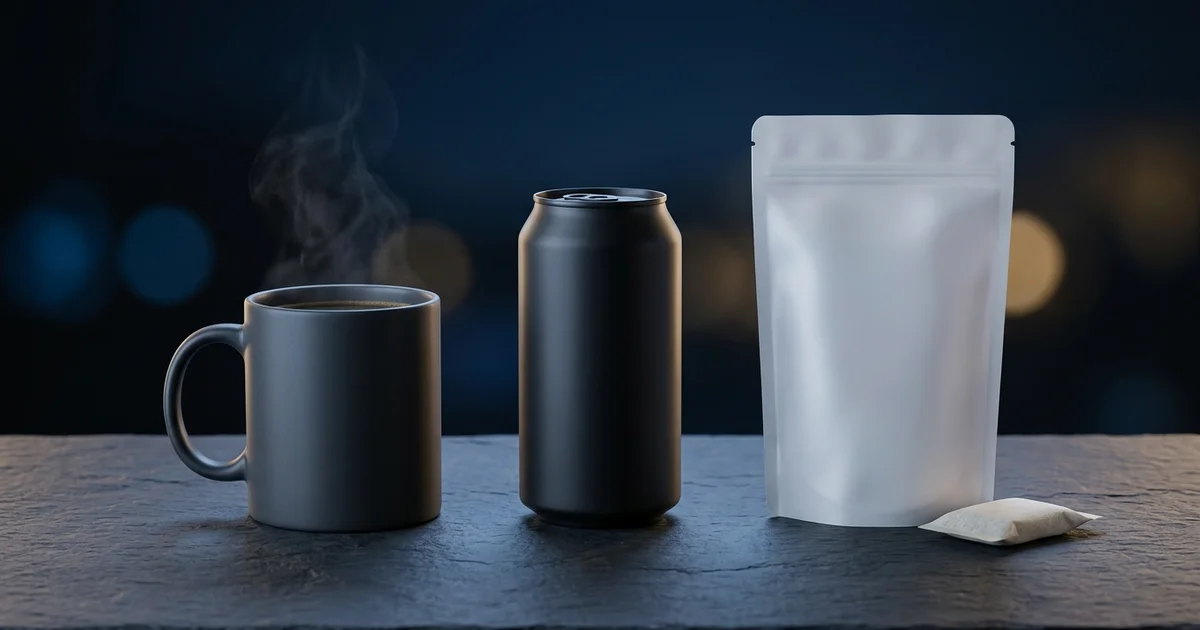
Energy drinks promise to fix this. They usually trade one problem for a worse one: a sugar-and-caffeine spike that drops you off a cliff two hours later, often somewhere darker and emptier than where you started. There's a smarter way to handle a long haul, and most of it has nothing to do with what's in the cupholder.
The safety answer, front and center: If you feel drowsy behind the wheel, the only real fix is to pull over and sleep. According to the National Highway Traffic Safety Administration, getting adequate sleep is the only true way to protect yourself against the risks of driving while drowsy. A fast-onset focus aid, including caffeine or a pouch like Roon, is NOT a substitute for pulling over. It is a bridge to your next safe stop, nothing more.
Key Takeaways
- Drowsy driving causes hundreds of deaths and tens of thousands of crashes in the U.S. each year, and the real numbers are likely higher because fatigue is hard to detect after a crash, according to the NHTSA.
- A "microsleep" lasts only a few seconds, but at highway speed that's enough distance to drift into another lane or off the road entirely.
- The single most reliable fix is the one nobody wants to hear: pull over and sleep. Everything else buys you time, not safety.
- A short nap paired with caffeine outperforms either alone, and caffeine balanced with L-theanine gives you alertness without the shaky, over-wired feeling.
What Actually Works vs. What Is a Myth
A lot of advice for staying alert on a long drive sounds reasonable. Very little of it has evidence behind it. NHTSA has explicitly found no demonstrated effectiveness for commonly accepted remedial approaches like opening car windows or turning up the radio. Here is the honest breakdown.
| Method | Does It Work? | Evidence Level | Notes |
|---|---|---|---|
| Pull over and sleep (20+ min) | Yes | High | The only real fix; restores lost alertness |
| Caffeine-nap combo (caffeine then 20-min nap) | Yes, meaningfully | Moderate-High | Timed correctly, outperforms either alone |
| Caffeine alone (moderate, balanced) | Partial bridge | Moderate | Delays impairment; does not reverse it |
| Rolling down windows / cold air | Myth (short-term only) | Low | NHTSA: no demonstrated effectiveness |
| Turning up the radio | Myth | Low | NHTSA: no demonstrated effectiveness |
| Cranking the A/C | Myth (short-term only) | Low | Buys minutes; does not restore alertness |
| Loud music / singing | Myth | Low | Distraction, not restoration |
| Splashing water on face | Myth | Low | No evidence of meaningful benefit |
The top half of that table has one thing in common: it involves stopping or at minimum pausing the drive. The bottom half involves trying to override your body while still moving at 70 mph. That second approach is the one that kills people.
Why Drowsy Driving Is More Dangerous Than You Think
Fatigue impairs you in ways that feel a lot like alcohol. Your reaction time slows, your attention narrows, and your judgment about your own state gets worse right when you need it most.
The scale of the problem is bigger than most people assume. The National Highway Traffic Safety Administration reports that drowsy driving claims hundreds of lives and is involved in tens of thousands of crashes every year, and the agency notes these figures are almost certainly undercounted because there's no blood test for exhaustion. Independent research backs this up. The AAA Foundation for Traffic Safety has found that drowsiness plays a role in a much larger share of serious crashes than police reports capture.
Here's the part that should change how you plan a road trip. The danger doesn't announce itself. You can feel "fine enough" to keep going and still slip into a microsleep without realizing it happened.
What a Microsleep Actually Does to You
A microsleep is a brief, involuntary lapse where your brain goes offline for a few seconds. Your eyes may stay open. You won't remember it.
At 55 miles per hour, a car travels roughly 80 feet every second. Sleep Cycle's breakdown of microsleep risk explains that even a four to five second lapse means you cover a few hundred feet completely unaware. That's the length of a football field with nobody driving. This is why "just pushing through" the last hour is the worst gamble on the road.
How to Stay Awake While Driving: The Methods That Actually Work
The only thing that truly reverses sleep deprivation is sleep. Caffeine, fresh air, and loud music manage symptoms; they don't restore the function you've lost. Use them as bridges to a safe stop, not as substitutes for one.
That said, some tactics genuinely help you stay alert driving long distance, and some are theater. Here's the honest split.
1. Take a Real Break Before You Need One
Plan stops every two hours, not when you feel exhausted. By the time heavy eyelids show up, your performance has already dropped.
Get out of the seat. Walk for five minutes. The point is to interrupt the monotony that lulls your brain into autopilot, which is where microsleeps breed.
2. The Caffeine Nap (Yes, Together)
A 20-minute nap with caffeine taken just before it is one of the best-studied recovery tools for drivers. Caffeine takes time to kick in, so you sleep while it's still in your bloodstream and wake as it peaks.
The National Geographic explainer on caffeine naps describes how this timing works: the short sleep clears some of the adenosine that makes you drowsy, and the caffeine blocks the rest from binding. The Sleep Foundation notes the nap should stay short, around 20 minutes, so you don't slide into deep sleep and wake up groggy.
3. Hydrate and Eat Light
Dehydration amplifies fatigue, and a heavy gas-station meal pulls blood toward digestion and away from alertness. Water and small protein-forward snacks keep you steadier than a giant soda and a bag of candy.
This is also the quiet advantage of figuring out how to stay awake driving without coffee crashes. Steady inputs beat spikes.
4. Use Light and Air Strategically
Cool air and daylight both signal wakefulness to your circadian system. Cracking a window or running the A/C on your face helps in the short term.
Be honest about the limits. These tricks give you minutes, not hours. If they're the only thing keeping you upright, you've already missed your stop.
5. Don't Drive During Your Body's Low Points
Your alertness naturally dips in the early afternoon and again in the small hours of the morning. Schedule the boring highway stretches outside those windows when you can.
If you must drive overnight, treat every yawn as a warning, not a personality trait.
The Stimulant Question: What to Reach For (and What to Skip)
Caffeine works. The problem is the delivery. A 16-ounce energy drink can carry as much caffeine as two or three coffees plus a load of sugar, and that combination is exactly what produces the crash you're trying to avoid.
The smarter move is moderate, balanced caffeine. Research on the L-theanine and caffeine pairing is some of the most consistent in the field. A double-blind crossover study published in the British Journal of Nutrition found that combining L-theanine with caffeine improved measures of selective attention in sleep-deprived adults, which is precisely the population behind the wheel on a long trip. L-theanine smooths out the jittery edge of caffeine while keeping the alertness intact.
Here's how the common options for road trip energy stack up.
| Option | Onset | Duration | Crash Risk | Portability for Driving |
|---|---|---|---|---|
| Energy drink (16 oz) | 30-45 min | 2-4 hrs | High (sugar + caffeine spike) | Bulky, needs a cupholder |
| Drip coffee | 30-45 min | 3-5 hrs | Moderate | Spills, refills, bathroom stops |
| Caffeine pill | 30-45 min | 4-6 hrs | Moderate (no theanine balance) | Easy, but all-or-nothing dose |
| 20-min caffeine nap | ~25 min | 2-3 hrs | Low | Requires a safe place to stop |
| Roon sublingual pouch | 5-10 min | 6-8 hrs | Low (caffeine + L-theanine balanced) | Pocket-sized, hands-free, no spills |
Notice the trade-off in that table. The fastest-onset, longest-lasting, lowest-crash options are the ones that pair caffeine with something that steadies it, and that don't require you to keep drinking, refilling, and stopping.
One more thing that table doesn't capture: Roon is positioned here as a bridge to a safe stop, not a tool to keep driving through drowsiness. If you are genuinely impaired by fatigue, the right move is always to pull over. No pouch, caffeine source, or stimulant changes that calculus.
Reading the Warning Signs Before It's Too Late
Your body sends clear signals before a microsleep. Most drivers ignore them because the destination feels close. Treat any of these as a hard stop:
- You can't stop yawning.
- You don't remember the last few miles.
- You're drifting in your lane or hitting the rumble strip.
- Your eyelids feel heavy or your eyes keep refocusing.
- You're getting irritable or restless for no reason.
If you hit two of these, the answer isn't another trick. It's a parking lot and a 20-minute nap.
Conclusion
Staying alert behind the wheel comes down to one principle: respect your brain's need for actual rest, and use everything else as a bridge to it. Plan your stops before fatigue sets in, nap when you need to, and keep your caffeine moderate and balanced rather than spiked with sugar.
The tools that work share a pattern. They deliver steady alertness without the cliff, they don't pull your hands off the wheel, and they buy you real time to reach a safe place to rest. The ones that fail are the ones that promise to override exhaustion entirely, because nothing does. A microsleep doesn't care how badly you want to get home. The driver who arrives safely is the one who treated drowsiness as a stop sign, not a speed bump.
Frequently Asked Questions
What's the fastest way to stay awake while driving?
The fastest genuine fix is a short caffeine nap: take a moderate dose of caffeine, then sleep for about 20 minutes in a safe spot. You wake as the caffeine peaks and clear some of the chemicals causing drowsiness at the same time. Quick tricks like cold air, loud music, or rolling down a window can buy you a few minutes, but they don't reverse sleep deprivation, and NHTSA has found no demonstrated effectiveness for these approaches. If you're fighting to stay awake, those minutes should be used to find somewhere to stop.
Is it safe to drive after only a few hours of sleep?
It's risky. Running on limited sleep impairs reaction time and judgment in ways that resemble driving under the influence, and you're a poor judge of your own impairment when tired. NHTSA data shows drivers on fewer than 4 hours of sleep are more than 11 times more likely to be involved in a crash. If you have to drive, keep the trip short, take frequent breaks, and avoid your body's natural low-alertness windows in the early afternoon and overnight hours. When possible, postpone or share the drive instead.
Do rolling down the window or turning up the radio actually help?
No, not in any meaningful way. NHTSA explicitly states that it has found no demonstrated effectiveness for commonly accepted remedial approaches such as listening to the car radio or opening the car windows. These actions may produce a brief jolt of sensation, but they do not restore alertness or reverse sleep deprivation. They are not a safe substitute for stopping.
How do I stay awake driving without coffee?
You have several options. A 20-minute nap is the most effective. Cool air, daylight, hydration, light protein-forward snacks, and breaking up monotony with stops all help maintain alertness. If you want a measured dose of caffeine without the bulk and spills of a drink, balanced caffeine plus L-theanine in a smaller format gives you alertness with less of the jittery, over-wired feeling that comes from chugging large drinks. None of these replace stopping if you feel genuinely drowsy.
Why do energy drinks make me crash later?
Most energy drinks combine a large dose of caffeine with significant sugar. The sugar produces a quick rise and fall in blood glucose, and the high caffeine load wears off relatively fast, leaving you more tired than before. That rebound is the worst possible outcome mid-drive. Moderate, balanced caffeine without the sugar spike produces steadier alertness and a softer landing.
How often should I stop on a long drive?
Plan a break roughly every two hours or every 100 miles, and stop before you feel tired rather than after. Waiting until you're exhausted means your performance has already dropped. Use the break to walk, hydrate, and reset your attention. On overnight or all-day drives, build in time for a real 20-minute nap if you feel the early signs of drowsiness.
Does L-theanine help with alertness on the road?
L-theanine on its own promotes a calm, focused state, and paired with caffeine it helps smooth out the nervous, jittery edge while keeping the alertness. Research on sleep-deprived adults has found the combination supports measures of selective attention, which is the exact capacity you rely on while driving. It won't replace sleep, but it can make moderate caffeine feel cleaner and more sustained than a sugary drink.
<script type="application/ld+json"> { "@context": "https://schema.org", "@type": "FAQPage", "mainEntity": [ { "@type": "Question", "name": "What's the fastest way to stay awake while driving?", "acceptedAnswer": { "@type": "Answer", "text": "The fastest genuine fix is a short caffeine nap: take a moderate dose of caffeine, then sleep for about 20 minutes in a safe spot. You wake as the caffeine peaks and clear some of the chemicals causing drowsiness at the same time. NHTSA has found no demonstrated effectiveness for commonly cited tricks like cold air, loud music, or rolling down a window. If you're fighting to stay awake, those minutes should be used to find somewhere to stop, not to keep driving." } }, { "@type": "Question", "name": "Is it safe to drive after only a few hours of sleep?", "acceptedAnswer": { "@type": "Answer", "text": "It's risky. Running on limited sleep impairs reaction time and judgment in ways that resemble driving under the influence. NHTSA data shows drivers on fewer than 4 hours of sleep are more than 11 times more likely to be involved in a crash. If you have to drive, keep the trip short, take frequent breaks, and avoid your body's natural low-alertness windows. When possible, postpone or share the drive." } }, { "@type": "Question", "name": "Do rolling down the window or turning up the radio actually help with drowsy driving?", "acceptedAnswer": { "@type": "Answer", "text": "No. NHTSA explicitly states it has found no demonstrated effectiveness for commonly accepted remedial approaches such as listening to the car radio or opening the car windows. These may produce a brief jolt of sensation but do not restore alertness or reverse sleep deprivation. They are not a safe substitute for stopping." } }, { "@type": "Question", "name": "How do I stay awake driving without coffee?", "acceptedAnswer": { "@type": "Answer", "text": "A 20-minute nap is the most effective option. Cool air, daylight, hydration, light protein-forward snacks, and regular stops all help maintain baseline alertness. Balanced caffeine plus L-theanine in a hands-free format delivers steadier focus with less jitter than large drinks. None of these replace stopping if you feel genuinely drowsy." } }, { "@type": "Question", "name": "Why do energy drinks make me crash later?", "acceptedAnswer": { "@type": "Answer", "text": "Most energy drinks combine a large dose of caffeine with meaningful sugar. The sugar produces a quick rise and fall in blood glucose, and the caffeine wears off relatively fast, leaving you more tired than before. Moderate, balanced caffeine without the sugar spike produces steadier alertness and a softer landing." } }, { "@type": "Question", "name": "How often should I stop on a long drive?", "acceptedAnswer": { "@type": "Answer", "text": "Plan a break roughly every two hours or every 100 miles, and stop before you feel tired. Waiting until you're exhausted means your performance has already dropped. Use the break to walk, hydrate, and reset your attention. On overnight drives, build in time for a real 20-minute nap if you feel the early signs of drowsiness." } }, { "@type": "Question", "name": "Does L-theanine help with alertness on the road?", "acceptedAnswer": { "@type": "Answer", "text": "Paired with caffeine, L-theanine helps smooth out the jittery edge while keeping alertness intact. Research on sleep-deprived adults found the combination supports selective attention, the exact capacity you rely on while driving. It won't replace sleep, but it can make moderate caffeine feel cleaner and more sustained than a sugary drink." } } ] } </script>Fast Onset, Hands-Free, Built as a Bridge to Your Next Stop
A long drive is the rare situation where the delivery method matters as much as the ingredient. You don't want to fumble with a can, refill a coffee, or ride a sugar spike toward a crash on an empty stretch of interstate. You want something that works quickly, lasts, and keeps both hands on the wheel.
That's the gap Roon was built to fill. It's a zero-nicotine sublingual pouch with a balanced four-ingredient formula: 80 mg caffeine, 60 mg L-theanine, 25 mg methylliberine (Dynamine), and 5 mg theacrine (TeaCrine). It starts working in 5 to 10 minutes and is designed for 6 to 8 hours of steady focus with no jitters, no crash, and no tolerance buildup, which fits a long haul better than a drink you have to keep buying.
To be clear about what it isn't: Roon is not a substitute for sleep, and no supplement is. If you're genuinely drowsy, pull over and nap; the answer is to stop, not to reach for another pouch. NHTSA is unambiguous on this: sleep is the only real fix. But for the stretches where you're alert and want to stay that way without the energy-drink rollercoaster, try Roon for your next long drive. Use it as a bridge to your next safe stop, not as a reason to skip one.
By Roon Team