Brain Rot: What the Science Actually Says About Your Shrinking Attention
Roon Team
Brain Rot: What the Science Actually Says About Your Shrinking Attention
You already know the feeling. You sit down to work, open your laptop, and 45 minutes later you're deep in tap-and-swipe brain rot games or watching a man pressure-wash a driveway on your phone. No memory of picking it up. No idea where the time went. Your brain feels fried, your attention is gone, and you know the scrolling is part of the problem.
"Brain rot" was supposed to be a joke, a meme built from brain rot slang terms Gen Z coined for spending too long on TikTok. But the term has stuck around in 2025, and research is starting to line up with what many people already feel: constant digital stimulation may be making focus, memory, and deep thinking harder to sustain.
This isn't just a cultural complaint. There are real attention and reward-system concerns behind it.
Key Takeaways:
- "Brain rot" was named Oxford's Word of the Year for 2024 after a 230% increase in usage, but the cognitive effects behind it are accelerating in 2025.
- Heavy short-form video use has been associated with poorer attention and cognitive functioning, especially around sustained focus and inattentive behavior.
- Part of the problem seems to be reward conditioning: constant novelty trains the brain to expect stimulation quickly and often, which can make slower tasks feel less rewarding by comparison.
- If you're still struggling with the effects, fixing it requires more than willpower. It requires understanding the neurochemistry underneath.
Brain Rot Isn't Just Slang Anymore
Oxford University Press didn't pick "brain rot" as the 2024 Word of the Year because it was funny. They picked it because over 37,000 people voted for it, and because the phrase captured something real about how people experience their own cognition in the digital era.
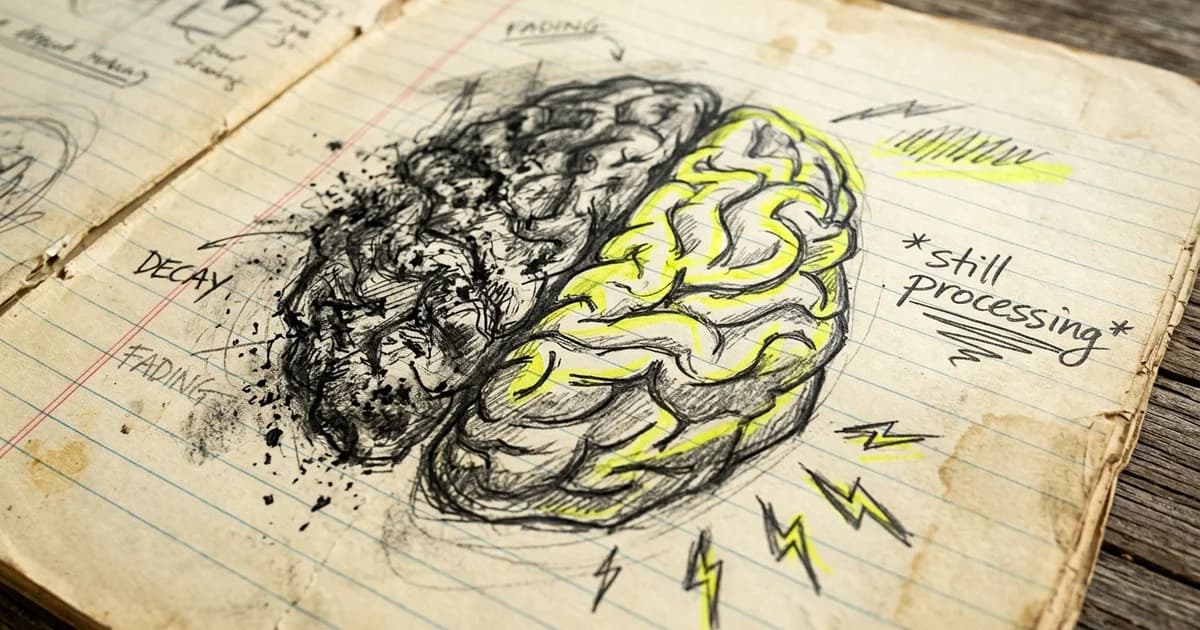
A 2025 review published in Brain Sciences defines brain rot as "the cognitive decline and mental exhaustion experienced by individuals, particularly adolescents and young adults, due to excessive exposure to low-quality online materials." The researchers describe it as characterized by brain fog, decreased concentration, and diminishing cognitive function.
That goes beyond slang, but it still doesn't mean 'brain rot' is a formal clinical diagnosis. And if scattered attention is something you recognize in yourself, you're not alone.
The numbers backing it up are hard to argue with. Recent screen-time estimates suggest the average American adult spends a little over 7 hours a day on screens, while Gen Z trends even higher. According to 2024 data, Gen Z clocks in at roughly 9 hours. That's more time than most people spend sleeping.
What Short-Form Video Actually Does to Your Brain
The specific format doing the most damage is short-form video. TikTok, Instagram Reels, YouTube Shorts. These platforms serve you a new dopamine hit every 15 to 60 seconds, and your brain adapts to that pace.
According to a narrative review of short-form video research from 2019 to 2025, a 2024 survey of over 200 young adult TikTok users found that time spent on the platform was associated with decreased attention span and reduced ability to stay focused. Users who logged more hours per day reported greater difficulty concentrating on longer tasks.
NBC News reported in December 2025 that researchers are finding consistent associations between heavy short-form video consumption and challenges with focus and self-control. The research on social media rewiring attention is early, but the pattern is clear: if this kind of content dominates your day, it can start to shape what your brain expects from every other task.
Here's what's happening at the neurological level. Your brain's reward system runs on dopamine. Every time you see something novel, funny, or surprising, you get a small dopamine release. Short-form video platforms are engineered to deliver that novelty at maximum speed.
Over time, your dopamine receptors recalibrate. They need more stimulation to achieve the same level of engagement. A 30-minute article or a 2-hour deep work session can't compete with the dopamine density of a TikTok feed. So your brain resists it. Not because you're lazy, but because your reward circuitry has been retrained to expect constant input.
A 2025 study indexed on PubMed Central found that social media engages brain reward pathways similar to those seen in addictive behavior, with extended neural activity patterns that interfere with emotional regulation and attention. Those reward loops can start to shape how hard it feels to stay with anything slower or more demanding.
Why "Just Put Your Phone Down" Doesn't Work
The standard advice for brain rot is some version of "take a digital detox." Delete TikTok. Set screen time limits. Go touch grass.
This advice isn't wrong. It's just incomplete.
The problem isn't only behavioral. It's biochemical. When your dopamine system has been conditioned by months or years of high-frequency stimulation, removing the stimulus creates a deficit. That's why the first few days of a "detox" feel terrible. You're not just bored. You're experiencing a mild withdrawal from a reward cycle your brain has come to depend on.
Willpower alone doesn't address the underlying neurochemistry. Your prefrontal cortex, the part of the brain responsible for sustained attention and impulse control, is literally competing against a reward system that has been trained to seek the next scroll. Even after you delete the app, the habit loop and attention pattern do not disappear overnight.
This is why so many people fail at digital detoxes within a week. They're fighting chemistry with intention, and chemistry usually wins.
Why Brain Rot Is Getting Worse, Not Better
If brain rot were just a 2024 trend, it would be fading by now. It's not. Attention patterns are still moving in the wrong direction, especially in screen-heavy environments.
Screen time data from DemandSage shows that the average person now spends 6 hours and 54 minutes on screens daily, a 2.22% increase compared to Q3 2024. The trajectory is upward. Short-form video platforms continue to grow. AI-generated content is flooding feeds with even more low-quality material and meaningless viral meme loops, accelerating the cycle.
National Geographic reported in 2025 that brain rot has been linked to cognitive decline in younger generations, with excessive use of AI and social media associated with lower recall and retention, reduced brain function, and memory loss.
Earl Miller, a cognitive neuroscientist at MIT, put it plainly: the issue isn't that content is literally rotting your brain. It's that constant digital stimulation creates an environment your brain isn't equipped to handle. Your neural hardware evolved for a world with far less informational input. We're running Stone Age software on a fiber-optic network, and the system is glitching. That is one reason difficult, slow-reward tasks can start to feel harder in real life.
The Three Neurochemical Pathways Behind Brain Fog
Understanding why your focus feels wrecked means understanding three key systems in your brain:
1. The Adenosine System (Why You Feel Mentally Exhausted)
Adenosine is a neurotransmitter that builds up in your brain throughout the day, creating the sensation of mental fatigue. Heavy cognitive load, especially the fragmented kind that comes from constant task-switching between apps, accelerates adenosine buildup. That "foggy" feeling after two hours of scrolling? That's adenosine doing its job faster than it should.
Caffeine works by blocking adenosine receptors, which is why coffee temporarily clears the fog. But caffeine alone creates a spike-and-crash cycle that many people know too well.
2. The Dopamine System (Why You Can't Focus on Hard Things)
As described above, short-form content recalibrates your dopamine baseline. Your brain starts treating normal tasks, reading, writing, problem-solving, as insufficiently rewarding. The result is that deep focus becomes genuinely harder. Not because the task changed, but because your brain's reward threshold shifted. Your difficulty with hard things is brain rot playing out in real time.
3. The GABA System (Why You Feel Wired but Unproductive)
GABA is your brain's primary inhibitory neurotransmitter. It calms neural activity and helps you sustain attention without feeling jittery or overstimulated. Chronic digital overstimulation can disrupt GABA signaling, leaving you in a state that feels both wired and unfocused at the same time. You're alert, but your attention is scattered. You have energy, but it's pointed in twelve directions.
This three-system disruption, adenosine overload, dopamine desensitization, and GABA imbalance, is the neurochemical signature of brain rot. If your focus still feels wrecked despite your best efforts, these pathways explain why.
What Actually Helps
Recovering from brain rot isn't about one fix. It's about addressing the underlying systems.
Reduce short-form video consumption. This is the obvious one, and it matters. Even cutting 30 minutes per day of TikTok or Reels creates space for your dopamine system to recalibrate. The goal isn't zero screen time. It's shifting the ratio toward content that requires sustained attention.
Train sustained attention deliberately. Reading for 20 minutes without checking your phone. Working in focused blocks. These are not just productivity tricks. They are ways of rebuilding the kind of attention your brain has been using less often. Every time you sustain focus on a single task, you're strengthening prefrontal cortex function.
Support the neurochemistry directly. Certain compounds target the exact pathways that brain rot disrupts. L-Theanine, an amino acid found in tea, promotes GABA activity and alpha brain wave production, creating calm focus without sedation. A study on PubMed found that 97 mg of L-Theanine combined with 40 mg of caffeine improved attention and cognitive performance in young adults. The combination outperformed either compound alone.
Theacrine, a compound structurally similar to caffeine, acts on adenosine and dopamine receptors but without the tolerance buildup that makes caffeine less effective over time. And methylliberine works on similar pathways with a faster onset, shown to improve mood and affect in controlled trials.
The point isn't that any single ingredient fixes brain rot. It's that the neurochemistry behind it is targetable, and the right combination of compounds can support the systems that excessive screen time degrades. You don't have to accept that scattered focus is your new normal.
Cut Through the Fog
Brain rot is real, measurable, and getting worse. But it's not permanent. If you're still feeling its effects, take heart: the same neuroplasticity that allowed your brain to adapt to constant scrolling also allows it to adapt back, given the right inputs.
Roon was built around this exact problem. Roon's nootropic pouches deliver a precise stack of Caffeine (80mg), L-Theanine, Theacrine, and Methylliberine, four compounds that target the adenosine, dopamine, and GABA pathways behind brain fog. No nicotine. No jitters. No crash. Just 6 to 8 hours of sustained, clean focus.
Your brain adapted to the scroll. It can adapt back. Give it something better to work with.