Side Effects From Nicotine Pouches
Roon Team
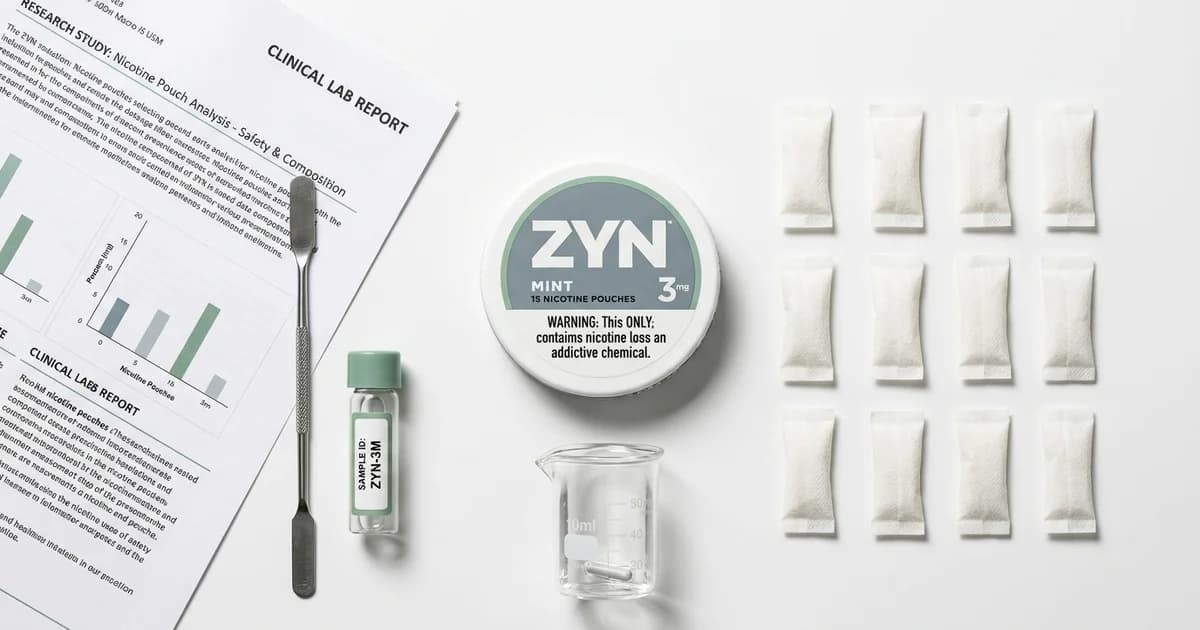
Side Effects From Nicotine Pouches: What the Research Actually Says
Over 581 million cans of ZYN sold in the U.S. in 2024 alone. Nicotine pouches are everywhere, tucked between the lip and gum of college students, finance bros, and former smokers who thought they'd found a clean exit ramp. But the side effects from nicotine pouches are real, documented, and worth understanding before you pop another one in.
The pitch is simple: no tobacco leaf, no smoke, no spit. Just nicotine, absorbed through your oral mucosa. Sounds harmless enough. The research tells a more complicated story.
Key Takeaways
- Side effects from nicotine pouches include real cardiovascular risks, such as elevated heart rate and blood pressure with every use.
- Oral health damage is showing up in clinical reports, from gum recession to white lesions on the soft tissue.
- Nicotine is one of the most addictive substances on the planet, and pouches deliver it fast enough to build dependence quickly.
- Long-term data doesn't exist yet. These products haven't been around long enough for anyone to know the full picture.
How Nicotine Pouches Work (And Why Side Effects From Nicotine Pouches Start Here)
Nicotine pouches sit between the gum and lip, releasing nicotine through the oral mucosa directly into the bloodstream. There's no combustion, no tobacco leaf, and no vapor. The nicotine content in most commercial pouches ranges from 2mg to 12mg per pouch, with some brands pushing even higher.
The speed of delivery is the key detail. Sublingual and buccal absorption gets nicotine into your system fast. That rapid hit is what makes the product satisfying. It's also what makes it easy to build tolerance and dependence without realizing it's happening. Understanding this mechanism helps explain why side effects from nicotine pouches can develop so quickly.
The Side Effects From Nicotine Pouches, Broken Down
Cardiovascular Effects
This is where the science on side effects from nicotine pouches is clearest. Nicotine, regardless of how you consume it, activates the sympathetic nervous system. According to a policy statement from the American Heart Association, nicotine acutely increases heart rate and blood pressure and constricts blood vessels. With sustained exposure, resting heart rate stays elevated compared to non-users.
A 2025 review in the European Heart Journal confirmed that nicotine triggers increases in heart rate, cardiac output, and peripheral vasoconstriction, all of which elevate blood pressure and myocardial oxygen demand. Chronic exposure leads to sustained sympathetic activation.
VCU Health experts put it plainly: the use of these products can lead to increased heart rate and blood pressure, which may increase the risk of developing hypertension, heart disease, and potential heart attacks.
If you're using nicotine pouches to "take the edge off" during a stressful workday, you're chemically doing the opposite. Among the most serious side effects from nicotine pouches is this added cardiovascular load, not the stress relief you were looking for.
Oral Health Damage
The mouth takes a direct hit. A systematic review published in BMC Oral Health documented various forms of white oral mucosal changes in pouch users consistent with smokeless tobacco keratosis, a condition that may have the potential to progress to oral squamous cell carcinoma.
A 2025 case report in BMC Oral Health described localized gum recession and leukoplakia (white patches) associated with nicotine pouch use, noting that repeated exposure probably causes both mechanical and chemical trauma to the gingiva and oral mucosa. These oral side effects from nicotine pouches are becoming harder to ignore as more clinical data emerges.
Research published in PMC on emerging oral nicotine products found severe attachment loss and gum recession among users who place pouches against gingival tissue. The mechanical irritation from the pouch itself, combined with nicotine's vasoconstrictive properties, creates a one-two punch to your gums.
The American Cancer Society warns that the negative impact of nicotine on oral and dental health is well established. Dr. Kirtane noted that if there is true toxic harm from nicotine pouches, "we're going to see that years from now" and "we may start seeing more and more patients with oral cavity cancers." We put that alongside the rest of the available evidence in our guide to the research behind nicotine pouches.
Nausea, Hiccups, and Dizziness
These are the side effects from nicotine pouches that most users notice first. According to Northerner, some people feel mild stomach upset, nausea, or even hiccups, particularly when nicotine is swallowed in saliva or when the pouch strength is higher than the body is accustomed to. Dizziness and a light-headed "buzz" are also common, especially for newer users.
These symptoms are your body's acute response to a stimulant it isn't prepared for. Most people adjust by lowering the dose. But adjusting to a toxin isn't the same as the toxin being safe.
Addiction and Dependence
Here's the side effect nobody wants to talk about. Nicotine is profoundly addictive. The CDC states that nicotine is highly addictive, can harm brain development until about age 25, and that youth can start showing signs of addiction quickly, even if they are not using products regularly or daily.
Yale Medicine describes the cycle clearly: after using nicotine regularly, your body gets used to it and you don't get the buzz anymore. Once dependence sets in, you just feel normal when you have it and feel withdrawal when you don't. Dependence may be the most underestimated of all side effects from nicotine pouches.
MD Anderson's addiction specialists confirm that nicotine pouches are among the products with high nicotine content that can cause worse withdrawal symptoms. Those symptoms include irritability, anxiety, difficulty concentrating, and intense cravings.
So the product you picked up for focus and calm? After a few weeks of regular use, it becomes the thing you need just to feel baseline. That's not performance. That's dependence.
What We Don't Know Yet About Side Effects From Nicotine Pouches
A narrative review published in PMC summed up the state of the evidence: nicotine pouches may offer a less harmful alternative to combustible tobacco, but their long-term safety remains uncertain. Some products contain hazardous substances such as formaldehyde, chromium, and nitrosamines, which may increase the risk of adverse health outcomes.
The Dana-Farber Cancer Institute points out that while nicotine itself is not a known carcinogen, it can cause cardiovascular disease and reduce saliva production. And because nicotine pouches and tobacco products contain comparable amounts of nicotine, they carry similar risks for developing addiction.
The FDA has not approved any nicotine pouch as safe or effective for smoking cessation. The CDC notes that scientists are still learning about the short- and long-term health effects of using them, and that there are no safe tobacco products, including nicotine pouches. The full scope of side effects from nicotine pouches may not be clear for years.
The Real Cost of Nicotine-Based "Focus"
| Factor | Nicotine Pouches | What You Actually Want |
|---|---|---|
| Energy | Short spike, then crash and craving | Sustained, even energy for hours |
| Focus | Brief, followed by withdrawal fog | Consistent cognitive support |
| Tolerance | Builds fast, requires more over time | No tolerance buildup |
| Oral Health | Gum recession, lesions documented | Zero oral tissue damage |
| Addiction Risk | High (nicotine is profoundly addictive) | None |
The pattern is always the same. You start with one pouch. Then two. Then you're buying a can a day and feeling foggy without it. The focus you thought you were buying was borrowed from your future self, with interest. The side effects from nicotine pouches compound over time, turning a small habit into a real problem.
A Cleaner Way to Stay Sharp
If what you're really after is sustained mental performance without the side effects from nicotine pouches, there are ways to get it without handing your nervous system over to nicotine.
Roon is a zero-nicotine sublingual pouch built around a different philosophy entirely. Instead of nicotine, it uses a stack of Caffeine (80mg), L-Theanine, Theacrine, and Methylliberine, ingredients studied for their ability to support focus and alertness without the cardiovascular strain, oral damage, or addiction cycle that comes with nicotine.
The result is 6-8 hours of clean, sustained focus. No jitters. No crash. No tolerance buildup. No withdrawal when you stop. None of the side effects from nicotine pouches that keep users trapped in a dependence loop.
Try a pouch designed for your brain, not against it. Learn more at takeroon.com.