Safe Alternatives to Melatonin for Child Sleep Issues Worth Trying in 2026
Safe Alternatives to Melatonin for Child Sleep Issues Worth Trying in 2026
Your kid can't sleep. You're exhausted. The gummy melatonin bottles at CVS are practically screaming your name from the shelf. But something nags at you before you toss one in the cart, and it should. The search for a safe alternative to melatonin for child sleep problems is one of the fastest-growing queries in pediatric health right now, and for good reason.
Melatonin supplement use among U.S. children has quintupled over the past two decades, according to CDC data. And poison control calls for pediatric melatonin exposures saw a 530% increase between 2012 and 2021. Two children died. Five required mechanical ventilation. These aren't scare tactics. They're numbers from the CDC's own Morbidity and Mortality Weekly Report.
The problem isn't that melatonin is poison. The problem is that it's treated like candy when it's actually a hormone, and we don't have enough long-term safety data on what it does to developing brains and bodies. That's why so many parents are now looking for natural alternatives to melatonin for child sleep support.
Key Takeaways
- Melatonin is a hormone, not a vitamin. Long-term effects on children's development remain understudied.
- Behavioral and environmental changes work better than any supplement for most pediatric sleep issues, making them the first safe alternatives to melatonin for child sleep struggles.
- Several evidence-backed safe alternatives to melatonin for child use exist, including L-theanine, magnesium, chamomile, and structured sleep hygiene protocols.
- Always consult your pediatrician before starting any supplement regimen for a child.
Why Parents Are Rethinking Melatonin and Seeking Safe Alternatives to Melatonin for Child Use
Melatonin is sold as a dietary supplement in the United States, which means the FDA doesn't regulate it the way it regulates drugs. A 2023 systematic review published in PMC found that while melatonin wasn't associated with serious adverse events, children taking it experienced a higher rate of non-serious adverse events compared to placebo (relative risk of 1.56).
A 2024 clinical review in the journal Children noted that melatonin use has surged even further since the COVID-19 pandemic, along with a dramatic increase in overdose cases. The review emphasized that melatonin is "generally viewed by physicians" as benign, which may contribute to its overuse.
Here's what concerns pediatric sleep researchers most: we simply don't know what years of exogenous melatonin supplementation does to a child's endocrine system. A 2025 review from Boston Children's Hospital published in World Journal of Pediatrics concluded that melatonin "should be used with caution in children and only under medical supervision" due to a lack of efficacy and safety data across pediatric populations. This finding alone has pushed many families toward safe alternatives to melatonin for child sleep.
The Sleep Foundation puts it plainly: "There is not enough research to say whether melatonin is safe for kids."
So what do you reach for instead?
Safe Alternatives to Melatonin for Child Sleep: What Actually Works
The best safe alternatives to melatonin for child sleep fall into two categories: behavioral interventions (which should always come first) and gentler supplemental options (which should always involve your pediatrician).
1. Sleep Hygiene: The Boring Answer That Actually Works
Before reaching for any bottle, fix the environment. This is the most effective safe alternative to melatonin for child sleep problems, and it costs nothing.
What the evidence supports:
- Consistent bedtime and wake time, even on weekends. The body's circadian rhythm responds to regularity more than anything else.
- Screen removal 30 to 60 minutes before bed. Blue light suppresses natural melatonin production. As CBS Miami reported, pediatric sleep experts recommend taking away all electronics at least 30 minutes before bedtime.
- Cool, dark room. Optimal sleep temperature for children is between 65 and 70°F.
- A predictable routine. Bath, book, bed. The sequence matters less than the consistency.
The Raising Children Network notes that sleep problems often continue even after children try better sleep habits, which is when other safe alternatives to melatonin for child sleep become relevant. But for the majority of kids, environmental changes alone resolve the issue.
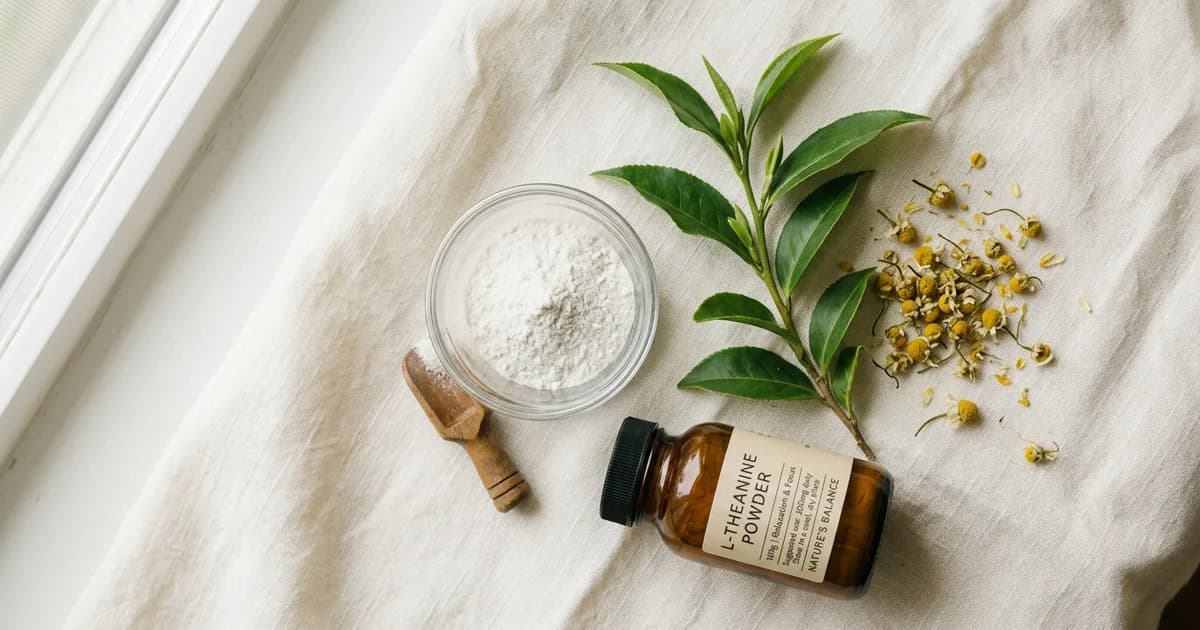
2. L-Theanine
L-theanine is an amino acid found naturally in green tea. It promotes relaxation without sedation, which makes it a particularly appealing safe alternative to melatonin for child sleep difficulties, especially for kids who can't wind down at night.
A randomized, double-blind, placebo-controlled trial found that boys with ADHD who consumed L-theanine achieved higher sleep percentage and sleep efficiency scores compared to placebo. The study measured these outcomes with actigraph watches, not parent reports, which adds weight to the findings.
The Sleep Doctor reports that L-theanine can improve sleep quality not by acting as a sedative, but by lowering anxiety and promoting relaxation. The Sleep Foundation notes that consuming up to 200mg of L-theanine per day appears safe for most people, including children with ADHD, who may experience improvements in both sleep and behavior.
L-theanine works by boosting alpha brain wave activity, the same pattern your brain produces during calm, focused wakefulness. It's not knocking your kid out. It's helping their brain shift gears, which is exactly what makes it a strong safe alternative to melatonin for child use.
3. Magnesium
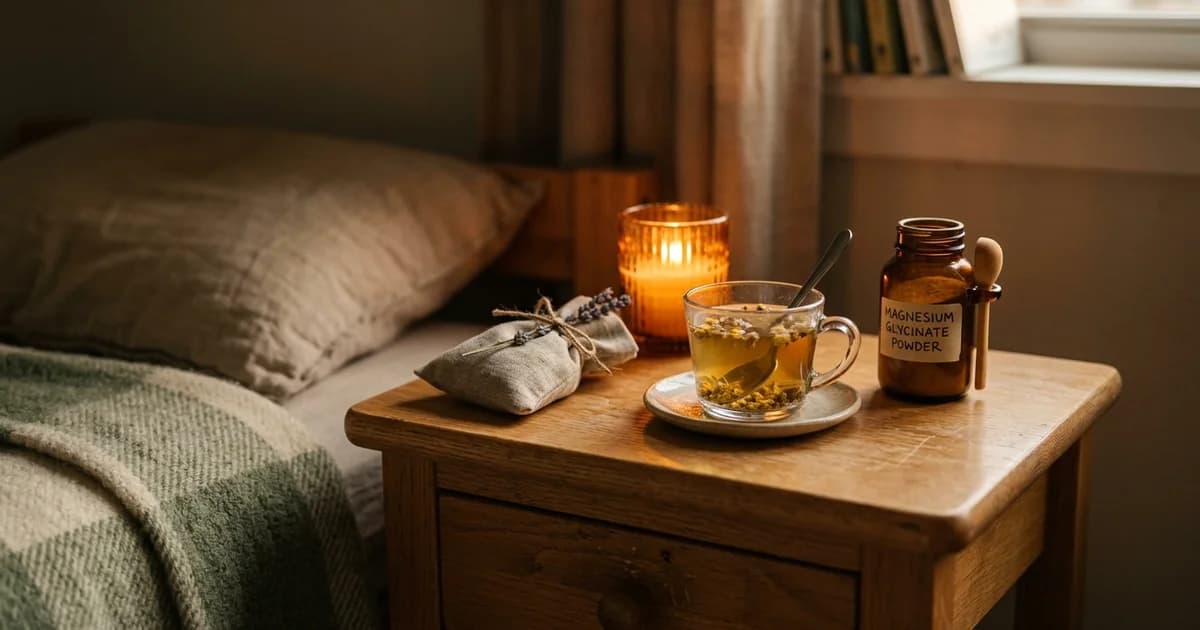
Magnesium plays a role in over 300 enzymatic reactions in the body, including those that regulate the nervous system. As a safe alternative to melatonin for child sleep support, magnesium addresses a common nutritional gap: many children (and adults) don't get enough of it through diet alone.
Low magnesium levels have been linked to restlessness, difficulty falling asleep, and nighttime waking. Magnesium glycinate is the form most commonly recommended for magnesium for kids sleep because it's well-absorbed and gentle on the stomach.
A word of caution on magnesium dosing and sleep in kids: magnesium supplements can cause digestive issues at high doses. Start low, talk to your pediatrician about what works for kids magnesium sleep, and confirm the right amount for your child's age and weight.
4. Chamomile
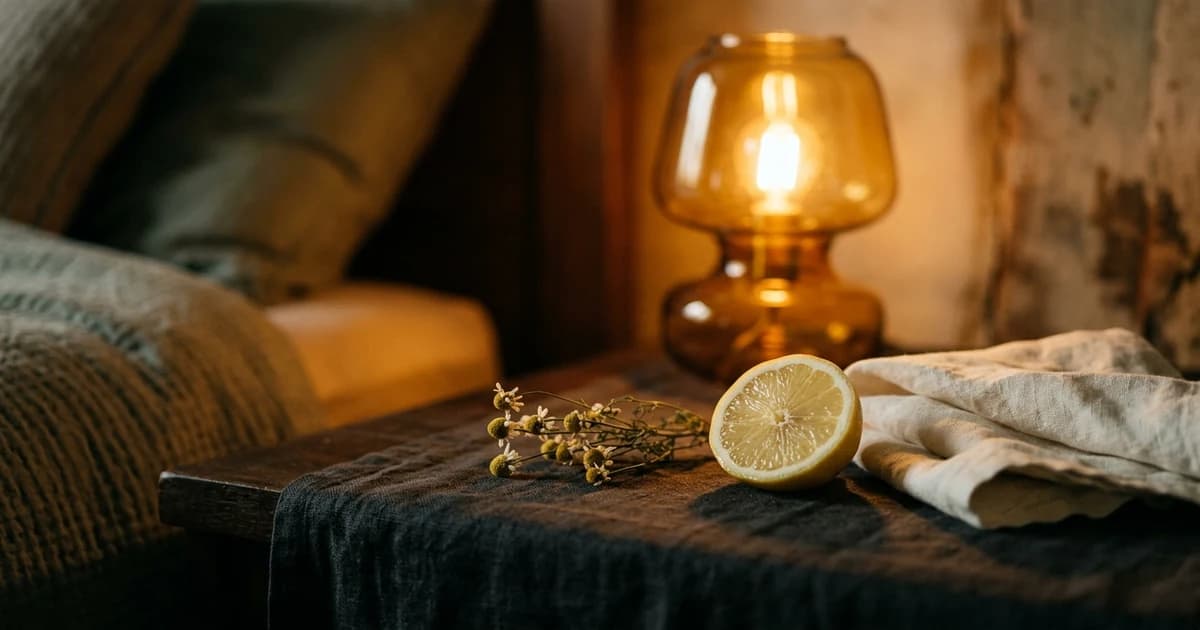
Chamomile has been used as a mild sedative for centuries, and there's actual science behind the tradition. The active compound, apigenin, binds to benzodiazepine receptors in the brain, producing a gentle calming effect. This makes chamomile one of the most accessible safe alternatives to melatonin for child bedtime routines.
WishGarden Herbs notes that chamomile supports healthy sleep and relaxation thanks to its high apigenin content. Chamomile tea before bed is one of the simplest, most time-tested interventions you can try.
For children over one year old, a warm cup of chamomile tea 30 minutes before bed can become part of the bedtime routine itself. It's both the chemical effect and the ritual that help.
5. Passionflower
Passionflower (Passiflora incarnata) is another herbal option with a growing body of evidence behind it, and another safe alternative to melatonin for child sleep worth considering. A 2025 study published in the journal CyTA - Journal of Food compared chamomile and passionflower in patients with primary insomnia and found both effective, with chamomile showing an edge in reducing reliance on sleeping pills.
Toronto Kids Health lists passionflower as safe for children when used in moderation, though they note it can cause dizziness or diarrhea in excess. Like chamomile, it's best delivered as a tea and integrated into the wind-down routine.
6. Tart Cherry Juice
Tart cherries are one of the few natural food sources of melatonin, but in much smaller, food-level doses compared to supplements. They also contain anthocyanins, which may help reduce inflammation that interferes with sleep. For parents seeking a food-based safe alternative to melatonin for child sleep, tart cherry juice fits the bill.
A small glass of tart cherry juice with dinner gives the body a gentle nudge toward melatonin production without flooding it with a synthetic megadose. Think of it as supporting the system rather than overriding it.
A Quick Comparison of Safe Alternatives to Melatonin for Child Sleep
| Alternative | How It Works | Form | Best For |
|---|---|---|---|
| Sleep hygiene | Regulates circadian rhythm | Behavioral | All children (first-line) |
| L-Theanine | Promotes relaxation via alpha waves | Capsule, powder | Anxious or ADHD-type sleepers |
| Magnesium | Supports nervous system regulation | Gummy, powder, capsule | Kids with restlessness |
| Chamomile | Apigenin binds calming receptors | Tea | Bedtime routine builders |
| Passionflower | Mild sedative effect | Tea | Difficulty falling asleep |
| Tart cherry juice | Natural melatonin + anti-inflammatory | Juice | Gentle, food-based approach |
What to Avoid
A few things to keep off the list entirely when exploring safe alternatives to melatonin for child sleep:
- Antihistamines (Benadryl) as sleep aids. They're not designed for this, they disrupt sleep architecture, and they carry real side effects for children.
- Valerian root in young children. While used in adults, there's limited safety data for kids under 12.
- Any supplement marketed with exaggerated claims. If it promises to "knock your kid out in 5 minutes," walk away.
The Conversation With Your Pediatrician
None of these safe alternatives to melatonin for child sleep replace a conversation with your child's doctor. Sleep problems in children can signal underlying issues: anxiety, sleep apnea, restless leg syndrome, or sensory processing differences. A supplement, no matter how gentle, doesn't address root causes.
The International Pediatric Sleep Association (IPSA) published expert consensus recommendations in 2025 noting that for very young children, there are no studies assessing efficacy and safety of melatonin, and that close supervision by a sleep medicine physician is recommended if supplementation is deemed necessary.
If your child's sleep problems persist after improving sleep hygiene and trying gentle safe alternatives to melatonin for child use, that's the signal to get a professional evaluation. Not another supplement.
Sleep Better at Night, Perform Better During the Day
Here's what most articles about kids' sleep miss: the quality of your child's rest directly shapes their cognitive performance the next day. Focus, memory consolidation, emotional regulation, all of it depends on what happens between lights-out and the alarm. Finding the right safe alternatives to melatonin for child sleep is the first step.
The same principle applies to you. If you're a parent running on broken sleep and back-to-back obligations, your own daytime performance matters too. Good sleep hygiene at night sets the foundation. What you do during waking hours builds on it.
Roon was designed for exactly that, the waking side of the equation. It's a zero-nicotine sublingual pouch with caffeine, L-theanine, theacrine, and methylliberine that delivers 6 to 8 hours of sustained focus without jitters or a crash. No tolerance buildup. No disruption to your sleep later that night.
Fix the nights. Optimize the days. Start with your family's sleep habits, and when you're ready to sharpen your own daytime edge, give Roon a try.